

Does your dog go wild every time the doorbell rings? If you’re tired of the barking chaos and want peace back in your home, you’re in the right place.
Training your dog not to bark at the doorbell might seem tough, but with the right steps, you can teach them calm and control. Imagine opening the door without the noise—how much easier would that make your day? Keep reading, and you’ll discover simple, effective ways to help your dog stay quiet and relaxed whenever the doorbell sounds.

Credit: www.youtube.com
Why Dogs Bark At Doorbells
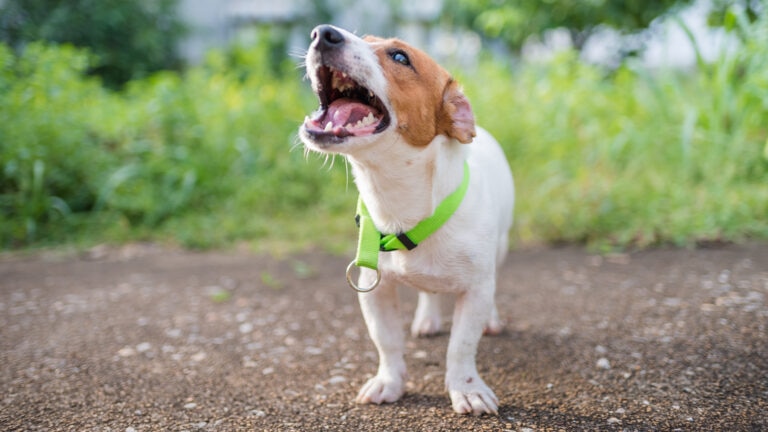
Dogs often bark at doorbells. This behavior puzzles many dog owners. Understanding why dogs bark helps you train them better. Dogs use barking as a way to communicate. The sound of a doorbell triggers many dogs to react loudly. It is important to know the reasons behind this barking.
Natural Instincts
Barking at a doorbell is part of a dog’s natural instincts. Dogs are alert animals that watch their territory. The doorbell sound signals someone is near the home. This triggers their guarding instincts. Barking warns the family and scares away strangers. It is a way dogs protect their space.
Alert Behavior
Dogs bark at the doorbell to alert their owners. They want to tell you someone is outside. This behavior comes from their role as watchdogs. Barking is a quick way to get your attention. Dogs think they are helping by making noise. They want you to be ready for visitors.
Anxiety And Excitement
Some dogs bark at the doorbell because they feel anxious. The sound can make them nervous or unsure. Other dogs bark out of excitement. They associate the doorbell with guests or playtime. Barking releases their energy and shows their feelings. Both anxiety and excitement can cause loud barking.

Credit: tug-e-nuff.com
Preparing For Training
Training your dog not to bark at the doorbell starts with good preparation. This phase helps make the learning process smoother and faster. Prepare everything before you begin. Clear steps and calm settings set your dog up for success.
Gathering Supplies
Get all needed items ready before training. Treats work well as rewards. Use small, tasty pieces your dog likes. A clicker can help mark good behavior. Have a leash handy to keep control. Prepare the doorbell sound source too. A phone app or recorded sound works fine.
Choosing A Quiet Command
Pick one short command to stop barking. Words like “quiet” or “enough” work best. Use the same word every time. Speak in a calm, firm voice. Avoid long phrases or shouting. Your dog learns faster with clear cues.
Setting A Calm Environment
Find a quiet place for training sessions. Remove distractions like loud noises or toys. Keep the room calm and peaceful. Training works best when your dog feels safe. Practice at times when your dog is relaxed. Short sessions help keep focus and patience.
Step-by-step Training Methods
Training your dog not to bark at the doorbell takes patience and clear steps. Following simple methods helps your dog learn calm behavior. Consistency is key to success. Each step builds on the last to create lasting change.
Desensitizing To Doorbell Sounds
Start by playing the doorbell sound softly. Let your dog hear it without reacting. Repeat this many times a day. Slowly increase the volume as your dog stays calm. This helps your dog get used to the sound.
Keep sessions short and positive. End before your dog gets upset. The goal is to remove fear or excitement linked to the doorbell.
Teaching The Quiet Command
Say “quiet” in a calm voice when your dog stops barking. Reward with treats or praise immediately. Practice this during quiet moments first. Then use it when the doorbell rings. Your dog will learn to stop barking on command.
Be patient. Dogs need time to connect the word with the action. Repeat often for better results.
Using Positive Reinforcement
Give treats or praise when your dog behaves well at the door. Reward calmness, not barking. This teaches your dog what you expect. Use rewards right after good behavior. This helps your dog understand clearly.
Avoid punishment. It can make your dog fearful or confused. Positive reinforcement builds trust and cooperation.
Redirecting Attention
When the doorbell rings, distract your dog with a toy or command. This shifts focus from barking to something else. Practice this regularly to build a new habit.
Use a favorite toy or simple commands like “sit” or “look.” Redirecting stops barking and engages your dog’s mind.
Credit: www.chewy.com
Common Challenges
Training a dog not to bark at the doorbell can be tricky. Many owners face common challenges that slow progress. Understanding these challenges helps in finding the right solutions.
Overcoming Persistent Barking
Some dogs bark loudly and keep barking for a long time. This behavior can be hard to stop. Consistent training and patience are key. Use calm commands and reward quiet behavior. Avoid yelling, as it can make barking worse.
Handling Separation Anxiety
Dogs with separation anxiety often bark at the doorbell. They feel scared when left alone. Training should focus on building confidence. Create a safe space and practice short absences. Use toys and treats to keep the dog calm.
Dealing With Multiple Dogs
Training more than one dog adds extra challenges. Dogs can encourage each other to bark. Train each dog individually first. Then practice together, rewarding quiet behavior. Consistency with all dogs helps reduce barking at the doorbell.
Additional Tips For Success
Training your dog not to bark at the doorbell can be tricky. Some dogs bark out of excitement or alertness. Others bark because they want attention. Following these extra tips helps improve your training results. They make learning easier for your dog. They help keep you calm and steady through the process.
Consistency And Patience
Always use the same commands and rewards. Your dog learns faster with clear signals. Practice the training at the same times each day. Avoid confusing your dog with mixed messages. Patience is key. Dogs take time to change habits. Keep calm even if your dog barks at first. Repeat training often and stay positive.
Incorporating Daily Exercise
Exercise helps your dog use up extra energy. A tired dog barks less from restlessness. Take your dog for walks or play games daily. Physical activity improves focus during training sessions. It also reduces anxiety, which causes barking. Use exercise as part of the daily routine. This supports better behavior around the doorbell.
Using Professional Help When Needed
Sometimes, barking is hard to control alone. Trainers or behaviorists can give expert advice. They spot problems you might miss. Professionals offer tailored techniques for your dog’s needs. Seek help early if barking continues or worsens. It saves time and stress. A trained expert guides you step by step.
Frequently Asked Questions
How Can I Stop My Dog Barking At The Doorbell?
Train your dog using positive reinforcement. Reward calm behavior when the doorbell rings. Gradually expose your dog to the sound and practice commands like “quiet. “
Why Does My Dog Bark At The Doorbell?
Dogs bark at the doorbell due to excitement, alertness, or territorial instincts. They see it as a signal of a visitor or potential threat.
What Training Tools Help Reduce Doorbell Barking?
Use treats, clickers, and commands like “quiet” or “sit. ” Desensitizing your dog to the doorbell sound is also effective.
How Long Does It Take To Train Dog Not To Bark?
Training duration varies but usually takes a few weeks with consistent practice. Patience and regular sessions are key for success.
Conclusion
Training your dog not to bark at the doorbell takes patience and practice. Start with small steps and stay consistent every day. Reward calm behavior to help your dog learn quickly. Remember, barking is natural, but you can guide your dog to stay quiet.
Keep training sessions short and positive. Soon, your dog will respond calmly when the doorbell rings. Enjoy a peaceful home with less noise and a happier pet.


