

Have you noticed your dog acting differently all of a sudden? Maybe your friendly pup is now growling or hiding, or your calm companion seems restless and anxious.
These sudden changes in behavior can be confusing and worrying. But understanding why your dog is acting this way is the first step to helping them feel better. You’ll discover the common reasons behind sudden behavior changes in dogs and what you can do to support your furry friend.
Keep reading to learn how to spot the signs and take action before small problems turn into bigger ones.
Signs Of Sudden Behavior Change
Sudden changes in a dog’s behavior can signal many things. These shifts often mean your pet is feeling unwell or stressed. Watching for these signs helps catch problems early. It also keeps your dog safe and happy.
Common Behavioral Shifts
Dogs may stop eating or lose interest in play. They can become restless or pace around. Some dogs bark more or less than usual. Changes in sleeping patterns are also common. These shifts show something is different inside your pet.
Identifying Aggression And Fear
A normally calm dog might growl or snap. Fear can make dogs hide or tremble. Look for stiff body posture or pinned ears. Sudden biting or lunging is a serious warning. These signs mean your dog feels threatened or scared.
Noticing Withdrawal And Anxiety
Some dogs avoid people and stay alone. They may refuse to come when called. Panting, trembling, or whining can show anxiety. Avoidance of favorite spots or toys is a clue. Withdrawal means your dog may need help.
Health Issues Behind Behavior
Sudden changes in a dog’s behavior often signal health problems. Dogs cannot tell us when they feel bad. Their actions show their discomfort or pain. Understanding the health issues behind behavior helps owners act quickly. Early detection can prevent serious problems.
Behavior changes from health issues are common. Dogs may become aggressive, withdrawn, or restless. These signs often relate to physical or mental health problems. Knowing these causes helps in giving proper care and treatment.
Pain And Discomfort
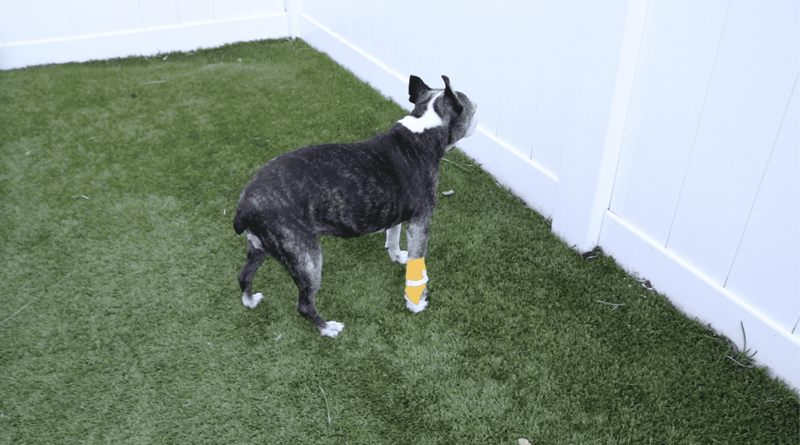
Pain is a major cause of behavior change in dogs. Dogs may growl, hide, or avoid touch. Limping or reluctance to move shows discomfort. Conditions like arthritis or injuries often cause pain. Pain makes dogs less playful and more irritable.
Neurological Disorders
Neurological disorders affect a dog’s brain and nerves. These problems can cause confusion or sudden aggression. Seizures or tremors are common signs. Diseases like epilepsy or brain tumors may be involved. Changes in behavior may be one of the first signs.
Hormonal Imbalances
Hormonal problems change a dog’s mood and energy. Thyroid issues can cause anxiety or tiredness. Cushing’s disease may lead to restlessness or aggression. Hormonal shifts affect how dogs react to their world. Testing hormone levels helps find these hidden causes.
Environmental Triggers
Environmental triggers often cause sudden behavior changes in dogs. Dogs are sensitive to their surroundings. Small changes can affect their mood and actions. Understanding these triggers helps in managing their behavior better.
Changes In Home Or Routine
Dogs thrive on routine. A new schedule or rearranged furniture can confuse them. They may act anxious or withdrawn. Even moving to a new house can stress a dog. Keeping some familiar items helps ease their worry.
New Pets Or Family Members
Introducing new pets or people disrupts a dog’s comfort zone. Dogs may feel jealous or threatened. This can lead to barking, growling, or hiding. Gradual introductions and patience can help dogs adjust.
Stressful Situations
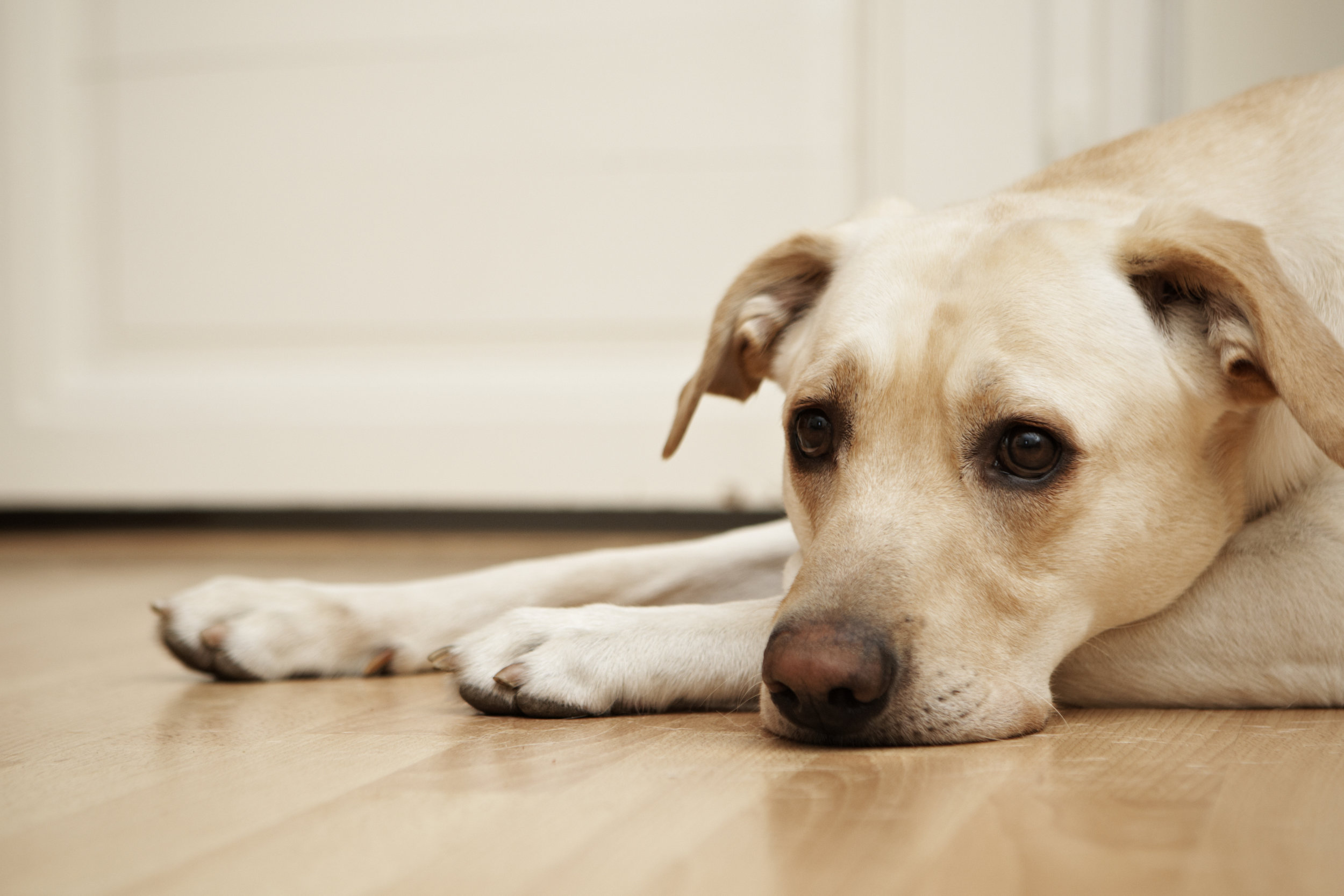
Stress affects dogs just like humans. Loud noises, visitors, or crowded places can scare them. Stress may cause aggression or fear-based behaviors. Creating a calm space helps dogs feel safe and relaxed.
Credit: www.insightfulanimals.com
Emotional And Psychological Factors
Dogs often show sudden changes in behavior due to emotional and psychological factors. These factors affect their mood, actions, and reactions. Understanding these reasons can help you support your dog better. Dogs feel emotions deeply, just like people do. Stress, fear, and loneliness can cause noticeable behavior shifts.
Separation Anxiety
Separation anxiety happens when a dog feels scared being alone. They may bark, chew, or try to escape. This anxiety can start after a change in routine or a loss. Dogs with separation anxiety need extra care and patience. Creating a calm environment helps reduce their stress.
Past Trauma Or Abuse
Dogs with past trauma may act afraid or aggressive. Abuse leaves deep emotional scars that affect behavior. These dogs might hide or avoid people and other animals. Gentle training and trust-building are key to helping them heal. Professional help may be needed for serious cases.
Lack Of Socialization
Dogs not used to meeting others can become fearful or shy. Lack of socialization can lead to sudden nervous or defensive behavior. Regular, positive exposure to people and pets helps build confidence. Early socialization is best, but older dogs can improve too.
Quick Solutions For Behavior Issues
Sudden changes in your dog’s behavior can be stressful. Quick actions help reduce anxiety and improve behavior. These simple steps calm your dog fast and bring stability. Focus on calming techniques, creating a safe space, and setting a routine. These solutions support your dog’s well-being and help manage behavior issues effectively.
Immediate Calming Techniques
Start by speaking softly to your dog. Use a gentle tone to soothe nerves. Try slow, steady petting on the chest or back. This helps lower stress quickly. Offer a favorite toy or treat to distract your dog. Deep breaths from you can also calm their mood. Avoid loud noises and fast movements. These steps calm your dog in stressful moments.
Safe Space Creation
Create a quiet and cozy area for your dog. Use a soft bed or blanket in a low-traffic spot. This space should feel secure and private. Add familiar items like toys or your clothing. Your dog will associate this spot with safety. Let them retreat here whenever they feel upset. A safe space reduces fear and prevents behavior problems.
Consistent Routine Establishment
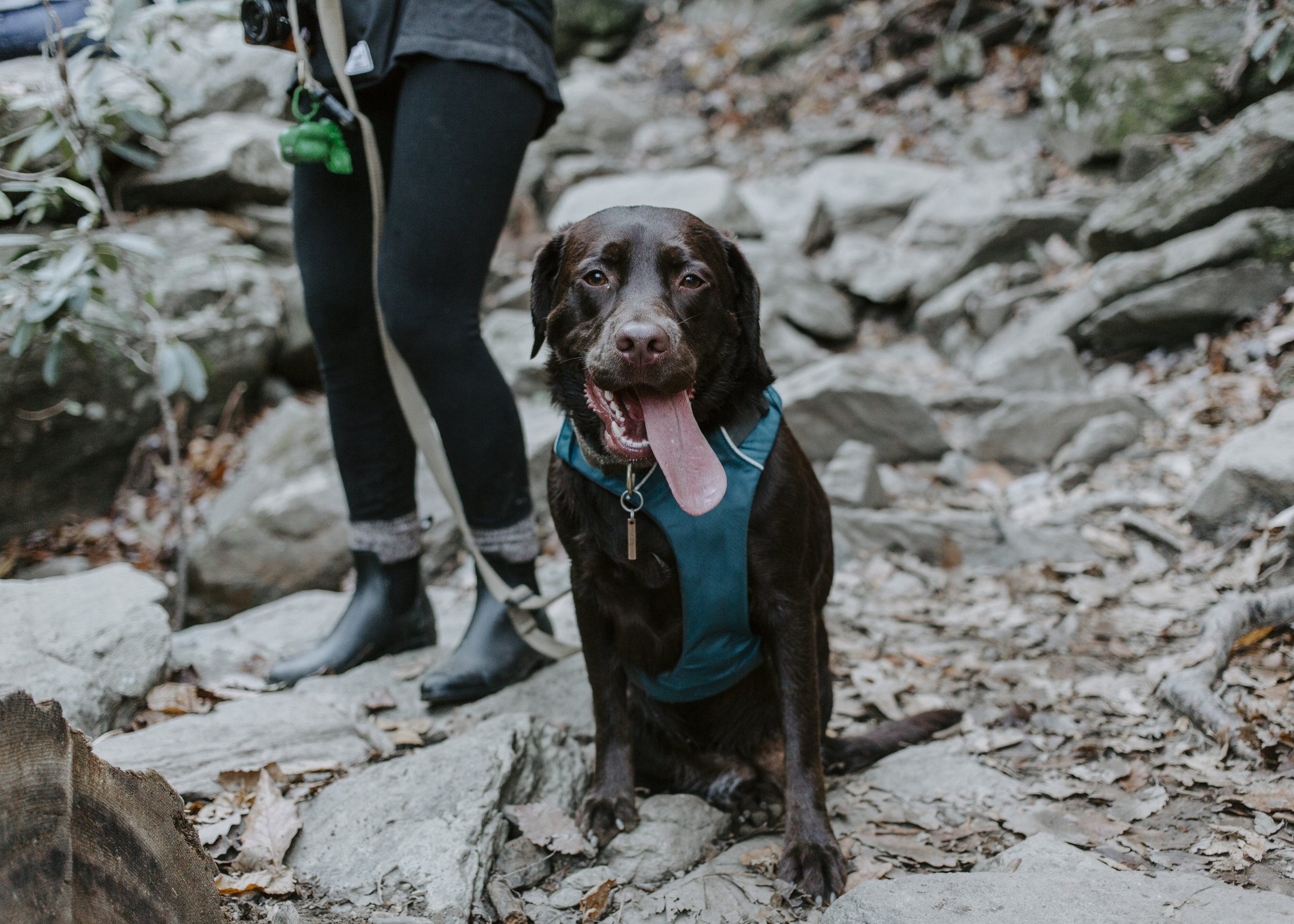
Dogs thrive on routine and predictability. Set regular times for feeding, walks, and play. Stick to the same schedule every day. This consistency builds trust and lowers anxiety. Predictable routines help dogs feel safe and relaxed. Avoid sudden changes in daily activities. A stable routine supports good behavior and emotional balance.
Credit: www.insightfulanimals.com
When To Seek Professional Help
Sudden changes in your dog’s behavior can be worrying. Not all changes need a vet visit, but some do. Knowing when to seek professional help can protect your dog’s health and happiness. Early action often leads to better results.
Signs Of Severe Behavioral Problems
Watch for signs like aggression, biting, or growling without cause. Excessive fear or anxiety can also be serious. Sudden house soiling or loss of training is a red flag. If your dog hides or refuses to eat, note it. These signs often show a deeper problem.
Choosing The Right Veterinarian Or Trainer
Select a veterinarian experienced in behavioral issues. Ask if they use calm and gentle methods. Trainers should use positive reinforcement, not punishment. Check reviews and ask for recommendations. A good team works well with you and your dog.
Behavioral Therapy Options
Behavioral therapy can help dogs with anxiety or aggression. Techniques include desensitization and counter-conditioning. Training may involve controlled exposure to triggers. Sometimes, medication supports therapy for better results. Therapy takes time but improves your dog’s quality of life.
Preventing Future Behavior Changes
Preventing future behavior changes in dogs helps keep them happy and healthy. Sudden shifts in behavior can signal health problems or stress. Early action protects your dog’s well-being and your bond.
Understanding how to maintain good habits and calm environments reduces risks. Consistent care and training build trust and confidence in dogs.
Regular Health Checkups
Schedule vet visits at least twice a year. Health problems often cause behavior changes. Early detection of illness prevents complications. Keep vaccinations and parasite control up to date. A healthy dog behaves more predictably and feels better.
Positive Reinforcement Training
Use rewards like treats and praise to teach good behavior. Avoid punishment, which can cause fear or aggression. Training strengthens your relationship and builds your dog’s trust. Consistency helps dogs learn what you expect. Practice short sessions daily for best results.
Stress Reduction Strategies
Identify and remove stress triggers from your dog’s environment. Provide a quiet, safe space for your dog to relax. Regular exercise helps reduce anxiety and excess energy. Use calming tools like gentle music or aromatherapy. Routine and predictability make dogs feel secure and calm.
Credit: sevneurology.com
Frequently Asked Questions
What Causes Sudden Change In Behavior In Dogs?
Sudden behavior changes in dogs can be caused by pain, illness, stress, or environmental changes. It’s important to observe and consult a vet promptly to rule out medical issues.
How Can I Tell If My Dog Is Stressed?
Signs of stress in dogs include excessive barking, pacing, panting, hiding, or aggression. Noticing these early helps address the cause quickly and keeps your dog comfortable.
When Should I See A Vet For Behavior Changes?
If your dog shows sudden aggression, withdrawal, or unusual behavior lasting more than a day, visit a vet. Early diagnosis can prevent serious health or behavioral problems.
Can Diet Affect My Dog’s Behavior Suddenly?
Yes, sudden diet changes or allergies can cause behavioral shifts like irritability or lethargy. Always introduce new foods gradually and monitor your dog’s reaction closely.
Conclusion
Sudden behavior changes in dogs need your quick attention. These changes often signal health or emotional issues. Watch your dog closely to spot new behaviors early. Consult a vet if your dog acts differently or seems unwell. Early help can prevent serious problems later.
Understanding your dog’s needs builds a stronger bond. Patience and care help your dog feel safe again. Stay calm and observe with love and kindness. Your dog relies on you for comfort and support. Keep learning about dog behavior to help your pet thrive.


