

Have you ever felt worried or unsure about your dog’s sudden growl or snap? Aggressive behavior in dogs can be confusing and even scary for any pet owner.
But understanding why your dog acts this way is the first step to keeping both of you safe and happy. You’ll discover clear, simple explanations for aggressive behavior and learn practical tips to help your dog stay calm and friendly.
Keep reading—you’ll find the answers you need to build a stronger bond with your furry friend.
Reasons For Aggression
Aggressive behavior in dogs can be confusing and worrying. Understanding why dogs act aggressively helps owners manage and reduce these behaviors. Many factors lead to aggression, often working together. Knowing these reasons guides better care and training for dogs.
Genetic Influences
Some dogs inherit traits that make them more prone to aggression. Breeds developed for guarding or protection may show stronger aggressive tendencies. Genetics play a role but do not decide behavior alone. Training and environment shape how these traits appear.
Fear And Anxiety
Fear often triggers aggression in dogs. When scared, dogs may bite or growl to protect themselves. Anxiety from loud noises or unfamiliar places can increase aggressive reactions. Calm and safe surroundings reduce fear-based aggression.
Territorial Instincts
Dogs protect their space and family with strong territorial instincts. They may bark, snap, or act aggressively toward strangers or other animals. This behavior helps keep their home safe. Proper socialization teaches dogs when to relax their guard.
Pain And Illness
Pain can make even gentle dogs aggressive. Illness or injury causes discomfort and irritability. Dogs may react aggressively if touched in painful areas. Regular vet visits help catch health issues early to prevent aggression linked to pain.
Lack Of Socialization
Dogs that miss early social experiences often fear new people or animals. This fear can turn into aggression. Meeting different dogs, people, and environments calmly builds confidence. Socialized dogs are usually friendlier and less aggressive.
Types Of Aggressive Behavior
Dogs show aggression in different ways. Each type has its cause and signs. Understanding these types helps in managing and training your dog better.
Recognizing the kind of aggression helps prevent problems and keeps everyone safe. Here are the main types of aggressive behavior in dogs.
Protective Aggression
Protective aggression happens when dogs guard their family or space. They may growl or bark at strangers. This behavior shows loyalty and a desire to keep loved ones safe.
Dominance Aggression
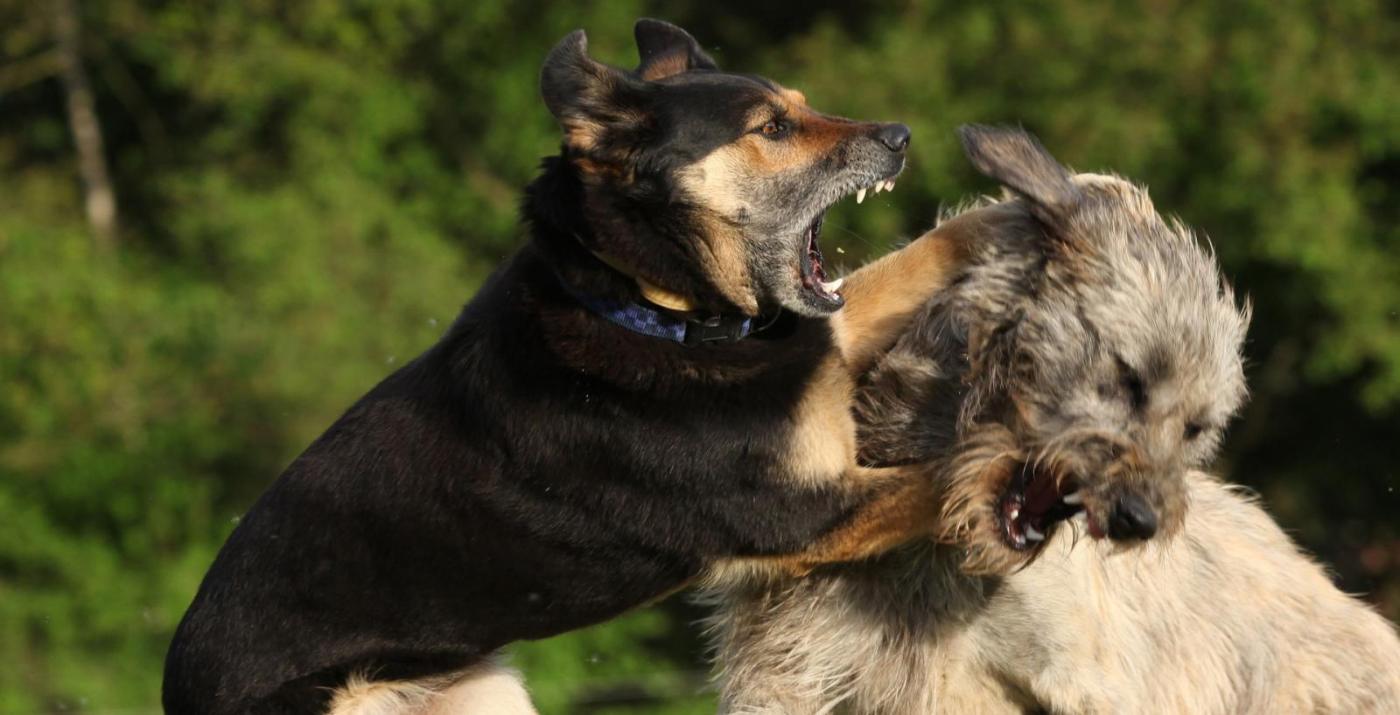
Dominance aggression occurs when a dog wants to control others. The dog may challenge people or other dogs. This behavior can appear during feeding or playtime.
Fear-induced Aggression
Fear-induced aggression happens when a dog feels scared or threatened. The dog may snap or bite to protect itself. This type often shows in new or loud places.
Possessive Aggression
Possessive aggression appears when a dog guards toys, food, or people. The dog may growl if someone tries to take these away. It’s a way to protect what they value most.
Redirected Aggression
Redirected aggression occurs when a dog is angry but attacks another target. The dog may be upset by something else but bites a nearby person or animal. This can be confusing to owners.
Recognizing Warning Signs
Recognizing warning signs of aggressive behavior in dogs helps prevent bites and injuries. Dogs rarely attack without signals first. Learning these signals keeps you and your dog safe. Watch carefully for changes in your dog’s actions and sounds. Understanding these signs allows timely intervention and calm handling.
Body Language Cues
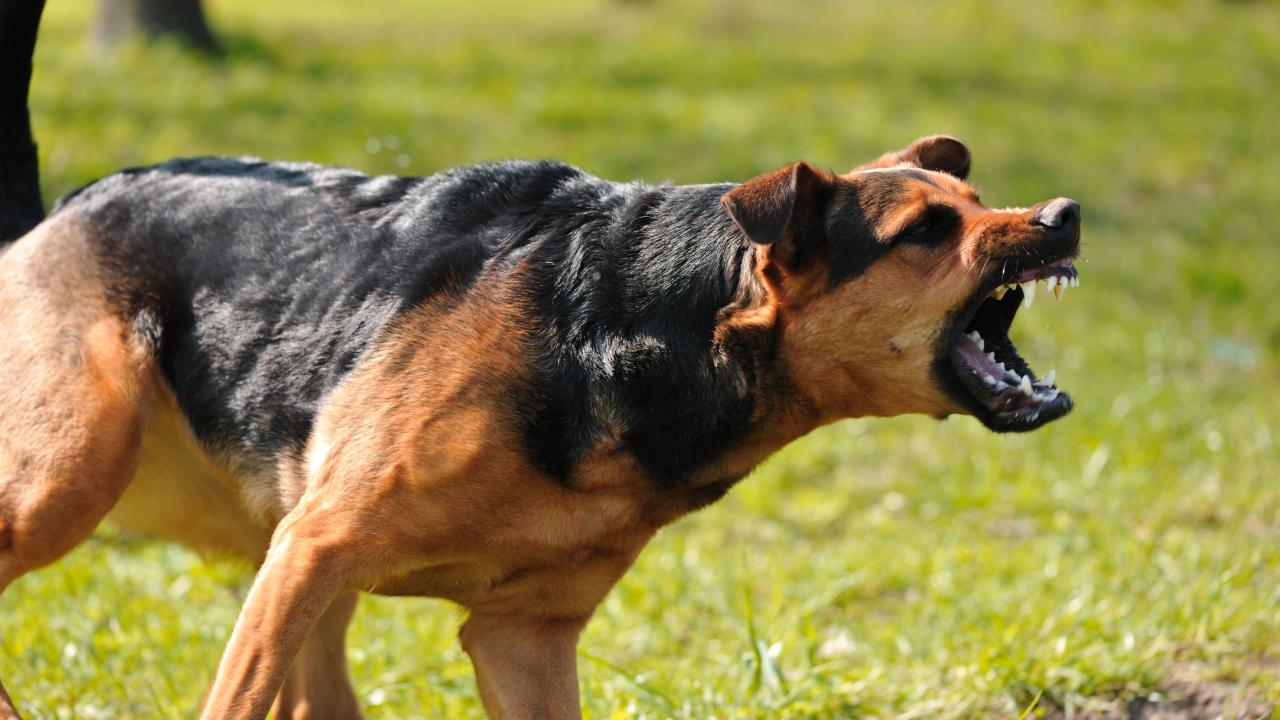
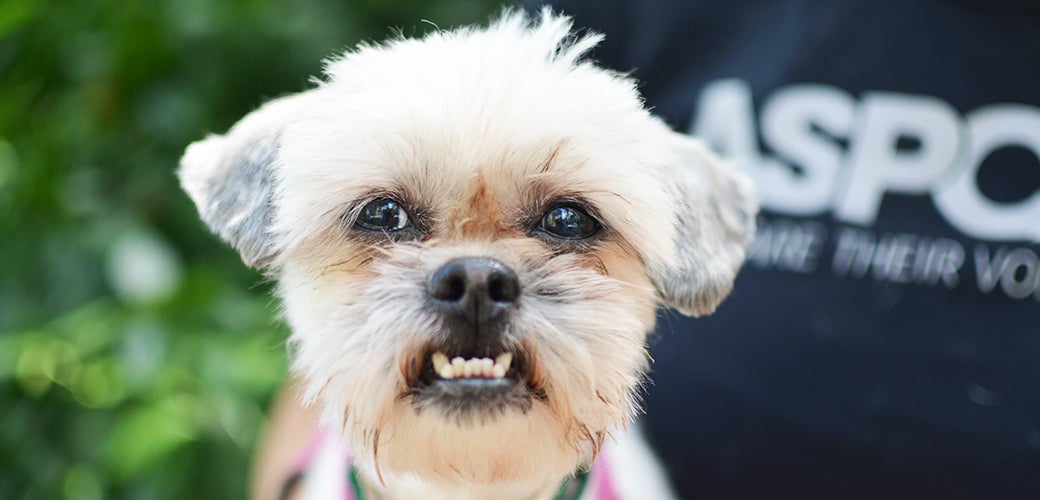
Body language shows how your dog feels inside. Watch for stiff posture and raised hackles. A fixed stare or direct eye contact may signal tension. Lips pulled back, showing teeth, warns of possible aggression. Tail position matters too—high and stiff often means alert or aggressive.
Vocalizations And Growling
Growling is a clear warning sign. It tells others to keep distance. Barking sharply or low, continuous growls also show unease. Whining or snarling may mean your dog feels threatened. Pay attention to changes in vocal sounds and volume.
Changes In Behavior
Sudden behavior changes can signal trouble. A friendly dog may become withdrawn or irritable. Avoidance or hiding indicates discomfort or fear. Increased guarding of food or toys shows possessiveness. Watch for restless pacing or repeated yawning as stress signs.
Triggers And Patterns
Notice what causes your dog to act aggressively. Common triggers include strangers, loud noises, or other animals. Certain places or situations may increase stress. Keep track of when and where aggression happens. Patterns help predict and manage aggressive episodes better.
Credit: healthtopics.vetmed.ucdavis.edu
Behavioral Solutions
Addressing aggressive behavior in dogs requires effective behavioral solutions. These methods help change how dogs react to triggers. The goal is to create safer and calmer interactions. Patience and proper techniques play a key role in success.
Positive Reinforcement Training
Positive reinforcement rewards good behavior. Treats, praise, or toys motivate dogs to repeat calm actions. This method encourages trust and builds a strong bond. It teaches dogs what is acceptable without fear or force.
Desensitization Techniques
Desensitization involves exposing dogs to triggers slowly and safely. Start at a low level that does not cause aggression. Gradually increase exposure as the dog stays calm. This process reduces fear or anxiety linked to certain situations.
Counter-conditioning Methods
Counter-conditioning changes a dog’s emotional response to triggers. It pairs triggers with positive experiences like treats or play. Over time, dogs learn to associate triggers with good feelings. This helps lower aggressive reactions.
Consistency And Patience
Consistency in training is essential for lasting change. Use the same commands and rewards every time. Patience allows dogs to learn at their own pace. Avoid rushing or punishment, which can worsen aggression.
Environmental Adjustments
Adjusting your dog’s environment can reduce aggressive behavior effectively. Small changes create a calm and safe space for your dog. These changes help your dog feel secure and less stressed. Stress often triggers aggression in dogs. A stable environment supports better behavior and happier pets.
Safe Spaces
Dogs need a quiet place to relax and feel safe. A crate or a corner with their bed works well. This spot should be away from loud noises and busy areas. Safe spaces help dogs calm down during stressful moments. Respect your dog’s need for alone time here.
Controlled Social Interactions
Not all dogs like meeting new dogs or people. Limit social time to calm, friendly encounters. Keep initial meetings short and positive. Use a leash to control interactions safely. Gradual exposure helps dogs build trust and reduces fear-based aggression.
Managing Triggers
Identify what causes your dog to act aggressively. Common triggers include strangers, other dogs, or loud noises. Avoid these triggers or manage them carefully. Use barriers or distance to keep triggers away. Reducing exposure to triggers lowers aggressive responses.
Routine And Exercise
Dogs thrive on routine and regular activity. A daily schedule reduces anxiety and confusion. Exercise helps release pent-up energy and stress. Walks, playtime, and training sessions improve behavior. A tired dog is less likely to show aggression.
Credit: www.evergreenschoolfordogs.com
When To Seek Professional Help
Recognizing when to get professional help for aggressive behavior in dogs is important. Aggression can cause harm to people, other animals, and your dog. Early action can prevent problems from getting worse. Professionals can provide safe and effective guidance.
Choosing A Trainer Or Behaviorist
Select a trainer or behaviorist with experience in dog aggression. Check their certifications and reviews. A good expert uses positive methods, not punishment. Consistent and patient trainers help dogs improve safely. Ask about their approach before starting any sessions.
Veterinary Consultations
Visit a vet to rule out health issues causing aggression. Pain or illness can make dogs aggressive. Vets can identify medical problems affecting behavior. Regular check-ups help maintain your dog’s well-being. Share your dog’s behavior details with the vet for better advice.
Medication Options
Medication may help in some aggressive cases. Only a vet can prescribe the right drugs. Medicine works best combined with training and behavior therapy. It helps reduce anxiety and stress in dogs. Never give human medicine to dogs without veterinary guidance.
Prevention Strategies
Preventing aggressive behavior in dogs starts long before problems arise. It requires careful planning and consistent effort. Owners must focus on building trust and confidence in their pets early. Prevention helps dogs feel safe and less likely to show aggression. The following strategies help create a calm, well-behaved dog.
Early Socialization
Socializing puppies early is key to preventing aggression. It exposes them to new people, animals, and environments. This helps dogs learn how to behave calmly around others. Gentle, positive experiences build good habits. Early socialization reduces fear and anxiety, common triggers for aggression.
Training From Puppyhood
Training should start when dogs are young. Teaching basic commands creates structure and respect. Consistent rules guide dogs on acceptable behavior. Positive reinforcement encourages good actions without fear. Early training helps dogs understand limits, reducing chances of aggression later.
Regular Health Checks
Health problems can cause sudden aggression. Pain or illness often makes dogs irritable. Regular vet visits catch health issues early. Treating medical problems keeps dogs comfortable and calm. Healthy dogs are less likely to develop aggressive behavior.
Owner Responsibility
Owners set the tone for their dog’s behavior. Calm, confident handling prevents stress and fear. Avoid harsh punishment that can increase aggression. Learn dog body language to spot warning signs early. Responsible ownership means meeting your dog’s physical and emotional needs.
Credit: www.aspca.org
Frequently Asked Questions
What Causes Aggressive Behavior In Dogs?
Aggressive behavior in dogs often stems from fear, territorial instincts, or pain. Genetics, lack of socialization, and past trauma also play roles. Understanding these causes helps in managing and preventing aggression effectively.
How Can I Prevent My Dog’s Aggressive Behavior?
Early socialization, consistent training, and positive reinforcement reduce aggression risks. Provide regular exercise and mental stimulation. Avoid punishment-based methods, as they may worsen aggression.
When Should I Seek Professional Help For Dog Aggression?
Seek professional help if your dog shows frequent biting, growling, or lunging. Aggression that escalates or causes injury needs expert intervention. A behaviorist can create a tailored management plan.
Is Aggressive Behavior In Dogs Treatable?
Yes, aggressive behavior can be managed with training and behavior modification. Treatment success depends on cause, severity, and consistency. Early intervention improves outcomes significantly.
Conclusion
Aggressive behavior in dogs can cause many problems at home. Understanding why dogs act this way helps owners stay safe. Training and patience are key to changing bad habits. Always watch your dog’s body language closely. Seek help early to prevent serious issues.
Every dog can learn to be calm and friendly. Caring owners make a big difference in a dog’s life. Keep your dog happy and safe for many years.


