

Are you wondering when it’s the right time to switch your furry friend from puppy food to adult dog food? Feeding your dog the proper diet at the right age is crucial for their health and happiness.
Giving your dog adult food too early or too late can affect their growth, energy, and overall well-being. You’ll discover exactly when to make this important change and how to ensure your dog gets the best nutrition at every stage of life.
Keep reading to learn how to keep your dog thriving with the right food at the perfect time.
Credit: www.chewy.com
Puppy Growth Stages
Puppy growth happens in clear stages. Each stage shows changes in size, behavior, and diet needs. Knowing these stages helps you feed your dog the right food at the right time. This guide explains the main phases of puppy growth and when to start adult food.
From Newborn To Weaning
Newborn puppies rely fully on their mother’s milk. This milk has all the nutrients they need to grow strong. At about 3 to 4 weeks, puppies start to try solid food. This process is called weaning. Solid food helps their teeth and digestive system develop. During weaning, mix puppy food with water or milk replacer to make it soft.
Juvenile Phase
The juvenile phase lasts from weaning to about six months old. Puppies grow fast and need more calories and protein. Puppy food supports their energy and bone growth. Meals should be frequent and balanced. This phase requires food made for active growth, not adult maintenance. Watch your puppy’s weight to avoid overfeeding.
Signs Of Maturity
Puppies reach maturity between six months and two years, depending on breed size. Large breeds take longer to mature than small breeds. Signs include slower growth and less playful behavior. Teeth are fully grown and adult-like. At this stage, switch to adult dog food to meet new energy needs. This change helps keep your dog healthy and fit.
Credit: wellbeloved.com
Why Food Matters
Choosing the right food for your dog is important for their health. Dogs need different nutrients as they grow. Feeding the right food at the right time helps them stay strong and active.
Food is more than just fuel. It supports growth, energy, and overall well-being. Giving your dog the proper diet helps prevent health problems later.
Nutritional Needs By Age
Puppies need more protein and calories to grow. Their food should support bone and muscle development. Adult dogs need balanced nutrients to maintain weight and energy. Senior dogs require fewer calories and more joint support.
Risks Of Early Transition
Switching to adult food too soon can cause nutrition gaps. Puppies may miss essential vitamins and minerals. This can slow growth or weaken the immune system. Digestive issues can also arise from an early switch.
Benefits Of Timely Switching
Changing to adult food at the right age keeps dogs healthy. It meets their changing needs without excess calories. Dogs stay active and maintain a healthy weight. Timely switching supports long-term health and vitality.
Breed And Size Influence
Choosing the right time to switch your dog to adult food depends on breed and size. Different breeds grow at different rates. Size also affects how fast your dog matures. Knowing these details helps you feed your dog properly. This supports healthy growth and prevents health problems.
Small Breeds Timeline
Small dogs grow quickly. They often reach adult size by 9 to 12 months. At this age, you can start feeding adult food. Their fast growth means they need nutrient-rich puppy food for a short time. Switching too early can slow growth. Wait until your vet confirms full growth.
Large Breeds Timeline
Large dogs take longer to mature. They may grow until 18 to 24 months old. Switching to adult food too soon can harm joint development. Large breeds need special puppy food with balanced calcium and protein. Start adult food after your dog’s growth slows. Consult your vet for the best time.
Adjusting For Mixed Breeds
Mixed breeds vary in size and growth speed. Estimate growth based on the larger breed in the mix. Watch your dog’s body shape and energy levels. If your dog looks fully grown, try adult food gradually. Always ask your vet for advice on mixed breed needs.
Expert Guidelines
Knowing the right time to switch your dog to adult food is important. Experts give clear advice to help with this. These guidelines come from veterinarians, industry standards, and reading dog food labels. Understanding each can make feeding your dog easier and healthier.
Veterinarian Recommendations
Veterinarians usually suggest switching between 12 and 18 months. Large breeds may need adult food closer to 18 months. Smaller dogs can often change around 12 months. Vets watch your dog’s growth and health. They advise based on breed, size, and activity level. Regular check-ups help decide the best time.
Common Industry Standards
Pet food companies set age guidelines on their packaging. Most say adult food suits dogs older than one year. This helps match nutrition to a dog’s maturity. These standards also consider energy needs and growth rates. Following these can ensure your dog gets proper nutrients.
Reading Dog Food Labels
Labels show if food is for puppies or adults. Look for phrases like “for adult dogs” or “for all life stages.” Ingredients and nutrient levels differ between puppy and adult food. Adult food usually has fewer calories and less fat. Check the label carefully to pick the right food for your dog’s age.
Signs To Watch For
Knowing when to switch your dog to adult food is important. Watch for clear signs that your dog is ready. These signs show your dog’s growth and health changes. Understanding them helps you feed your dog right.
Behavioral Changes
Notice your dog’s energy levels and activity. Puppies often show bursts of energy. Adult dogs have steadier, calmer behavior. If your dog seems less hyper and more focused, it may be time to change food.
Also, watch eating habits. Puppies may eat quickly and often. Adults eat less frequently and slower. Changes in appetite or interest in food can signal growth stages.
Physical Development
Check your dog’s size and weight. When your dog reaches most of its adult size, it is ready. Teeth also tell a story. Puppy teeth fall out and adult teeth come in around six months.
Muscle tone and body shape shift as well. A stronger, leaner body means your dog is maturing. These signs help decide the right feeding time.
Digestive Health Indicators
Observe your dog’s digestion and stool quality. Puppies often have softer stools. Adult dogs usually have firmer, well-formed stools. Changes in digestion show your dog’s body adjusting.
If your dog shows less gas, fewer tummy upsets, and better digestion, it is a good sign. Healthy digestion means your dog can handle adult food well.
Credit: www.purina.com
How To Transition Smoothly
Switching your dog from puppy food to adult food needs care. A smooth change keeps your dog healthy and happy. Sudden diet changes can upset their stomach. Follow a careful plan to help your dog adjust well. Here is how to do it.
Gradual Mixing Method
Start by mixing a small amount of adult food with puppy food. Gradually increase the adult food over 7 to 10 days. This slow change helps your dog’s stomach get used to the new food. Mix well to keep the taste consistent. Watch your dog eat to make sure they like it.
Monitoring Your Dog’s Response
Watch for changes in your dog’s appetite and energy. Check their stool for any signs of diarrhea or constipation. Look for any vomiting or signs of discomfort. If problems appear, slow down the transition. Give your dog more time to adjust.
Adjusting Portions And Frequency
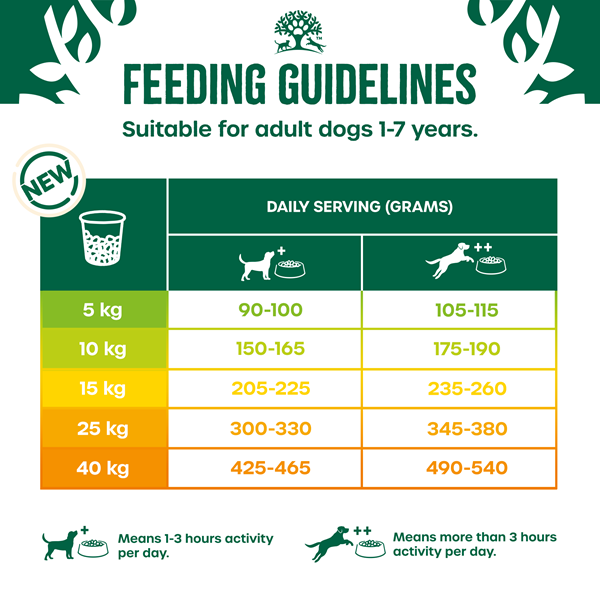
Adult dogs need different amounts of food than puppies. Adjust portion sizes based on your dog’s weight and activity. Feed your dog two times a day instead of three. Keep water fresh and available at all times. Proper portions help maintain a healthy weight.
Special Considerations
Special considerations affect when to switch your dog to adult food. Each dog has unique needs based on health, life stage, and condition. These factors may change the ideal timing for diet changes. Careful attention helps keep your dog healthy and happy.
Puppies With Health Issues
Puppies with health problems need extra care. Some may require special diets longer than usual. Consult a vet before changing food. Their growth and recovery depend on proper nutrition. Switching too soon might harm their development.
Pregnant Or Nursing Dogs
Pregnant or nursing dogs need more calories and nutrients. Their bodies work hard to support puppies. Adult food might not meet these higher needs. Choose food made for pregnancy or lactation. This keeps mother and puppies strong and healthy.
Senior Dogs And Adult Food
Senior dogs have different nutritional needs than adults. Some may need senior-specific diets for joint health and digestion. Others can eat adult food if healthy and active. Watch for weight changes and energy levels. Adjust food type as your dog ages.
Frequently Asked Questions
When Is The Right Age To Switch To Adult Dog Food?
Most dogs should start adult food between 12 to 18 months. Small breeds may switch earlier, while large breeds might need more time. Consult your vet for specific breed recommendations to ensure healthy growth.
Why Not Feed Puppies Adult Dog Food Too Early?
Adult food lacks the essential nutrients puppies need for growth. Feeding too early can lead to nutritional deficiencies and health issues. Puppy food supports bone development and energy needs during their rapid growth phase.
How To Transition My Dog To Adult Food Smoothly?
Gradually mix adult food with puppy food over 7 to 10 days. Increase adult food portion while decreasing puppy food slowly. This helps avoid digestive upset and allows your dog to adjust comfortably.
Can Feeding Adult Food Too Late Cause Problems?
Yes, delaying adult food can cause excess calorie intake and obesity. Puppies require nutrient-rich diets for proper growth, so switching on time supports optimal health and weight management.
Conclusion
Choosing the right time to switch your dog to adult food matters. Most dogs change around one year old, but breed size can affect this. Large breeds may need adult food later than small breeds. Watch your dog’s growth and energy to guide you.
Always check with your vet for the best advice. Feeding adult food too early or late can cause health issues. Keep your dog healthy by making the switch at the right time. Careful feeding helps your dog live a happy life.


