
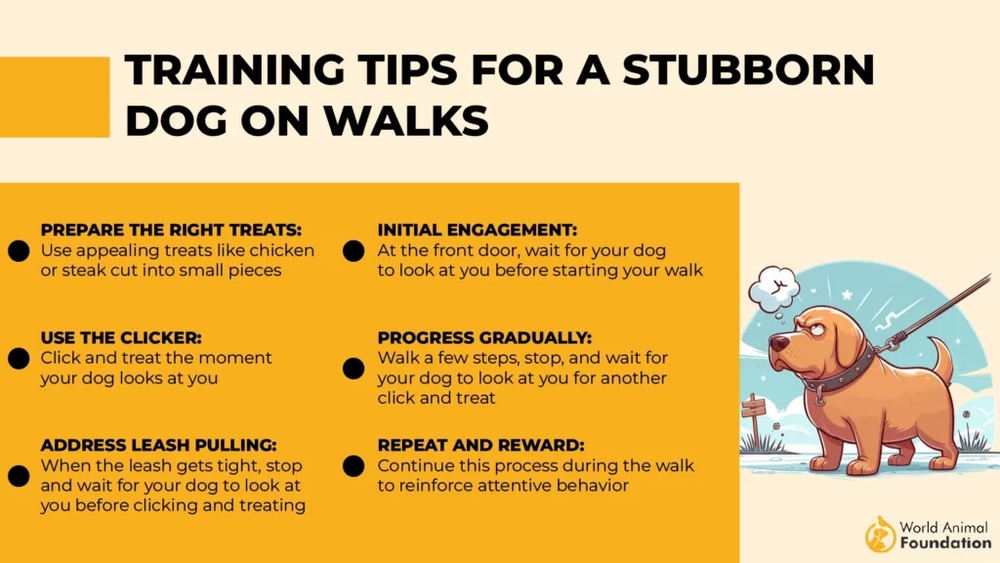
Training a stubborn dog can feel like an uphill battle. You’ve tried commands, treats, and even patience, but your furry friend just doesn’t seem to listen.
It’s frustrating, isn’t it? But what if you could turn that stubbornness into your dog’s greatest strength? You’ll discover simple, effective techniques that work with your dog’s unique personality. By the end, you’ll have the tools to build a stronger bond and finally enjoy a well-behaved companion.
Ready to change the way you train forever? Let’s dive in.
Recognizing Stubborn Behavior
Recognizing stubborn behavior in dogs is the first step to effective training. It helps owners understand their dog’s actions better. This awareness creates patience and guides training efforts.
Common Signs Of Stubbornness
Stubborn dogs often ignore commands or repeat unwanted actions. They may refuse to come when called. Some dogs resist walking on a leash or following basic rules. They often show a strong will by avoiding eye contact. Stubborn dogs might also seem uninterested in treats or praise.
Root Causes Of Resistance
Stubbornness can stem from fear or lack of trust. Some dogs feel unsure about new commands or environments. Others have learned to ignore commands over time. Health issues might also cause resistance. Understanding these causes helps tailor the training approach.
Setting Clear Training Goals
Setting clear training goals helps you and your dog stay focused. It makes the training process easier and more effective. Clear goals give direction and measure progress. They help avoid frustration for both you and your dog.
Choosing Realistic Expectations
Start with small, achievable goals. Stubborn dogs need patience and time. Expecting too much too soon can cause setbacks. Break down complex behaviors into simple steps. Celebrate small wins to keep motivation high. Adjust goals based on your dog’s progress. Realistic expectations create a positive training environment.
Prioritizing Key Commands
Focus on commands that improve safety and daily life. Commands like “sit,” “stay,” and “come” are essential. Teach one command at a time for better understanding. Consistent practice helps your dog learn faster. Prioritize commands that prevent dangerous situations. Clear priorities make training efficient and meaningful.
Building Trust And Bond
Building trust and a strong bond with a stubborn dog is the first step in training. Dogs respond better when they feel safe and understood. Trust creates a calm and positive environment. This makes learning easier for your dog. A strong bond helps your dog listen and follow commands more willingly.
Positive Reinforcement Techniques
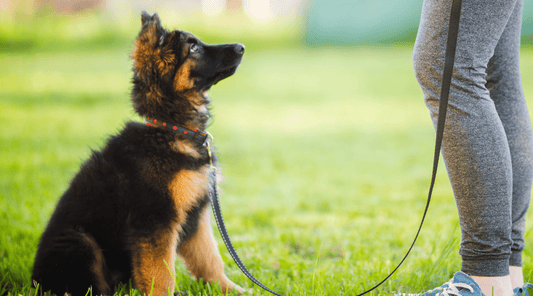
Positive reinforcement means rewarding good behavior. Use treats, praise, or toys to show your dog they did well. This encourages them to repeat the action. Avoid punishment, which can make stubborn dogs more resistant. Timing is key. Reward your dog immediately after they obey. This helps them connect the reward with the right behavior.
Consistency In Interaction
Consistency builds trust and clear communication. Use the same commands and signals every time. Keep training sessions short but regular. This helps your dog remember and learn faster. Be patient and calm. Mixed signals confuse dogs and slow progress. Consistent interaction shows your dog what to expect and how to behave.
Credit: k9connoisseur.com
Effective Training Methods
Training a stubborn dog needs patience and smart techniques. Using the right methods helps your dog learn faster. It also builds a strong bond between you and your pet. Below are some effective training methods that work well with stubborn dogs.
Using Clicker Training
Clicker training uses a small device that makes a clicking sound. The sound marks the exact moment your dog does something right. This helps the dog understand what behavior you want. It makes learning clear and fast. Reward your dog with treats after the click. This method is gentle and encourages good behavior.
Incorporating Short Sessions
Short training sessions keep your dog focused and happy. Long sessions can make stubborn dogs bored or tired. Aim for 5 to 10 minutes at a time. Repeat these sessions several times a day. This keeps your dog’s attention strong. It also helps your dog learn little by little.
Avoiding Punishment
Punishing a stubborn dog can make training worse. It may cause fear or confusion. Instead, reward good behavior with treats and praise. Use gentle guidance to correct mistakes. Positive methods build trust and confidence. Your dog will want to learn and please you.
Managing Distractions
Training a stubborn dog requires patience, especially when distractions are everywhere. Dogs can lose focus quickly if the environment is noisy or full of activity. Managing distractions helps your dog concentrate on you and the training tasks. This section explains how to control distractions effectively.
Creating A Focused Environment
Start training in a quiet room with few distractions. Turn off the TV and close the doors. Keep toys and food out of sight. A calm space helps your dog listen better. Use soft tones and clear commands. This setting builds your dog’s attention slowly.
Gradual Exposure To Stimuli
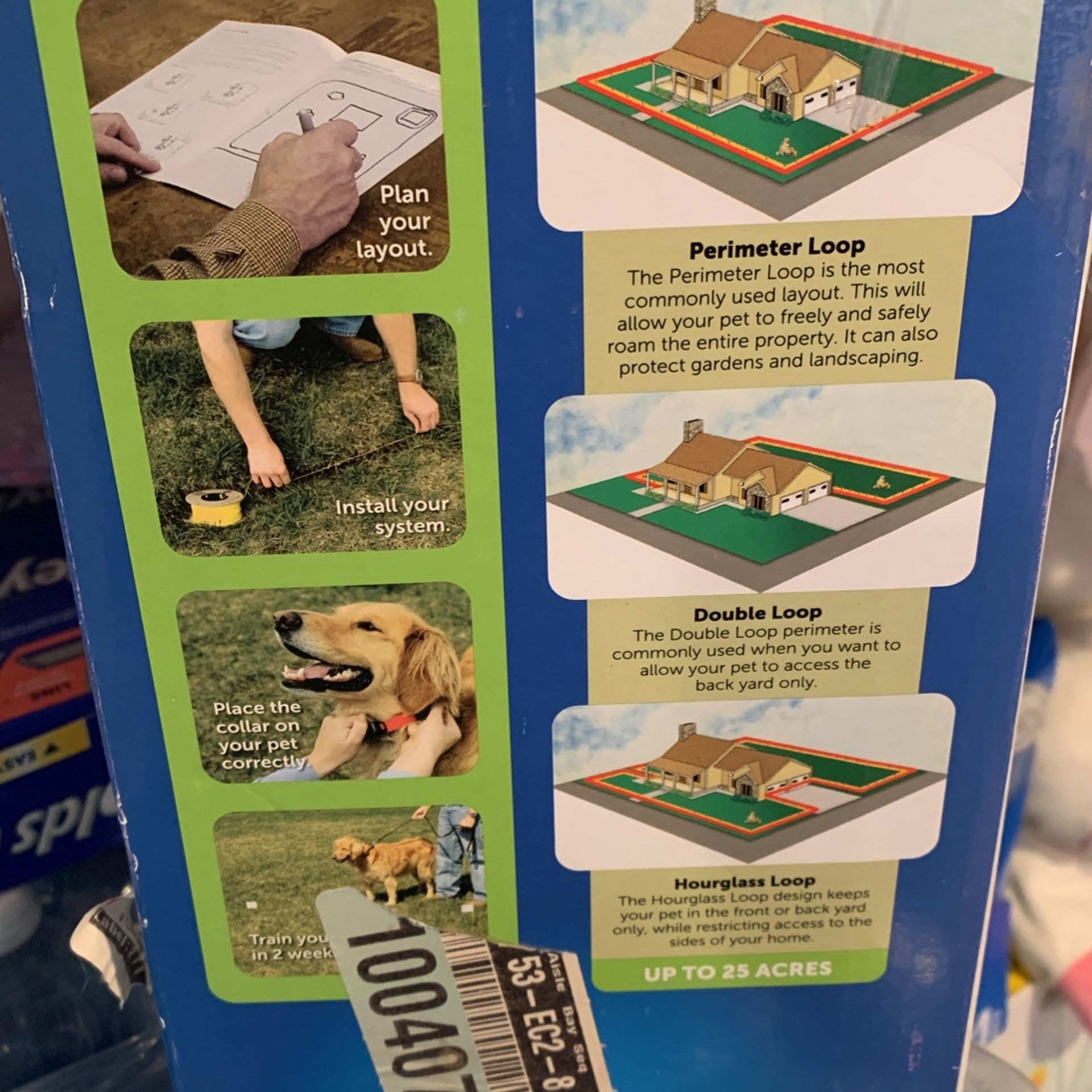
Introduce distractions little by little. Begin with mild noises like a ticking clock. Reward your dog for staying focused. Increase distractions over time, like moving to a busier room. Practice outside where sounds and smells are stronger. Patience is key in this step. Your dog learns to stay calm amid chaos.
Credit: i2physio.com
Boosting Motivation
Training a stubborn dog can be tough without strong motivation. Dogs need a reason to listen and follow commands. Boosting their motivation helps them stay focused and eager to learn. Motivation turns training into a fun and rewarding experience. It reduces frustration for both you and your dog.
Using High-value Rewards
High-value rewards catch your dog’s attention better than regular treats. Use tasty snacks your dog loves but rarely gets. Small pieces of cheese, chicken, or special dog treats work well. Offer these rewards immediately after your dog follows a command. This creates a clear link between good behavior and reward.
Change treats often to keep your dog interested. Use praise and petting along with food rewards. This helps your dog feel happy and appreciated. Avoid overfeeding by using tiny treat pieces during training sessions.
Incorporating Play And Exercise
Play and exercise boost your dog’s energy and mood. A tired dog is more willing to focus on training. Use games like fetch or tug-of-war to make training fun. Short play sessions before training can help your dog relax and pay attention.
Exercise also reduces stress and boredom, common reasons for stubbornness. Mix training with play to keep your dog engaged. This balance makes learning easier and enjoyable for both of you.
Handling Setbacks
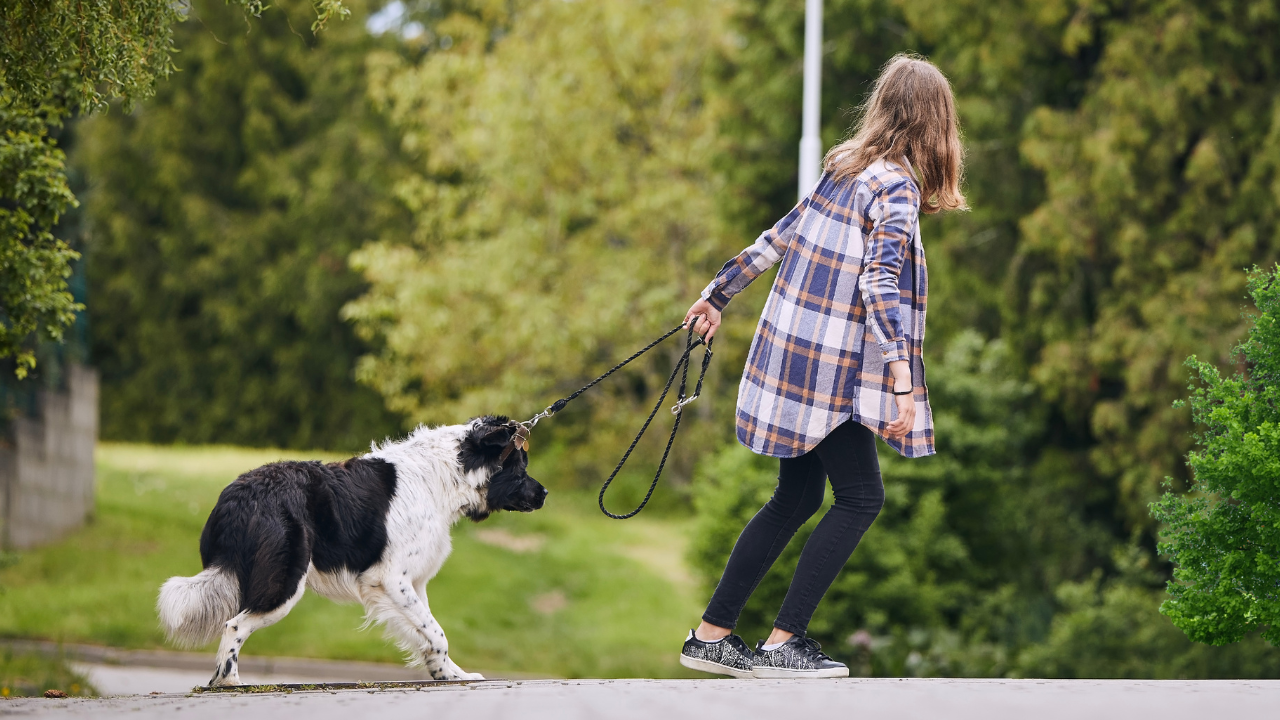
Training a stubborn dog is not always smooth. Setbacks can happen and cause frustration. How you handle these moments affects your dog’s progress. Staying calm and patient helps build trust. Changing your approach can make a big difference. Understanding setbacks as part of the process keeps training positive and effective.
Staying Patient And Calm
Dogs sense your emotions. Getting angry or upset can confuse your dog. Take deep breaths and speak softly. Wait for your dog to calm down before trying again. Patience shows your dog you care. It helps your dog feel safe and willing to learn. Small steps forward are still progress.
Adjusting Techniques As Needed
Every dog learns differently. If one method does not work, try another. Use different rewards like treats, praise, or play. Change the training environment to reduce distractions. Break tasks into smaller, easier steps. Watch how your dog responds and adapt quickly. Flexibility helps find what works best for your dog.
Credit: paradepets.com
Maintaining Long-term Success
Training a stubborn dog takes time and patience. Success does not end after a few sessions. Maintaining long-term success means keeping good habits and staying consistent. It helps your dog remember what you taught. It also builds a strong bond between you and your pet.
Regular Practice And Reinforcement
Practice makes perfect. Keep training sessions short and fun. Use rewards like treats or praise to encourage good behavior. Repeat commands often to help your dog learn. Consistency is key. Avoid skipping training days. Regular practice helps your dog stay focused and obedient.
Adapting To Changes Over Time
Dogs grow and change, so should training methods. Adjust commands and rewards based on your dog’s age and mood. Watch for signs of boredom or frustration. Change activities to keep your dog interested. Stay flexible and patient. This helps training stay effective as your dog matures.
Frequently Asked Questions
How Do I Motivate A Stubborn Dog To Learn Commands?
Use high-value treats and positive reinforcement consistently. Keep training sessions short and fun to maintain their interest. Patience and repetition are key to motivating a stubborn dog effectively.
Why Is My Dog Ignoring My Training Commands?
Your dog may be distracted, bored, or confused by inconsistent commands. Ensure clear, consistent cues and minimize distractions during training. Building trust and patience improves response to commands.
Can Stubborn Dogs Be Trained Without Harsh Methods?
Yes, stubborn dogs respond better to gentle, reward-based training. Avoid punishment, as it can increase resistance and fear. Positive reinforcement builds trust and encourages learning.
How Long Does It Take To Train A Stubborn Dog?
Training duration varies by dog and consistency. Typically, progress appears within weeks of daily sessions. Patience and regular practice are essential for lasting results.
Conclusion
Training a stubborn dog takes patience and clear steps. Stay calm and consistent every day. Reward good behavior with treats and praise. Avoid punishment; it can create fear or confusion. Small training sessions work better than long ones. Remember, every dog learns at their own pace.
Keep trying, and enjoy the progress you make together. Trust builds a strong bond and better behavior. Training can be a fun journey for both of you. Stay positive, and your dog will respond well.

