
If you want to train a comfort dog, you’re about to discover a rewarding process that can change lives—starting with your own. Comfort dogs offer more than just companionship; they provide emotional support during tough times, helping people feel safe and calm.
But how do you teach a dog to be that steady, soothing presence? You’ll learn simple, effective steps to train your dog to offer comfort and support when it matters most. Keep reading, and you’ll find out how to turn your furry friend into a true source of comfort for anyone who needs it.
Choosing The Right Dog
Choosing the right dog is the first step in training a comfort dog. The dog’s breed, personality, and health all affect its ability to provide emotional support. Picking a dog that fits well with the tasks and environment is important for success. This section explores key points to consider when selecting your comfort dog.
Ideal Breeds For Comfort Dogs
Certain breeds are known for their gentle nature and calm demeanor. Labrador Retrievers, Golden Retrievers, and Poodles are common choices. These breeds tend to be friendly, patient, and easy to train. Smaller breeds like Cavalier King Charles Spaniels and French Bulldogs can also be good for comfort work. The right breed depends on your lifestyle and the dog’s role.
Temperament Traits To Look For
Look for dogs that stay calm in different settings. They should be friendly with strangers and other animals. A comfort dog must be patient and not easily startled. Loyalty and a strong bond with their handler are important. Choose dogs that enjoy close contact and respond well to training.
Health Considerations
Good health is crucial for a comfort dog to perform well. Check for clear eyes, clean ears, and healthy skin. Avoid dogs with chronic illnesses or genetic problems. Regular vet check-ups ensure the dog stays fit. A healthy dog can handle stress and long hours of work better.
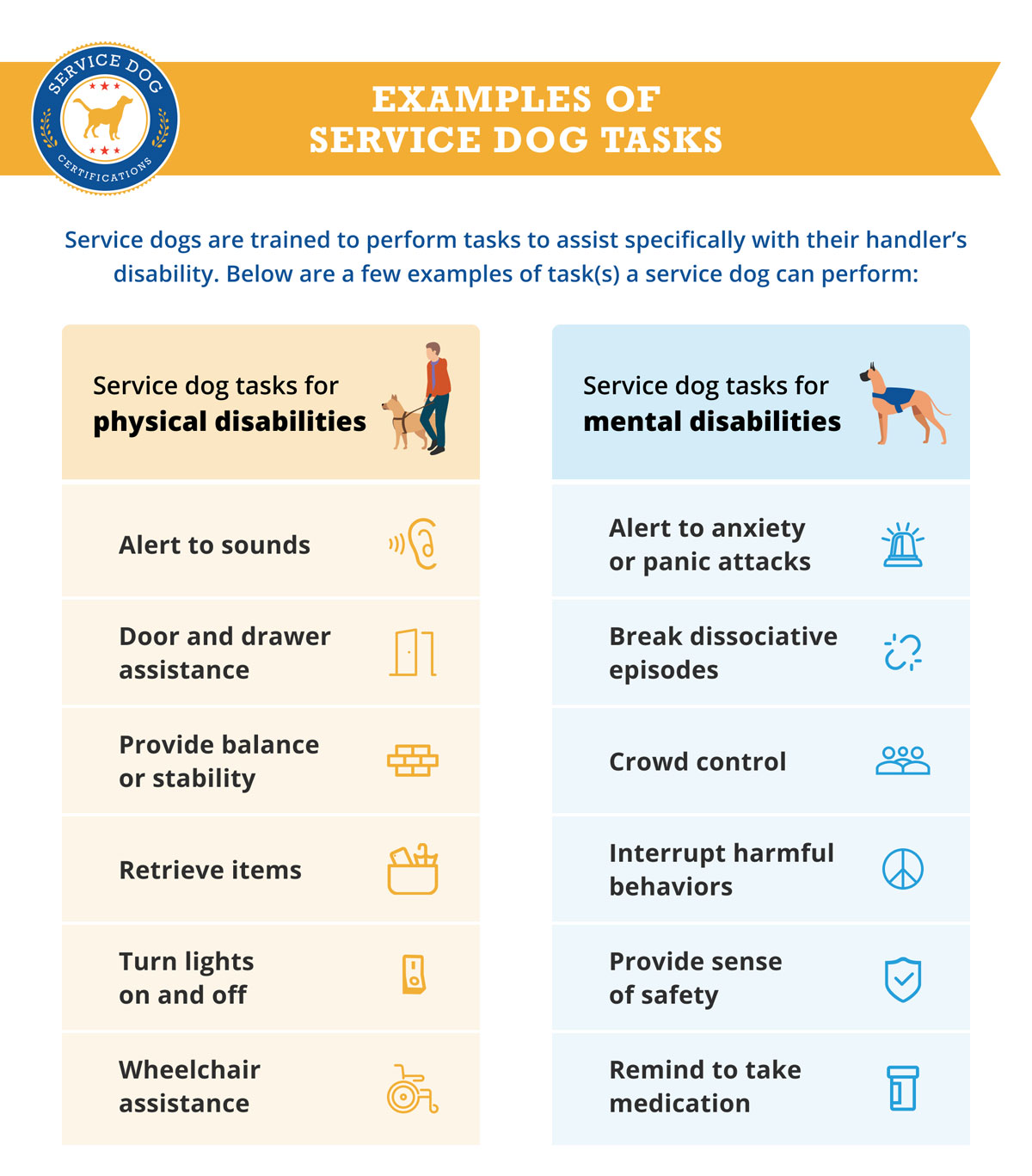
Credit: www.servicedogcertifications.org
Basic Obedience Training
Basic obedience training is the foundation for every comfort dog. It helps the dog learn how to behave in different situations. This training builds trust between the dog and its handler. It also ensures the dog responds well to commands. Starting with simple commands makes training easier for both the dog and the trainer. The goal is a calm, well-mannered dog that offers comfort when needed.
Essential Commands To Teach
Start with basic commands like sit, stay, and come. These commands keep the dog under control. Teaching “heel” helps the dog walk nicely by your side. “Down” is useful for calming the dog in busy places. The command “leave it” prevents the dog from picking up harmful objects. Each command prepares the dog for real-life comfort situations.
Positive Reinforcement Techniques
Use treats and praise to reward good behavior. Positive reinforcement makes the dog want to obey. Give rewards immediately after the dog follows a command. This helps the dog connect the command with the reward. Avoid punishment, as it can cause fear and confusion. Keep training sessions short and fun to keep the dog interested.
Consistency And Patience
Train the dog every day at the same time. Consistency helps the dog learn faster. Use the same words and gestures for each command. Be patient, as learning takes time for every dog. Repeat commands calmly if the dog does not respond. Celebrate small progress to encourage the dog’s confidence.
Socialization Skills
Socialization skills are vital when training a comfort dog. These skills help the dog stay calm and friendly in many situations. A well-socialized comfort dog can support people better. It can handle new places, meet different people, and stay calm during stress. Training focuses on these key areas to build strong social skills.
Introducing New Environments
Expose the dog to many places early on. Parks, busy streets, quiet homes, and stores are good examples. Let the dog explore slowly and safely. New sights, sounds, and smells teach the dog to adapt. This reduces fear and builds confidence. Each new environment is a chance to learn.
Interacting With People And Animals
Teach the dog to meet various people calmly. Different ages, sizes, and appearances help the dog stay friendly. Meeting other animals is important too. Controlled play and gentle greetings work well. These experiences help the dog feel safe and relaxed around others.
Handling Stressful Situations
Train the dog to stay calm during loud noises or crowds. Practice with sounds like sirens or fireworks. Use calm commands and gentle touch to soothe the dog. Gradual exposure lowers anxiety. The dog learns to focus and comfort others despite stress.

Credit: dailyiowan.com
Specialized Comfort Training
Specialized comfort training is key to preparing a dog for emotional support roles. It focuses on teaching dogs to respond calmly to people’s feelings. This training helps dogs become sensitive to stress and anxiety in humans. The process strengthens the dog’s natural ability to offer comfort.
Recognizing Emotional Cues
Comfort dogs learn to notice changes in human behavior. They watch for signs like crying, shaking, or tense body language. Training helps dogs understand these signals mean someone needs help. Dogs respond by staying close or offering gentle touch. This skill makes them reliable companions during tough times.
Calming Behaviors To Encourage
Dogs are taught to use soft actions to soothe people. This includes leaning on a person or resting their head in their lap. Trainers encourage quiet, slow movements that reduce stress. Comfort dogs also learn to avoid jumping or barking. Calm behavior helps create a peaceful environment for those in need.
Building Trust And Bonding
Strong bonds between dog and owner are vital for comfort work. Training includes activities that build trust and teamwork. Spending time together, playing, and gentle petting deepen this connection. Trust allows the dog to sense when comfort is needed quickly. A close bond makes the dog more effective in providing support.
Advanced Training Tips
Advanced training for comfort dogs builds on basic skills. It helps dogs provide better emotional support in real life. This training focuses on scent, touch, and public behavior. These skills make comfort dogs more effective and reliable.
Using Scent And Touch Therapy
Scent therapy uses smells to calm or alert the dog. Trainers teach dogs to recognize specific scents linked to stress. Dogs learn to nudge or paw their owner gently. This touch helps reduce anxiety and brings comfort.
Touch therapy involves training the dog to use soft, soothing touches. Dogs may rest their head or paw on a person’s lap. This contact lowers heart rate and helps people feel safe.
Training For Public Settings
Comfort dogs must behave well around many people. Trainers practice in busy places like parks or stores. Dogs learn to stay calm and focused despite distractions. They must ignore noises, crowds, and strange animals.
Commands like “stay,” “heel,” and “quiet” are essential. Dogs also learn to approach people gently and calmly. This ensures they provide support without causing trouble.
Maintaining Focus And Calm
Long training sessions teach dogs to remain calm for hours. Trainers use short breaks and rewards to keep dogs engaged. Dogs learn to relax even during stressful situations.
Techniques include breathing exercises for dogs and owners. Calm energy from the trainer helps the dog stay steady. This focus is key for comfort dogs in tough moments.
Maintaining Training Over Time
Training a comfort dog does not stop after the initial lessons. Maintaining training over time is key to keeping your dog reliable and calm. Consistency helps your dog remember commands and behaviors. It also strengthens the bond between you and your dog.
Regular Practice Sessions
Short, daily practice sessions keep skills fresh. Practice in different places to build confidence. Use simple commands often to remind your dog what you expect. Keep sessions fun and positive to hold your dog’s interest. Practice helps your dog stay focused and ready.
Adapting To Changing Needs
Your comfort dog’s needs may change over time. Adjust training to fit new situations or challenges. Add new commands if your lifestyle changes. Watch your dog’s behavior and adjust training to help manage stress. Flexibility in training keeps your dog helpful and happy.
Rewarding Progress
Celebrate small wins with treats or praise. Rewards motivate your dog to keep learning. Use rewards immediately after good behavior. This helps your dog connect the action with the reward. Positive reinforcement makes training a joyful experience for your dog.

Credit: hopeservicedogs.org
Frequently Asked Questions
What Basic Skills Should A Comfort Dog Learn?
A comfort dog must learn basic obedience like sit, stay, and come. These commands ensure good behavior and safety. Socialization with people and other animals is also crucial to build trust and calmness in stressful situations.
How Long Does Comfort Dog Training Usually Take?
Training a comfort dog typically takes 6 to 12 months. Consistent daily practice and positive reinforcement speed up progress. The exact time depends on the dog’s breed, age, and temperament.
Can Any Dog Become A Comfort Dog?
Most dogs can be trained as comfort dogs if they have a calm and friendly temperament. Breeds known for companionship, like Labradors or Golden Retrievers, often excel. Early socialization and training are key to success.
What Techniques Are Best For Training Comfort Dogs?
Positive reinforcement techniques, like treats and praise, work best for comfort dogs. This encourages desired behavior without fear. Consistency and patience during training sessions are essential for effective learning.
Conclusion
Training a comfort dog takes time, patience, and kindness. Start with basic commands and gentle socialization. Consistency helps the dog learn and feel safe. Positive rewards encourage good behavior every day. Remember, comfort dogs provide calm and support to people.
Your effort will build a strong bond with your dog. Keep practicing regularly for the best results. A well-trained comfort dog makes life better for many. Trust the process and enjoy the journey together.

