

Training your dog to lay down might seem tricky, but it’s easier than you think. Imagine having a calm, obedient dog that listens to you every time.
You can make this a reality with simple steps anyone can follow. Whether you’re a new dog owner or just want better control, this guide will help you teach your dog to lay down quickly and confidently. Ready to see your dog respond perfectly every time?
Let’s get started!
Preparing For Training
Preparing your dog for training sets the stage for success. It helps your dog focus and learn faster. Good preparation makes the training time smooth and fun. Start by creating a calm place with few distractions. Gather all tools you need before you begin. Have a clear idea of what you want to achieve. These steps make training more effective and enjoyable.
Choosing The Right Environment
Pick a quiet spot with little noise or movement. A calm space helps your dog pay attention. Avoid places with many people or loud sounds. Training inside your home or a fenced yard works well. Use the same place for each session. This builds a sense of routine and comfort.
Gathering Necessary Supplies
Have treats ready to reward good behavior. Use small, soft snacks your dog likes. Bring a leash to keep your dog close. A clicker can help mark the right moment. Prepare a comfortable mat or bed for your dog. Keep all supplies within easy reach.
Setting Realistic Expectations
Understand your dog learns at its own speed. Keep training sessions short, about 5 to 10 minutes. Expect small progress each time you train. Be patient and consistent with your commands. Celebrate small wins to keep your dog motivated. Avoid pushing your dog too hard or fast.
Credit: www.purina.com
Basic Commands Before Lay Down
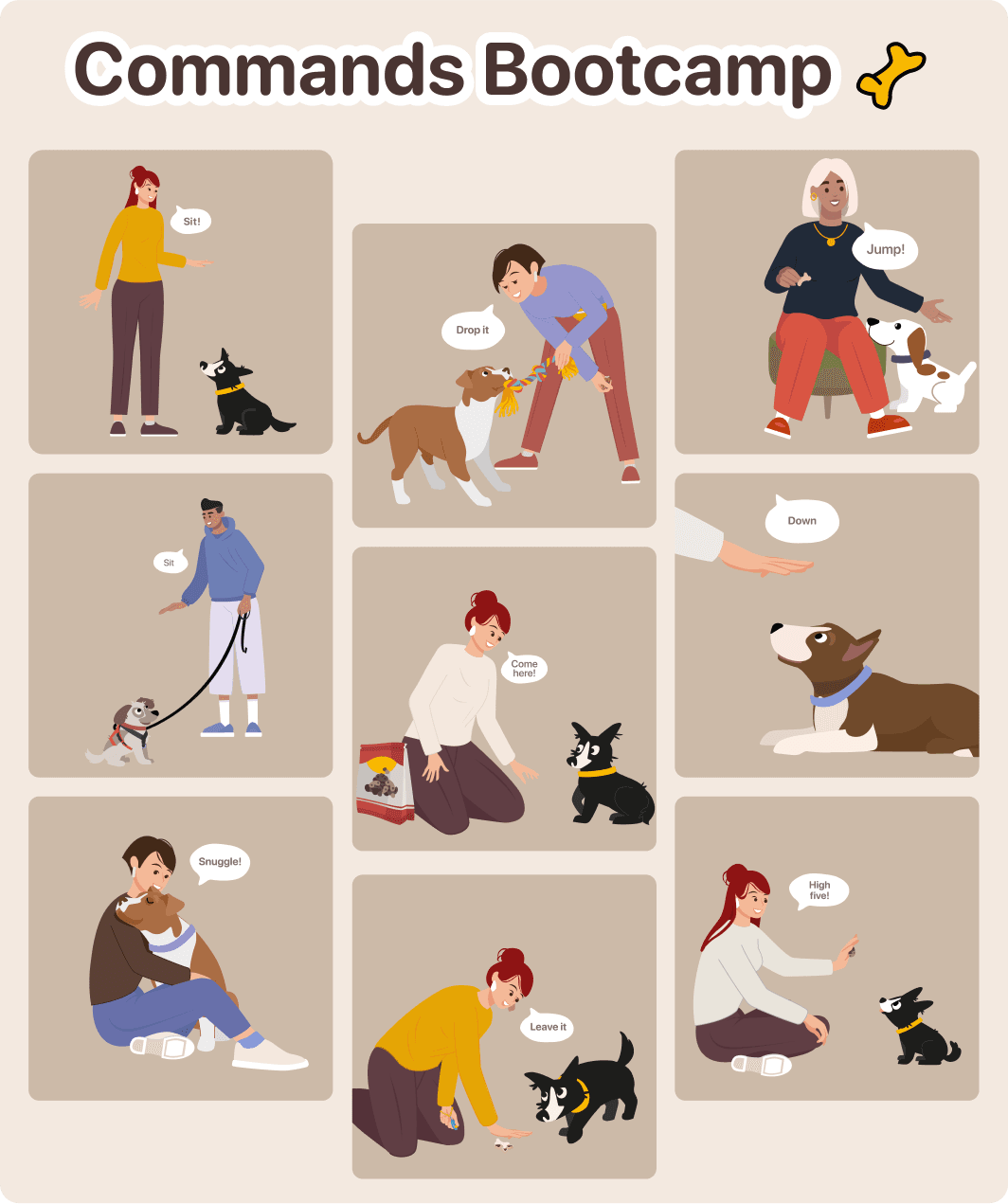
Teaching your dog to lay down starts with basic commands. These commands build a strong foundation. They help your dog understand what you want. Without these basics, training the lay down command becomes harder.
Simple commands like sit and focus prepare your dog. They make learning easier and faster. Your dog learns to listen and follow your instructions. This creates good habits for future training sessions.
Teaching Sit Command
The sit command is the first step. It teaches your dog to stop and pay attention. Start by holding a treat above your dog’s nose. Slowly move the treat back over their head. This motion makes them sit naturally.
Say “sit” clearly when your dog’s bottom touches the ground. Give the treat and praise right away. Repeat this step several times daily. Keep sessions short to avoid boredom. Soon, your dog will sit on your command alone.
Building Focus And Attention
Focus is key to any training. Your dog must watch you closely. Start in a quiet place without distractions. Hold a treat near your face. Say your dog’s name and wait for eye contact.
When your dog looks at you, reward immediately. Practice this often to increase attention span. Add small distractions slowly. This helps your dog stay focused in any situation. Good focus speeds up learning the lay down command.
Step-by-step Lay Down Training
Teaching your dog to lay down is an important skill. It helps with control and calm behavior. This step-by-step guide breaks down the process. Follow each step to make training easy and clear for your dog.
Using Treats As Motivation
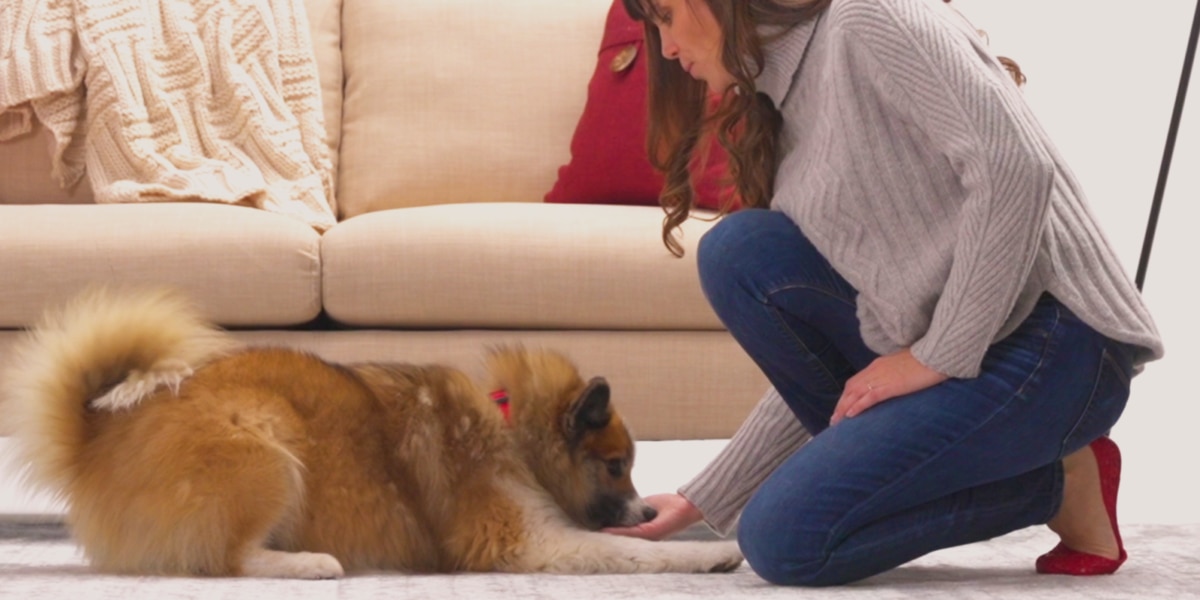
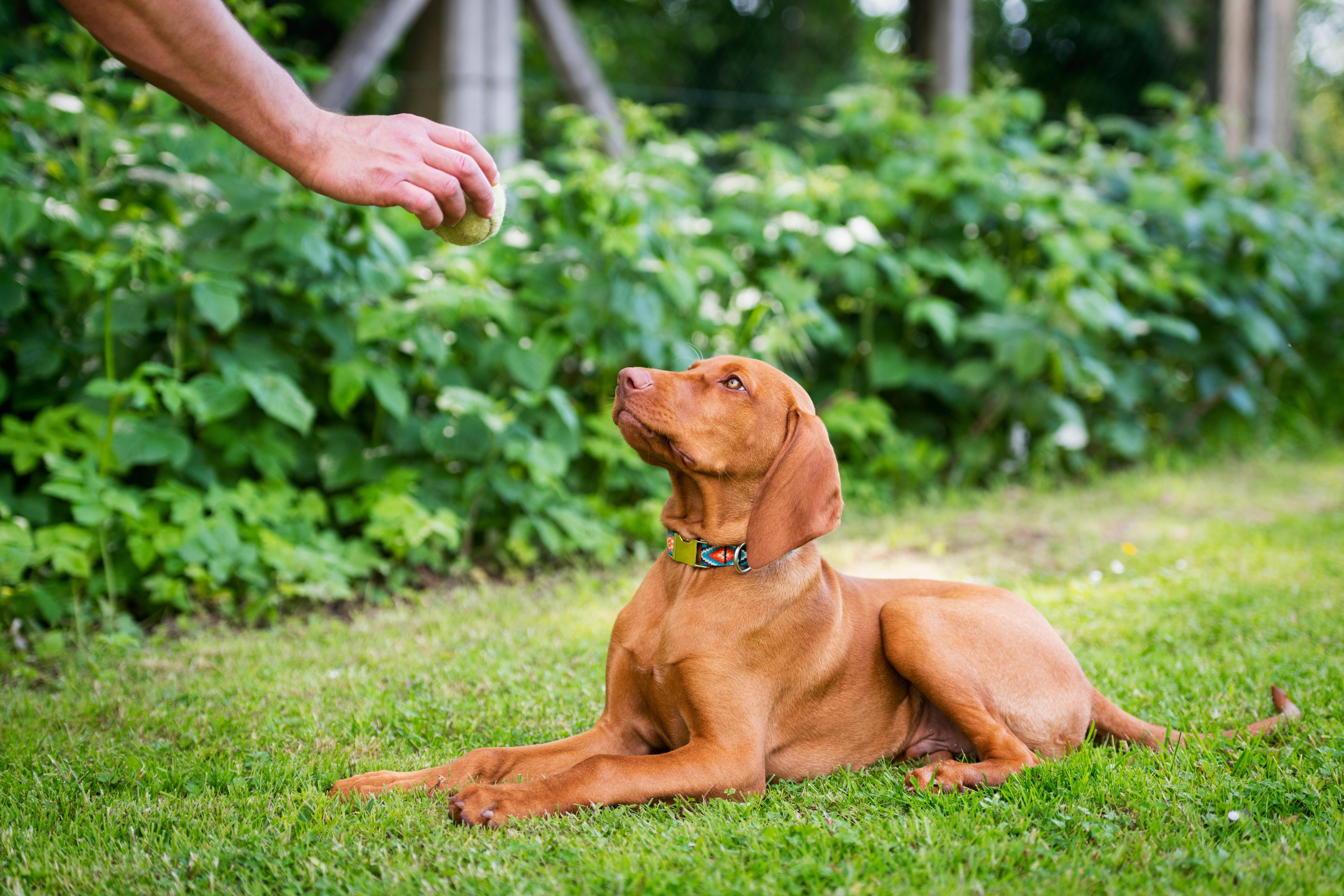
Start by choosing small, tasty treats your dog loves. Hold a treat close to your dog’s nose. Let your dog smell it but not eat it yet. This grabs your dog’s attention and interest.
Guiding Your Dog To Lay Down
Slowly move the treat down from your dog’s nose to the floor. Keep the treat close to your dog’s body. Your dog will follow the treat and naturally lay down. Praise your dog softly as soon as it lays down.
Adding The Verbal Cue
Once your dog lays down with the treat, say the word “lay down.” Repeat this every time before guiding your dog. Your dog will start to connect the word with the action. Use a calm and clear voice.
Incorporating Hand Signals
Choose a simple hand gesture, like an open palm moving downward. Show this signal while saying “lay down.” Practice both together so your dog learns the command and signal. Soon, your dog will respond to the hand sign alone.
Credit: www.diggs.pet
Reinforcing The Behavior
Reinforcing the behavior of laying down is key to successful dog training. This step helps your dog understand what you expect. It also builds good habits that last. Positive reinforcement makes your dog eager to learn and obey.
Consistent Practice Sessions
Practice laying down regularly. Short sessions work best. Try to train your dog daily for five to ten minutes. Keep the environment calm and free from distractions. Consistency helps your dog remember the command. It also builds a strong habit over time.
Rewarding Success
Always reward your dog right after it lays down. Use treats, praise, or petting. Rewards show your dog that it did well. This encourages your dog to repeat the behavior. Use high-value treats for better results. Be sure to reward every successful attempt at first.
Avoiding Common Mistakes
Do not rush the training. Avoid punishing your dog for mistakes. This can cause fear and confusion. Do not give the command too many times in a row without success. Be patient and clear. Avoid inconsistent commands or signals. Clear communication helps your dog learn faster.
Advanced Tips For Faster Learning
Training your dog to lay down can go faster with some advanced tips. These methods help your dog learn better and stay focused. Training gets easier when you add new challenges and use smart techniques. Try these tips to speed up your dog’s learning process.
Training With Distractions
Practice laying down in different places. Add sounds, people, or toys around. This teaches your dog to obey despite distractions. Start with small distractions and increase them slowly. It helps your dog listen better in real life.
Short And Frequent Sessions
Keep training sessions brief, about 5 to 10 minutes. Train several times a day instead of one long session. Short sessions keep your dog’s attention high. Frequent practice helps your dog remember commands faster.
Using Clicker Training
Use a clicker to mark the exact moment your dog lays down. Click and give a treat right after the action. This clear signal helps your dog understand what you want. Clicker training speeds up learning by giving precise feedback.
Troubleshooting Common Issues
Training a dog to lay down can sometimes be challenging. Many dogs do not respond right away or show resistance. Troubleshooting these common issues helps improve your training sessions. Patience and small changes make a big difference. Understanding your dog’s needs leads to better results.
Dealing With Stubborn Dogs
Some dogs refuse to lay down no matter what you try. Stay calm and avoid forcing them. Use a treat to guide their movement slowly. Break the command into smaller steps. Reward small progress to encourage them. Consistency and short training sessions work best.
Handling Anxiety Or Fear
Fear can stop a dog from following commands. Create a quiet, safe space for training. Use a gentle voice and soft gestures. Let your dog take breaks if they seem stressed. Gradually increase training time as they become comfortable. Treats and praise help build positive feelings.
Adjusting Techniques For Puppies
Puppies have shorter attention spans and less control. Use very short training sessions, about five minutes. Be extra patient and use lots of praise. Teach the lay down command after basic commands like sit. Puppies learn best with fun and gentle methods.
Credit: www.woofz.com
Frequently Asked Questions
How Long Does It Take To Train A Dog To Lay Down?
Training a dog to lay down usually takes a few days to two weeks. Consistent, short sessions daily help dogs learn faster. Patience and positive reinforcement speed up the process and build trust.
What Is The Easiest Way To Teach A Dog To Lay Down?
The easiest way is using treats and clear commands. Start with your dog sitting, then slowly move a treat to the ground. Reward when the dog lies down. Repeat consistently for best results.
Can All Dog Breeds Learn To Lay Down?
Yes, all dog breeds can learn to lay down. Some breeds may learn faster due to temperament. Training methods remain similar, but patience and consistency are key for every dog.
How Do I Correct My Dog If It Won’t Lay Down?
Avoid punishment; stay calm and patient. Use high-value treats to motivate your dog. Break training into smaller steps and reward any progress. Consistent practice and positive reinforcement improve results.
Conclusion
Training a dog to lay down takes patience and practice. Keep sessions short and fun to hold your dog’s interest. Use clear commands and gentle rewards to encourage good behavior. Practice regularly to help your dog learn faster. Remember, every dog learns at its own pace.
Stay calm and positive throughout the training process. Soon, your dog will respond quickly and happily. Enjoy the time spent building trust and understanding. Training strengthens your bond and makes life easier together. Keep going, and celebrate each small success along the way.


