

If you want your dog to have the best place to run, play, and relax, choosing the right grass is key. The wrong type can cause discomfort, allergies, or even injuries for your furry friend.
But how do you find the best grass for dogs to run on? You’ll discover which grasses are soft, durable, and safe—perfect for your dog’s paws and energy. Keep reading to create the perfect backyard where your dog can enjoy every joyful run without any worries.
Benefits Of Dog-friendly Grass
Choosing the right grass for dogs to run on offers many benefits. Dog-friendly grass supports your pet’s health and happiness. It creates a safe, comfortable space for play and exercise. The right grass also protects your yard from damage caused by active dogs. This helps keep your outdoor area looking good and lasting longer. Understanding these benefits can help you pick the best grass for your dog’s needs.
Comfort And Safety
Dog-friendly grass feels soft under paws. It reduces the risk of cuts or scratches. This grass stays cool even on hot days, protecting dogs from burns. It also provides good traction, preventing slips and falls during play. Safe grass means your dog can run freely without injuries.
Durability Against Wear
Active dogs can damage ordinary grass quickly. Dog-friendly grass resists heavy running and digging. It recovers fast from wear and tear. This type of grass keeps your lawn green and healthy longer. Durable grass saves time and money on repairs.
Allergy Considerations
Some grasses cause allergies in dogs. Dog-friendly grass reduces the chance of itching and sneezing. It lowers pollen production, which helps sensitive dogs. Choosing hypoallergenic grass improves your pet’s comfort. Healthy grass means fewer allergy problems for your dog.

Credit: nexgenlawns.com
Types Of Natural Grass For Dogs
Choosing the right grass for your dog’s play area is important. Natural grass types vary in durability, texture, and care needs. Some grasses handle heavy running well. Others stay green and soft longer. Understanding these differences helps keep your dog safe and happy.
Kentucky Bluegrass
Kentucky Bluegrass is soft and dense. It forms a thick carpet that feels good under paws. This grass recovers quickly from wear and tear. It prefers cooler climates and regular watering. Ideal for dogs that run a lot on the lawn.
Perennial Ryegrass
Perennial Ryegrass grows fast and is very tough. It tolerates heavy foot traffic and recovers quickly. This grass stays green in cooler temperatures. It has a fine texture that is gentle on paws. Perfect for active dogs and busy yards.
Tall Fescue
Tall Fescue is strong and deep-rooted. It handles heat and drought better than other grasses. This type resists damage from constant running and digging. Its coarse blades stand up well to rough play. Great for dogs that love to run in warm areas.
Synthetic Grass Options
Choosing the best grass for dogs to run on depends on many factors. Grass must be safe, durable, and comfortable for pets. Different types of grass suit different environments. Knowing what affects grass choice helps pick the right one for your yard.
Climate Compatibility
Grass grows best in climates that match its type. Warm-season grasses thrive in hot, dry areas. Cool-season grasses do well in cooler, wetter places. Picking grass that fits your local weather keeps it healthy and strong. Healthy grass handles dog activity better and lasts longer.
Soil Conditions
Soil type affects grass growth and durability. Sandy soil drains quickly but holds less nutrients. Clay soil holds water but may cause root problems. Loamy soil is ideal for most grass types. Test your soil to choose grass that grows well and stays green with dogs running on it.
Budget And Installation
Costs vary for grass types and installation methods. Natural grass needs soil preparation, seeds, or sod. Artificial grass costs more upfront but needs less care. Choose a grass type that fits your budget and time. Proper installation ensures grass stays safe and strong for dogs.
:max_bytes(150000):strip_icc()/best-grasses-for-dogs-5085279-hero-d2c93258a8b04f9da09c95873aac7d4a.JPG)
Credit: www.thespruce.com
Factors Affecting Grass Choice
Active dogs can wear down grass quickly. Their running, digging, and playing cause damage. Maintaining a healthy lawn needs regular care. You can keep your grass green and strong with simple steps. This helps your dog enjoy the yard safely.
Repairing Worn Spots
Check your lawn often for bare or thin patches. Use grass seed to fill these spots. Water the seeded areas daily until grass grows back. Avoid walking or running on new grass. This helps the grass recover faster and grow thick.
Preventing Urine Damage
Dog urine can burn grass and cause yellow spots. Water the area right after your dog urinates. This dilutes the urine and protects the grass roots. You can also train your dog to use one spot. This makes lawn care easier and keeps most grass healthy.
Regular Cleaning Tips
Pick up dog waste daily to stop lawn damage. Waste can kill grass and spread germs. Rake leaves and debris to let sunlight reach grass. Keep the lawn free of dirt and mud. Clean grass looks better and lasts longer for your dog to play.
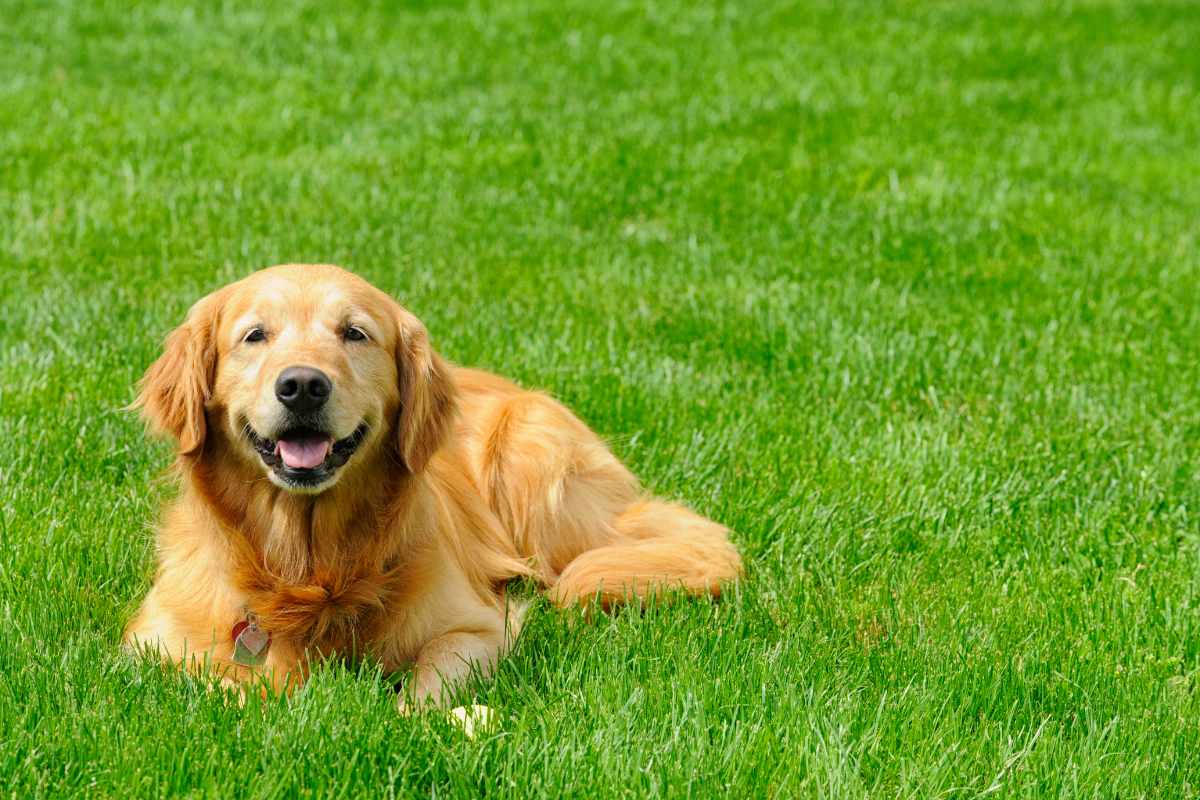
Credit: www.lawnstarter.com
Frequently Asked Questions
What Is The Best Grass Type For Dogs To Run On?
Kentucky Bluegrass and Bermuda Grass are ideal for dogs. They are durable, soft, and can withstand heavy running and play. These grasses resist wear and recover quickly, making them perfect for active dogs.
How Does Grass Affect My Dog’s Paw Health?
Soft, natural grass cushions paws and prevents injuries. Hard or rough surfaces can cause cuts or irritation. Choosing the right grass helps keep your dog’s paws healthy and comfortable during play.
Can Artificial Grass Be Safe For Dogs To Run On?
Yes, high-quality artificial grass is safe and low-maintenance. It provides a clean, mud-free surface but may get hot in direct sunlight. Look for pet-friendly options with good drainage and non-toxic materials.
How Often Should I Maintain Grass For Dogs’ Running Areas?
Regular mowing, watering, and aerating keep grass healthy and strong. Maintenance every 1-2 weeks prevents wear and tear from heavy dog activity. Healthy grass reduces mud and paw damage.
Conclusion
Choosing the best grass helps your dog play safely and happily. Soft, durable grass keeps paws comfortable and prevents injuries. Regular care makes the lawn last longer and stay green. Healthy grass means less dirt and mess in your home.
Pick grass that grows well in your area and suits your dog’s needs. This simple choice makes outdoor fun better for everyone. Enjoy watching your dog run freely on the perfect grass.


