

Have you ever caught your puppy sneaking a bite of adult dog food and wondered, “Is this bad for them?” You’re not alone. As a caring pet owner, you want to give your puppy the best nutrition to help them grow strong and healthy.
But when your curious little one munches on adult dog food, it can raise some important questions. You’ll discover what really happens when a puppy eats adult dog food, why it matters, and what you should do to keep your furry friend happy and thriving.
Keep reading—you’ll want to know this before your puppy takes another bite!
Nutritional Needs Of Puppies
Puppies have special nutritional needs that differ from adult dogs. Their bodies grow fast and need the right food to develop strong bones, muscles, and organs. Feeding a puppy properly helps it stay healthy and active as it grows.
Choosing the right diet supports brain development and boosts the immune system. Puppies require food made especially for their stage of life. This food gives them the energy and nutrients needed for growth and play.
Essential Nutrients For Growth
Puppies need more protein than adult dogs. Protein helps build muscles and repair tissues. Fat provides energy to keep puppies active and warm. Calcium and phosphorus support strong bones and teeth. Vitamins and minerals help the body work well and fight sickness. Balanced nutrients help puppies grow at the right pace.
Differences Between Puppy And Adult Food
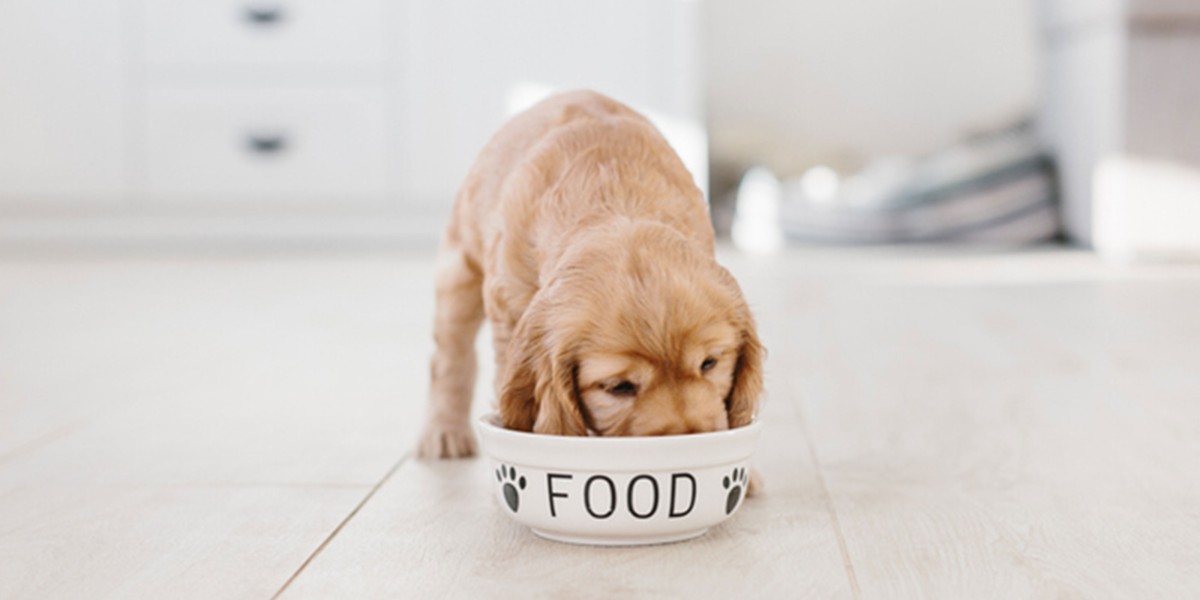
Puppy food has more calories than adult dog food. Puppies burn energy faster because they are more active. Puppy food contains extra protein and fat to meet these needs. Adult food has fewer calories and less fat since grown dogs move less. Puppy food also has nutrients that support brain and eye growth. Feeding adult food to puppies may cause nutritional gaps. This can slow growth or lead to health problems later.
Credit: www.purina.com
Potential Risks Of Adult Food For Puppies
Puppies have different needs than adult dogs. Their growing bodies require special care and nutrition. Feeding a puppy adult dog food can cause problems. Some risks may not show right away but can affect the puppy’s health over time.
Nutritional Deficiencies
Adult dog food lacks certain nutrients puppies need. Puppies need more protein, fats, and calories. Adult food may not support proper growth and brain development. This can lead to weak muscles and poor bone health. Missing key vitamins and minerals can harm the puppy’s immune system.
Digestive Issues
Puppies have sensitive stomachs. Adult dog food is harder to digest for them. This can cause diarrhea, vomiting, or stomach pain. Their digestive system may struggle with the adult food ingredients. Feeding the wrong food often can upset their stomach regularly.
Long-term Health Concerns
Feeding adult food to puppies can cause health problems later. Poor nutrition can lead to joint problems and obesity. It may affect the puppy’s energy and growth rate. Over time, these issues can reduce quality of life. Proper puppy food supports strong bones and a healthy weight.
When Puppies Accidentally Eat Adult Food
Puppies are curious and often explore the world with their mouths. Sometimes, they eat adult dog food by accident. This can happen during mealtime or if food is left within their reach. It’s important to understand what happens next and what signs to watch for.
Adult dog food has different nutrients than puppy food. Puppies need more protein, fat, and calories to grow strong. Eating adult food once might not cause serious problems. Still, it can upset their sensitive stomachs.
Immediate Effects To Watch For
After a puppy eats adult dog food, watch for vomiting or diarrhea. These are common signs of stomach upset. The puppy may also seem tired or less interested in playing. Loss of appetite can happen too. Keep an eye on their behavior for several hours.
Sometimes, a puppy may have mild gas or bloating. This can cause discomfort but usually clears up quickly. If these symptoms are mild, offer fresh water and rest. Avoid feeding more adult food.
When To Consult A Veterinarian
Call a veterinarian if vomiting or diarrhea lasts more than 24 hours. Also, seek help if the puppy shows signs of pain or severe weakness. Difficulty breathing or swelling is an emergency. Loss of coordination or seizures need immediate care.
A vet can check for dehydration or other problems. They may recommend special food or medication. Early treatment helps puppies recover faster and stay healthy.
Credit: blog.justfoodfordogs.com
Safe Feeding Practices For Puppies
Puppies need special care in their diet. Feeding them correctly helps them grow strong and healthy. Safe feeding practices focus on giving puppies the right nutrients. This ensures good development and avoids health problems.
Choosing the right food and changing it at the right time are key steps. These steps protect the puppy’s digestive system and support their energy needs.
Choosing The Right Puppy Food
Puppy food has more calories and nutrients than adult dog food. It supports their fast growth and active lifestyle. Look for food labeled for puppies or all life stages. These foods have the right balance of protein, fat, and vitamins. Avoid giving puppies adult dog food often. It lacks some nutrients puppies need to grow well.
Transitioning To Adult Food
Switching from puppy food to adult food should happen gradually. Start the transition when the puppy is about one year old. Mix small amounts of adult food with puppy food. Increase the adult food over 7 to 10 days. This helps the puppy’s stomach adjust without upset. Watch for any signs of digestion problems during this time. A slow change prevents stress on their body and keeps them healthy.
Common Myths About Puppy And Adult Food
Many pet owners hear mixed advice about feeding puppies and adult dogs. Myths spread easily about the right food for growing pups. Understanding facts helps avoid confusion and keep puppies healthy. Let’s clear up some common myths about puppy and adult food.
Adult Food Is Fine Occasionally
Some believe adult dog food can replace puppy food anytime. Feeding adult food once or twice is usually safe. It lacks extra nutrients puppies need but won’t cause harm in small amounts. Long-term feeding of adult food to puppies can slow growth. Puppies need special nutrients to build strong bones and muscles. Use adult food only for short periods if no puppy food is available.
Puppy Food Is Too Rich
Many think puppy food is too rich and heavy for pups. Puppy food has more calories and nutrients for growth. It is designed to support developing bodies and brains. Feeding puppy food to adult dogs is not harmful but may cause weight gain. For puppies, richness means proper development and energy. Avoid this myth to ensure puppies get the nutrition they need.
Credit: www.chewy.com
Frequently Asked Questions
Can Puppies Eat Adult Dog Food Occasionally?
Puppies can eat adult dog food once in a while. However, it lacks essential nutrients for their growth. Regular feeding of adult food may cause nutritional imbalances and slow development. Always prioritize specially formulated puppy food for healthy growth.
What Happens If A Puppy Eats Only Adult Dog Food?
Feeding a puppy only adult dog food can lead to nutrient deficiencies. Puppy food contains higher protein and fat vital for growth. Adult food may not support their immune system or bone development. This can result in poor health and stunted growth.
Is Adult Dog Food Safe For Puppies To Digest?
Adult dog food is generally safe for puppies to digest. Yet, it may not meet their higher energy and nutrient needs. Puppies require food designed for their digestive and developmental stages. Consult your vet for the best diet plan.
How To Transition A Puppy From Adult Dog Food?
Gradually mix puppy food with adult dog food over 7-10 days. Increase puppy food amount daily while decreasing adult food. This helps puppies adjust without digestive upset. Always provide fresh water and monitor their health during transition.
Conclusion
Puppies need food made just for them to grow strong. Adult dog food lacks some nutrients puppies require. Feeding adult food once in a while is not harmful. Regularly feeding adult food can cause health problems. Always choose puppy food for balanced nutrition and energy.
Check with your vet to keep your puppy healthy. Good food helps puppies develop well and stay happy. Keep your puppy’s diet right for a healthy future.


