Training your dog can be a fun and rewarding experience, especially when you use the right tools. If you want a simple and effective way to teach your dog new behaviors, clicker training might be exactly what you need.
Imagine being able to communicate clearly with your furry friend and see quick results that make both of you happy. This method helps your dog understand exactly what you want, without confusion or frustration. Ready to discover how to train your dog with a clicker and build a stronger bond?
Keep reading, and you’ll learn easy steps to get started today.

Credit: njdog.com
Benefits Of Clicker Training
Clicker training offers many benefits for teaching dogs new behaviors. It uses a small sound to mark good actions clearly. This method helps dogs understand exactly what you want from them. Training becomes faster and more fun for both you and your dog.
Dogs learn better when they get clear signals. The clicker sound is consistent and easy to recognize. It creates a positive learning experience. Dogs feel happy and eager to try new tasks. This builds a strong bond between you and your pet.
Precise Communication
The clicker gives a quick, clear message to your dog. It marks the exact moment your dog does something right. This removes confusion during training sessions. Dogs understand what behavior earns rewards. It leads to faster learning and fewer mistakes.
Positive Reinforcement
Clicker training focuses on rewarding good behavior. It uses treats or praise after the click sound. This makes dogs want to repeat the behavior. Training stays gentle and encouraging. Dogs feel safe and motivated to learn.
Consistency In Training
The clicker sound always stays the same. This helps dogs know what to expect. Consistent signals reduce stress and frustration. Training sessions become more effective and smoother. It helps dogs learn new commands quickly.
Builds Stronger Bond
Clicker training creates positive moments with your dog. You and your dog work as a team. Dogs trust their owners more with this method. Training becomes a shared, enjoyable activity. This strengthens your relationship every day.

Credit: germanshepherdshop.com
Choosing The Right Clicker
Choosing the right clicker is the first step in effective dog training. Not all clickers work the same way. The sound, size, and ease of use affect your training success.
A good clicker makes a clear, consistent sound. This helps your dog understand which behavior earned the reward. The clicker should be comfortable to hold during long sessions.
Sound Quality
Pick a clicker with a sharp, distinct sound. The noise must be loud enough for your dog to hear from a distance. Avoid clickers with soft or muffled sounds.
Size And Shape
Choose a clicker that fits well in your hand. Small, lightweight clickers are easy to carry. Large clickers can be awkward and slow your timing.
Durability
Look for a clicker made of sturdy materials. It should withstand drops and daily use. A broken clicker interrupts your training routine.
Ease Of Use
Test how easy it is to press the clicker. It should require a simple, quick click. Avoid complicated buttons or mechanisms.
Getting Your Dog Familiar With The Clicker
Getting your dog familiar with the clicker is the first step in clicker training. The clicker is a small device that makes a distinct sound. Your dog needs to understand that this sound means something good is coming. This builds trust and helps your dog learn faster. Start slow and be patient. Let your dog get used to the clicker before starting actual training.
Introducing The Clicker Sound
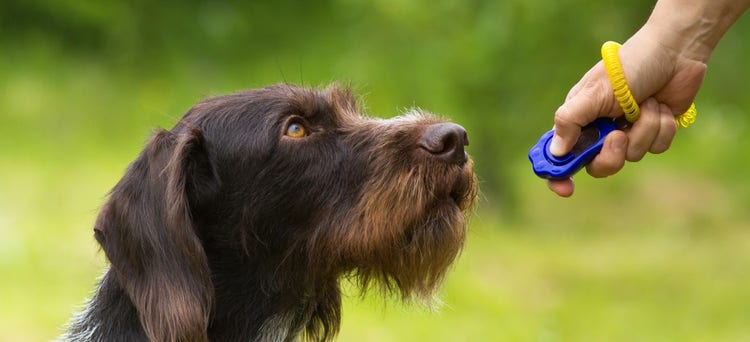
Pick a quiet place without distractions. Press the clicker once and watch your dog’s reaction. The sound might surprise your dog at first. Repeat the click several times with breaks in between. Do not use the clicker too much at once. Let your dog get familiar with the unique sound. Keep sessions short and positive.
Associating Clicker With Treats
After introducing the sound, link it to treats. Click once, then immediately give your dog a small treat. This teaches your dog that the click means a reward is coming. Repeat this step many times over a few days. Your dog will start to expect a treat after the click. This connection makes training easier and more effective.
Basic Clicker Training Techniques
Basic clicker training techniques help dogs learn quickly and clearly. Using a clicker creates a distinct sound that marks good behavior. This sound tells your dog exactly what action earns a reward. Training becomes easier and more fun with clear communication.
Capturing Desired Behavior
Capturing means rewarding your dog for actions they do naturally. Wait for your dog to perform the behavior. Click immediately when they do it. Then give a treat right after the click. This method helps your dog know which action is correct.
Shaping New Behaviors
Shaping breaks complex actions into small steps. Reward your dog for each step closer to the final behavior. Click and treat small improvements. Gradually expect more from your dog. This way, your dog learns new tricks one step at a time.
Using Lures And Prompts
Lures guide your dog to perform a behavior. Use treats or toys to lead them. Click and reward when your dog follows the lure. Prompts are cues like gestures or words. Use them to encourage the right action. These tools help your dog understand what you want.
Common Commands To Teach With Clicker
Teaching your dog common commands with a clicker is a smart choice. Clicker training makes learning clear and fun for your pet. The click sound helps your dog know the exact moment they do something right. This method builds a strong bond and improves communication.
Start with simple commands and use the clicker to mark good behavior. Repeat often and reward immediately. Consistency is key to success. Here are some basic commands to begin with.
Sit
“Sit” is one of the easiest commands to teach. Hold a treat above your dog’s head. Slowly move it back over their head. They will naturally lower their bottom to follow. Click as soon as they sit. Give the treat right after. Practice this until your dog sits on command without a treat.
Stay
“Stay” helps keep your dog in place. Ask your dog to sit first. Show your palm and say “stay.” Step back slowly. Click and treat if your dog does not move. Gradually increase the distance and time. Always return before giving the reward.
Come
“Come” brings your dog to you safely. Attach a long leash at first. Call your dog’s name, then say “come.” Click and treat when your dog moves toward you. Make it fun and rewarding. Repeat often in different places.
Heel
“Heel” means walking close by your side. Hold a treat near your leg. Start walking and say “heel.” Click and treat when your dog stays beside you. Stop if your dog pulls ahead. Keep sessions short and positive.
Credit: www.petplace.com
Troubleshooting Clicker Training
Clicker training is a great way to teach dogs new skills. Sometimes, trainers face problems that slow progress. These issues need simple fixes to keep training effective. This section helps solve common clicker training problems. It covers distractions, overuse, and slow learners.
Dealing With Distractions
Dogs find distractions hard to ignore. Noisy places or other animals can break focus. Start training in quiet spots. Use the clicker only when your dog pays attention. Slowly add distractions once your dog listens well. Stay calm and patient. Praise your dog for small wins.
Avoiding Overuse Of Clicker
Clicking too much confuses dogs. The click should mark the exact good action. Click once and give a treat fast. Avoid clicking without a clear reward. Overuse makes the click less special. Keep clicks meaningful and clear. Less is more in clicker training.
Handling Slow Learners
Some dogs need more time to understand. Break tasks into smaller steps. Reward every tiny success with a click and treat. Repeat steps often and use gentle encouragement. Avoid pressure or frustration. Celebrate small progress to keep your dog motivated.
Tips For Fast Training Success
Training your dog with a clicker can be quick and effective. Success depends on how you approach each session. These tips help speed up learning and keep your dog happy. Clear steps make training easier for both of you.
Consistency And Timing
Use the clicker the same way every time. Click exactly when your dog does the right action. This helps your dog understand what behavior you want. Timing the click right after the action is key. This clear signal speeds up learning.
Short And Frequent Sessions
Train your dog often but keep sessions short. Five to ten minutes work best. Long sessions tire your dog and reduce focus. Frequent, short sessions help your dog remember better. Regular practice builds strong habits.
Positive Reinforcement
Always reward your dog after clicking. Use treats, praise, or play as rewards. Positive feelings make your dog want to repeat good behavior. Avoid punishment, as it confuses your dog. Kind rewards help training move faster and smoother.
Advanced Clicker Training Ideas
Advanced clicker training builds on basic commands and improves your dog’s skills. It uses the clicker to shape complex actions and behaviors. This method helps dogs learn faster and stay motivated. Training sessions become more fun and productive.
Try these advanced ideas to challenge your dog and strengthen your bond.
Trick Training
Teach your dog fun tricks like spinning, rolling over, or playing dead. Clicker training marks each small step toward the trick. Reward your dog immediately after the click. This clear communication speeds up learning. Tricks keep your dog’s mind active and sharp.
Behavior Modification
Use the clicker to change unwanted behaviors gently. Reward calmness instead of barking or jumping. Click and treat when your dog stays quiet or sits calmly. This method encourages good habits without punishment. It builds trust and improves your dog’s behavior.
Agility Training
Guide your dog through agility courses using the clicker. Click each time your dog completes a part of the course. This positive feedback helps your dog learn the route faster. Agility training boosts your dog’s confidence and fitness. It also deepens your teamwork and communication.
Frequently Asked Questions
What Is Clicker Training For Dogs?
Clicker training uses a small device that makes a clicking sound to mark desired behaviors. It helps dogs understand commands clearly and speeds up learning through positive reinforcement.
How Do I Start Clicker Training My Dog?
Begin by associating the clicker sound with treats. Click, then immediately give a treat. Repeat until your dog links the click to a reward.
Can Clicker Training Fix Bad Dog Habits?
Yes, clicker training can redirect unwanted behaviors by rewarding good actions. Consistency and patience are key to replacing bad habits effectively.
How Often Should I Use The Clicker During Training?
Use the clicker every time your dog performs the desired behavior. Gradually reduce clicks as your dog learns the commands reliably.
Conclusion
Training your dog with a clicker takes patience and practice. The click sound helps your dog know exactly what behavior you want. Keep sessions short and fun to hold your dog’s attention. Reward good behavior right after the click to make learning clear.
Over time, your dog will understand commands faster. This method builds trust between you and your pet. Stay consistent and enjoy the training journey together. Simple steps can lead to great results. Your dog will thank you with good behavior and happiness.