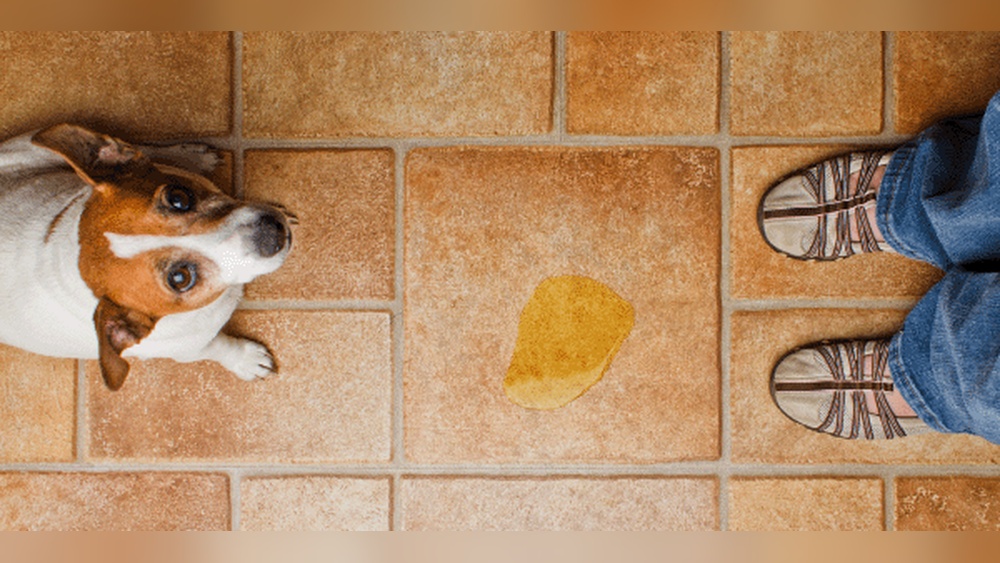
Are you wondering when your dog will finally be fully potty trained? Potty training can be one of the most challenging parts of bringing a new dog into your home.
You want to enjoy time with your furry friend, not worry about accidents on the floor. Knowing when your dog will be completely potty trained helps you plan better and stay patient during the process. You’ll discover the key signs to watch for and realistic timelines to expect.
Keep reading to learn how to make potty training easier for both you and your dog.
Potty Training Milestones
Potty training is a key part of raising a happy, healthy dog. Dogs reach important milestones during this process. Knowing these milestones helps you guide your dog better. It also reduces accidents in the house. Understanding your dog’s progress makes training easier and less frustrating.
Each dog is different, but many follow a similar path. Tracking your dog’s potty training milestones helps you see how far they have come. It shows what steps to take next. This section covers the main stages of potty training.
Puppy Stages And Bladder Control
Puppies start with very little bladder control. At first, they need to go outside often. Usually every 30 to 60 minutes. As they grow, their bladder gets stronger. They can hold it longer and wait for bathroom breaks. This happens gradually over several weeks.
Young puppies often have accidents inside. This is normal. They learn to hold their urine as their muscles and nerves develop. You will see fewer accidents as they get older. Patience is key during this stage.
Signs Of Readiness
Your dog shows signs when ready for more training. They might start telling you when they need to go out. Sniffing around or circling is one sign. Waiting by the door is another. They may also hold their bladder longer.
These signs mean your dog understands potty rules. You can teach them to ask to go outside. Positive rewards help them learn faster. Watch for these signs closely to adjust your training.
Average Age For Full Training
Most dogs become fully potty trained between four and six months. Some smaller breeds take longer, up to eight months. Larger breeds may train faster or slower depending on the dog. Training speed depends on consistency and patience.
Accidents will reduce and stop as training completes. Your dog will know where and when to go. Staying consistent with routines helps your dog reach this milestone.
Credit: villageatoakwood.com
Common Potty Training Challenges
Potty training dogs can be tricky. Many pet owners face common challenges. These hurdles can slow progress and test patience. Knowing what to expect helps keep training on track. Below are some frequent issues and ways to handle them.
Accidents And How To Handle Them
Accidents happen, even with well-trained dogs. Stay calm and avoid punishment. Clean the spot thoroughly to remove odors. This stops dogs from returning there. Consistency is key—stick to the routine. Reward good behavior to encourage success.
Dealing With Regression
Sometimes dogs forget or resist training rules. Stress, changes in routine, or health issues cause setbacks. Return to basics and increase supervision. Offer more frequent bathroom breaks. Patience and gentle reminders help dogs relearn habits.
Impact Of Breed And Size
Breed and size affect potty training speed. Smaller dogs have smaller bladders and need more breaks. Some breeds are easier to train due to temperament. Large breeds may take longer to control bladder. Tailor training to your dog’s needs for best results.
Effective Training Techniques
Training a dog to be fully potty trained takes patience and the right techniques. Consistency is key. The methods used can make the process easier for both the dog and owner. Effective training focuses on clear signals and positive experiences. Dogs learn best when they know what to expect and feel safe.
Here are three effective techniques to help dogs learn faster and keep accidents to a minimum.
Establishing A Routine
Dogs thrive on routine. Set specific times for bathroom breaks. Take your dog outside first thing in the morning, after meals, and before bedtime. Consistency helps the dog understand when and where to go. Regular walks also give chances to relieve themselves and explore safely.
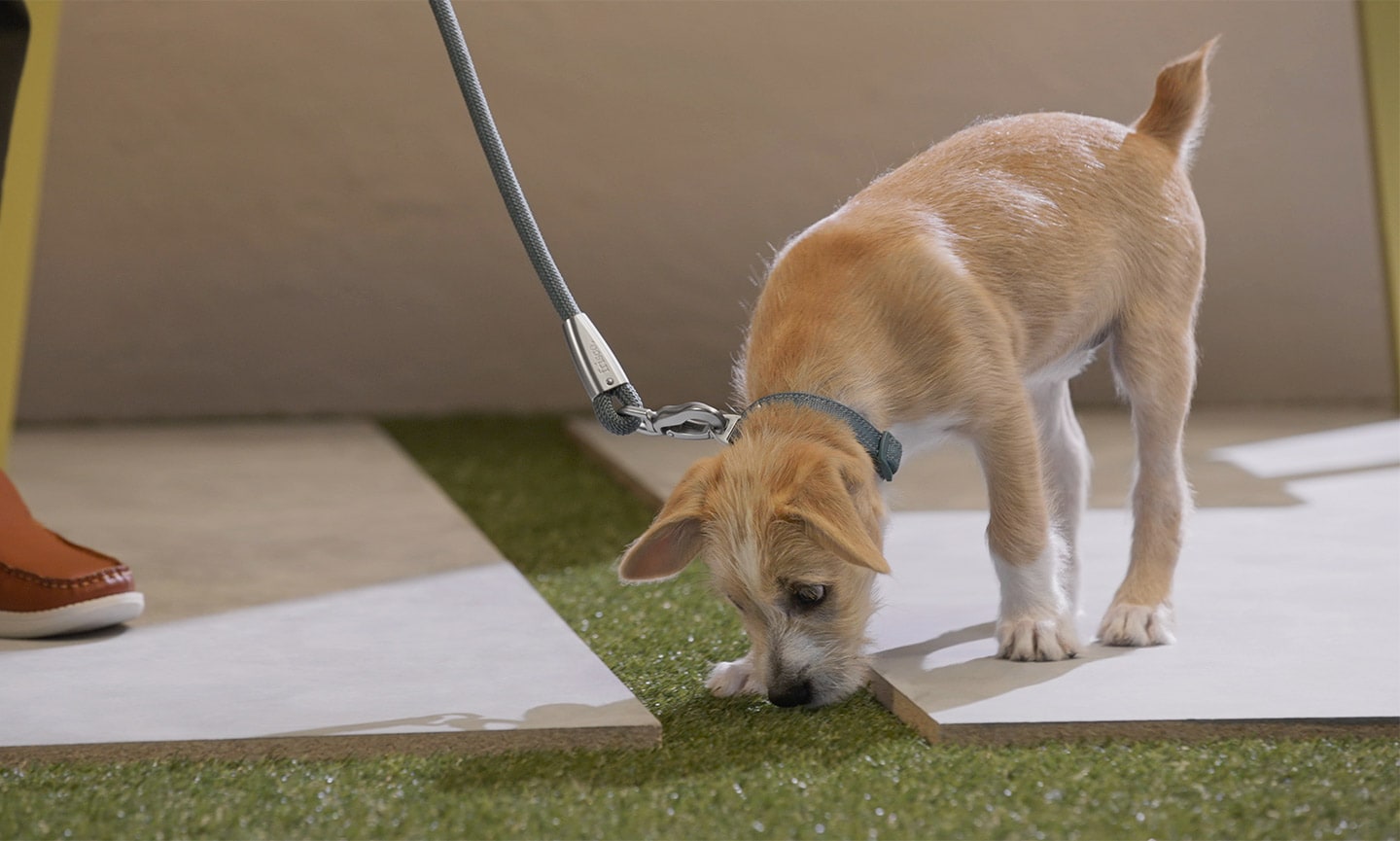
Keep the bathroom spot the same. This helps the dog connect the place with the action. Over time, the dog will ask to go out. Watch for signs like sniffing or circling. Respond quickly to avoid accidents inside.
Positive Reinforcement Methods
Reward good behavior immediately. Praise your dog with kind words and gentle petting. Offer small treats as a reward for going outside. This makes the dog want to repeat the behavior. Avoid punishment for accidents. It can create fear and confusion.
Use a calm, happy tone to encourage your dog. Consistent rewards help the dog learn faster. Celebrate each success to build confidence and trust.
Using Crate Training
A crate can be a useful tool for potty training. It provides a safe, cozy space for your dog. Dogs dislike soiling their sleeping area. This natural instinct helps control bladder and bowels. Introduce the crate slowly with positive experiences.
Never use the crate as punishment. Start with short periods and increase gradually. Let the dog out often for bathroom breaks. Crate training teaches control and reduces accidents when done properly.
Environmental And Health Factors
Environmental and health factors play a big role in potty training a dog. These factors can speed up or slow down the process. Understanding them helps owners be patient and adjust training methods.
Some dogs may take longer due to their health or living conditions. Watching these elements closely can prevent frustration for both dog and owner.
Influence Of Diet And Water Intake
What a dog eats and drinks affects how often it needs to go outside. Dogs with lots of water may need more bathroom breaks. Feeding times also impact potty schedules. A consistent diet helps the dog develop a routine. Sudden diet changes can confuse the dog and cause accidents.
Recognizing Medical Issues
Health problems can make potty training harder. Urinary infections or digestive issues cause frequent accidents. Dogs in pain may not signal when they need to go. Watch for signs like blood in urine or straining. A vet visit can rule out or treat these problems. Early detection helps avoid setbacks in training.
Adapting Training For Different Living Spaces
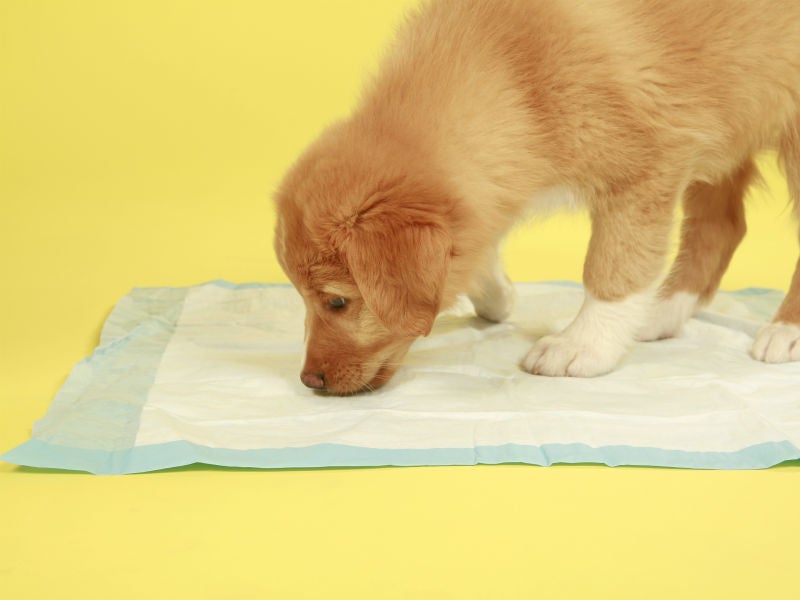
Living space size affects training methods. Small apartments need more frequent bathroom trips. Outdoor access must be planned carefully. Yard-trained dogs may struggle in apartments without grass. Use pee pads or indoor potty areas if needed. Adjust training tools and schedules to fit the home environment.
Tips For Long-term Success
Potty training a dog takes time and effort. Success depends on consistent habits and patient care. These tips help keep good behavior for the long run. They make sure your dog stays comfortable and confident. The goal is a happy pet and a clean home.
Consistency And Patience
Stick to a regular schedule for bathroom breaks. Take your dog out at the same times each day. Praise them when they go outside. Avoid punishment for mistakes. Dogs learn best with gentle guidance. Patience helps your dog feel safe and willing to learn.
Socialization And Training Reinforcement
Expose your dog to different places and people. This reduces anxiety and distractions during potty time. Use treats and praise to reinforce good habits. Repeat training often, even after your dog is trained. Consistent reinforcement keeps the behavior strong.
When To Seek Professional Help
Some dogs struggle despite your best efforts. Look for signs like frequent accidents or anxiety. Consult a vet to rule out health problems. A trainer or behaviorist can offer tailored advice. Early help prevents frustration for you and your dog.
Credit: www.chewy.com
Credit: www.akc.org
Frequently Asked Questions
When Do Puppies Usually Become Fully Potty Trained?
Puppies typically become fully potty trained between 4 to 6 months old. Consistent training and patience speed up the process. Every puppy learns at a different pace based on breed, temperament, and training methods used.
How Long Does Complete Potty Training Take For Dogs?
Complete potty training can take anywhere from 4 weeks to 6 months. This depends on the dog’s age, consistency in training, and owner’s dedication. Regular routines and positive reinforcement are key to faster success.
What Are Signs My Dog Is Fully Potty Trained?
A fully potty trained dog waits to go outside, signals when they need to go, and rarely has accidents indoors. They understand where it’s appropriate to relieve themselves and follow the established routine consistently.
Can Adult Dogs Be Fully Potty Trained Too?
Yes, adult dogs can be fully potty trained with patience and consistent routines. It may take longer than with puppies, but positive reinforcement and regular schedules help adult dogs learn desired behaviors effectively.
Conclusion
Dogs usually become fully potty trained between 4 to 6 months old. Each dog learns at its own speed. Consistency and patience help speed up training. Keep a regular schedule for bathroom breaks. Praise your dog when it goes outside.
Expect some accidents during the learning phase. Watch for signs your dog needs to go. With time, your dog will understand where to go. Remember, patience and care make training easier. Soon, your dog will be confident and clean.