

If you want a well-behaved dog that listens and responds, Don Sullivan Dog Training could be exactly what you need. Imagine your dog walking calmly by your side, following commands without hesitation, and becoming the companion you’ve always dreamed of.
Whether your dog is energetic, stubborn, or just needs a little guidance, Don Sullivan’s proven methods can help you build a stronger bond and enjoy every moment together. Keep reading to discover how this training approach can transform your dog’s behavior—and your daily life.
Don Sullivan’s Training Approach
Don Sullivan’s training approach focuses on clear communication and respect between dogs and owners. He believes that training should be simple and effective. His methods build trust and create strong bonds. These techniques help dogs learn good behavior faster and keep it longer.
Key Principles
Don Sullivan’s key principles emphasize patience and consistency. He teaches owners to use calm and firm signals. Positive reinforcement is a core part of his training. Rewards encourage dogs to repeat good actions. Avoiding punishment helps dogs feel safe and eager to learn.
Training Philosophy
The philosophy centers on understanding the dog’s natural instincts. Training works best when it respects the dog’s nature. Don Sullivan believes dogs learn best through clear, simple commands. Training sessions are kept short and focused. This keeps dogs attentive and reduces stress.
Tools And Techniques
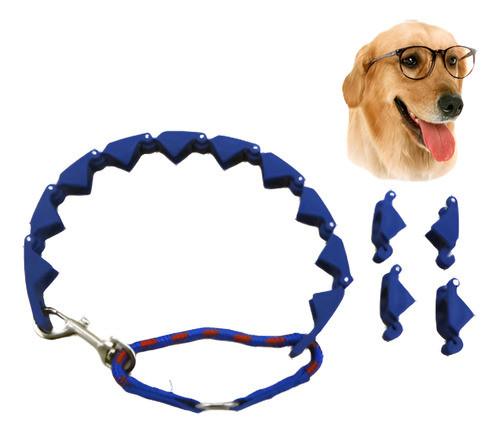
Don Sullivan uses basic tools like leashes and collars carefully. He prefers gentle techniques over harsh corrections. Clicker training is often part of his system. It marks good behavior clearly for the dog. He also teaches owners how to read their dog’s body language for better communication.

Credit: us.amazon.com
Basic Commands For Dogs
Basic commands form the foundation of good dog training. They help dogs behave well and stay safe. Don Sullivan Dog Training focuses on teaching these essential skills clearly and kindly. Training your dog with simple commands builds trust and makes daily life easier.
Dogs that know basic commands feel more confident. Owners can guide their pets in many situations. These commands also improve communication between dogs and humans. Here are some key commands to start with.
Sit And Stay
The “Sit” command teaches your dog to sit down calmly. It is the first step in controlling your dog’s behavior. “Stay” means the dog waits in place without moving. These commands help in busy or distracting places. Practice often to make your dog listen well.
Come And Heel
“Come” calls your dog to you quickly and safely. It is important during walks or emergencies. “Heel” trains your dog to walk beside you. This keeps walks pleasant and under control. Use treats and praise to encourage your dog.
Leave It And Drop It
“Leave It” stops your dog from picking up things they shouldn’t. It protects your dog from dangerous or harmful items. “Drop It” tells your dog to release something already in their mouth. These commands prevent trouble and keep your dog safe.
Advanced Obedience Skills
Advanced obedience skills build on basic commands. They help dogs act well in many situations. Don Sullivan Dog Training focuses on these skills for better control and safety. Training goes beyond sit and stay. It teaches dogs to listen even with distractions.
Recall Training
Recall means your dog comes to you on command. This skill keeps dogs safe outside. Don Sullivan uses clear signals and rewards. Training happens in quiet places first. Then in busy areas to improve focus. Dogs learn to return quickly every time.
Off-leash Control
Off-leash control lets dogs roam but still obey commands. It needs trust between dog and owner. Don Sullivan teaches dogs to stay close without a leash. Commands like “come” and “heel” work off leash. This training keeps dogs safe and happy.
Behavioral Adjustments
Behavioral adjustments fix problems like barking or jumping. Don Sullivan uses gentle methods to change habits. Training helps dogs stay calm and polite. It improves how dogs behave at home and outside. Owners learn how to guide their dogs well.
Credit: latinafy.com
Common Training Challenges
Training dogs comes with many challenges. Each dog has its own personality. Some problems are common for many owners. Knowing these issues helps trainers like Don Sullivan guide owners better. Understanding causes and solutions makes training easier.
Dealing With Aggression
Aggression can be scary and hard to manage. Dogs may growl, snap, or bite. Causes include fear, pain, or protectiveness. Don Sullivan teaches calm and clear commands. He helps dogs feel safe and less stressed. Gradual exposure to triggers lowers aggressive reactions. Consistency is key to success.
Handling Separation Anxiety
Many dogs feel upset when left alone. They may bark, chew, or try to escape. Separation anxiety harms the dog’s well-being. Don Sullivan uses gentle steps to ease stress. Training includes short absences at first. Owners learn to stay calm and relaxed. This helps dogs trust and stay calm.
Correcting Excessive Barking
Barking is normal but too much can be a problem. Dogs bark to warn, play, or ask for attention. Don Sullivan finds the cause of barking first. He teaches dogs to stop on command. Rewarding quiet behavior works well. Owners learn to ignore unnecessary barking. This reduces noise and frustration.
Tips For Consistent Results
Consistency is key in dog training. Don Sullivan Dog Training focuses on steady progress for lasting results. Following simple tips helps keep training on track and dogs eager to learn.
These tips create a clear path for both owners and dogs. Simple routines, positive feedback, and achievable goals build strong habits. This approach makes learning easier and more fun.
Establishing Routines
Dogs thrive with regular schedules. Set fixed times for training sessions daily. Short sessions, about 10 to 15 minutes, work best. Consistent timing helps dogs anticipate learning moments. It builds focus and reduces confusion. A clear routine supports faster progress.
Positive Reinforcement
Reward good behavior immediately. Use treats, praise, or a favorite toy. Positive feedback motivates dogs to repeat actions. Avoid punishment to keep training positive. Encouragement builds trust and eagerness. A happy dog learns more quickly and reliably.
Setting Realistic Goals
Break training into small steps. Focus on one skill at a time. Celebrate small wins to boost confidence. Realistic goals prevent frustration for owners and dogs. Patience is important for steady improvement. Clear, simple goals lead to consistent success.
Training For Different Dog Breeds
Training dogs is not the same for every breed. Each dog has unique needs and ways of learning. Don Sullivan Dog Training understands these differences well. This helps trainers create the best plans for each dog. Training that fits a dog’s breed leads to better behavior and happier pets.
High-energy Breeds
High-energy breeds need more exercise and mental work. Dogs like Border Collies and Huskies get bored easily. Without enough activity, they can become restless and noisy. Training for these dogs includes many games and tasks. This keeps their minds sharp and bodies tired. Don Sullivan Dog Training uses fun methods to keep them busy.
Small Vs. Large Dogs
Small dogs and large dogs learn differently. Small dogs may be scared of loud voices or big spaces. Training with gentle tones and calm settings works best. Large dogs often need strength control and clear commands. They respond well to firm but kind guidance. Don Sullivan Dog Training adjusts techniques to suit size and personality.
Breed-specific Traits
Every breed has special traits that affect training. Some dogs are very stubborn, others very eager to please. Knowing these traits helps trainers be patient and effective. For example, terriers like to dig and chase. Training focuses on redirecting these natural behaviors. Don Sullivan Dog Training respects each breed’s nature while teaching good habits.
Incorporating Play And Exercise
Incorporating play and exercise is essential in Don Sullivan Dog Training. Dogs learn better when they enjoy the process. Play and exercise keep dogs happy and healthy. They also help reduce bad behavior by using up excess energy.
Mental Stimulation
Mental stimulation challenges a dog’s brain. It helps them focus and think clearly. Activities like puzzle toys or scent games work well. These exercises improve memory and problem-solving skills. A tired brain means a calm dog.
Physical Activity
Physical activity strengthens muscles and bones. Regular walks and runs keep dogs fit and active. Exercise reduces stress and prevents obesity. It also improves heart and lung health. Active dogs show better behavior and mood.
Interactive Games
Interactive games build trust between owner and dog. Playing fetch or tug-of-war makes training fun. These games teach commands and improve obedience. They also increase a dog’s confidence. Interaction strengthens the bond and encourages learning.

Credit: www.ebay.com
Owner Responsibilities
Training a dog is more than teaching tricks. Owners must take active roles in shaping behavior. Responsibility is key for a well-behaved, happy dog. Understanding what owners need to do helps in creating strong bonds and positive results.
Patience And Consistency
Patience is vital during dog training. Dogs learn at different speeds. Waiting calmly helps dogs feel safe and confident. Consistency means using the same commands and rules every day. It avoids confusion and speeds up learning.
Communication Techniques
Clear communication guides dogs effectively. Use simple words and firm tones. Body language also matters, like hand signals or eye contact. Dogs read these cues quickly. Consistent messages build trust and understanding between owner and dog.
Seeking Professional Help
Sometimes, training challenges become tough. Seeking help from experts like Don Sullivan Dog Training is wise. Professionals offer tailored advice and methods. This support improves training success and strengthens the bond.
Frequently Asked Questions
What Services Does Don Sullivan Dog Training Offer?
Don Sullivan Dog Training provides obedience training, behavior modification, and puppy training. Their methods focus on positive reinforcement and personalized plans. They help dogs of all breeds and ages improve their behavior and social skills effectively.
How Long Is A Typical Training Session With Don Sullivan?
A typical training session with Don Sullivan lasts 45 minutes to one hour. Sessions are designed to keep dogs engaged and focused. This duration allows trainers to address specific behavior goals efficiently without overwhelming the dog.
Is Don Sullivan Dog Training Suitable For Aggressive Dogs?
Yes, Don Sullivan specializes in training aggressive dogs. They use humane techniques to manage and reduce aggression safely. Their programs are customized to each dog’s needs, ensuring gradual and lasting behavior improvements.
Can Don Sullivan Help With Puppy Socialization?
Don Sullivan offers expert puppy socialization classes. These classes teach puppies proper social skills with other dogs and people. Early socialization helps prevent future behavioral problems and builds confidence in young dogs.
Conclusion
Don Sullivan Dog Training helps dogs learn good behavior fast. The methods are clear and easy to follow. Training builds trust between you and your dog. Dogs become happier and more obedient with practice. Good training makes life better for both of you.
Try these tips to see positive changes soon. Your dog will enjoy the learning process. Stay patient and consistent to get great results. Training is a step toward a strong bond. Don Sullivan’s approach works well for many dogs.


