

Have you noticed your dog acting differently lately? Maybe they seem less playful, more tired, or even a bit grumpy.
These changes can be confusing and sometimes worrying. Understanding how senior dog behavior changes can help you respond with patience and care. You’ll discover the common signs to watch for and learn how to support your furry friend through their golden years.
Keep reading to make sure your dog stays happy and comfortable as they age.
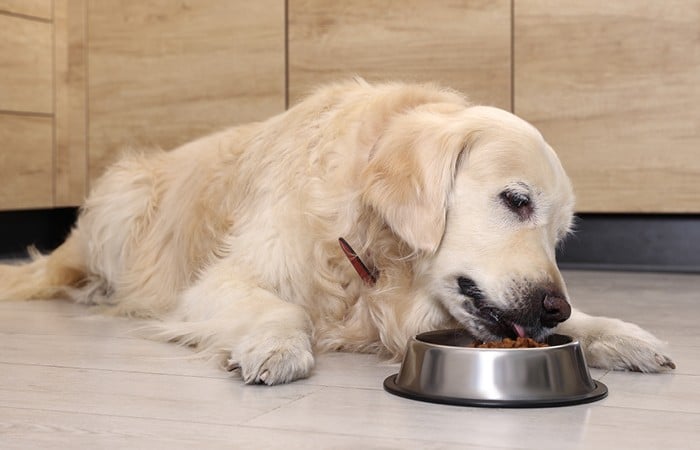
Credit: www.petplan.co.uk
Common Behavior Changes
As dogs grow older, their behavior often changes. These changes show how aging affects their body and mind. Understanding these shifts helps pet owners care better for their senior dogs. Common behavior changes include sleep patterns, activity levels, and social interactions.
Increased Sleep And Rest
Older dogs tend to sleep more than younger ones. Their energy drops, so they need extra rest. This helps their body heal and stay healthy. Expect your senior dog to nap several times a day. Do not worry if they seem less active due to more sleep.
Reduced Activity Levels
Senior dogs usually move less than before. Stiff joints or aches may slow them down. They might avoid long walks or rough play. This is normal as muscles and bones age. Encourage gentle exercise to keep them comfortable and healthy.
Changes In Social Interaction
Older dogs may change how they interact with people and pets. Some become more quiet and calm. Others might seek more attention or act shy. These shifts reflect their changing needs and feelings. Watch your dog closely to understand their new ways.
Cognitive Decline Signs
As dogs age, their brains can change. These changes may cause cognitive decline. This means your senior dog might act differently. It is important to notice the signs early. Understanding these signs helps you care better for your dog.
Disorientation And Confusion
Senior dogs may seem lost in familiar places. They might stare at walls or corners. Sometimes, they forget where their food or water is. This confusion can make them anxious. They may also have trouble finding doors or stairs.
Memory Loss Indicators
Older dogs may forget simple commands they knew well. They might not recognize family members at times. Toys and favorite spots can be ignored. Memory loss can make training harder. It can also cause frustration for your pet.
Altered Sleep-wake Cycles
Many senior dogs sleep more during the day. At night, they may become restless or bark. Their usual sleep patterns change. These shifts can affect their mood and behavior. Keeping a calm environment helps them feel safe.
Anxiety And Stress Symptoms
As dogs age, their behavior can change due to anxiety and stress. These changes often confuse owners. Recognizing anxiety symptoms helps improve a senior dog’s comfort. Stress affects their mood, health, and overall well-being. Watch for signs that show your dog feels uneasy or scared.
Separation Anxiety
Senior dogs may feel nervous when left alone. They might follow you everywhere or whine when you prepare to leave. This anxiety can lead to destructive actions or accidents inside the house. Separation anxiety causes real distress and needs gentle care.
Increased Vocalization
Barking, whining, or howling more than usual often signals stress. Older dogs may vocalize to express confusion or fear. Sometimes, they feel restless and use sound to seek attention or comfort. Paying attention to new or louder noises helps identify anxiety.
Restlessness And Pacing
Restlessness shows as constant movement or inability to settle. Pacing back and forth in circles or along walls is common in stressed senior dogs. This behavior indicates discomfort or worry. Creating a calm environment can reduce restlessness and help your dog relax.
Physical Discomfort Effects
Senior dogs often face physical discomfort that changes their behavior. These changes can affect their daily life and well-being. Understanding these signs helps in providing better care.
Limping And Mobility Issues
Older dogs may limp or move slower. Joint pain and arthritis are common causes. They might avoid stairs or jumping. This limits their activity and playtime. Gentle exercise can ease stiffness and keep muscles strong.
Changes In Eating Habits
Physical pain can make eating hard for senior dogs. Tooth problems or mouth pain reduce appetite. Some dogs eat less or drop food while chewing. Feeding softer or smaller meals helps them eat comfortably.
Grooming And Hygiene Decline
Older dogs may groom less due to pain or weakness. Mats and dirt build up in their fur. They might smell or have skin problems. Regular brushing and baths support their comfort and health.
Signs Of Sensory Loss
As dogs grow older, their senses often start to weaken. This change can affect how they interact with the world. It also impacts their behavior and mood. Recognizing signs of sensory loss helps you support your senior dog better.
Hearing Impairment
Senior dogs may stop responding to calls or sounds. They might miss the doorbell or other noises. This happens because their ears lose sensitivity. You might notice them startled by sudden sounds. Avoid shouting; speak clearly and close to them.
Vision Changes
Older dogs can have blurry or cloudy eyes. They may bump into furniture or hesitate on stairs. Poor vision can make them anxious or cautious. Keep their environment simple and well-lit. Avoid moving their favorite things around.
Reduced Sensitivity To Touch
Touch might feel different to an aging dog. They may not react to petting as before. Sometimes, they might not notice small injuries. Check their skin and coat regularly. Gentle massage can still provide comfort and connection.
Behavioral Changes Needing Vet Attention
Senior dogs often show changes in behavior as they age. Some changes are normal. Others may signal health problems. These changes need prompt vet attention. Early care can improve your dog’s comfort and quality of life.
Aggression Or Irritability
Older dogs may become aggressive or irritable without clear reason. Pain or discomfort often causes these changes. Dental problems, arthritis, or injury can make your dog snap more. Sudden aggression is not normal. A vet can find the cause and suggest treatment.
Sudden Behavioral Shifts
Watch for sudden changes in activity or mood. A calm dog may become restless or confused. Your dog might hide or refuse to eat. These shifts can signal dementia, infections, or neurological issues. Immediate vet care helps diagnose and manage these conditions.
Incontinence Problems
Loss of bladder or bowel control is a common problem in senior dogs. This can cause accidents inside the house. It may stem from urinary tract infections, kidney disease, or weakened muscles. A vet can identify the cause and offer solutions to ease your dog’s discomfort.
Adapting To Senior Dog Needs
As dogs age, their needs change. Senior dogs require special care to stay happy and healthy. Understanding these changes helps you provide better support for your furry friend. Small adjustments in their environment, exercise, and diet can make a big difference.
Creating A Comfortable Environment
Senior dogs need a cozy and safe space. Soft bedding helps ease joint pain. Keep their resting area warm and quiet. Avoid slippery floors to prevent falls. Place food and water bowls within easy reach. These changes reduce stress and improve comfort.
Adjusting Exercise Routines
Older dogs still need exercise but less intense. Short, gentle walks are best. Avoid long runs or rough play. Low-impact activities keep muscles strong. Watch for signs of tiredness or pain. Regular movement supports joint health and mood.
Diet And Nutrition Modifications
Senior dogs benefit from special diets. Foods with fewer calories prevent weight gain. Add supplements for joint and heart health. High-quality protein helps maintain muscle. Fresh water should always be available. Proper nutrition supports energy and overall wellness.
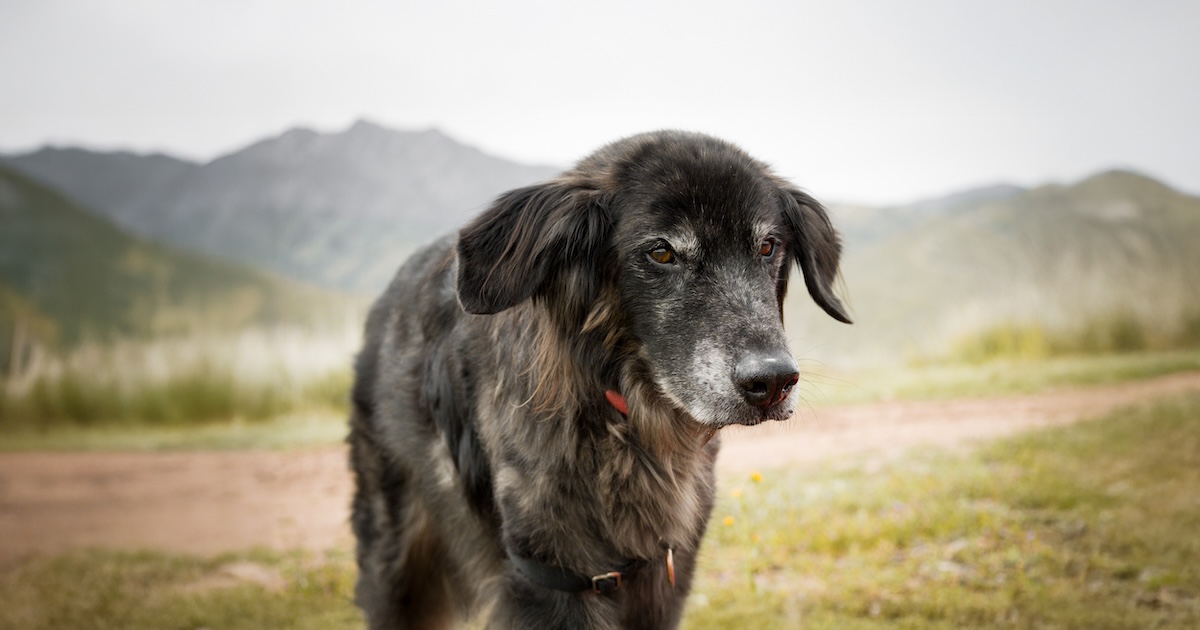
Credit: www.diamondpet.com
Monitoring And Tracking Changes
Senior dogs often show changes in behavior. These changes can be small or big. Monitoring and tracking these changes help you understand your dog better. It also helps catch health problems early. Careful observation supports your dog’s comfort and happiness.
Keeping A Behavior Journal
Write down your dog’s daily actions and moods. Note any new or unusual behavior. Record changes in eating, sleeping, or activity levels. A journal helps spot patterns over weeks or months. Share this information with your vet for better care.
Regular Health Checkups
Schedule frequent vet visits for your senior dog. Health problems often cause behavior changes. The vet can find issues before they get worse. Regular checkups keep your dog’s health on track. Follow the vet’s advice for treatment and care.
Using Technology For Monitoring
Use devices like activity trackers to watch your dog’s movements. Some tools monitor sleep and heart rate too. Technology gives detailed and accurate data every day. It helps you notice small changes early. Combine tech data with your own notes for best results.
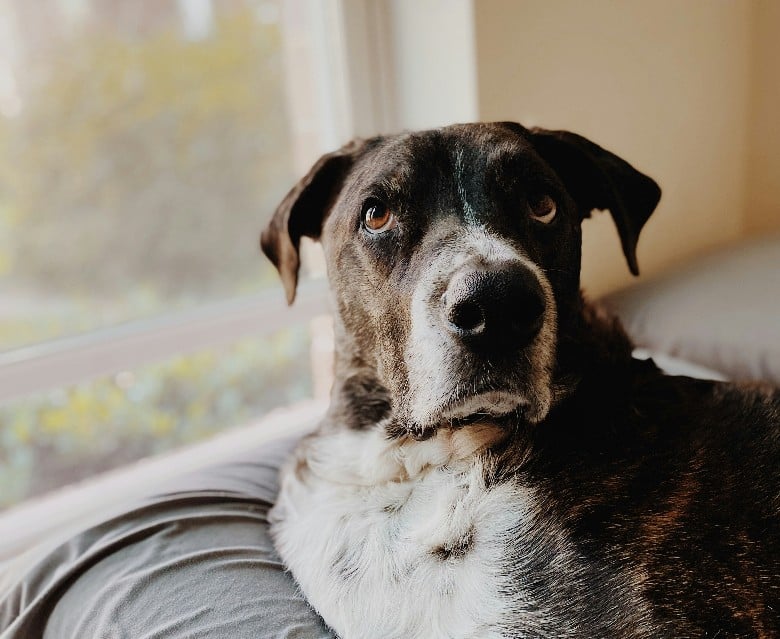
Credit: www.thisdogslife.co
Frequently Asked Questions
What Are Common Behavior Changes In Senior Dogs?
Senior dogs may show reduced energy, increased anxiety, or confusion. They might sleep more and become less social. These changes often relate to aging or health issues. Recognizing these signs helps in providing better care and comfort for your aging pet.
How Can I Help My Senior Dog’s Behavior Changes?
Provide a calm environment and consistent routine. Regular vet check-ups can identify health problems early. Mental stimulation and gentle exercise improve mood and reduce anxiety. Adjusting diet and supplements may support overall well-being. Patience and understanding are key during this phase.
When Should I Consult A Vet About Behavior Changes?
Consult a vet if changes are sudden, severe, or worsening. Signs like aggression, disorientation, or loss of appetite need prompt attention. Early diagnosis can prevent complications and improve quality of life. Regular vet visits help track your senior dog’s health effectively.
Do Senior Dogs Get Confused Or Disoriented Often?
Yes, cognitive decline like canine dementia is common in senior dogs. They may get lost in familiar places or forget commands. Mental stimulation and medical treatments can slow progression. Observing these signs early helps in managing your dog’s condition better.
Conclusion
Senior dogs often show changes in behavior as they age. These changes can include sleep patterns, activity levels, and mood shifts. Paying attention helps you meet their needs better. A calm, patient approach supports their comfort and happiness. Regular vet visits catch issues early.
Small changes at home can make a big difference. Loving care helps your senior dog feel safe and loved. Understanding these behaviors builds a stronger bond over time. Keep observing and adjusting to give your dog the best life.


