

Bringing a rescue dog into your home is a wonderful decision, but toilet training can feel like a big challenge. You want your new friend to feel comfortable and your home to stay clean.
The good news is, with the right steps, you can teach your rescue dog where and when to go, making life easier for both of you. In this guide, you’ll discover simple, effective techniques to toilet train your rescue dog quickly and kindly.
Keep reading, and you’ll soon enjoy a happy, well-trained companion by your side.

Credit: bowwowinsurance.com.au
Preparing Your Home
Preparing your home is the first step in toilet training a rescue dog. This phase helps your dog feel safe and ready to learn. A calm environment can reduce anxiety and make training easier.
Organizing the right space and supplies sets a strong foundation. Your dog will understand what to expect. Clear boundaries and comfort boost confidence during training.
Create A Safe Space
Choose a quiet area for your dog to rest and relax. This space should feel secure and be free from loud noises. Use a comfortable bed or crate to make it inviting.
Keep this area clean and free from distractions. Your dog will associate this safe space with calm and security. It helps reduce stress during toilet training.
Gather Necessary Supplies
Prepare all tools before starting training. Use puppy pads or newspapers for indoor accidents. Have cleaning products ready for quick mess cleanup.
Get a leash and collar for outdoor trips. Treats and toys work well as rewards. These supplies keep training organized and effective.
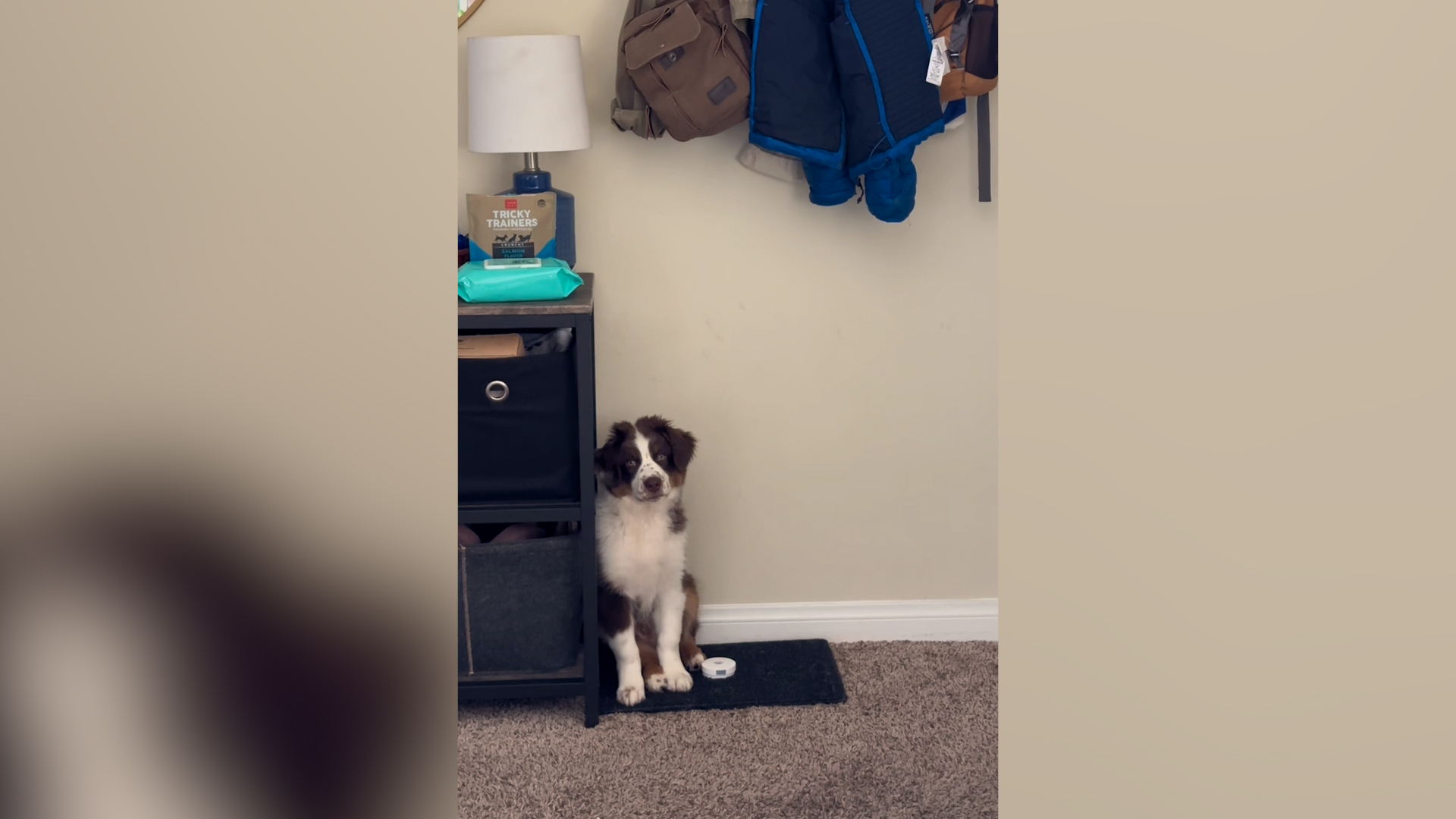
Credit: www.newsweek.com
Establishing A Routine
Establishing a routine is key when toilet training a rescue dog. Dogs feel safe and confident with a clear daily plan. A steady schedule helps your dog learn when and where to go potty. It reduces accidents and stress for both of you. Consistency is the secret to success in toilet training.
Set Regular Feeding Times
Feed your dog at the same times each day. Regular meals create a predictable bathroom schedule. Your dog will usually need to go out shortly after eating. Avoid free feeding or random meal times. This helps control when your dog needs to relieve itself. Stick to the routine even on weekends and holidays.
Schedule Frequent Bathroom Breaks
Take your dog outside often, especially at key times. These include after waking up, after eating, and before bedtime. Short, frequent breaks prevent accidents inside the house. Use the same spot outdoors for bathroom visits. Praise your dog immediately after going to the toilet outside. This teaches your dog where to go and builds good habits.
Recognizing Bathroom Signals
Recognizing bathroom signals is key to toilet training a rescue dog. Rescue dogs may feel nervous or confused in new homes. Understanding their signals helps prevent accidents. It also builds trust and clear communication between you and your dog.
Common Signs To Watch For
Watch for sniffing around the floor. Dogs often sniff to find a good spot. Pacing back and forth is another sign. Your dog might circle or seem restless. Whining or scratching at the door also shows need to go out. Some dogs may suddenly stop playing or eating. These signs mean they need to go soon.
Responding Quickly And Calmly
Act fast when you see these signs. Take your dog outside calmly and gently. Use a consistent phrase like “go potty” to encourage them. Avoid rushing or showing frustration. Calmness helps your dog feel safe. Praise your dog after they go outside. Positive response builds good habits and trust.

Credit: www.youtube.com
Using Positive Reinforcement
Using positive reinforcement helps your rescue dog learn toilet training faster. It makes the dog feel safe and happy while learning new habits. Positive reinforcement means giving rewards when the dog does the right thing. This encourages the dog to repeat the good behavior. It builds trust between you and your dog.
Choosing The Right Rewards
Pick rewards your dog really likes. Treats, toys, or praise work well. Small, tasty treats are great for quick learning. Use rewards that are healthy and easy to carry. Avoid giving too many treats to keep your dog healthy. Find out what motivates your dog the most.
Timing Your Praise
Praise your dog immediately after it goes to the toilet outside. Quick praise helps the dog link the action with the reward. Use a happy voice or gentle petting. Delay in praise can confuse your dog. Be consistent with your timing every time your dog goes outside.
Handling Accidents Effectively
Accidents are part of toilet training a rescue dog. They happen because the dog is still learning and adjusting. Handling these accidents with care helps build trust. It also makes training faster and easier. Avoid stress for both you and your dog during accidents. Stay calm and act wisely.
Cleaning Without Punishment
Clean the accident spot quickly and thoroughly. Use a pet-safe cleaner to remove all smells. This stops the dog from returning to the same spot. Never use harsh chemicals or strong scents. These can confuse your dog or harm them. Focus on making the area clean, not on making your dog feel bad.
Avoiding Negative Reactions
Do not shout, hit, or scare your dog after accidents. Negative reactions can cause fear and anxiety. Your dog may hide or avoid you. Instead, stay calm and gentle. Redirect your dog to the right spot. Praise and reward them when they go outside. This builds positive habits and strengthens your bond.
Gradual Freedom And Supervision
Giving a rescue dog more freedom takes time and care. It helps the dog learn where to go potty. Watching the dog closely stops accidents. This step builds trust and good habits.
Expanding Access Slowly
Start with a small space for your dog. Let the dog use this area without rushing. Watch for signs the dog needs to go out. Add more rooms only after no accidents happen. This slow change helps the dog feel safe.
Maintaining Supervision
Keep your eyes on the dog often. Use baby gates or a leash inside to control movement. Catch signs like sniffing or circling early. Praise the dog when it goes outside. This care stops mistakes and builds good habits.
Dealing With Setbacks
Toilet training a rescue dog can be challenging. Setbacks are common and part of the process. Staying calm and patient helps both you and your dog. Understanding setbacks can make the training smoother. Adjusting your methods is key to progress.
Common Challenges
Rescue dogs may have accidents inside the house. They might not understand where to go yet. Fear or anxiety can cause sudden accidents. Some dogs mark territory even after training. Changes in routine can confuse your dog. Watch for signs like sniffing or circling. These signs mean your dog needs to go out.
Adjusting Your Approach
Try to keep a consistent schedule for bathroom breaks. Increase the number of outdoor trips if accidents happen. Use clear, simple commands your dog can learn. Reward your dog immediately after they go outside. Avoid punishment; it can create fear. Clean accidents well to remove smells. This stops your dog from returning to the same spot. Stay patient and adapt your training steps as needed.
When To Seek Professional Help
Toilet training a rescue dog can be a rewarding experience. Sometimes, challenges arise that require expert help. Knowing when to seek professional help is important. It can save time and reduce stress for both you and your dog.
Signs You Need Assistance
Accidents happen often, even after weeks of training. Your dog may refuse to go outside. Or, your dog might show signs of anxiety or fear around the potty area. These are clear signs you need help.
Also, if your dog has health issues causing accidents, a professional can guide you. Persistent problems with training can slow progress. Getting help early keeps things on track.
Finding The Right Trainer
Choose a trainer with experience in rescue dogs. They understand your dog’s past and behavior better. Look for positive reinforcement methods that are kind and effective.
Check reviews and ask for recommendations. A good trainer will observe your dog and create a plan just for you. This personalized approach improves training success.
Frequently Asked Questions
How Long Does Toilet Training A Rescue Dog Take?
Toilet training duration varies by dog, but expect 4 to 8 weeks. Consistency and patience speed up the process. Some rescue dogs may need extra time due to past habits or trauma. Regular routines and positive reinforcement are key to faster success.
What Are The Best Methods For Rescue Dog Toilet Training?
Use crate training, frequent outdoor breaks, and positive rewards. Watch your dog’s signals for bathroom needs. Clean accidents thoroughly to avoid repeat spots. Consistency, patience, and gentle encouragement build trust and effective habits in rescue dogs.
How To Handle Accidents During Rescue Dog Toilet Training?
Stay calm and avoid punishment after accidents. Clean the area with enzymatic cleaners to remove odors. Increase outdoor bathroom breaks and observe your dog closely. Reward successful toilet trips to reinforce good behavior and build confidence.
Can Rescue Dogs Learn Toilet Training After Past Neglect?
Yes, rescue dogs can learn with patience and consistent training. Past neglect may cause setbacks, but positive routines help build trust. Gentle encouragement and clear signals support learning new habits effectively over time.
Conclusion
Toilet training a rescue dog takes time and patience. Stay calm and consistent with your routine. Praise your dog when they do well. Expect some accidents along the way. Every dog learns at its own pace. Building trust helps your dog feel safe.
Small steps lead to big progress. Enjoy the journey of helping your dog grow. Soon, your rescue will understand where to go. Keep trying, and your efforts will pay off.


