

Are you wondering if it’s okay to give your puppy adult dog food? You want to do what’s best for your furry friend, but with so many options, it’s easy to feel confused.
Feeding your puppy the right food is crucial for their growth, health, and happiness. Keep reading, and you’ll discover why choosing the right diet matters, what risks you might face, and how to make the best choice for your puppy’s future.
Your puppy’s well-being depends on it!

Credit: royalpetqa.com
Puppy Vs Adult Dog Food
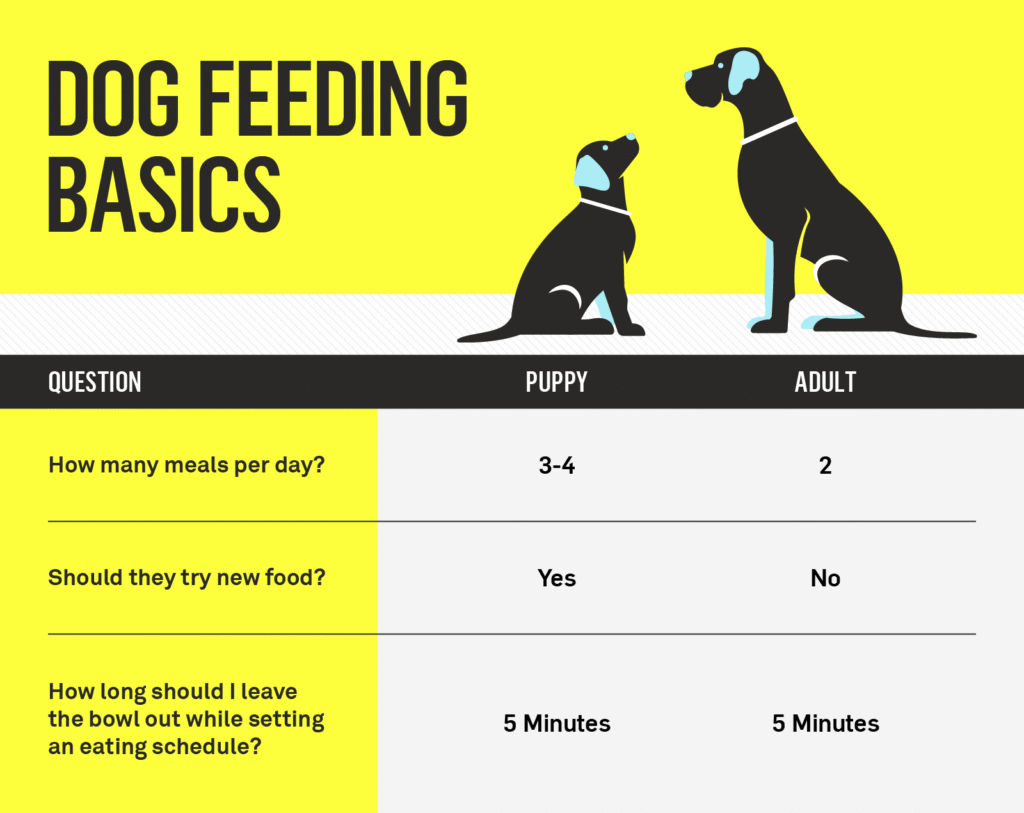
Puppy food and adult dog food are designed for different life stages. Each type supports specific needs for growth and health. Choosing the right food helps your dog stay strong and happy. Understanding their differences helps you make the best choice for your puppy.
Nutritional Differences
Puppy food contains more protein and fat than adult dog food. These nutrients support muscle and brain development. Adult dog food has balanced nutrients for maintenance, not rapid growth. Puppies need extra vitamins and minerals for their developing bodies.
Caloric Needs
Puppies burn more calories due to their activity and growth. Puppy food provides more calories to meet these energy needs. Adult dogs require fewer calories to avoid weight gain. Feeding the right calories helps maintain a healthy weight for each stage.
Growth Requirements
Puppies grow quickly and need food to support this growth. Puppy food helps build strong bones, teeth, and muscles. Adult dog food focuses on keeping the dog healthy and active. Giving adult food to puppies can slow their growth and cause nutrient gaps.
Credit: www.gallant.com
Risks Of Feeding Adult Food To Puppies
Feeding adult dog food to puppies can cause several health risks. Puppies need special nutrients to grow strong and healthy. Adult dog food does not meet these needs. Giving it to puppies can harm their development and digestion.
Potential Nutrient Deficiencies
Puppies require more protein, fat, and certain vitamins. Adult food has lower levels of these nutrients. Without enough nutrients, puppies may not build strong muscles or healthy bones. This lack can lead to weak immune systems and health issues.
Impact On Growth And Development
Puppies grow fast and need extra calories and nutrients. Adult food cannot support this rapid growth. Feeding adult food may slow down bone and brain development. Puppies might become smaller or have weaker joints.
Digestive Concerns
Puppies have sensitive stomachs that need gentle food. Adult dog food is harder to digest. It may cause stomach upset, diarrhea, or vomiting. Digestive problems can make puppies lose appetite and energy.
When Adult Food Might Be Acceptable
Puppies need special nutrition for healthy growth and development. Adult dog food has different nutrients and calorie levels. Yet, there are times when feeding adult dog food to a puppy might be okay. This section explores those situations. Understanding them helps keep your puppy safe and healthy.
Short-term Feeding Scenarios
Short-term feeding of adult dog food can happen during emergencies. If puppy food is not available, adult food may serve as a temporary option. This should only last a few days. Long-term feeding can cause nutrition gaps in growing puppies. Watch your puppy’s health closely during this period.
Specific Health Conditions
Some puppies have health issues requiring different diets. Certain medical conditions might need adult dog food formulas. For example, adult food with less fat can help puppies with digestive problems. Always follow your vet’s advice on special diets. Do not change food without professional guidance.
Consulting A Veterinarian
Always ask a veterinarian before feeding adult dog food to puppies. Vets understand your puppy’s unique needs. They can recommend safe options and feeding plans. Avoid guessing what is best for your puppy’s diet. Professional advice ensures your puppy grows strong and healthy.
Credit: www.acanapetfoods.co.uk
Choosing The Right Food For Your Puppy
Choosing the right food for your puppy is very important for healthy growth. Puppies need more nutrients than adult dogs. Their food must support strong bones, muscles, and a good immune system. Feeding the correct type of food helps your puppy grow into a healthy adult dog.
Reading Dog Food Labels
Start by checking the dog food label carefully. Look for the words “complete and balanced.” This means the food meets the nutritional needs of puppies. The label should also say it is suitable for puppies or all life stages. Pay attention to the guaranteed analysis section. This tells you the amounts of protein, fat, and fiber in the food.
Ingredients To Look For
High-quality protein should be one of the first ingredients. Meat, fish, or poultry are good sources. Whole grains and vegetables provide energy and fiber. Look for added vitamins and minerals. These help your puppy grow strong and stay healthy. DHA and EPA, types of omega-3 fatty acids, support brain and eye development.
Avoiding Harmful Additives
Stay away from foods with artificial colors and flavors. These additives do not benefit your puppy. Avoid foods with preservatives like BHA, BHT, and ethoxyquin. These may harm your puppy’s health. Also, steer clear of fillers like corn and soy in large amounts. They provide little nutrition and can cause allergies.
Transitioning From Puppy To Adult Food
Switching a puppy to adult dog food is important for its growth and health. Puppies need special nutrients to support their development. Adult dogs require different nutrition to maintain their energy and body condition. Making this change at the right time helps your dog stay healthy and happy.
Timing The Switch
Most dogs switch to adult food between 9 and 12 months old. Larger breeds may need adult food later, around 12 to 18 months. Small breeds often change earlier. Your vet can help decide the best time for your dog.
Gradual Transition Steps
Start by mixing a small amount of adult food with puppy food. Increase the adult food portion over 7 to 10 days. This slow change helps avoid stomach upset. Watch how your dog eats and adjust if needed.
Monitoring Your Dog’s Response
Check your dog’s energy, stool, and appetite during the change. Healthy dogs keep a shiny coat and bright eyes. Loose stools or vomiting might mean the transition is too fast. Pause or slow the switch if problems appear.
Homemade Vs Commercial Puppy Food
Choosing between homemade and commercial puppy food is a big decision for pet owners. Each option has unique benefits and challenges. Understanding these can help you feed your puppy well and keep them healthy.
Pros And Cons Of Homemade Meals
Homemade meals let you control ingredients and avoid fillers. You can choose fresh, natural foods that your puppy enjoys. But making balanced meals is hard without expert knowledge. It takes time and effort to prepare daily meals. Mistakes in recipes may cause nutrition gaps. Commercial foods are easier and tested for puppy health.
Ensuring Balanced Nutrition
Puppies need protein, fat, vitamins, and minerals in the right amounts. Homemade meals must include meat, vegetables, and grains. Calcium and phosphorus are vital for bones and teeth. Missing nutrients can slow growth or cause illness. Use recipes from vets or pet nutritionists. Supplements may be necessary to complete the diet.
Safety Tips For Home Cooking
Cook all meats thoroughly to kill harmful bacteria. Avoid toxic foods like onions, garlic, and chocolate. Clean cooking surfaces and utensils well. Store food safely to prevent spoilage. Prepare fresh meals regularly to keep nutrients intact. Monitor your puppy’s health and weight closely. Consult your vet about any diet changes.
Frequently Asked Questions
Can I Feed My Puppy Adult Dog Food?
Feeding adult dog food to a puppy is not recommended. Puppies need higher protein, fat, and nutrients to support growth. Adult dog food lacks these essential nutrients, which can affect their development and health. Always choose puppy-specific food for proper nutrition.
What Happens If A Puppy Eats Adult Dog Food?
If a puppy consumes adult dog food occasionally, it’s usually safe but not ideal. Long-term feeding may lead to nutritional deficiencies, growth delays, and health issues. Puppies require food formulated for their developmental stage to thrive and grow strong.
When Can A Puppy Switch To Adult Dog Food?
Puppies can switch to adult dog food between 9 to 12 months old. The exact timing depends on breed size and vet advice. Larger breeds may need more time on puppy food, while smaller breeds can transition earlier for balanced nutrition.
Is Adult Dog Food Safe For Small Breed Puppies?
Adult dog food is generally not safe for small breed puppies. Small breeds need nutrient-dense puppy food to support their rapid growth and energy levels. Adult food may lack adequate calories and essential nutrients for healthy development.
Conclusion
Feeding a puppy adult dog food is not ideal for growth. Puppies need special nutrients for strong bones and healthy development. Adult dog food lacks these essential nutrients. This can lead to health problems later. Always choose food made for puppies to keep them healthy.
Consult your vet for the best diet advice. Proper nutrition helps puppies grow into strong adult dogs. Keep their diet balanced and age-appropriate. It’s a simple way to give your puppy a good start. Remember, their health depends on what they eat now.


