

Do you want your dog to tell you exactly when it needs to go outside? Imagine never having to guess when your furry friend needs a bathroom break again.
Bell training your dog is a simple, effective way to make communication easier for both of you. You’ll discover step-by-step methods to teach your dog how to ring a bell, saving you time, avoiding messes, and strengthening your bond. Ready to make life with your dog smoother and more enjoyable?
Let’s dive in!
Why Bell Training Works
Bell training helps dogs communicate their needs clearly. Dogs learn to ring a bell to tell you they want to go outside. This method makes potty training easier and faster.
Dogs respond well to sounds. Bells catch their attention quickly. The sound becomes a clear signal for both you and your dog.
Clear Communication
Bells create a simple way for dogs to ask for a break. Instead of guessing, you know exactly what your dog wants. This reduces accidents inside the house.
Consistent Routine
Using a bell builds a routine for your dog. They learn to ring before going outside. This consistency helps your dog understand what to do.
Positive Reinforcement
Bell training uses rewards to teach good behavior. Dogs get praise or treats after ringing the bell. This makes them want to repeat the action.
Reduces Anxiety
Dogs feel more secure when they can signal their needs. Bell training lowers stress for both dog and owner. It creates trust and better bonding.
Choosing The Right Bell
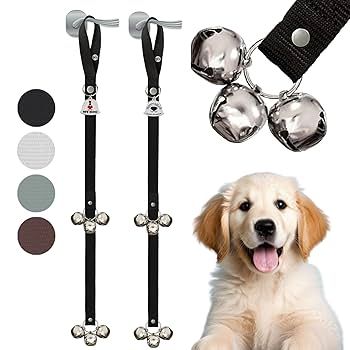
Choosing the right bell is a key step in bell training your dog. The bell must be easy for your dog to use and hear. Bells come in many styles and sizes. Picking one that fits your dog’s needs helps training succeed.
Consider The Size Of The Bell
Pick a bell size your dog can easily touch or nudge. Small dogs need smaller bells. Large dogs can handle bigger bells. The bell should not be too heavy or too loud for your dog.
Choose A Clear Sound
The bell’s sound must be clear and sharp. A clear sound helps your dog understand the bell’s purpose. Avoid bells that make a dull or soft noise. Your dog should hear the bell from a distance.
Select A Durable Material
Choose a bell made from strong materials. Bells made of metal or hard plastic last longer. Avoid fragile bells that break easily. A durable bell saves money and time in the long run.
Decide On The Bell’s Placement
Think about where you will hang the bell. Some bells come with straps or hooks. Place the bell at your dog’s nose level. This makes it easier for your dog to ring the bell.
Introducing The Bell To Your Dog
Teaching your dog to use a bell helps them ask to go outside. Start by ringing the bell yourself before opening the door. Soon, your dog will learn to ring it to get your attention.
What Is The Bell And Why Use It?
The bell is a simple tool to help your dog communicate. It hangs near the door. Your dog can ring it to ask to go outside. This training helps reduce accidents inside the house. The bell makes it easier for your dog to tell you when it needs a break.
Pick a bell that is loud but not scary. It should be easy for your dog to touch. Many bells come with a string or a frame to hang on the door. Find a bell that suits your door and your dog’s size. A bell that rings clearly is best for training.
Introducing The Bell For The First Time
Show the bell to your dog calmly. Let your dog sniff and touch it. Gently tap the bell so your dog hears the sound. Praise your dog for paying attention to the bell. Repeat this a few times to build interest.
Teaching Your Dog To Touch The Bell
Hold a treat near the bell. Encourage your dog to touch the bell with its nose or paw. When the bell rings, give a treat and say “yes” or “good.” Practice this several times in short sessions. Keep it fun and rewarding for your dog.

Credit: www.amazon.com
Teaching Bell Ringing For Potty Time
Teaching your dog to ring a bell for potty time helps clear communication. It lets your dog tell you when it needs to go outside. This training makes bathroom breaks easier for both of you. The process requires patience and clear steps. Focus on guiding your dog gently toward ringing the bell before going out.
Timing The Training Sessions
Choose times when your dog usually needs to go out. After meals and naps work well. Keep sessions short, about 5 to 10 minutes. Train often to build good habits. Regular timing helps your dog connect bell ringing with potty time.
Using Treats And Praise
Use treats to reward your dog immediately after ringing the bell. Positive words and petting also encourage your dog. Rewards make the dog want to repeat the action. Praise helps your dog feel happy and confident during training.
Consistency In Practice
Practice every day without skipping sessions. Always bring your dog to the door right after ringing the bell. Consistency makes the dog understand the bell means going outside. Keep the bell in the same place for easy access.
Reinforcing Bell Use For Other Commands
Reinforcing bell use for other commands helps your dog understand and respond better. It makes communication clearer and training easier. You can teach your dog to ring the bell for various activities. This section explains how to reinforce bell use for outside time and play.
Going Outside
Train your dog to ring the bell before going outside. Start by holding the leash near the bell. Encourage your dog to touch or ring the bell. When your dog rings it, open the door and say, “Outside.” Repeat this often. Soon, your dog will learn that ringing means going out.
Always praise your dog after ringing the bell. This builds a strong habit. It also reduces accidents inside the house. Make sure the bell is easy to reach. Keep the door area quiet and free from distractions.
Playtime And Walks
Use the bell to signal playtime or walks. When your dog wants to play, guide them to ring the bell. After the bell rings, grab the toy or leash. Say “Playtime” or “Walk” clearly. This helps your dog connect the bell with fun activities.
Practice regularly. Reward your dog with treats or affection after ringing. This makes your dog eager to use the bell. It also improves your bond and communication. Your dog learns that ringing the bell means good things happen.
Troubleshooting Common Issues
Troubleshooting common issues during bell training helps your dog learn faster. Problems may slow progress or cause confusion. Fixing these issues keeps training clear and fun.
Focus on each problem step-by-step. Small changes make a big difference in your dog’s behavior.
Ignoring The Bell
Your dog may ignore the bell if it feels unsure. Try ringing the bell near treats or favorite toys. Praise your dog when it touches or looks at the bell. Repeat this often to build interest and trust.
Keep training sessions short and positive. Avoid forcing your dog to use the bell. Patience helps your dog feel comfortable and willing.
Excessive Ringing
Some dogs ring the bell too much to get attention. To fix this, only open the door after the first ring. Ignore extra ringing until your dog stops. Reward calm behavior and wait for a quiet moment.
Teach your dog that one ring means yes. Over time, it learns to use the bell properly and calmly.
Confusion With Other Sounds
Your dog may confuse the bell with other noises. Use the same bell only for training. Avoid using similar sounds during other activities. This helps your dog link the bell to going outside.
Be consistent with the bell’s location and sound. Clear signals reduce confusion and improve learning speed.
Tips For Long-term Success
Training your dog to use a bell takes time and care. Success does not come overnight. You need to keep working with your dog regularly. This section shares tips to help you keep training your dog over the long run. These tips will make the process easier for both you and your pet.
Maintaining Patience
Patience is key when bell training your dog. Dogs learn at different speeds. Some may catch on quickly. Others need more time. Avoid rushing or getting upset. Stay calm and consistent. This helps your dog feel safe and confident. Small steps add up to big progress.
Gradual Reduction Of Treats
Start by rewarding your dog with treats every time they ring the bell. Slowly give fewer treats as your dog learns. Replace treats with praise and petting. This teaches your dog to ring the bell without expecting food. Keep rewards positive but less frequent over time.
Celebrating Milestones
Celebrate small wins during training. Praise your dog when they ring the bell correctly. Mark each progress step with kind words. This builds your dog’s confidence and strengthens your bond. Recognizing milestones keeps training fun and motivating.

Credit: www.amazon.com
Credit: www.amazon.com
Frequently Asked Questions
What Is Bell Training For Dogs?
Bell training teaches dogs to ring a bell to signal their needs. It helps improve communication between you and your dog. This method is especially useful for potty training and alerting you to go outside.
How Do I Start Bell Training My Dog?
Begin by hanging a bell near the door your dog uses. Encourage your dog to touch the bell with their nose or paw. Reward them immediately with praise or treats to reinforce the behavior.
How Long Does Bell Training Take?
Bell training duration varies but usually takes 1 to 3 weeks. Consistency and positive reinforcement speed up the process. Practice daily for best results and patience is key.
Can All Dog Breeds Learn Bell Training?
Yes, all dog breeds can learn bell training. Success depends on training consistency and the dog’s motivation. Use treats and praise to encourage learning regardless of breed.
Conclusion
Bell training your dog takes time, patience, and practice. Start small and stay consistent every day. Celebrate each success, no matter how small. Your dog learns best through positive rewards and clear signals. Keep training sessions short to hold your dog’s attention.
Soon, your dog will ring the bell confidently. This skill can help keep your home clean and safe. Enjoy the bond that grows during training. Remember, patience and kindness make all the difference. Keep going—you and your dog can do this together.


