

Is your dog acting out and leaving you frustrated? You’re not alone.
Bad behavior in dogs can quickly turn a joyful pet experience into a daily struggle. But what if you could change that? Imagine having a calm, well-behaved dog that listens to you and makes your life easier. You’ll discover simple, effective ways to stop your dog’s bad behavior for good.
Keep reading, and take the first step toward a happier, healthier relationship with your furry friend.
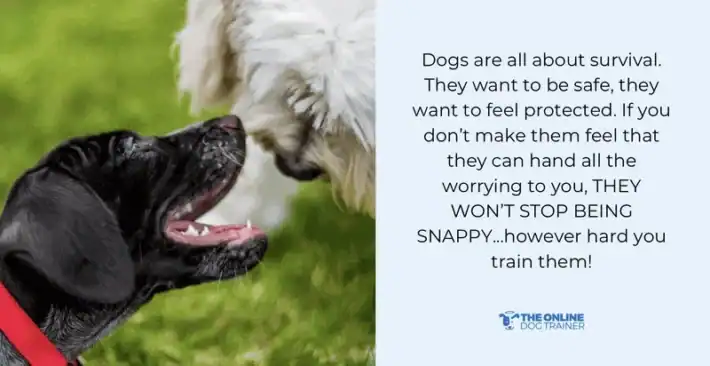
Credit: theonlinedogtrainer.com
Common Bad Behaviors In Dogs
Dogs can show many common bad behaviors. These actions may cause stress and trouble at home. Understanding these behaviors helps you manage them better. Each dog is different, but some problems appear often.
Excessive Barking
Barking is normal for dogs. Too much barking can annoy people and neighbors. Dogs bark to warn, play, or ask for attention. Sometimes, barking shows fear or boredom. Training and exercise help reduce loud barking.
Chewing And Destruction
Dogs chew to explore and relieve stress. Puppies chew more as they grow. Chewing furniture and shoes is common but unwanted. Provide safe chew toys and supervise your dog. Consistent training stops destructive chewing habits.
Jumping On People
Jumping is a way dogs greet others. This behavior can scare or hurt people. Teaching dogs to sit when greeting helps control jumping. Reward calm behavior to encourage good manners. Patience and practice are key to success.
Aggression And Growling
Aggression shows fear, pain, or protectiveness. Growling warns others to stay away. Understanding the cause is important for safety. Avoid punishment; use calm training methods. Professional help may be needed in some cases.
Digging And Escaping
Dogs dig to play, hide, or escape boredom. Some dogs dig to find cool spots or animals. Escaping can be dangerous and stressful. Provide exercise, toys, and a safe space. Secure fences and supervision reduce digging and escapes.
Reasons Behind Bad Behavior
Dogs show bad behavior for many reasons. Understanding these causes helps fix problems faster. Each dog is different, but some reasons are common. Knowing what makes your dog act out is the first step to change.
Lack Of Exercise
Dogs need daily exercise to stay healthy and calm. Without enough play or walks, they get restless. This restlessness can lead to chewing, barking, or digging. Exercise helps burn energy that might cause bad habits.
Boredom And Anxiety
Dogs feel bored or lonely when left alone too long. Boredom makes them find ways to entertain themselves. Anxiety can also cause whining or destructive acts. Giving toys or company can ease these feelings.
Improper Socialization
Dogs not used to people or other animals may act scared. Fear can turn into aggression or shyness. Socializing your dog helps them feel safe around others. This reduces fear-based bad behavior.
Inconsistent Training
Dogs need clear and steady rules to learn well. Confusing commands or changing rules cause stress. This stress can lead to disobedience or bad habits. Consistent training builds trust and good manners.
Basic Training Techniques
Basic training techniques help shape good behavior in dogs. These methods teach dogs what is right and wrong. Training builds trust between you and your pet. It makes daily life easier and more enjoyable. Start with simple steps and keep practice short and fun. Patience and calmness are key to success.
Positive Reinforcement
Reward good behavior with treats or praise. Dogs learn faster when they get rewards. Use small treats that your dog likes. Say “good” or “yes” in a happy tone. This helps dogs connect the reward to their action. Avoid punishment. Focus on what your dog does right.
Using Commands Effectively
Use clear and short commands like “sit,” “stay,” or “come.” Say the command once and wait for the dog to respond. Use the same words every time. Repeat training daily. Be patient and give time to learn each command. Keep your voice firm but kind.
Timeouts And Ignoring
Use timeouts to stop bad behavior calmly. Remove your dog from the situation for a few minutes. Avoid yelling or hitting. Ignoring bad behavior works too. Do not give attention when your dog misbehaves. Wait for good behavior before giving attention again.
Consistency In Rules
Set clear rules and follow them every day. Everyone in the family must use the same commands and rules. Do not allow bad behavior sometimes and punish it other times. Dogs learn best with steady rules. Consistency makes training faster and better.

Credit: www.amazon.com
Managing Specific Behaviors
Managing specific dog behaviors helps create a peaceful home for everyone. Each behavior needs a clear plan and consistent actions. Small steps lead to big improvements. Focus on one problem at a time.
Stopping Excessive Barking
Dogs bark to communicate. Too much barking can annoy neighbors and family. Identify what triggers the barking. Use calm commands like “quiet” or “enough.” Reward your dog when it stops barking. Avoid yelling, as it may increase barking.
Preventing Destructive Chewing
Chewing is natural for dogs but can damage your home. Provide safe chew toys. Remove items you don’t want chewed. Redirect your dog’s attention to toys. Praise your dog for chewing the right things. Keep shoes and cords out of reach.
Controlling Jumping
Jumping can be friendly but also unsafe. Ignore your dog when it jumps up. Wait for all four paws on the floor. Use a firm “no” and turn away. Reward calm behavior and gentle greetings. Teach visitors to do the same.
Reducing Aggression
Aggression needs careful handling. Stay calm and avoid punishment. Identify what causes aggression. Use positive reinforcement for calm actions. Keep your dog away from stressful situations. Seek help from a trainer if needed.
Discouraging Digging
Digging is fun for dogs but can ruin gardens. Provide a digging spot with loose soil. Bury toys or treats there to attract your dog. Block off other digging areas. Offer enough exercise to reduce boredom. Praise your dog for digging in the right place.
Tools And Aids For Training
Training your dog needs the right tools and aids. These tools help guide your dog’s behavior clearly. They make training easier for both you and your dog. Using the right aids can speed up learning and reduce frustration.
Training tools also keep your dog safe during lessons. They help teach commands and good habits effectively. Choosing the right aid depends on your dog’s size, age, and personality.
Leashes And Collars
Leashes and collars are basic training tools. They give control during walks and training sessions. A good leash keeps your dog close and safe. Collars come in many styles, like flat, martingale, or harness. Select one that fits well and feels comfortable. These tools help teach your dog to follow commands and walk calmly.
Clickers And Treats
Clickers and treats work well for positive reinforcement. The clicker makes a sharp sound to mark good behavior. Treats reward your dog and build motivation. This method helps dogs understand what you want. Use small treats to keep your dog focused and eager.
Crate Training
Crate training creates a safe space for your dog. It helps with housebreaking and reducing bad behavior. Dogs feel secure in their crate, like a den. Use the crate for short periods first. Make it comfortable with a soft bed or blanket. Never use the crate as punishment.
Interactive Toys
Interactive toys keep your dog busy and mentally active. They reduce boredom, which can cause bad behavior. Toys that dispense treats or puzzles work best. These toys challenge your dog’s mind and reward effort. Rotate toys often to keep your dog interested.

Credit: theonlinedogtrainer.com
When To Seek Professional Help
Knowing when to seek professional help is key to stopping bad dog behavior. Some problems need expert care to avoid worsening. Acting early can save time and stress for you and your dog.
Professional trainers and veterinarians have skills and tools to address serious issues. They guide you through proper steps to improve your dog’s behavior safely and effectively.
Recognizing Behavioral Issues
Not all bad behavior needs professional help. Simple problems can be fixed with patience and training at home. But watch for signs like aggression, fear, or constant barking. These may need expert attention.
If your dog shows sudden changes in behavior, it could signal deeper issues. Persistent biting, destroying things, or refusing to listen are strong warning signs. These behaviors affect safety and quality of life.
Choosing The Right Trainer
Pick a trainer with good experience and positive methods. Avoid trainers who use harsh punishment or fear-based techniques. Look for certifications or recommendations from trusted sources.
Visit the trainer and ask about their approach. A good trainer explains clearly and listens to your concerns. They should tailor training to your dog’s needs and personality.
Working With Veterinarians
Some behavior problems link to health issues. Pain, illness, or brain disorders can cause changes in behavior. A vet can check for these problems and suggest treatment.
Discuss behavior concerns with your vet during visits. They might recommend a specialist or medicine to help. Combining medical care with training often works best.
Maintaining Good Behavior Long-term
Maintaining good behavior in dogs requires steady effort and patience. It is not enough to train them once. Consistency helps dogs understand what is expected over time. Good habits form when training becomes part of daily life.
Long-term behavior depends on keeping dogs active, social, and well-trained. These three areas work together to support positive actions. Let’s explore how to maintain good behavior with simple routines.
Regular Exercise Routines
Exercise keeps dogs healthy and calm. A tired dog is less likely to act out. Daily walks and playtime help burn off extra energy. Choose activities that match your dog’s age and breed. Consistent exercise prevents boredom, which often leads to bad behavior.
Ongoing Socialization
Socializing dogs helps them feel safe around others. Meeting new people and dogs teaches good manners. Regular social experiences reduce fear and aggression. Visit parks or dog-friendly places often. Positive socialization builds confidence and good habits.
Reinforcing Training Daily
Practice commands every day. Short, frequent sessions work best. Reward good behavior with praise or treats. Clear and simple instructions help dogs learn faster. Regular training keeps lessons fresh and prevents old habits from returning.
Frequently Asked Questions
How Can I Stop My Dog From Chewing Furniture?
Provide plenty of chew toys and redirect your dog’s attention. Use bitter sprays on furniture. Consistent training and praise for good behavior help reduce chewing.
Why Does My Dog Bark Excessively And How To Stop It?
Dogs bark for attention, boredom, or anxiety. Identify triggers and remove them. Train your dog with commands like “quiet” and reward silence to control barking.
What Are Effective Ways To Correct Dog Jumping Behavior?
Ignore your dog when it jumps. Reward calm, four-paw behavior. Consistent training and teaching alternative greetings reduce jumping effectively.
How Do I Prevent My Dog From Digging In The Yard?
Provide a designated digging area and encourage use. Increase exercise and mental stimulation. Use deterrents like rocks or chicken wire to protect garden areas.
Conclusion
Stopping bad behavior in dogs takes time and patience. Consistent training helps your dog learn good habits. Rewarding good behavior encourages your dog to repeat it. Avoid punishment; it can cause fear and confusion. Use clear commands and gentle corrections every day.
Remember, your dog wants to please you. Stay calm and positive during training sessions. Small steps lead to big changes over time. Enjoy the process and build a strong bond with your dog. Good behavior makes life happier for both of you.
Keep practicing, and success will follow.


