

If you’ve just brought home an adult dog or want to improve your furry friend’s behavior, kennel training can be a game-changer. You might think it’s too late or too hard to teach an older dog new habits, but with the right approach, your dog can learn to love their kennel.
Imagine having a safe, calm space for your dog that helps reduce anxiety and keeps your home peaceful. Ready to discover simple, effective steps that make kennel training stress-free for both you and your dog? Keep reading to unlock the secrets to success.
Choosing The Right Kennel
Choosing the right kennel is a key step in training an adult dog. The kennel should feel safe and comfortable. It needs to match your dog’s size and habits. The right kennel helps your dog accept the space quickly. It also supports good habits and calm behavior.
Size And Comfort
Pick a kennel that fits your dog well. It should be large enough for your dog to stand, turn, and lie down. Too small feels cramped and uncomfortable. Too big may make your dog feel unsafe. Soft bedding inside adds comfort. A cozy kennel feels like a safe den.
Material Options
Choose a kennel made from strong, safe materials. Plastic kennels offer privacy and warmth. Wire kennels provide good airflow and visibility. Some dogs prefer one type over the other. Check for smooth edges to avoid injuries. The material should be easy to clean and durable.
Location Matters
Place the kennel in a quiet, low-traffic spot. Avoid noisy or busy areas that cause stress. The location should be warm but not too hot. Near family members can help your dog feel less alone. Good placement makes your dog more willing to enter the kennel.
Introducing The Kennel
Introducing the kennel to an adult dog is a gentle process. It helps your dog feel safe and calm in the new space. The goal is to make the kennel a positive place. This starts with how you present the kennel.
Making It Inviting
Place the kennel in a quiet, comfortable spot. Add soft bedding or a favorite blanket inside. Let your dog explore the kennel at their own pace. Leave the door open so the dog can come and go. Avoid forcing the dog inside. This builds trust and comfort.
Using Positive Reinforcement
Use treats and praise to encourage your dog. Give a treat when your dog approaches or enters the kennel. Speak in a calm, happy voice to create a good feeling. Never use the kennel as punishment. Positive moments make the kennel a safe place. Repeat these steps daily for best results.
Establishing A Routine
Establishing a routine is key to kennel training an adult dog. Dogs feel safe when their day follows a clear plan. A steady schedule helps them understand what to expect. It reduces stress and builds trust between you and your dog. Start by setting regular times for meals, potty breaks, and exercise. This structure makes kennel training easier and more effective.
Feeding Schedule
Feed your dog at the same times every day. Consistent meal times create a natural rhythm. This predictability helps your dog learn when to eat and rest. Avoid giving extra treats outside of set meals. Keep water available but monitor drinking near kennel time. A regular feeding schedule supports good kennel habits.
Consistent Potty Breaks
Take your dog out for potty breaks at fixed times daily. Before kennel time is important. Also, after meals and play sessions. This routine reduces accidents inside the kennel. Your dog will begin to wait for these breaks. Be patient and praise your dog for going outside. Consistency here builds trust and comfort.
Regular Exercise
Exercise your dog every day at similar times. Physical activity tires them out and lowers anxiety. A tired dog rests better in the kennel. Play, walks, or training sessions work well. Avoid exercise right before kennel time to prevent excitement. A steady exercise routine improves kennel cooperation.

Credit: www.ammothedachshund.com
Gradual Kennel Time Increase
Increasing kennel time slowly helps adult dogs adjust well. It builds comfort and trust inside the kennel. Sudden long stays can cause fear or anxiety.
Start with very short periods. Gradually add more time as the dog feels safe. This step-by-step method makes kennel training easier and more effective.
Short Sessions
Begin with just a few minutes in the kennel. Let the dog explore freely without closing the door at first. Give treats and praise to create a happy feeling.
Close the door for a short time once the dog is calm. Open it quickly to avoid stress. Repeat this often, slowly increasing the time inside.
Building Duration
Add a few minutes to kennel time every day. Watch the dog’s behavior for signs of discomfort. Stop increasing if the dog seems anxious or restless.
Use a calm voice and gentle touch before and after kennel time. This helps the dog feel safe and cared for. Consistency is key to success.
Avoiding Stress
Never force the dog into the kennel. Let them enter on their own. Keep the kennel in a quiet, comfortable place.
Provide soft bedding and a favorite toy inside. Avoid loud noises or sudden movements near the kennel. This lowers the chance of fear or stress.
Handling Resistance
Handling resistance is a common challenge in kennel training adult dogs. Dogs may feel unsure or scared about the crate. It is important to approach this gently and patiently. Understanding your dog’s feelings helps make training smoother. Small steps build trust and confidence. This section covers how to notice resistance and respond effectively.
Recognizing Signs Of Anxiety
Watch your dog closely during crate time. Signs of anxiety include pacing, whining, or scratching at the door. Some dogs may drool or try to escape. Heavy panting or trembling also shows fear. Recognizing these signs early helps you adjust your training. Ignoring anxiety can make resistance worse.
Calming Techniques
Use a soft voice to soothe your dog. Give gentle pets or brush their fur calmly. A favorite toy or blanket inside the crate adds comfort. Try playing quiet music to relax your dog. Avoid forcing the dog inside. Let your dog enter the crate at their own pace.
Adjusting The Approach
Change your method if your dog resists strongly. Shorten the time spent in the crate. Increase it slowly over days or weeks. Use treats to create a positive feeling about the crate. Practice opening and closing the door without locking it. Patience and flexibility help your dog accept the crate.
Reinforcing Good Behavior
Reinforcing good behavior helps your adult dog learn faster. It creates a positive experience inside the kennel. The dog feels safe and happy. This makes kennel training easier and more effective. Consistent reinforcement builds trust between you and your dog.
Reward Systems
Use treats to reward your dog for calm behavior. Give a small snack when your dog stays quietly in the kennel. Praise your dog with a gentle voice and petting. Rewards should come immediately after good behavior. This helps your dog connect the action with the reward.
Change rewards to keep your dog interested. Sometimes use toys or favorite chews instead of treats. Keep training sessions short but frequent. This keeps your dog motivated and eager to learn.
Ignoring Unwanted Behavior
Ignore whining or barking inside the kennel. Avoid giving attention when your dog acts out. Responding can teach your dog to repeat bad behavior. Stay calm and patient while your dog learns.
Wait for a quiet moment before giving rewards or praise. This teaches your dog that calmness brings positive results. Over time, unwanted behavior will decrease. Your dog will learn to enjoy the kennel as a peaceful place.
Common Mistakes To Avoid
Kennel training an adult dog can be tricky. Many owners make common mistakes that slow progress or cause problems. Avoiding these errors helps your dog feel safe and learn faster. Below are key mistakes to watch out for.
Using Kennel For Punishment
Never use the kennel to punish your dog. The kennel should be a safe place, not a jail. If the dog fears the kennel, it will resist going inside. Always use positive words and treats to make the kennel welcoming.
Inconsistent Training
Training must be consistent every day. Mixed signals confuse dogs and delay learning. Set a clear schedule for kennel time. Everyone in the house should follow the same rules and commands.
Neglecting Exercise Needs
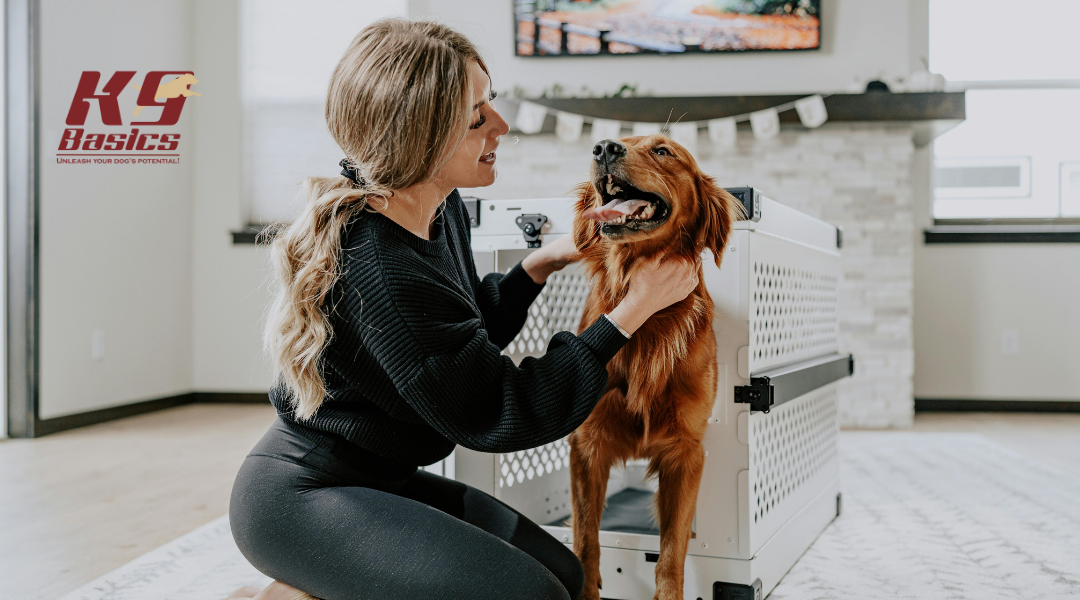
Dogs need exercise before kennel time. A tired dog stays calm and happy inside the kennel. Skipping walks or playtime leads to restless behavior. Spend time playing or walking your dog daily.
Credit: k9basics.com
Tips For Long-term Success
Keeping your adult dog comfortable and happy in their kennel takes effort. Success does not end after the first training days. Staying consistent and aware helps your dog feel safe and relaxed. Follow these tips to keep kennel training working well for a long time.
Maintaining Routine
Dogs thrive on routine. Set regular times for kennel stays. Use the kennel during naps, meals, and bedtime. This helps your dog know what to expect. A steady schedule reduces stress and builds trust. Keep your daily routine simple and predictable.
Regularly Refreshing Training
Training needs regular practice. Spend a few minutes each day near the kennel. Use treats and praise to remind your dog the kennel is a good place. Repeat short training sessions often to keep skills sharp. This keeps the kennel a positive spot in your dog’s mind.
Monitoring Dog’s Comfort
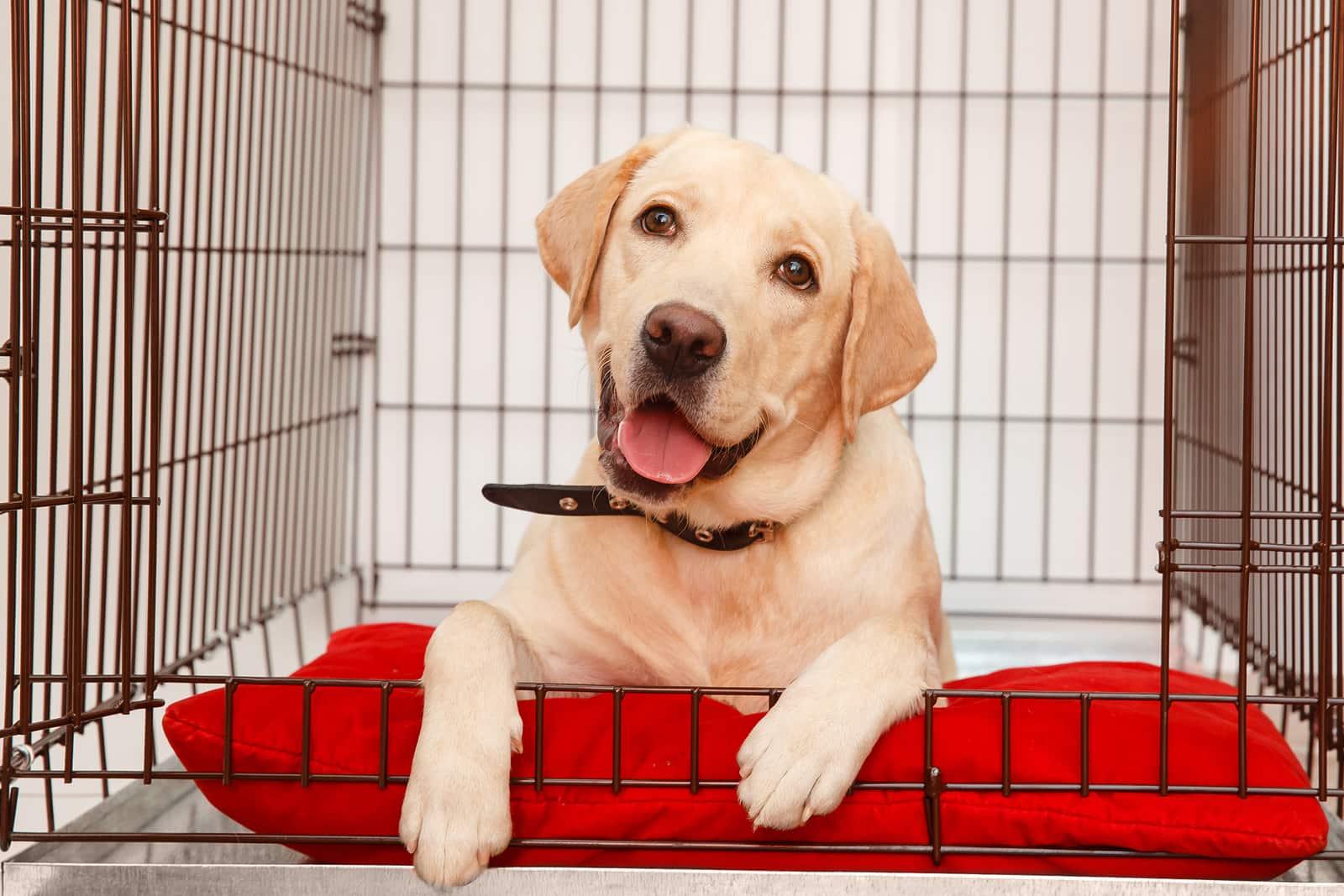
Watch how your dog acts in the kennel. Check for signs of stress like whining or scratching. Make sure the kennel is clean and cozy. Add soft bedding and a favorite toy. Adjust the size if it feels too small or big. Your dog’s comfort is key to success.
Credit: www.hillspet.com.au
Frequently Asked Questions
How Long Does Kennel Training An Adult Dog Take?
Kennel training duration varies but usually takes 1 to 3 weeks. Consistency and patience are crucial for success. Every dog adapts differently based on personality and past experiences.
What Are The Best Tips For Kennel Training Adults?
Start by making the kennel comfortable and inviting. Use treats and praise to encourage your dog inside. Gradually increase kennel time to build positive associations.
Can Adult Dogs Learn To Love Their Kennel?
Yes, adult dogs can learn to enjoy kennels. Positive reinforcement and gradual exposure help create comfort. Avoid forcing or rushing to prevent fear or anxiety.
How To Prevent Kennel Anxiety In Adult Dogs?
Keep kennel sessions short initially and always end on a positive note. Provide toys or blankets for comfort. Avoid using the kennel as punishment to reduce anxiety.
Conclusion
Kennel training an adult dog takes time and patience. Stay calm and consistent every day. Praise your dog for good behavior in the kennel. Make the kennel a safe and cozy place. Small steps lead to big progress. Keep sessions short and positive to avoid stress.
Trust grows when your dog feels comfortable inside. Soon, your dog will enjoy the kennel as a quiet space. Keep practicing, and success will follow naturally.

