

If you have a Chow dog or are thinking about getting one, understanding their unique behavior is key to building a strong bond. Chow dogs are known for their loyalty and independence, but they can also be a bit mysterious and stubborn.
You might wonder why your Chow acts a certain way or how to handle their moods. This article will help you unlock the secrets behind your Chow’s behavior, so you can enjoy a happier, more peaceful life together. Keep reading to discover simple tips and insights that will transform how you connect with your furry friend.
Chow Dog Origins
The origins of the Chow dog hold a rich story. This breed’s history shapes its unique behavior and traits. Understanding where Chow dogs come from helps explain their strong personality and loyalty.
Chow dogs have a past that dates back centuries. They were bred for specific roles that influenced their nature today.
Historical Background
Chow dogs come from northern China. They were used as hunting dogs and guard dogs. Their thick fur helped them survive cold weather. Ancient Chinese emperors valued Chow dogs for protection and companionship. Artifacts and paintings show Chow-like dogs over 2,000 years ago. These dogs were symbols of power and strength in Chinese culture.
Breed Development
The Chow breed developed through careful breeding over time. Early breeders focused on strong, alert dogs. The breed’s traits include independence and intelligence. Chow dogs were bred to be both fierce and loyal. Their behavior reflects their guarding background. Breeders worked to keep these qualities while making the dogs good family pets. Today’s Chow dogs still carry many original traits from their ancestors.
Key Personality Traits
Chow dogs have unique personality traits that make them special pets. Understanding these traits helps owners care for them better. Chow dogs are known for their strong character and distinct behaviors. Their personality shapes how they interact with people and other animals. Below are some key traits to know about.
Temperament
Chow dogs are calm and independent. They often seem reserved around strangers. Their loyalty to family is strong. They can be protective without being aggressive. Patience is important when training them. They do best with clear rules and gentle guidance.
Social Behavior
Chow dogs enjoy the company of close family members. They may be wary of new people. Early socialization helps them feel more comfortable. They usually do well with other pets if introduced slowly. Their social nature varies from dog to dog.
Energy Levels
Chow dogs have moderate energy. They like daily walks and playtime. Too much exercise can tire them quickly. Mental stimulation is also important for their well-being. Regular activity keeps them happy and healthy.
Common Behavioral Challenges
Chow dogs have unique behaviors that can challenge owners. Understanding these common issues helps manage your pet better. Each dog is different, but some patterns appear often. Awareness is the first step to a happier pet and home.
Aggression Tendencies
Chows can show aggression toward strangers and other animals. This is often due to their protective nature. Early socialization helps reduce this behavior. Training with positive reinforcement is key to control aggression. Watch for warning signs like growling or stiff body posture.
Stubbornness
Chows are known for their independent minds. They may refuse commands or ignore instructions. Consistent and patient training works best. Short training sessions keep their attention. Use clear and simple commands to avoid confusion.
Separation Anxiety
Many Chow dogs struggle when left alone. They may bark, chew, or show distress. Gradual alone time helps them adjust. Provide toys or treats to distract and comfort them. Creating a safe space reduces anxiety feelings.
Credit: www.newsweek.com
Training Techniques
Training Chow dogs requires patience and clear methods. These dogs are strong-willed. They respond best to calm and steady training. Good techniques help build trust and good behavior. Start training early for the best results.
Positive Reinforcement
Reward your Chow for good actions. Use treats, praise, or toys as rewards. This encourages them to repeat good behavior. Avoid punishment, which can make them fearful or stubborn. Positive reinforcement creates a happy learning environment.
Consistency Importance
Be firm and consistent with rules and commands. Use the same words and signals every time. Consistency helps your Chow understand expectations clearly. Mixed messages can confuse your dog and slow progress. Regular training sessions improve learning and obedience.
Early Socialization
Introduce your Chow to new people and pets early. This helps reduce fear and aggression later. Socialization teaches your dog how to behave in different settings. Take small steps and keep experiences positive. Early exposure builds confidence and calmness.
Exercise And Mental Stimulation
Chow dogs are strong and smart. They need both exercise and mental play to stay happy. Without enough activity, they may feel bored or restless. This can lead to unwanted behavior. Giving them daily exercise and mental challenges helps keep their mind sharp and body healthy.
Physical Activities
Chows enjoy walks and playtime in open spaces. Running and fetching toys helps them burn energy. Short, regular walks suit their build and energy level. Avoid too much exercise in hot weather. Swimming is a gentle way to exercise their muscles. Physical activity supports their health and mood.
Interactive Toys
Interactive toys keep Chows busy and thinking. Puzzle feeders make them work for treats. Toys that move or make noise catch their attention. These toys reduce boredom and stop destructive chewing. Changing toys often keeps things fresh and fun. Mental play makes Chows feel satisfied.
Training Games
Training games build skills and trust. Simple commands like sit, stay, and come are good starts. Use treats and praise to encourage learning. Short sessions work best to keep focus. Games like hide and seek stimulate their mind. Training creates a strong bond with your Chow.
Credit: www.adoptapet.com
Health And Behavior Link
The link between health and behavior in Chow dogs is strong. A healthy Chow tends to show more positive behavior. Illness or pain can change how they act. Understanding this link helps owners care for their pets better.
Common Health Issues
Chows face some common health problems. Hip dysplasia affects their movement and comfort. Skin allergies cause itching and discomfort. These issues can make Chows irritable or withdrawn. Regular vet visits help catch these problems early.
Impact On Behavior
Health problems often change a Chow’s behavior. Pain can cause aggression or fear. A sick dog may stop playing or eating. Behavior changes signal that something is wrong. Watching for signs helps keep your Chow happy.
Living With A Chow
Living with a Chow can be a rewarding experience. These dogs have unique traits that make them special companions. Understanding their behavior helps create a happy home for both you and your Chow. Each Chow has its own personality, but many share common needs and habits.
Home Environment
Chows prefer calm and stable surroundings. They enjoy quiet spaces where they can relax. A fenced yard gives them room to play safely. Chows do not like loud noises or crowded places. They feel more secure in a familiar setting. Giving them a cozy spot helps them feel at home.
Family Interaction
Chows are loyal and protective of their family. They bond deeply with their owners. They can be reserved with strangers but warm up over time. Young children should be gentle and calm around them. Chows appreciate clear rules and consistent training. Spending time together builds trust and friendship.
Grooming Needs
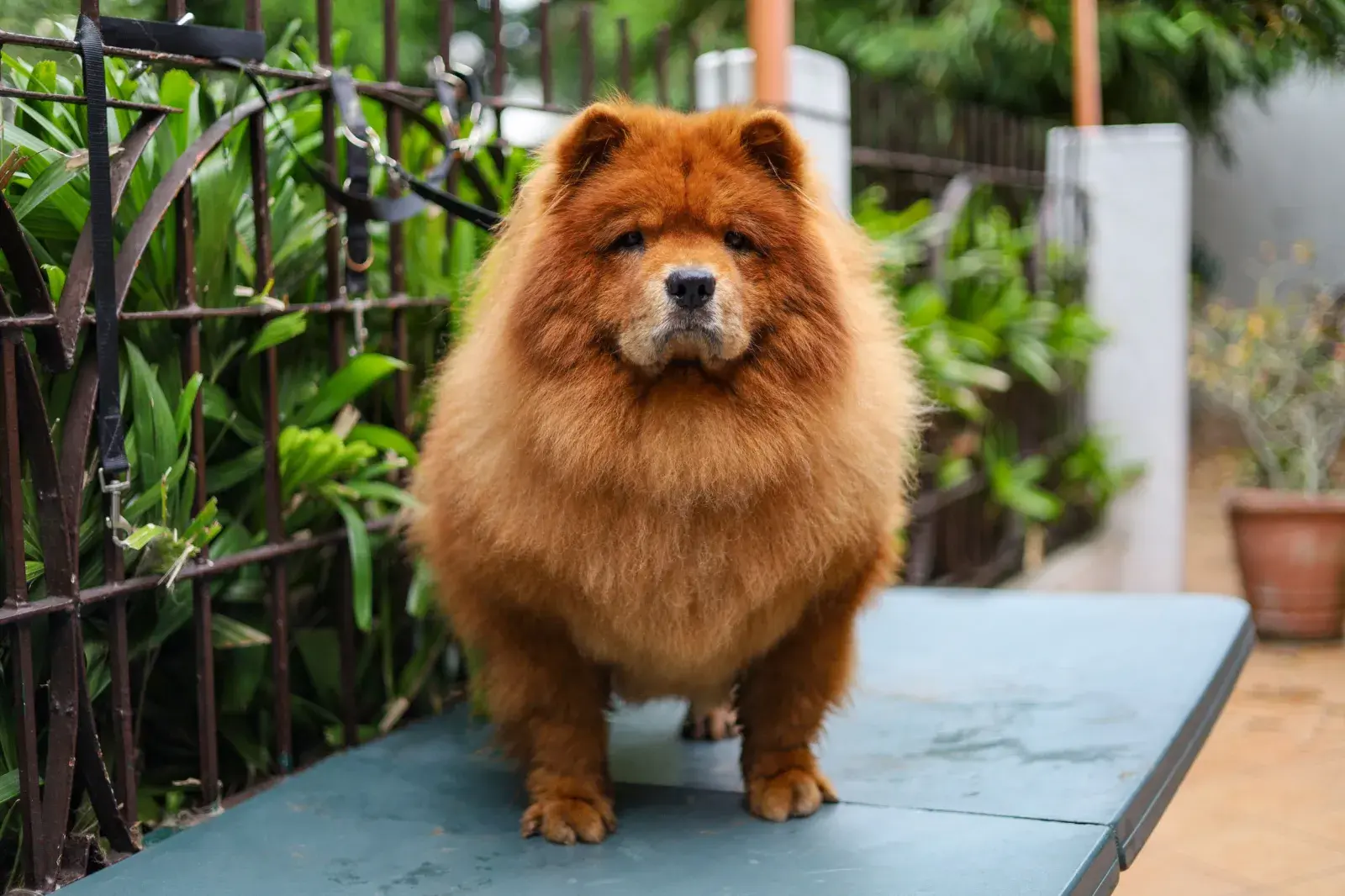
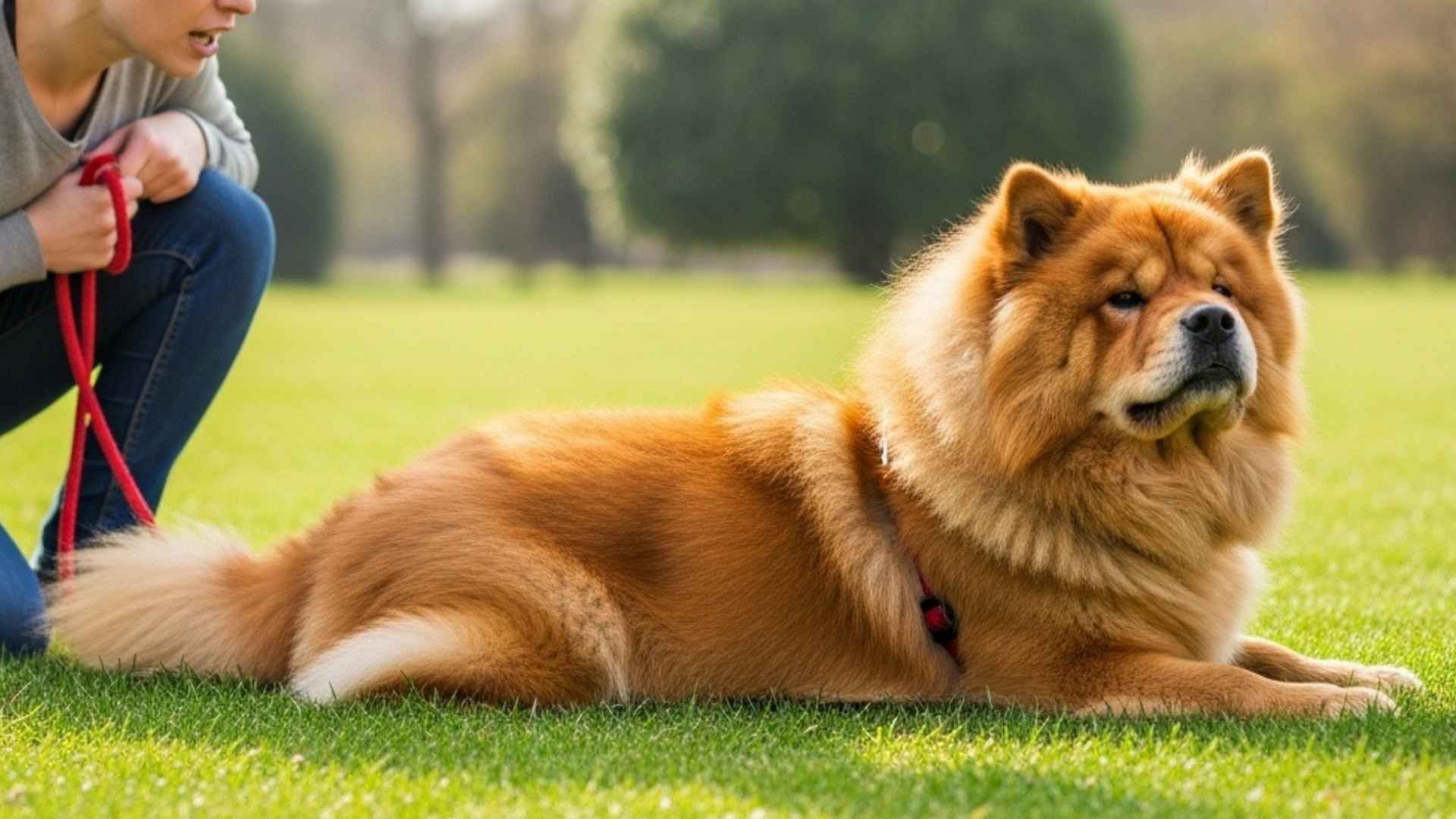
Chows have thick, fluffy coats that need regular care. Brushing several times a week prevents mats and tangles. They shed heavily twice a year. Bathing should be done only when necessary. Checking their ears and trimming nails keeps them healthy. Grooming is a great way to connect with your dog.
Credit: worldanimalfoundation.org
Frequently Asked Questions
What Are Common Traits Of Chow Dog Behavior?
Chow dogs are known for being independent, loyal, and reserved. They often act aloof with strangers but are affectionate with family. Their behavior includes strong territorial instincts and a calm demeanor, requiring consistent training and socialization to manage their protective nature effectively.
How Do Chow Dogs Behave Around Children?
Chow dogs can be good with children if socialized early. They tend to be protective but may not tolerate rough play. Supervision is important, and teaching kids to respect the dog helps foster a positive relationship between Chow dogs and children.
Why Do Chow Dogs Seem Stubborn?
Chow dogs are naturally independent thinkers, which can come across as stubbornness. They respond best to patient, consistent training with positive reinforcement. Understanding their personality helps owners manage their willful behavior and build a strong bond based on trust.
How Do Chow Dogs Express Affection?
Chow dogs show affection through gentle nudges, following their owners, and relaxed body language. They may also lean against people or sit close. While not overly demonstrative, their loyalty and calm presence are strong signs of their attachment.
Conclusion
Chow dogs have unique traits that need your attention. They can be loyal but also stubborn. Training them with patience works best. Socializing them early helps prevent future problems. Understanding their behavior builds a stronger bond. Each dog is different, so watch closely.
Care and love bring out their best side. Enjoy the journey with your Chow companion. Keep learning to meet their needs well. Good behavior starts with you.


