

Have you ever wondered if you can train your dog to be a service dog? You might be surprised to learn that with the right approach, patience, and dedication, your furry friend could provide the support you or someone you love needs every day.
But where do you start? What skills does your dog need? And how much time will it take? Keep reading, because this guide will answer your biggest questions and help you decide if training your dog as a service dog is the right path for you both.
Service Dog Basics
Service dogs play a crucial role in helping people with disabilities. These dogs are trained to perform specific tasks that assist their handlers daily. Understanding the basics of service dogs helps to know what makes them special and how they serve their owners.
Training a dog to be a service dog requires knowledge about their roles, skills, and rights. This section covers key points about service dogs and what you need to know before starting training.
What Makes A Service Dog
A service dog is trained to do tasks for a person with a disability. Tasks include guiding people who are blind, alerting deaf people, or pulling a wheelchair. The dog must behave well in public places. It must stay focused and calm during work.
Service dogs are not pets. They have special training to assist. Their behavior is controlled and reliable at all times.
Types Of Service Dogs
Service dogs help with many disabilities. Guide dogs assist people who are blind or have low vision. Hearing dogs alert deaf people to sounds. Mobility dogs help people with physical disabilities by fetching items or opening doors.
Other service dogs support people with medical conditions. Some detect seizures or low blood sugar. Each type of service dog has specific training for the handler’s needs.
Legal Rights And Protections
Service dogs have legal protections under the law. They can go to public places like stores, restaurants, and transportation. Businesses must allow service dogs to enter with their handler.
Owners do not have to pay extra fees for service dogs. They do not have to show proof of training but must prove the dog helps with a disability. These laws protect the rights of people who rely on service dogs.
Assessing Your Dog’s Suitability
Training a dog to be a service dog starts with understanding if your dog is a good fit. Not every dog can handle the tasks and pressure of service work. Assessing your dog’s suitability helps set clear expectations. It also guides your training approach and goals.
Think about your dog’s personality, health, and age. These factors affect how well your dog can learn and perform service tasks. This section breaks down what to consider before beginning training.
Temperament Traits
A service dog needs a calm and steady temperament. They should stay focused even with distractions around. Friendly and gentle behavior is important for interacting with many people. Aggression or fearfulness can make service tasks unsafe. Confidence and patience help dogs handle new situations calmly. Look for dogs that enjoy working closely with their handler.
Physical Requirements
Service dogs perform tasks that often need strength and stamina. Your dog should be strong enough to help with physical tasks. Good mobility is important for walking or guiding. Dogs with physical disabilities may struggle with service work. Healthy teeth and paws also matter for comfort and safety. Check that your dog can handle the physical demands without pain.
Age And Health Factors
Young dogs can learn quickly but may lack focus. Older dogs might have health issues that limit training. Ideal service dogs are usually between one and five years old. Regular vet checkups ensure your dog stays healthy during training. Chronic illnesses or joint problems reduce a dog’s ability to work. Consider your dog’s lifespan and energy level for long-term service work.
Training Foundations
Training a dog to become a service dog starts with strong foundations. These basics set the stage for more advanced skills. Focus on clear and consistent training methods. This helps your dog understand what you expect.
Training foundations include obedience, social skills, and focus. These build good habits and discipline. They make the dog reliable and calm in many situations.
Basic Obedience Skills
Teach your dog simple commands first. Sit, stay, come, and heel are key. These commands create control and safety. Practice daily in short sessions. Use praise and treats to encourage good behavior.
Socialization Techniques
Expose your dog to different places and people. This reduces fear and anxiety in new environments. Introduce calm dogs and friendly strangers. Keep experiences positive and slow. Socialization helps your dog stay calm in public.
Building Focus And Discipline
Train your dog to pay attention only to you. Use games and exercises that require focus. Reward your dog when it ignores distractions. Teach patience through waiting and quiet time. This discipline is essential for service work.
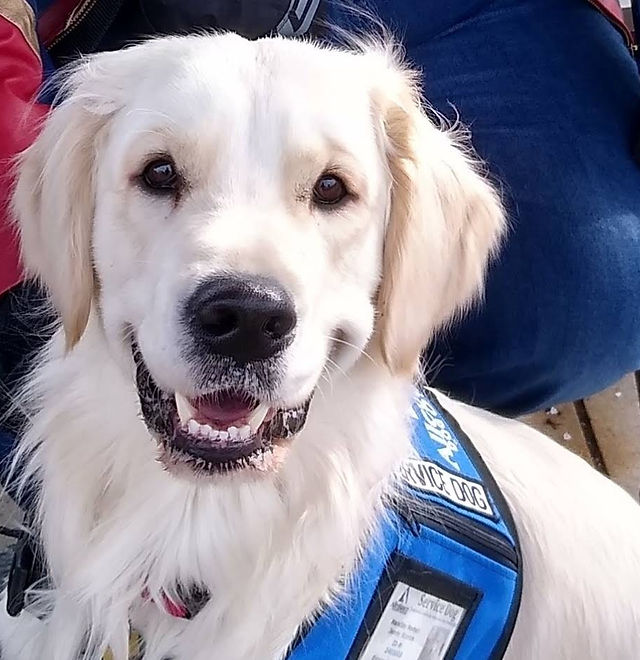
Credit: www.doggystars.org
Specialized Service Training
Specialized service training shapes a regular dog into a reliable helper. This training focuses on teaching specific skills that support a person’s daily needs. It also prepares dogs to behave well in public and handle distractions calmly. These elements make service dogs trustworthy and effective.
Task-specific Skills
Every service dog learns tasks based on the owner’s needs. Some dogs alert to sounds, like a doorbell or alarm. Others guide people with vision problems or help with mobility. Training focuses on these special skills, so the dog can perform them on command. Repetition and patience are key during this stage.
Public Access Training
Service dogs must behave well in public places. Training includes walking calmly on a leash and ignoring strangers. Dogs learn to stay close and not bark or jump. They practice entering stores, restaurants, and public transport. This training helps dogs stay focused and safe around people and other animals.
Handling Distractions
Distractions can break a dog’s focus. Training teaches dogs to ignore noises, smells, and movements. Dogs learn to stay calm even in busy or noisy places. This skill ensures they can assist their owner without interruption. It takes time and consistent practice to build this ability.
Tools And Resources
Training a dog to become a service dog needs the right tools and resources. These help guide the training process and improve results. Using proper equipment and support can make the journey easier for both you and your dog.
Training Equipment
Good training equipment is key for teaching service tasks. Basic tools like a sturdy leash and collar keep control during training. A harness designed for service dogs helps signal the dog’s role. Clickers can mark good behavior clearly. Treat pouches make rewarding your dog fast and simple. These items make training more effective and organized.
Professional Assistance
Professional trainers bring expert knowledge to service dog training. They show the right techniques and correct mistakes early. Trainers can customize lessons to fit your dog’s needs. Some specialize in service dog skills, offering focused help. Their guidance increases your dog’s chance to succeed. Booking sessions with a trainer saves time and stress.
Online And Local Support
Many websites offer tips and tutorials for service dog training. Online forums connect you with other trainers and owners. Sharing challenges and advice helps keep you motivated. Local clubs or groups provide hands-on practice and socializing for your dog. These communities give support and useful feedback. Accessing these resources improves training progress and confidence.

Credit: atlasdog.org
Common Challenges
Training a dog to be a service dog involves many challenges. It takes time, patience, and the right approach. Understanding common hurdles helps prepare better for the journey. This section highlights key difficulties you may face.
Behavioral Obstacles
Not all dogs have the right temperament for service work. Some may be too shy or too aggressive. Distractions can easily break their focus. Training must address these behaviors early. Teaching calmness and obedience is essential. Persistent problems may require professional help.
Consistency Issues
Regular training sessions matter a lot. Inconsistent practice confuses dogs. They learn best with steady routines. Every handler must apply the same commands. Mixed signals slow down progress. Consistency builds trust and clear communication.
Legal And Certification Myths
Many believe service dogs need official certificates. No single government certificate exists for service dogs. Laws focus on behavior and training, not badges. Misunderstandings can cause frustration. Knowing the real rules prevents problems in public places.
Maintaining Service Dog Skills
Maintaining service dog skills is vital for your dog’s reliability and safety. Service dogs need constant training to keep their tasks sharp. Skills can fade without regular practice and care. This section covers how to keep your dog ready and confident in their role.
Regular Practice Routines
Practice daily to reinforce commands and tasks. Short, focused sessions work best. Use consistent cues and rewards to motivate your dog. Practice in different places to build confidence. This helps your dog respond well in many settings.
Health And Wellness Care
Healthy dogs perform better in their roles. Schedule regular vet check-ups to spot issues early. Proper diet and exercise keep your dog strong. Grooming prevents discomfort and distractions. Always watch for signs of stress or fatigue.
Ongoing Socialization
Service dogs must stay calm around people and animals. Introduce your dog to new environments often. Controlled social interactions build good behavior. This reduces anxiety and improves focus. Socialization helps your dog handle unexpected situations.

Credit: x.com
Frequently Asked Questions
Can I Train My Dog To Be A Service Dog Myself?
Yes, you can train your dog to be a service dog at home. However, it requires consistent training, patience, and knowledge of specific tasks your dog must perform to assist with your disability.
What Skills Must My Dog Learn To Be A Service Dog?
Your dog must learn obedience, public access manners, and specific tasks related to your disability. These skills help your dog support you safely and effectively in various situations.
How Long Does It Take To Train A Service Dog?
Training a service dog typically takes 6 months to 2 years. The duration varies based on the dog’s ability, the handler’s commitment, and the complexity of required tasks.
Are There Legal Requirements For Training A Service Dog?
Yes, service dogs must be trained to perform tasks directly related to a disability. While no formal certification is required, dogs must meet public access standards under the ADA.
Conclusion
Training a dog to be a service dog takes time and effort. It needs patience, consistency, and the right skills. Not every dog is suited for this role. Professional guidance can help you achieve better results. Service dogs must behave well in public and follow commands.
Your bond with your dog grows stronger through training. Remember, training a service dog is a serious commitment. It can change lives but requires dedication every day. Think carefully about your goals before starting this journey.


