

Training a new puppy is one thing, but what if your furry friend is older and hasn’t been house trained yet? You might feel frustrated or unsure where to start.
The good news is, it’s never too late to teach your dog good bathroom habits. With the right approach and a little patience, you can create a clean, happy home for both you and your dog. Keep reading to discover simple, effective steps that will make house training your older dog easier than you think.
Your dog—and your home—will thank you!
Assessing Your Dog’s Needs
Before starting house training an older dog, understanding their needs is key. Each dog has a unique background and health status. Knowing these details helps create a better training plan. Assessing your dog’s needs sets a clear path to success and reduces frustration.
Evaluating Previous Training
Check if your dog has any past house training experience. Some older dogs may already know basic commands or rules. Others might have gaps in their training. Knowing their level helps you decide where to begin. This saves time and avoids repeating what they already know.
Health Checkup Importance
Take your dog to the vet for a health check. Urinary or digestive problems can cause accidents indoors. Older dogs often face health issues that affect training. A clean bill of health ensures no hidden problems interfere with house training. It also helps rule out pain or discomfort as a cause of accidents.
Identifying Triggers And Habits
Watch your dog’s daily habits closely. Notice when and where accidents happen. Identify any triggers like stress, excitement, or fear. Habits like drinking a lot of water at night can affect training. Understanding these patterns helps you adjust your training plan. It also helps prevent accidents before they occur.
Credit: kcdawgz.com
Setting Up A Training Space
Setting up a training space is crucial for house training an older dog. This space should be safe, quiet, and easy to clean. It will help your dog understand where they should stay and where they should not. A well-organized area makes training easier for both you and your dog.
Choosing The Right Area
Select a spot in your home with low traffic and few distractions. Avoid noisy places like near the TV or kitchen. Choose a space close to a door leading outside. This helps your dog learn to go out when needed. Make sure the floor is easy to clean, like tile or hardwood.
Using Crates And Gates
Use a crate or baby gates to limit your dog’s movement. This prevents accidents in the house. A crate can become a safe den for your dog. Gates help create boundaries without making your dog feel trapped. Change the space size as your dog learns and improves.
Creating A Comfortable Environment
Add soft bedding and toys to make the space cozy. Keep fresh water available at all times. Make the area calm and inviting to reduce stress. Older dogs need comfort to feel safe during training. Praise and gentle petting reinforce good behavior in this space.
Establishing A Routine
Establishing a routine is key to house training an older dog. Older dogs thrive on predictability. A steady schedule helps them learn where and when to go potty. It also reduces accidents inside the house. Creating a clear pattern makes the process smoother for both of you.
Consistent Feeding Times
Feed your dog at the same times every day. Regular feeding controls when your dog needs to go. Avoid free-feeding or random meal times. This helps you predict when your dog will need a bathroom break. Consistency in feeding supports a steady potty schedule.
Regular Potty Breaks
Take your dog outside at set times each day. Morning, after meals, and before bedtime are good times. Older dogs may need more frequent breaks. Watch how often your dog needs to go and adjust your routine. Regular potty breaks reduce accidents and build good habits.
Monitoring Signs And Signals
Learn your dog’s signals for needing to go out. Sniffing, circling, or pacing often means it’s time. Respond quickly to these signs. Older dogs may have subtle ways of telling you. Watching closely helps prevent accidents and strengthens your routine.
Credit: www.purina.com
Positive Reinforcement Techniques
Positive reinforcement is key to house training an older dog. It helps build trust and encourages good habits. This method focuses on rewarding the behaviors you want to see. Dogs learn faster when they feel safe and happy. Using positive reinforcement creates a strong bond between you and your dog.
Rewarding Desired Behavior
Notice when your dog goes potty outside or uses the right spot. Praise them immediately. Give a treat or a gentle pet. This shows your dog what you like. Repeat this often. Consistency helps your dog understand the rules. Over time, your dog will choose the right place by itself.
Using Treats And Praise
Choose small, tasty treats your dog loves. Use these as rewards right after good behavior. Speak in a happy, calm voice. Say “Good job” or “Well done.” This makes your dog feel proud. Treats and praise work together to motivate your dog. Avoid giving treats at other times to keep them special.
Avoiding Punishment
Never punish your dog for accidents. Punishment can cause fear and confusion. It may make your dog hide or stop trying. Instead, clean accidents quietly without scolding. Focus on rewarding good behavior. This helps your dog feel safe and willing to learn. Patience is important for success.
Managing Accidents Effectively
Managing accidents effectively is key when house training an older dog. Accidents are normal but need clear handling. How you respond impacts your dog’s learning and comfort. Stay calm and consistent. This helps your dog feel safe and understand what to do next.
Cleaning Up Properly
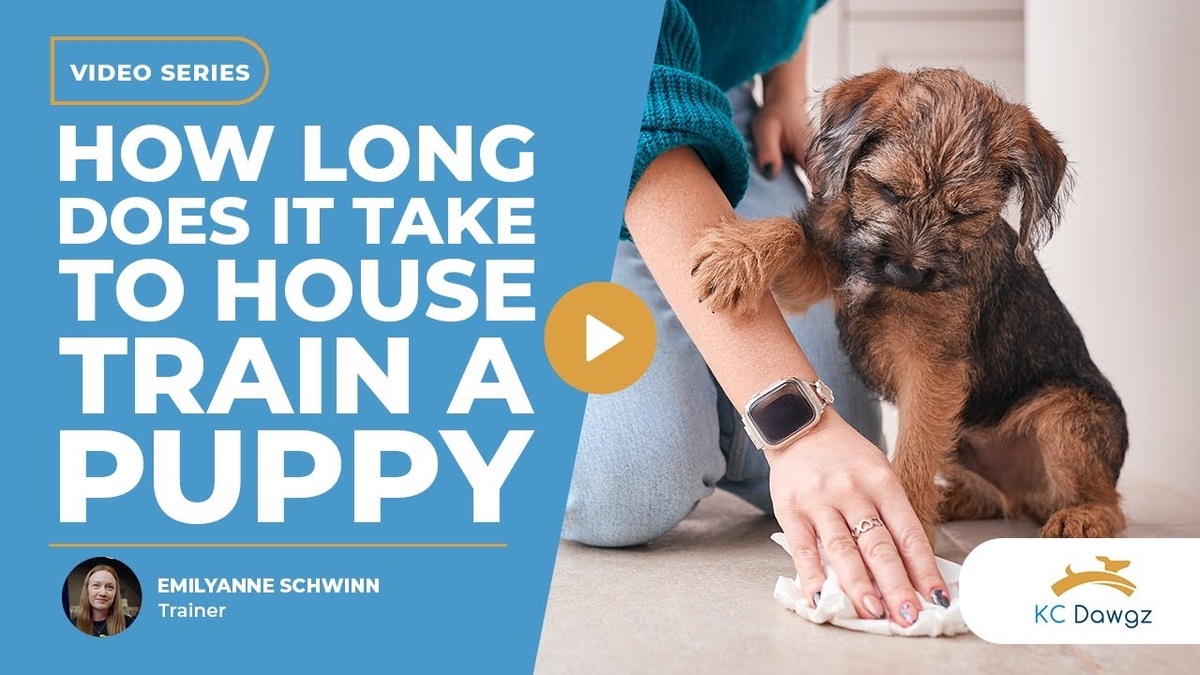
Clean accidents quickly and well. Use an enzymatic cleaner to remove all smells. Regular cleaners may not remove odors fully. If your dog smells urine, they might return to the spot. Avoid ammonia-based cleaners because they smell like urine to dogs.
Wear gloves to protect your hands. Blot the area with paper towels first. Then spray the cleaner and let it sit. Wipe the area dry before your dog has access. A clean area helps stop repeat accidents.
Ignoring Unwanted Behavior
Do not punish your dog for accidents. Yelling or scolding can cause fear and confusion. Your dog won’t connect punishment with the accident. Instead, stay calm and quiet. Ignore the accident and focus on teaching the right behavior.
Reward your dog when they go outside or on the right spot. Positive attention teaches your dog what you want. Patience helps your dog learn without stress.
Redirecting Your Dog
If you catch your dog about to have an accident, act quickly. Gently take them outside to their bathroom spot. Use a calm voice to guide them. Praise your dog when they finish outside. This shows them where to go.
Keep your dog’s schedule regular for bathroom breaks. Older dogs benefit from frequent chances to go out. This lowers accidents and builds good habits. Redirecting helps your dog learn without harsh corrections.
Incorporating Exercise And Mental Stimulation
Exercise and mental stimulation play a key role in house training an older dog. They help your dog focus and reduce accidents indoors. A tired dog is less likely to have accidents. Mental challenges keep your dog’s mind sharp and engaged.
Daily Walks And Playtime
Take your dog for daily walks to burn energy. Walks also help your dog learn bathroom habits outside. Playtime with toys or fetch lets your dog use up extra energy. Regular exercise builds good habits and strengthens your bond.
Training Games
Simple training games can improve your dog’s focus. Use treats to teach commands like sit, stay, or come. These games keep your dog’s mind active and alert. Mental exercise reduces boredom that causes accidents.
Reducing Anxiety And Stress
Exercise and mental activities calm anxious dogs. A calm dog has fewer accidents inside. Use gentle play or chew toys to ease stress. Keep a quiet, safe space for your dog to relax.
When To Seek Professional Help
House training an older dog can be challenging. Sometimes, basic methods do not work. This is when seeking professional help becomes important. Professionals can provide guidance and support tailored to your dog’s needs.
Signs Of Behavioral Issues
Watch for frequent accidents inside the house. Notice if your dog avoids the potty area. Aggression or fear during training is a red flag. Constant whining or barking can signal stress. These signs may mean deeper problems need expert help.
Choosing A Trainer Or Behaviorist
Pick a trainer with experience in older dogs. Check if they use positive reinforcement methods. Ask about their certification and training style. A good trainer listens to your concerns. They should explain the plan clearly and kindly.
Additional Support Options
Consider group classes for social learning. Veterinary advice can rule out medical causes. Some dogs benefit from behavioral therapy. Online resources and support groups can help owners too. Combining approaches often leads to better results.
Credit: dogsquest.com
Frequently Asked Questions
How Long Does House Training An Older Dog Take?
House training an older dog typically takes 4 to 6 weeks. Consistency and patience are crucial for success. Older dogs may need more time due to ingrained habits but can learn with regular routines and positive reinforcement.
What Are The Best Techniques For Training Older Dogs?
Use positive reinforcement, consistent schedules, and patience. Break tasks into small steps and reward good behavior. Avoid punishment to build trust. Frequent outdoor trips help older dogs understand where to eliminate.
Can Medical Issues Affect House Training In Older Dogs?
Yes, medical problems like urinary tract infections or arthritis can impact training. Consult a vet to rule out health issues. Treating medical conditions often improves house training success significantly.
How Can I Prevent Accidents Inside With An Older Dog?
Supervise your dog closely and use crate training if needed. Clean accidents promptly with enzyme cleaners to remove odors. Establish a consistent bathroom schedule to reduce indoor accidents.
Conclusion
House training an older dog takes time and patience. Keep routines clear and consistent each day. Praise your dog often to encourage good habits. Expect some accidents, but don’t get discouraged. Use gentle corrections and lots of love. Older dogs can learn new habits with care.
Stay calm and keep trying every day. Soon, your dog will understand and follow the rules. Enjoy the bond that grows during training. Every small step is progress worth celebrating. Trust the process and your dog’s ability to learn.

