

Imagine enjoying a peaceful walk with your dog, no leash holding you back. You want your furry friend to roam freely, explore, and still come when you call.
But how do you get there safely and confidently? Training your dog off leash is more than just a trick—it’s a skill that builds trust and strengthens your bond. You’ll discover simple, effective steps to help your dog stay close, listen, and respond, even without a leash.
Ready to unlock the freedom you both deserve? Let’s dive in.

Credit: www.gentledogtraining.com
Preparing Your Dog For Off-leash Training
Preparing your dog for off-leash training is an important step. It helps keep your dog safe and obedient. This phase builds the foundation for freedom without the leash. Focus on your dog’s behavior, skills, and bond with you. These factors decide how well off-leash training will go.
Assessing Your Dog’s Readiness
First, check if your dog listens well on a leash. Your dog should respond quickly to basic commands. Watch for signs of distraction or fear. Only start off-leash training if your dog stays calm in busy places. Some dogs need more time to mature before going off-leash. Health and age also matter. A young or very old dog might struggle with off-leash control.
Basic Obedience Commands
Teach simple commands like sit, stay, come, and heel. These help control your dog at all times. Practice commands daily in different places. Use clear, consistent words and gestures. Reward your dog with treats or praise for obeying. This makes learning fun and effective. Without these skills, off-leash training can be unsafe.
Establishing Trust And Communication
Build a strong bond with your dog before going off-leash. Spend quality time playing and training together. Let your dog see you as a leader and friend. Use gentle voice tones and body language. Avoid yelling or harsh punishment. Trust helps your dog listen even when distractions appear. Good communication keeps your dog close and responsive.
Credit: beenbuu.com
Choosing The Right Environment
Choosing the right environment is key for teaching your dog to stay off leash. The right place helps your dog focus and learn safely. It lowers risks and builds confidence. Careful selection of the training spot sets the stage for success.
Starting In A Controlled Space
Begin training in a small, enclosed area. A fenced yard or quiet room works well. This space limits distractions and keeps your dog close. It lets your dog practice commands without danger. The controlled space helps your dog understand what you want.
Gradual Exposure To Open Areas
After your dog learns in the controlled space, move to bigger places. Choose open parks or empty fields next. Let your dog explore but stay nearby. Increase the space slowly as your dog shows good control. This step builds trust and prepares your dog for more freedom.
Avoiding Distractions Initially
Keep the first sessions distraction-free. No other dogs, people, or loud noises. This keeps your dog’s focus on you. Too many distractions can confuse or scare your dog. Once your dog listens well, add gentle distractions to test control.
Effective Training Techniques
Training your dog to be off leash requires patience and the right techniques. Effective training techniques build trust between you and your dog. They help your dog listen and respond even without a leash. Consistent practice with these methods will make off-leash time safe and fun.
Using Positive Reinforcement
Positive reinforcement means rewarding good behavior. Use treats, praise, or toys to motivate your dog. Give rewards immediately after your dog follows a command. This helps your dog connect the action with the reward. Avoid punishment as it can create fear and confusion. Keep training sessions short and fun to keep your dog interested.
Recall Training Methods
Recall training teaches your dog to come back to you. Start in a quiet, enclosed area to avoid distractions. Call your dog with a happy voice and a clear command like “come”. Reward your dog when it comes quickly. Practice often and increase the distance gradually. Use a long leash for safety during early training.
Incorporating Hand Signals
Hand signals help your dog understand commands visually. Use simple, clear gestures for each command. For example, a raised hand can mean “stop”. Show the signal every time you say the command. Combine hand signals with verbal commands at first. Over time, your dog will respond to signals alone.
Credit: www.urbanpawsibilities.com
Safety Measures And Tools
Training your dog off leash is a rewarding experience. Safety is the top priority during training sessions. Using the right tools and methods keeps your dog safe. It also helps you control your dog in different situations. Understanding safety measures builds trust between you and your dog. This section covers important safety tips and tools for off-leash training.
Selecting The Best Training Gear
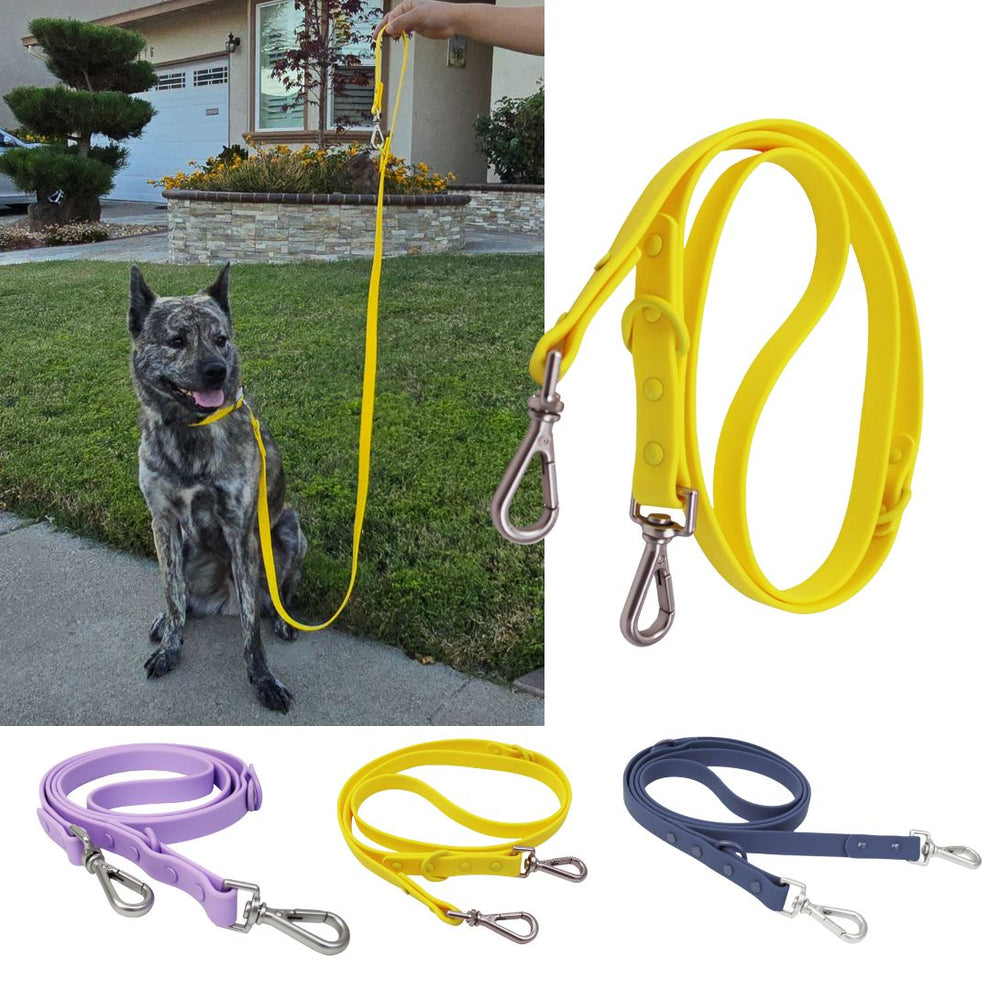
Choose gear designed for off-leash training. A well-fitting collar or harness is key. Look for durable materials that won’t break easily. A long training leash helps during early stages. It gives your dog freedom while keeping control. Use a lightweight leash that won’t weigh down your dog. A clicker or whistle can support your commands. These tools aid clear communication between you and your dog.
Emergency Recall Strategies
Have a strong recall command ready. It can bring your dog back immediately. Practice recall in safe, enclosed areas first. Reward your dog every time it returns quickly. Use treats or praise to encourage good behavior. Keep calm and avoid shouting during recalls. A reliable recall saves your dog from dangerous situations. Prepare for unexpected distractions or wildlife encounters. Train your dog to respond even in excitement.
Monitoring Your Dog’s Behavior
Watch your dog closely during off-leash time. Notice signs of stress or distraction early. If your dog starts wandering too far, call it back. Observe body language for tiredness or discomfort. Stop training if your dog seems scared or tired. Regular breaks help maintain focus and safety. Pay attention to surroundings for hazards like cars or other animals. Adjust training plans based on your dog’s mood and energy.
Troubleshooting Common Challenges
Training your dog to stay off leash is a rewarding experience. Challenges may appear along the way. Knowing how to fix these problems helps keep training on track.
Understanding common issues makes training smoother. It also builds a stronger bond between you and your dog. Here are key tips to solve typical training problems.
Dealing With Distractions
Distractions can pull your dog’s attention away. Start training in quiet places. Gradually add more distractions as your dog improves.
Use high-value treats or toys to bring focus back. Keep training sessions short but frequent. Reward your dog quickly when they listen.
Handling Hesitation Or Fear
Some dogs hesitate or feel scared off leash. Move slowly and avoid forcing your dog. Give gentle encouragement and praise for small progress.
Build trust by practicing in safe, familiar areas. Use calm tones and stay patient. Let your dog explore at their own pace.
Correcting Unwanted Behaviors
Unwanted behaviors can appear during off-leash training. Address issues like running away or ignoring commands immediately.
Use clear, consistent commands and firm but kind corrections. Avoid punishment that frightens your dog. Reward good behavior to reinforce learning.
Maintaining Off-leash Success
Maintaining off-leash success requires ongoing effort. Training does not end once your dog is off the leash. Consistency and regular practice keep your dog safe and obedient. It also strengthens your bond and trust.
Consistent Practice Routines
Practice off-leash commands regularly. Short sessions every day work best. Choose quiet, safe areas for training. Repeat commands clearly and calmly. Reward your dog often with treats or praise. Consistency helps your dog remember what to do.
Periodic Refreshers
Dogs can forget commands without reminders. Schedule refresher sessions every few weeks. Review basic commands like “come,” “stay,” and “heel.” Use the same training methods you started with. Refreshers keep your dog sharp and focused. They prevent bad habits from forming.
Adapting Training As Your Dog Ages
Training needs change as dogs grow older. Older dogs may lose some speed or hearing. Adjust your commands and rewards to fit their needs. Use more patience and gentle encouragement. Keep training fun and stress-free. This helps your dog stay confident and happy off leash.
Frequently Asked Questions
How Long Does Off-leash Training Take?
Off-leash training duration varies by dog and consistency. Typically, it takes weeks to months. Regular practice and positive reinforcement speed progress. Patience and gradual exposure are key for success.
What Are Essential Commands For Off-leash Training?
Basic commands like “come,” “sit,” “stay,” and “heel” are vital. Reliable recall ensures safety off leash. Teaching these commands builds trust and control during training sessions.
How To Ensure Dog’s Safety Off Leash?
Always train in secure, fenced areas initially. Use a long leash or training line for control. Monitor your dog closely and avoid busy or dangerous locations. Safety ensures a positive off-leash experience.
Can All Dogs Be Trained Off Leash?
Most dogs can learn off-leash skills with patience. Some breeds may require extra effort due to instincts. Training success depends on individual temperament and consistent practice.
Conclusion
Training your dog off leash takes patience and practice. Start with small steps and stay consistent every day. Always reward good behavior to encourage your dog. Keep training sessions short and fun to hold their attention. Safety matters; choose safe places for off-leash practice.
Trust grows over time as your dog learns commands well. Off-leash training builds a stronger bond between you and your pet. Stay calm and positive, and enjoy the process together.


