
Does your dog hide at the sound of a doorbell or tremble around new people? A frightened dog can make daily life stressful for both of you.
But you can help your furry friend feel safe and confident again. Imagine turning their fear into trust, one small step at a time. In this guide, you’ll discover simple, proven ways to train a scared dog—methods that build comfort and connection.
Keep reading, and you’ll learn how to bring calm and joy back into your dog’s world.
Credit: www.akc.org
Recognize Fear Signals
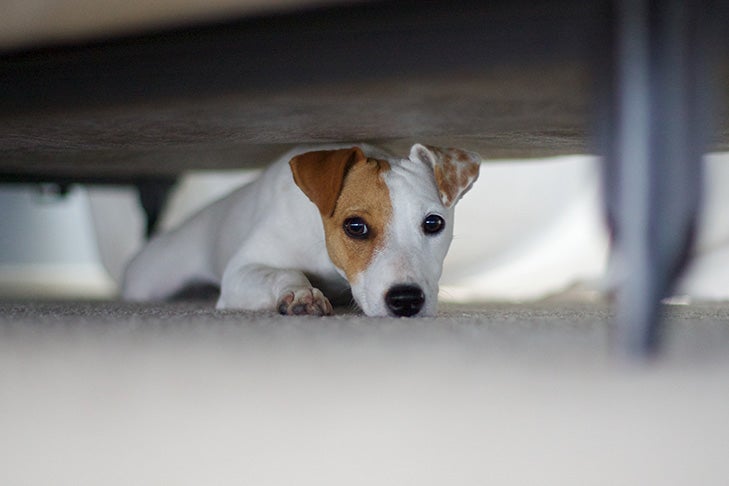
Recognizing fear signals in a dog is the first step in training a frightened dog. Dogs cannot speak, so their body language tells us how they feel. Understanding these signs helps you respond with care and patience. This builds trust and makes training safer and more effective.
Body Language To Watch
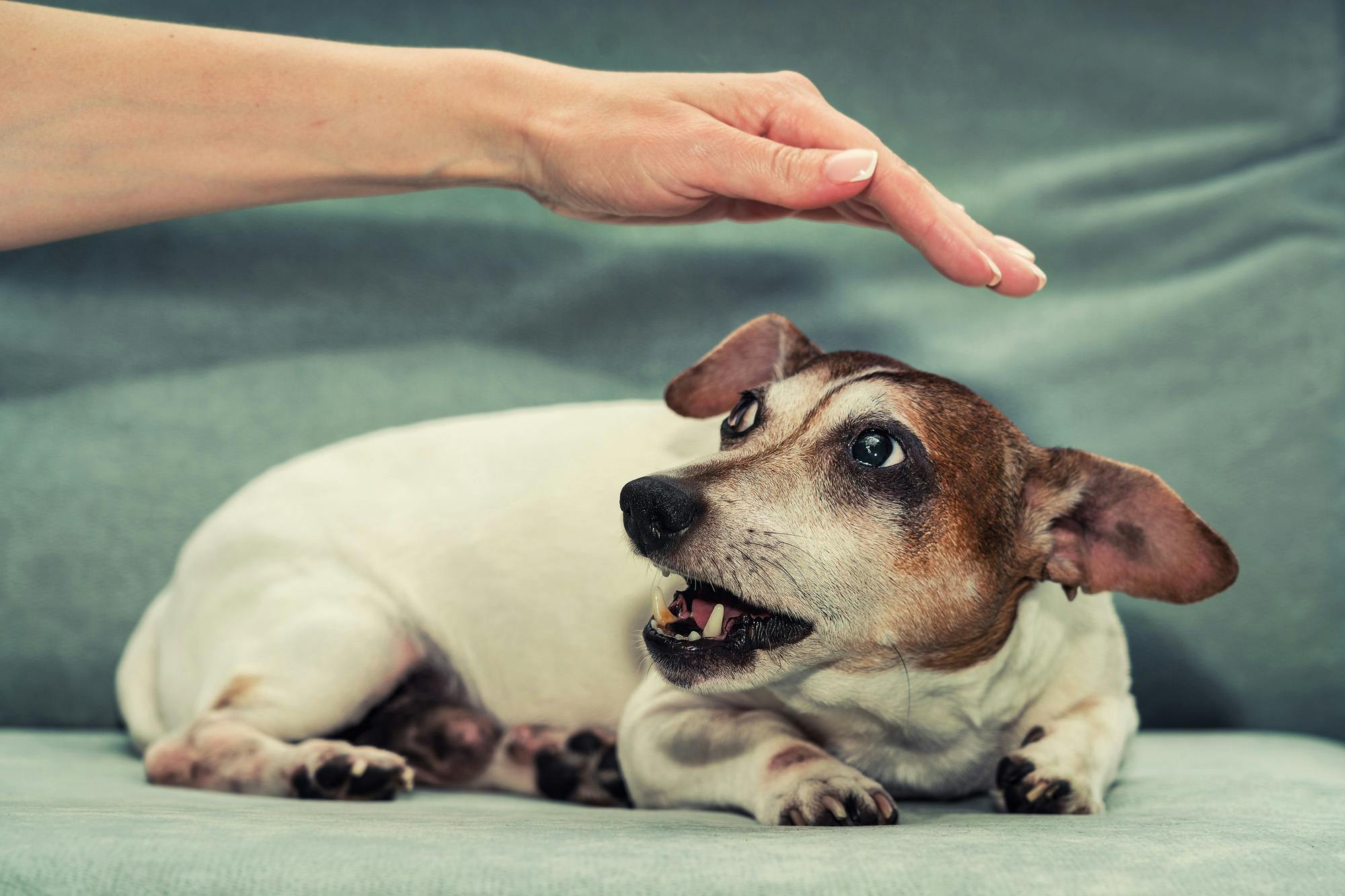
Look for signs like trembling or cowering. A dog may tuck its tail between its legs or lower its body close to the ground. Ears pinned back and avoiding eye contact also show fear. Some dogs may yawn or lick their lips often. These signals mean the dog feels stressed or scared. Spotting these early prevents fear from growing.
Common Triggers
Many dogs fear loud noises, such as thunderstorms or fireworks. New people or strange animals can also cause fear. Sudden movements or rough handling increase anxiety. Sometimes, fear comes from past bad experiences. Identifying what scares your dog helps you avoid those situations. This makes training calmer and more successful.
Create A Safe Space
Creating a safe space is key to helping a frightened dog feel calm and secure. Dogs need a quiet place where they can relax without stress. This space becomes their refuge from scary noises or busy environments. It helps build trust and reduces anxiety over time.
Designing A Comfort Zone
Choose a quiet corner or room for your dog’s comfort zone. Add a soft bed or blanket for warmth and softness. Keep the area clean and free from loud noises or sudden movements. Place favorite toys or chew items to make the space inviting. Let your dog explore this area at their own pace. Avoid forcing them inside. The goal is for the dog to see this as a safe, happy place.
Using Calming Tools
Use calming tools to enhance the safe space. Try a calming diffuser with dog-friendly scents like lavender. Play soft, soothing music designed for dogs. Provide a weighted blanket or vest to help reduce nervousness. Use gentle, slow petting to reassure your dog when they enter the space. These tools support relaxation and build positive feelings. They help your dog stay calm during stressful moments.
Build Trust Gradually
Building trust with a frightened dog takes time and patience. Trust grows step by step. It helps your dog feel safe and calm. Without trust, training can be hard and slow.
Start slow. Let your dog set the pace. Show kindness and respect. Your calm behavior helps your dog relax.
Approach Techniques
Approach your dog gently and quietly. Avoid sudden moves or loud noises. Stay low, so you seem less scary. Let the dog come to you first. Do not reach out too fast. Watch your dog’s body language closely. If it backs away, give more space. Use soft, calm voices to speak.
Positive Reinforcement
Reward good behavior with treats or praise. This shows your dog that trust is good. Use small treats that your dog loves. Give treats right after calm behavior. Praise your dog with kind words and petting. Never punish fear or hiding. Rewarding bravery helps your dog feel safe. Keep training sessions short and fun. This builds trust and confidence slowly.
Credit: positively.com
Desensitize To Triggers
Desensitizing a frightened dog to triggers helps reduce fear and build confidence. This process involves gently exposing the dog to things that scare it. The goal is to make these triggers less scary over time. Patience and consistency play a key role in success.
Controlled Exposure
Start by exposing your dog to the trigger in a controlled way. Keep the trigger far enough so the dog feels safe. Use a calm voice and gentle touch to reassure your dog. Watch for signs of stress and stop if fear increases. Gradually bring the trigger closer as the dog stays calm.
Step-by-step Progress
Break down the exposure into small steps. Begin with the least scary version of the trigger. Move to stronger versions only after your dog feels relaxed. Reward calm behavior with treats and praise. Repeat each step until your dog shows less fear. This slow progress helps build trust and confidence.
Use Counter-conditioning
Counter-conditioning is a gentle way to change your dog’s fear into comfort. It helps your dog learn new feelings about scary things. This method takes time and patience. The goal is to replace fear with positive emotions.
You start by showing your dog something scary at a low level. Then, you add good things like treats or play. Over time, your dog begins to feel safe. This method builds trust and reduces anxiety.
Pairing Fear With Positive Experiences
Begin by identifying what scares your dog. Show the fear trigger from a distance. Keep it low so your dog stays calm. Give treats or praise as soon as your dog notices the trigger. This creates a link between fear and good feelings.
Repeat this often but keep sessions short. Gradually bring the trigger closer only if your dog stays relaxed. Your dog learns to expect something nice, not fear. This step-by-step approach helps change your dog’s mind.
Choosing Rewards
Pick rewards your dog really likes. It can be tasty treats, toys, or affection. Use small, frequent rewards to keep your dog interested. Change rewards sometimes to keep your dog excited.
Avoid rewards that might cause stress. Keep rewards simple and positive. Good rewards help your dog focus on happy feelings. This makes counter-conditioning more effective and fun.
Implement Consistent Training
Consistent training builds trust and security for a frightened dog. It helps the dog learn what to expect. Predictable routines reduce anxiety and fear. Every session should follow the same structure. This creates a safe space for the dog to open up.
Consistency means using the same commands, tones, and rewards. Dogs respond well to clear signals. Mixed messages confuse and stress them. Training should be short but frequent. Regular practice improves progress and confidence.
Routine And Patience
Set a daily training schedule. Stick to the same times and places. A calm environment helps the dog focus. Be patient with slow progress. Fear can take time to overcome. Celebrate small steps and quiet moments. Keep your voice soft and encouraging. Patience helps the dog feel safe and loved.
Avoiding Common Mistakes
Do not rush the training process. Forcing the dog can increase fear. Avoid harsh punishments or loud voices. These cause more stress and mistrust. Do not change commands often. It confuses the dog and slows learning. Stay calm, gentle, and consistent. These habits build a strong bond with your dog.
Incorporate Socialization
Incorporating socialization is key to helping a frightened dog feel safe and confident. Socialization means gently exposing your dog to new people, animals, and environments. This process builds trust and reduces fear over time. It takes patience and careful planning to make socialization positive and stress-free for your dog.
Safe Social Settings
Choose quiet and calm places for your dog to meet others. Avoid crowded or noisy locations that might scare your dog. Start with familiar surroundings, like your backyard or a quiet park. Invite calm dogs and gentle people to join. Small groups work better than large gatherings. Keep sessions short to prevent overwhelming your dog.
Monitoring Interactions
Watch your dog closely during social encounters. Look for signs of stress, like trembling or hiding. Step in if your dog seems uncomfortable or scared. Allow your dog to approach at their own pace. Praise and reward calm behavior to encourage confidence. Always end sessions on a positive note, even if progress is slow.
Manage Stress And Anxiety
Managing stress and anxiety is key to helping a frightened dog feel safe. Stress can make fear worse and slow training progress. Calm dogs learn better and trust their owners more. Use gentle methods to reduce stress every day. Create a peaceful space and keep routines steady. Small steps build your dog’s confidence over time.
Exercise And Mental Stimulation
Exercise helps release extra energy and lowers stress. Take your dog for short walks in quiet places. Play simple games that your dog enjoys. Use puzzle toys to keep the mind busy. Mental tasks can tire a dog just like physical activity. A tired dog feels calmer and less worried. Avoid pushing your dog too hard or too fast. Regular activity builds a strong bond and trust.
Natural Remedies And Supplements
Some natural remedies can soothe anxiety in dogs. Lavender and chamomile scents calm many pets. Use sprays or diffusers in your dog’s resting area. Certain supplements, like fish oil or CBD, may help. Always check with a vet before starting supplements. Natural options support relaxation without side effects. They work best with training and exercise together. Watch your dog’s reaction to find what suits best.
Seek Professional Help
Training a frightened dog can be tough. Sometimes, professional help is needed. Experts have the skills to guide you and your dog safely. They use proven methods to reduce fear and build trust. Seeking help early can prevent fear from getting worse.
When To Consult A Trainer
Look for a trainer if your dog shows strong fear signs. These include trembling, hiding, or aggressive reactions. If fear stops your dog from daily activities, it is time to ask for help. Trainers can spot subtle signs you might miss. They create a safe space for your dog to learn.
Behavioral Therapy Options
Behavioral therapy helps dogs face their fears step by step. Trainers use techniques like desensitization and counter-conditioning. These methods change how dogs react to scary things. Some dogs benefit from one-on-one sessions with a specialist. Therapy may include calming exercises and reward-based training. These options help your dog feel more confident and calm over time.

Credit: www.akc.org
Frequently Asked Questions
How Can I Safely Approach A Frightened Dog?
Approach slowly and calmly without direct eye contact. Use a soft voice to reassure the dog. Avoid sudden movements. Let the dog sniff your hand before petting. This builds trust and reduces fear effectively.
What Are The Best Techniques To Train A Scared Dog?
Use positive reinforcement with treats and praise. Start training in a quiet, safe space. Keep sessions short and consistent. Gradually expose the dog to new environments. Patience is key to building confidence and reducing fear.
How Long Does It Take To Train A Frightened Dog?
Training time varies based on the dog’s history and fear level. It typically takes weeks to months with consistent effort. Regular positive interactions and gradual exposure speed up progress. Patience and persistence are essential for lasting results.
Should I Use A Professional Trainer For A Scared Dog?
Yes, a professional trainer experienced with fearful dogs can help. They provide tailored strategies and ensure safety for both you and the dog. Professionals can identify triggers and teach effective coping techniques.
Conclusion
Training a frightened dog takes patience and care. Small steps build trust and reduce fear. Use gentle words and calm actions. Reward your dog for brave behavior. Avoid rushing or forcing them to do things. Remember, every dog learns at their own pace.
Keep training sessions short and positive. Over time, your dog will feel safer and more confident. Stay consistent, kind, and patient throughout the process. Helping a scared dog is a rewarding journey for both of you.


