

Training your dog to use a litter box might sound unusual, but it can be a game-changer for pet owners like you. Imagine a home free from muddy paw prints and unexpected messes.
With the right steps, you can teach your dog this neat habit quickly and easily. In this guide, you’ll discover simple tips that make litter box training stress-free for both you and your furry friend. Keep reading, and you’ll find out how to create a cleaner, happier living space without the hassle.
Choosing The Right Litter Box
Choosing the right litter box is important for training your dog effectively. It affects your dog’s comfort and success in learning. The right box makes the process easier and cleaner. Consider size, material, and where to place the box. These factors help your dog feel safe and confident.
Size And Type Options
Select a litter box that fits your dog’s size well. Small dogs need smaller boxes, big dogs need larger ones. Some boxes have low sides for easy access. Others have high sides to prevent messes. Covered boxes offer privacy but some dogs dislike them. Observe your dog’s preference for open or covered boxes.
Material And Durability
Choose a litter box made from sturdy materials. Plastic boxes are common and easy to clean. Avoid boxes that absorb odors or stain easily. Durable materials last longer and resist chewing. Smooth surfaces help maintain hygiene. Replace boxes that crack or wear out quickly.
Placement Tips
Place the litter box in a quiet, low-traffic area. Dogs prefer calm spaces for toileting. Avoid noisy or busy spots in the home. The box should be easy for your dog to find. Keep it away from food and water bowls. Consistent placement helps your dog learn faster.

Credit: www.wikihow.com
Selecting The Best Litter
Selecting the best litter is key to successful dog litter box training. The right litter helps your dog feel comfortable and encourages good habits. It also makes cleaning easier for you. Choosing litter that suits your dog’s needs and your lifestyle improves the training process.
Types Of Dog-friendly Litter
Dog-friendly litter comes in several types. Clay-based litter clumps well but may create dust. Natural options like pine or corn are biodegradable and less dusty. Paper litter is soft and safe, good for sensitive dogs. Choose litter that is safe, absorbent, and controls odor.
Scented Vs Unscented
Scented litter masks odors but can irritate some dogs’ noses. Unscented litter is gentle and less likely to cause allergies. Many dogs prefer unscented litter because it feels more natural. Test both types to see which your dog likes better.
Cleaning And Maintenance
Regular cleaning keeps the litter box fresh and inviting. Remove waste daily to avoid bad smells. Change the litter fully once a week or as needed. Wash the box with mild soap and water to prevent bacteria buildup. Cleanliness supports your dog’s health and comfort.
Introducing Your Dog To The Litter Box
Introducing your dog to a litter box is the first step toward easy indoor potty training. It helps your dog understand where to go. This process takes patience and clear guidance. Start slow and keep the experience positive for your dog. Creating a calm and encouraging environment will help your dog feel safe around the litter box.
Initial Familiarization
Place the litter box in a quiet, accessible spot. Let your dog explore it without pressure. Allow your dog to sniff and step around the box. Avoid forcing your dog inside the box. Use a calm voice to encourage curiosity. This step helps reduce fear and builds interest.
Positive Reinforcement
Reward your dog with treats and praise near the litter box. Celebrate any interest or use of the box. Positive feedback makes your dog want to repeat good behavior. Use small treats to keep your dog motivated. Always reward immediately after your dog interacts with the box.
Handling Hesitation
Some dogs may hesitate or avoid the litter box. Stay patient and do not punish your dog. Try placing your dog gently in the box after meals. Offer gentle encouragement and more rewards for trying. Keep the area clean to avoid bad smells. Hesitation is normal; consistency helps your dog adjust.
Establishing A Routine
Establishing a routine is key to successful litter box training for your dog. Dogs feel safe and learn faster with a clear daily schedule. A steady routine helps your dog understand when and where to go.
Start by setting regular times for feeding and bathroom breaks. This predictability helps your dog’s body clock adjust. Consistency reduces accidents and builds good habits.
Consistent Feeding Schedule
Feed your dog at the same times every day. This controls their digestion and bathroom needs. Avoid giving food too late at night. Regular feeding times make bathroom visits more predictable.
Regular Litter Box Visits
Take your dog to the litter box often, especially after meals and naps. Try every two to three hours at first. Praise your dog when they use the box. Frequent trips help your dog learn the right spot.
Monitoring Behavior
Watch your dog closely for signs they need to go. Sniffing, circling, or restlessness are clues. Guide them calmly to the litter box. Early attention stops accidents and builds trust.
Training Techniques
Training techniques play a big role in teaching your dog to use a litter box. Clear steps and consistent practice help your dog learn fast. This section covers key methods to train your dog efficiently and kindly.
Using Commands And Signals
Start by choosing simple commands like “go potty” or “litter.” Use the same words every time you want your dog to use the litter box. Pair these commands with hand signals. Dogs learn by repeating actions linked to words and gestures.
Watch your dog for signs they need to go. Guide them to the litter box while saying the command. Practice this often. Your dog will soon connect the command with the action.
Reward Systems
Rewards motivate your dog to keep using the litter box. Use treats, praise, or playtime as rewards. Give rewards immediately after your dog uses the box. This shows the dog what behavior you want.
Keep rewards small and positive. Avoid punishment when accidents happen. Celebrate every success to build good habits.
Correcting Accidents
Accidents happen during training. Stay calm and avoid yelling or punishment. Clean the area well to remove smells. This stops your dog from returning there.
If you catch your dog before an accident, gently move them to the litter box. Use your command and reward if they go there. Consistency helps your dog learn the right place to go.
Troubleshooting Common Issues
Troubleshooting common issues is key to successful litter box training. Dogs may face challenges adjusting to this new habit. Addressing problems early keeps training on track and reduces stress for you and your pet.
Avoiding Messes Outside The Box
Messes outside the box happen often during training. Use a large litter box to give your dog enough space. Clean the area around the box regularly to remove odors. Place the box in a quiet, low-traffic spot. Praise your dog immediately after they use the box correctly. This helps them learn where to go.
Dealing With Reluctance
Some dogs hesitate to use the litter box. Try different litter textures to find one your dog prefers. Let your dog explore the box without pressure. Use treats or toys to encourage positive associations. Avoid scolding or punishing your dog for accidents. Patience and gentle guidance work best.
Health Concerns To Watch
Watch for signs of illness that affect litter box habits. Frequent accidents or sudden changes may indicate health problems. Check for urinary tract infections, bladder issues, or digestive troubles. Consult a vet if your dog shows pain or discomfort. Early detection helps keep your dog healthy.
Maintaining Long-term Success
Maintaining long-term success in litter box training takes care and patience. Your dog needs a clean, comfortable place to go. Routine and positive habits help your dog keep using the litter box daily. This section covers key steps to keep training strong.
Cleaning And Odor Control
Clean the litter box every day. Remove waste to avoid smells and keep the area fresh. Use mild soap and water to wash the box weekly. Avoid harsh chemicals that can bother your dog’s nose. Good odor control encourages your dog to keep using the box.
Adjusting As Your Dog Grows
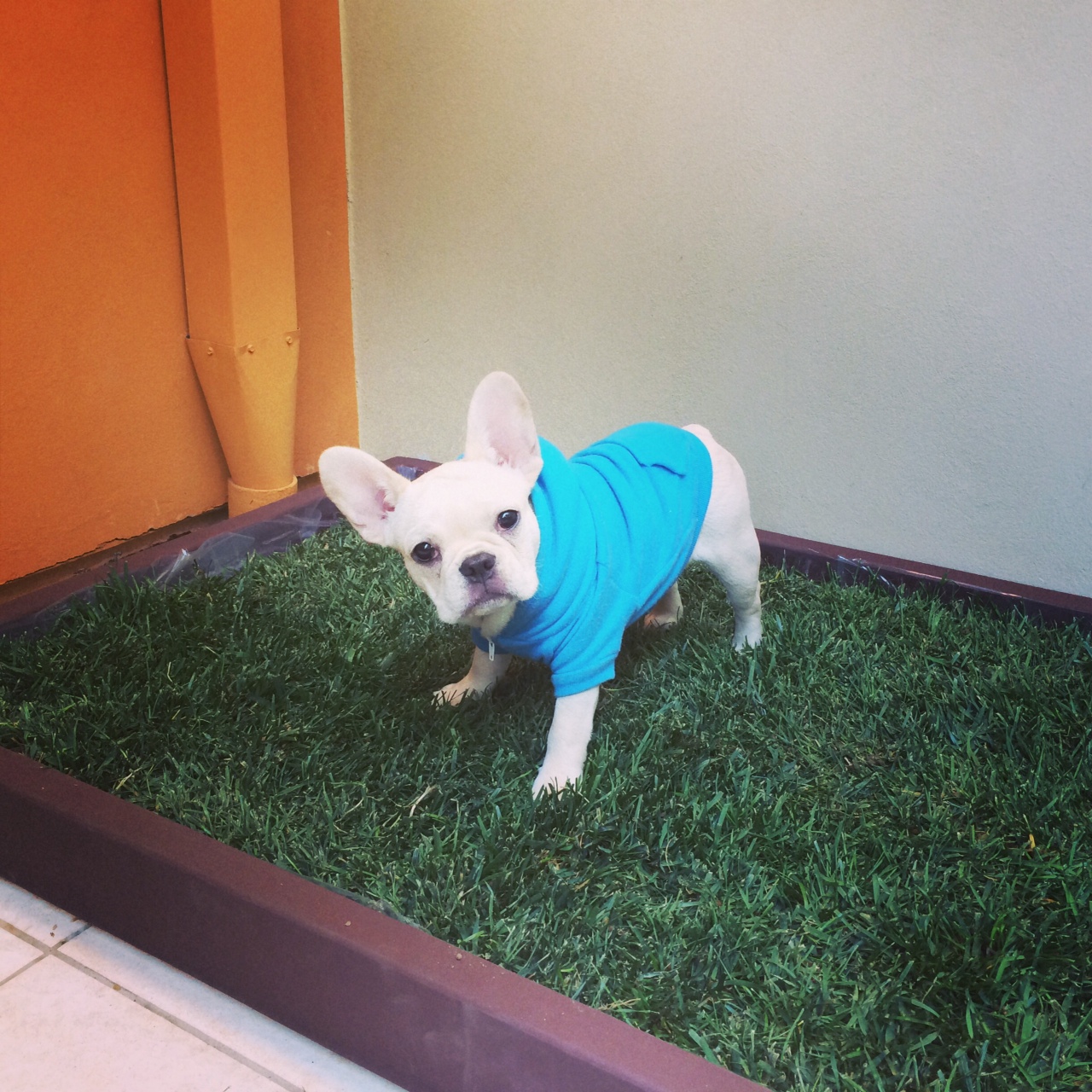
Dogs change as they grow. Puppies need smaller boxes with lower sides. Adult dogs need bigger boxes for comfort. Watch your dog’s size and behavior. Change the litter box setup to fit their needs. This helps keep your dog happy and consistent.
Encouraging Consistency
Stick to a daily schedule for bathroom breaks. Praise your dog when they use the litter box. Avoid punishment for accidents. Use gentle reminders and encouragement instead. Consistency builds good habits and trust between you and your dog.
Credit: www.lur.cat

Credit: www.youtube.com
Frequently Asked Questions
How Long Does Litter Box Training Take For Dogs?
Litter box training duration varies by dog age and breed. Puppies may take 2-4 weeks, while adult dogs might need less time. Consistency and positive reinforcement speed up the process. Regular monitoring and patience are essential for successful training.
What Type Of Litter Is Best For Dog Training?
Use dog-specific litter or natural, non-toxic options like paper pellets. Avoid clumping cat litter, as it can harm dogs if ingested. Choose a scent-free, low-dust litter to keep the area clean and comfortable for your dog.
Can All Dog Breeds Be Litter Box Trained?
Most dog breeds can learn litter box training with proper guidance. Small to medium breeds adapt more easily due to size. Large breeds may require larger boxes or alternative training methods. Patience and consistent training are key for all breeds.
How Often Should I Clean My Dog’s Litter Box?
Clean the litter box daily to prevent odors and maintain hygiene. Remove solid waste promptly and replace soiled litter regularly. Weekly full litter replacement and box washing help keep the environment fresh and inviting for your dog.
Conclusion
Training your dog to use a litter box takes time and patience. Start with small steps and stay consistent each day. Praise your dog when it uses the box correctly. Clean the area often to keep it fresh and inviting.
Remember, every dog learns at its own speed. Keep calm and positive throughout the process. Soon, your dog will enjoy a clean and happy space. This simple habit helps both you and your pet live comfortably together. Trust the process and enjoy the results.


