

Have you ever wondered what it takes to train a search dog? Whether you want to help find missing people, detect hidden items, or simply unlock your dog’s full potential, training a search dog is a rewarding challenge.
Imagine the pride you’ll feel when your dog confidently follows a scent trail or discovers something important. You’ll discover clear, simple steps to train your dog effectively. Ready to turn your furry friend into a skilled search partner? Let’s dive in.

Credit: www.youtube.com
Choosing The Right Dog
Choosing the right dog is the first step in training a search dog. The dog’s breed, personality, and health affect its ability to work well. Picking a dog that fits the job increases the chance of success. It also makes training easier and more enjoyable.
Best Breeds For Search Work
Some breeds have natural skills for search work. German Shepherds are smart and strong. Labrador Retrievers have a keen nose and are eager to please. Belgian Malinois work hard and learn fast. Bloodhounds have an excellent sense of smell and tracking ability. These breeds often excel in search tasks.
Assessing Temperament And Drive
A good search dog must be calm but focused. It should enjoy working and solving problems. High energy and curiosity help dogs stay motivated. The dog needs to handle new places and noises without fear. Friendly dogs build trust with handlers and people.
Health Considerations
Healthy dogs perform better and last longer in search work. Check for clear eyes, clean ears, and good teeth. The dog should have strong bones and muscles. Avoid dogs with breathing problems or joint issues. Regular vet checks ensure the dog stays fit for the job.
Basic Training Foundations
Training a search dog starts with strong basic foundations. These early steps shape your dog’s skills and behavior. They build trust and communication between you and your dog. Focus on clear commands and consistent practice. This creates a solid base for advanced search training.
Building Obedience Skills
Obedience is the first step in training a search dog. Teach simple commands like sit, stay, come, and heel. Practice these commands every day in different places. Keep training sessions short and fun. This helps your dog learn faster and stay focused. Obedience skills help your dog listen and follow instructions during searches.
Establishing A Strong Bond
The bond between you and your dog is very important. Spend quality time together through play and gentle touch. Understand your dog’s body language and feelings. A strong bond increases your dog’s trust and willingness to work. It makes training easier and more effective. Your dog will want to please you and stay close during tasks.
Using Positive Reinforcement
Use rewards to encourage good behavior. Praise, treats, or toys motivate your dog to repeat actions. Avoid punishment or harsh words. Positive reinforcement builds confidence and joy in learning. Reward immediately after the desired behavior. This helps your dog connect the action with the reward. Training becomes a positive experience for both of you.
Introducing Scent Detection
Scent detection is the foundation of training a search dog. Dogs use their powerful noses to find specific smells. Teaching a dog to recognize and follow a scent takes patience and clear steps.
Early training focuses on helping the dog understand the target scent. The dog learns to connect the smell with a reward. This process builds the dog’s interest and skill in scent detection.
Selecting Target Scents
Choosing the right scent is the first step. The scent should be distinct and easy for the dog to recognize. Common scents include specific oils, food, or materials related to the search task. Pick scents that do not confuse the dog.
Scent Association Techniques
Help the dog link the scent to a positive outcome. Use treats or toys as rewards immediately after the dog finds the scent. Repeat this process many times in short sessions. This strengthens the dog’s desire to find the scent.
Using Scent Articles
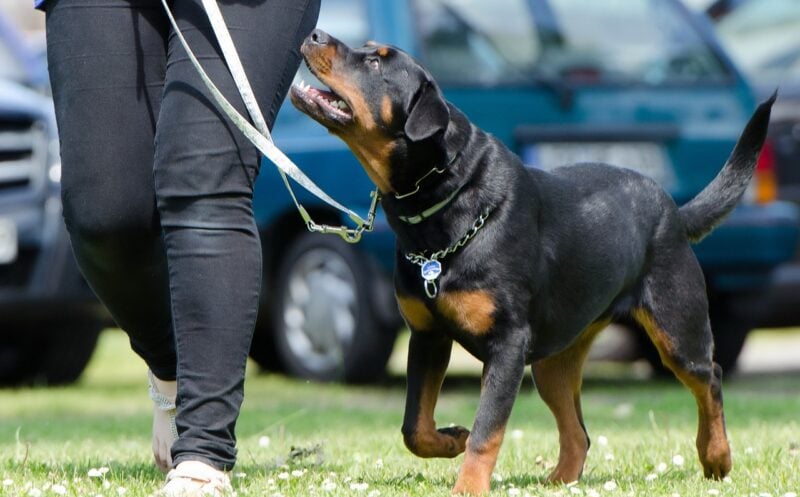
Scent articles are objects that carry the target scent. Use cloth or paper to hold the scent safely. Let the dog sniff these articles to get familiar with the smell. Hide scent articles in simple places first, then increase difficulty.
Credit: www.dogster.com
Search Techniques And Drills
Training a search dog requires focused techniques and practical drills. These exercises build the dog’s skills step by step. Consistent practice helps dogs learn how to find scents in different settings. This section covers key search techniques and drills to develop a reliable search dog.
Indoor Search Exercises
Start training inside a quiet room. Hide treats or toys in easy spots. Let the dog sniff and find them. Gradually increase difficulty by hiding items under furniture or behind doors. Use different rooms for variety. Practice short searches often to keep the dog interested. Reward the dog immediately after each find. This builds confidence and sharpens scent detection indoors.
Outdoor Search Strategies
Move training outdoors for more challenges. Use parks, fields, or backyards. Hide objects in grass, bushes, or behind trees. Practice searching with different wind directions. Teach the dog to cover large areas systematically. Use clear commands to guide the dog. Outdoor drills prepare the dog for real search situations. Practice often in varied environments to improve skills.
Handling Distractions
Distractions can disrupt a search dog’s focus. Train the dog to ignore noises, people, and other animals. Start with mild distractions during indoor drills. Gradually add more distractions outdoors. Reward the dog for staying focused on the scent. Use calm and steady commands. Teach the dog to work despite distractions. This builds strong concentration and reliability in searches.
Advanced Training Methods
Advanced training methods help search dogs perform complex tasks. These methods refine their skills and improve success rates. Trainers use specific techniques to build a dog’s ability beyond basic commands. This section covers key methods essential for advanced search dog training.
Tracking Vs. Air Scenting
Tracking means following a person’s exact path on the ground. Dogs use their nose to detect scent particles left on the surface. It requires patience and focus to stay on the trail.
Air scenting involves detecting scents carried by the wind. Dogs search a wide area to find a missing person’s location. This method demands strong scent discrimination and quick responses.
Training should focus on the dog’s natural strengths. Some dogs excel at tracking, others at air scenting. Understanding these skills helps tailor the training process effectively.
Teaching Alert Behaviors
Alert behaviors signal when a dog finds a target scent. Clear alerts improve communication between dog and handler. Common alerts include sitting, barking, or scratching.
Train the dog to perform a consistent alert. Use rewards to reinforce the behavior immediately. Practice with different scents and environments to build reliability.
Strong alert behaviors ensure the handler knows when the search is successful. This skill is crucial for real search missions.
Building Endurance And Stamina
Search missions often last for hours. Dogs need physical endurance to work without tiring quickly. Gradual increases in exercise help build stamina safely.
Include running, hiking, and play in daily routines. Monitor the dog’s health and avoid overtraining. Rest and recovery are as important as exercise.
Good endurance keeps the dog alert and effective during long searches. It also reduces injury risks and improves overall performance.
Evaluating Progress
Evaluating progress is a key part of training a search dog. It helps trainers see if the dog learns well. Regular checks show which skills improve and which need work. This keeps training focused and effective. Trainers can catch problems early and fix them fast.
Performance Metrics
Use clear, simple measures to track progress. Count how many times the dog finds the target. Note how fast the dog works in each session. Check if the dog stays focused on the task. Record the dog’s response to commands. These numbers show if the dog is improving or not.
Troubleshooting Common Issues
Sometimes dogs lose interest or get distracted. Look for signs of stress or confusion. If the dog misses targets often, check the training method. Change the environment to reduce distractions. Use more rewards to keep the dog motivated. Small changes can solve many common problems.
Adjusting Training Plans
Update the training plan based on progress reports. Add more difficult tasks as the dog improves. Slow down or repeat steps if the dog struggles. Change rewards to keep motivation high. Keep sessions short and fun to avoid burnout. Training must fit the dog’s pace and needs.
Real-world Search Scenarios
Training a search dog involves preparing it for real-life missions. These scenarios test the dog’s skills and readiness. Trainers recreate situations dogs face during actual searches. This practice helps dogs stay sharp and confident.
Simulating Search Missions
Trainers create controlled environments that mimic real search areas. These can include forests, ruins, or urban spaces. Dogs learn to find scents in different conditions. Trainers use hidden objects or people for the dog to locate. These missions build the dog’s focus and problem-solving skills. Regular practice makes the dog better at handling surprises.
Working With Handlers
Handlers guide dogs during search tasks. They learn to read the dog’s signals and body language. Clear communication between dog and handler is crucial. Training includes practicing commands and teamwork drills. Handlers must stay calm and patient. This bond improves the dog’s performance in stressful situations. Trust between handler and dog is the key.
Safety And Ethics
Search training always prioritizes safety for dogs and humans. Trainers avoid dangerous areas and harmful substances. Dogs receive regular health checks and rest breaks. Ethical training means no harsh punishments or stress. Positive reinforcement encourages good behavior. Respect for the dog’s well-being ensures long-term success. Safety and care build a strong, willing search partner.
Maintaining Skills Long-term
Training a search dog is just the start. Keeping their skills sharp over time is crucial. Dogs can forget or lose focus without regular practice. Maintaining skills long-term ensures they perform well in real search situations. It also helps build a stronger bond between handler and dog.
Regular Refresher Sessions
Schedule brief training sessions often. Short, frequent practice helps dogs remember commands. Use the same training methods for consistency. Change environments to keep dogs alert and adaptable. Refresher sessions prevent skill loss and improve response time.
Keeping Motivation High
Use rewards that your dog loves. Praise, treats, or play keep dogs eager to learn. Avoid long sessions that can cause boredom. Mix up tasks to make training fun. A motivated dog works better and enjoys training more.
Continuing Education And Certifications
Stay updated with new training techniques. Attend workshops or training classes regularly. Certifications show your dog meets professional standards. They also open opportunities for search work. Keep learning to enhance your dog’s abilities and your skills as a handler.
Credit: shop.bullymax.com
Frequently Asked Questions
What Is The Best Age To Start Training A Search Dog?
The ideal age to start training a search dog is between 8 to 12 weeks. Early training builds strong foundation skills. Puppies are more adaptable and learn quickly at this stage. Starting young ensures better obedience and scent detection abilities for future tasks.
How Long Does It Take To Train A Search Dog?
Training a search dog typically takes 6 to 12 months. This depends on the dog’s breed, temperament, and training consistency. Regular, focused sessions improve skills like scent detection, obedience, and agility. Ongoing practice is essential to maintain and enhance the dog’s search abilities.
What Breeds Are Best Suited For Search Dog Training?
Breeds like German Shepherds, Belgian Malinois, and Labrador Retrievers excel in search dog training. These breeds have strong scenting abilities, high intelligence, and good work ethics. Their physical endurance and trainability make them ideal for search and rescue or detection roles.
How Do You Motivate A Search Dog During Training?
Motivate a search dog with rewards like treats, toys, and praise. Positive reinforcement encourages focus and enthusiasm. Keep training sessions short and fun to maintain interest. Consistent rewards help build a strong bond and improve learning efficiency.
Conclusion
Training a search dog takes time and patience. Start with basic commands and build trust. Use rewards to keep your dog motivated. Practice in different places to improve skills. Stay consistent and calm during training sessions. Remember, every dog learns at its own pace.
Enjoy the process and celebrate small wins. A well-trained search dog can help in many ways. Keep training simple and fun for best results. Your effort will make a strong, reliable partner.


