

Does your dog shy away from new people or hide during playtime? Training a shy dog can feel challenging, but it doesn’t have to be frustrating.
You want your furry friend to feel safe, confident, and happy. You’ll discover simple, effective ways to help your shy dog come out of their shell. By following these easy steps, you’ll build trust and create a stronger bond with your pet.
Keep reading to unlock the secrets that can transform your dog’s shy behavior into joyful confidence.
Recognize Shy Dog Behavior
Recognizing shy dog behavior is the first step to helping your pet feel safe. Shy dogs may seem quiet or avoid people. Understanding their signals helps you respond kindly and build trust. Watch closely for signs and triggers to better support your dog’s needs.
Signs Of Shyness In Dogs
Shy dogs often avoid eye contact. They may lower their bodies or tuck their tails. Some freeze or try to hide when nervous. Shy dogs might lick their lips or yawn more than usual. These small signs show your dog is feeling unsure or scared.
Common Triggers For Fear
New places can make shy dogs uneasy. Loud noises like thunder or fireworks scare them. Strangers or large groups may cause stress. Sudden movements or rough handling also frighten shy dogs. Knowing these triggers helps you protect your dog from stress.
Create A Safe Environment
Creating a safe environment is the first step in training a shy dog. This space helps your dog feel calm and secure. A calm dog learns better and builds trust faster. Avoid rushing your dog into new situations. Let them adjust at their own pace. A safe environment reduces fear and encourages positive behavior.
Setting Up A Comfort Zone
Choose a quiet spot in your home for your dog’s comfort zone. This place should have soft bedding and favorite toys. Keep the area free from loud noises and heavy foot traffic. Your dog will learn to associate this space with safety. Let your dog visit this spot often to relax and rest. The comfort zone becomes a safe retreat during training sessions.
Minimizing Stressful Stimuli
Remove anything that might scare your dog from their environment. Loud noises, sudden movements, and unfamiliar people can stress shy dogs. Use gentle voices and slow actions around your dog. Avoid crowded places until your dog feels more confident. A low-stress environment helps your dog focus better during training. Calm surroundings support steady progress in your dog’s behavior.
Use Positive Reinforcement
Positive reinforcement helps shy dogs gain confidence. It creates a safe space where your dog feels rewarded. This method focuses on encouraging good behavior instead of punishing fear. Your calm and kind reactions teach your dog that brave actions bring rewards. Over time, your dog will try new things without fear.
Rewarding Brave Actions
Notice small steps your dog takes toward bravery. Reward any sign of courage right away. Quick rewards help your dog connect actions and outcomes. Praise, treats, or a gentle pet show your dog you approve. This builds trust and encourages your dog to try again. Even a little progress deserves a reward. Celebrate tiny victories to boost confidence.
Choosing Effective Treats And Toys
Pick treats that your dog loves and finds special. Use small, soft treats that are easy to eat quickly. Toys can work as rewards too, especially if your dog enjoys playing. Try different toys to see which excites your dog most. Keep rewards consistent and timely to reinforce good behavior. Good rewards motivate your dog to be brave more often.
Socialize Gradually
Socializing a shy dog takes time and patience. Gradual socialization helps build confidence. Start slow. Let your dog adjust at their own pace. This method reduces fear and stress. It creates positive experiences with new people, pets, and places.
Introducing New People And Pets
Begin with calm, quiet introductions. Choose friendly people who understand shy dogs. Let your dog approach on their own. Avoid forcing contact. Keep meetings short and positive. Reward calm behavior with treats and praise.
For new pets, keep them separated at first. Use barriers like baby gates. Allow them to see and smell each other safely. Gradually increase their time together. Watch their body language closely. Stop if either pet shows stress.
Controlled Exposure To New Environments
Introduce new places slowly. Start with quiet, familiar spots. Walk your dog on a leash. Let them explore at their own pace. Avoid crowded or noisy areas at first.
Use treats to encourage calm behavior. Praise your dog for curiosity and bravery. Increase the time spent outside gradually. Each visit should end on a good note. This helps your dog feel safe and interested in new places.
Build Confidence Through Training
Building confidence in a shy dog takes time and gentle training. Training helps your dog feel safe and understand what you want. This creates trust between you and your pet. Confident dogs enjoy new experiences and social situations more. Use calm, clear steps to help your dog grow brave and happy.
Basic Commands With Patience
Start with simple commands like “sit,” “stay,” and “come.” Use soft, encouraging words. Repeat commands calmly and wait for your dog to respond. Praise your dog with treats or gentle petting. Avoid loud tones or rushing your dog. Small steps build trust and reduce fear. Practice in quiet places first, then slowly add distractions.
Confidence-boosting Activities
Try fun activities that your dog enjoys. Short walks in safe areas help your dog explore. Play gentle games like fetch or tug-of-war. Introduce new toys or puzzles to stimulate their mind. Let your dog meet friendly dogs at a calm pace. Reward brave actions with treats or praise. These activities make your dog feel strong and happy.

Credit: www.youtube.com
Manage Setbacks Calmly
Training a shy dog takes patience and calmness. Setbacks can happen. Your dog might act scared or nervous again after some progress. Staying calm helps your dog feel safe. It also helps you keep teaching without stress.
Managing setbacks calmly means understanding your dog’s feelings. It means knowing how to help your dog relax and trust you again. This approach improves your dog’s confidence step by step.
Recognizing Regressive Behavior
Sometimes, your dog may stop following commands. It may hide or avoid eye contact. Your dog might seem tense or freeze. These are signs of regressive behavior. It shows your dog feels unsure or scared. Knowing these signs helps you respond kindly. It stops the problem from getting worse.
Techniques To Reassure Your Dog
Speak softly and use gentle touches. Give small treats to encourage calm behavior. Offer a safe space where your dog can rest. Use slow movements to avoid startling your dog. Be patient and give your dog time. These techniques build trust and comfort. They help your shy dog feel safe again.
Seek Professional Help When Needed
Training a shy dog can be tough. Some dogs need extra help beyond basic training. Professional guidance can make a big difference. Knowing when to ask for help is important. Experts can provide the right tools and support for your dog’s needs.
When To Consult A Trainer
Consult a trainer if your dog shows fear or anxiety often. If your dog hides, growls, or snaps, get help. Trainers can teach you ways to build your dog’s confidence. They offer step-by-step plans for shy dogs. Early help can stop bad habits from forming.
Benefits Of Behaviorists And Therapists
Behaviorists study why dogs act a certain way. They find root causes of fear or stress. Therapists use special methods to change behavior gently. They help dogs feel safe and calm in new situations. Professionals create personalized plans for lasting results.

Credit: www.pawslooklisten.com
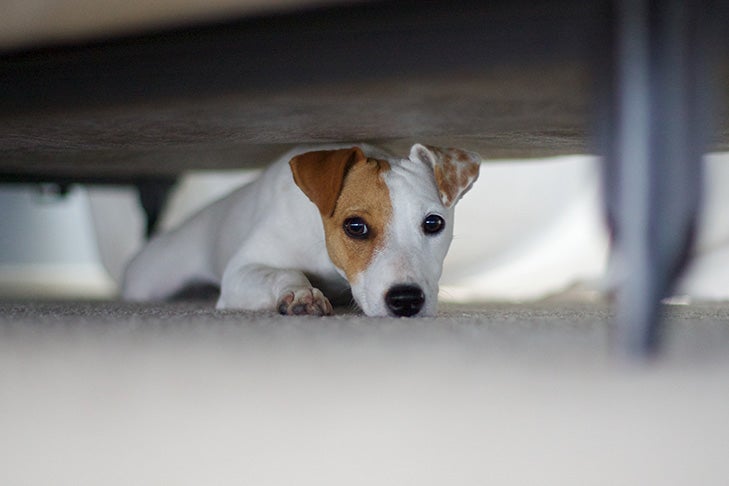
Credit: www.akc.org
Frequently Asked Questions
How Can I Help My Shy Dog Socialize Better?
Start slowly by introducing your dog to calm environments. Use treats and praise to encourage positive interactions. Avoid overwhelming situations. Gradually increase social exposure to build confidence. Consistency and patience are key for lasting progress in socializing a shy dog.
What Are Signs Of A Shy Dog Needing Training?
Signs include hiding, cowering, avoiding eye contact, and trembling. Shy dogs may also freeze or show reluctance to explore. Recognizing these signs early helps tailor training approaches. Addressing these behaviors with gentle encouragement improves your dog’s comfort and confidence over time.
How Long Does It Take To Train A Shy Dog?
Training time varies based on the dog’s temperament and consistency. Most dogs show improvement within weeks with regular, gentle training sessions. Patience is essential, as progress can be gradual. Consistent positive reinforcement accelerates confidence building and social skills development.
Should I Use Treats When Training A Shy Dog?
Yes, treats are effective for positive reinforcement. Use small, tasty treats to reward calm and confident behavior. Treats motivate your dog and create a positive association with training. Avoid overfeeding and choose healthy options to maintain your dog’s well-being.
Conclusion
Training a shy dog takes time and patience. Small steps build trust and confidence. Speak softly and stay calm during sessions. Reward good behavior with treats and praise. Avoid rushing or forcing your dog to act. Let your dog explore at its own pace.
Consistent training helps your dog feel safe. Remember, every dog learns differently. Keep trying, and you will see progress. A happy, confident dog is worth the effort.


