
Are you wondering how often your dog needs grooming to stay happy and healthy? Grooming isn’t just about making your furry friend look good—it’s essential for their comfort and well-being.
But how do you know when it’s time for the next bath, trim, or nail clipping? The answer depends on several factors, and getting it right can save you from common problems like skin issues or matting. Keep reading to discover the grooming schedule that fits your dog’s unique needs and keeps their tail wagging!
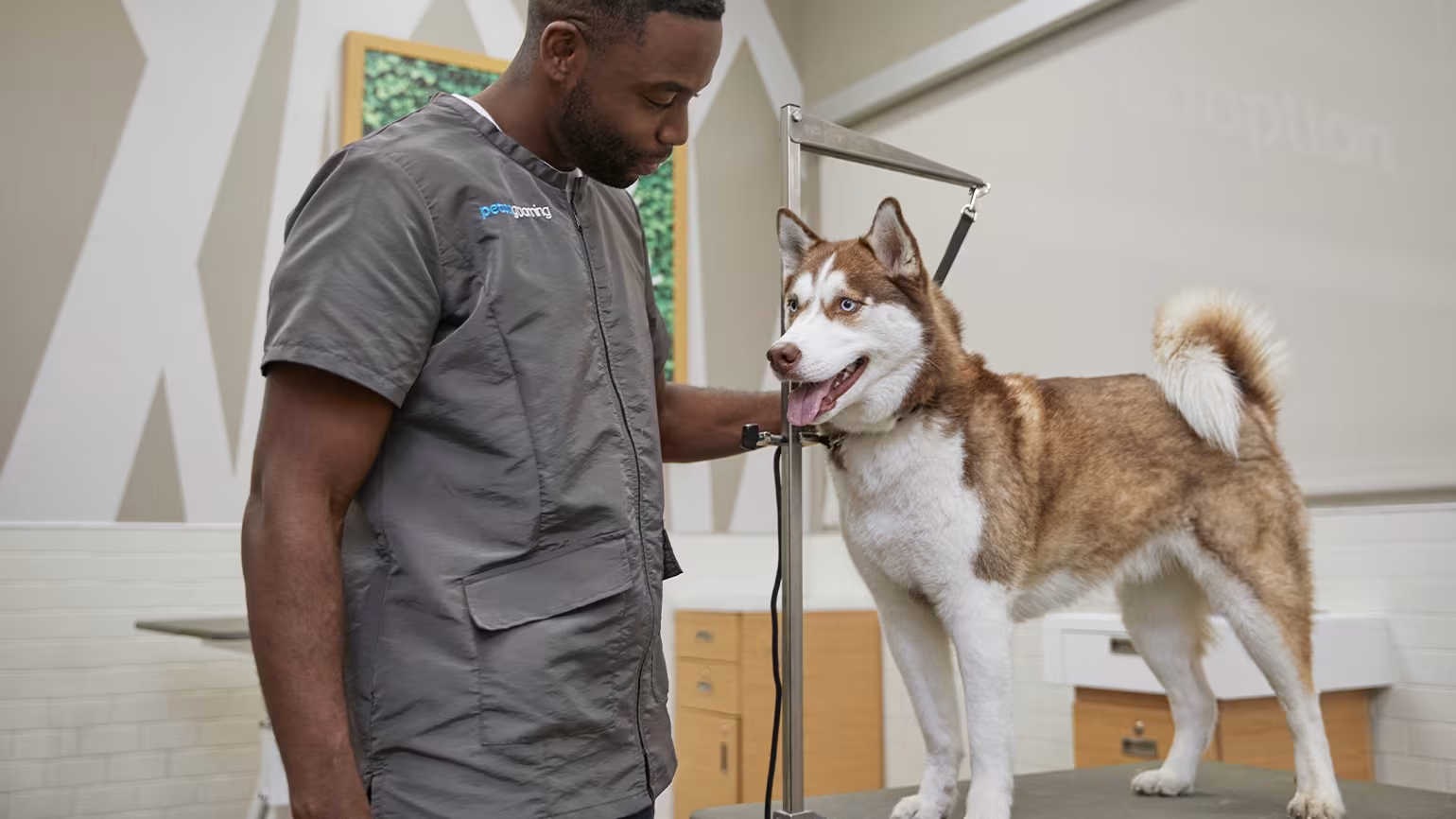
Credit: www.petco.com
Factors Influencing Grooming Frequency
Several factors affect how often a dog needs grooming. Knowing these can help keep your dog healthy and happy. Each dog is unique, so grooming schedules vary widely. Understanding these factors helps you plan the right grooming routine.
Breed And Coat Type
Different breeds have different coat types that influence grooming needs. Dogs with long or thick fur need grooming more often. Breeds with short hair require less frequent grooming. Curly or double coats also need special care. Regular brushing prevents mats and tangles in many breeds.
Age And Health
Older dogs may need more gentle and frequent grooming. Health issues like skin problems affect grooming frequency. Dogs with sensitive skin need careful handling and mild products. Puppies require basic grooming to get used to the process. Regular grooming supports overall health and comfort.
Lifestyle And Activity Level
Active dogs that play outside often get dirtier. They may need baths and brushing more often. Dogs living indoors with little activity need less frequent grooming. Swimming or hiking dogs often require more care after activities. Grooming removes dirt, debris, and loose hair efficiently.
Credit: www.newsweek.com
Daily Grooming Tasks
Daily grooming is key to keeping your dog healthy and happy. Small tasks each day help prevent bigger problems later. They also build a strong bond between you and your pet. Simple daily care keeps your dog clean, comfortable, and well-groomed.
Brushing And Detangling
Brushing your dog every day stops mats and tangles. It spreads natural oils across the coat for shine. Use a brush made for your dog’s fur type. Gentle brushing also removes dirt and loose hair. Your dog will feel softer and look better.
Ear Cleaning
Check your dog’s ears daily for dirt or smell. Clean ears stop infections and discomfort. Use a soft cloth or cotton ball with vet-approved cleaner. Avoid pushing deep inside the ear canal. Clean only the outer part to keep ears fresh and healthy.
Dental Care
Brushing your dog’s teeth daily fights bad breath and decay. Use a dog toothbrush and toothpaste made for pets. Small, gentle strokes clean teeth and gums well. Healthy teeth help your dog eat and play happily. Dental care is easy and very important.
Weekly Grooming Needs
Weekly grooming helps keep your dog clean and healthy. It prevents many problems like matting, infections, and discomfort. Spending time grooming your dog also builds trust and strengthens your bond. Focus on a few important tasks each week to keep your pet happy.
Bathing Guidelines
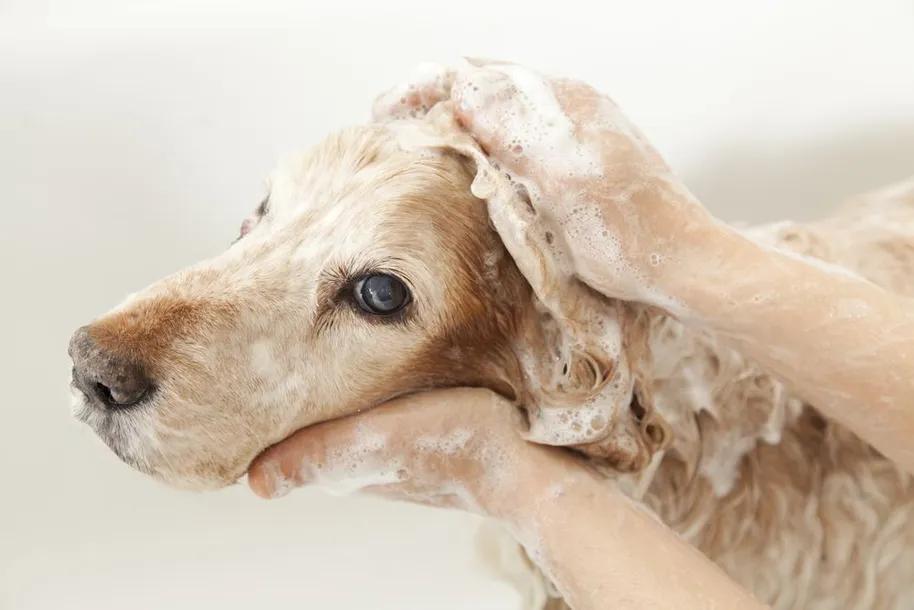
Bath your dog only when needed. Most dogs do well with a bath every 3 to 4 weeks. Use warm water and a dog-friendly shampoo. Avoid over-bathing as it can dry out the skin. Rinse well to remove all shampoo. Dry your dog completely to prevent skin issues.
Nail Trimming
Trim your dog’s nails once a week or as needed. Long nails can hurt your dog’s paws and cause walking problems. Use proper nail clippers made for dogs. Cut small bits to avoid hitting the quick. If unsure, ask a vet or groomer for help. Keep nails smooth to prevent scratches.
Checking For Parasites
Check your dog for fleas, ticks, and other parasites weekly. Parasites cause itching, infections, and health risks. Look closely around ears, neck, and belly. Use a fine-tooth comb to find fleas or eggs. Remove any ticks carefully with tweezers. Regular checks help catch problems early.
Credit: www.summitdogandcat.com
Monthly Grooming Routines
Monthly grooming routines keep a dog healthy and happy. Regular care helps avoid skin problems and mats. It also keeps the coat shiny and clean. Setting a monthly schedule makes grooming easier and less stressful for dogs.
Professional Grooming Sessions
Professional groomers offer expert care for dogs. They clean ears, trim nails, and wash coats thoroughly. These sessions help catch issues early, like infections or parasites. Many dogs enjoy the gentle handling by groomers.
Coat Trimming And Styling
Trimming the coat keeps it neat and manageable. Some breeds need regular haircuts to prevent tangles. Styles can suit the dog’s lifestyle and climate. Proper trimming also reduces shedding around the home.
Skin And Coat Health Checks
Monthly checks spot skin changes or irritation early. Groomers or owners can look for redness, lumps, or dryness. Healthy skin means a healthy dog. Regular brushing spreads natural oils for a glossy coat.
Signs Your Dog Needs Grooming
Knowing when your dog needs grooming is key to keeping them healthy and happy. Signs often show before grooming becomes urgent. Watch for these clear clues to help your dog stay comfortable and clean.
Matting And Tangles
Mattes form when hair twists and knots tightly. They hurt your dog’s skin and cause discomfort. Tangles block airflow and trap dirt. Regular brushing stops mats from forming. If you see clumps of hair that pull on the skin, it is time to groom.
Unpleasant Odors
A strong smell can mean your dog needs a bath. Dirt and oils build up on the coat. Bad smells also come from the ears or skin infections. Grooming helps remove odor and keeps your dog fresh. Notice any sour or rancid scent? That’s a sign to clean your dog soon.
Excessive Shedding
Shedding is normal but too much can cause hair piles at home. It may mean your dog needs brushing or a trim. Grooming removes loose fur and keeps the coat healthy. If fur covers your furniture or clothes, your dog needs grooming attention.
Grooming Tips For Different Seasons
Grooming your dog changes with the seasons. Different weather affects their coat and skin. Knowing these seasonal tips helps keep your dog healthy and happy all year.
Summer Care
Summer heat can make dogs uncomfortable. Trim long hair to help them stay cool. Brush often to remove loose fur and dirt. Check for ticks and fleas regularly. Use pet-safe sunscreen on areas with thin fur. Give baths more often to wash away sweat and dirt.
Winter Maintenance
Cold weather dries out your dog’s skin. Brush less to keep natural oils on the coat. Use moisturizing shampoos to prevent dryness. Keep the coat a bit longer for warmth. Wipe paws after walks to remove salt and chemicals. Watch for cracked pads and treat them quickly.
Allergy Seasons
Spring and fall bring pollen and dust. Brush your dog daily to remove allergens from the coat. Bathe more often with gentle shampoo to soothe irritated skin. Clean your dog’s bedding regularly to reduce allergens. Check ears and paws for signs of irritation. Consult your vet if allergies worsen.
Tools And Products For Grooming
Grooming your dog needs the right tools and products. Proper equipment makes the process easier and more effective. It keeps your dog clean, healthy, and comfortable. Different tools serve different purposes. Knowing which tools to use helps maintain your dog’s coat and skin.
Brushes And Combs
Brushes and combs remove dirt and loose hair. They prevent mats and tangles in the fur. Different coat types need different brushes. For example, slicker brushes work well for long hair. Combs help to find knots and remove debris. Regular brushing improves blood flow to the skin. It also spreads natural oils for a shiny coat.
Shampoos And Conditioners
Shampoos clean your dog’s coat and skin. Choose shampoos made for dogs, not humans. Dog skin has a different pH level. Conditioners soften the hair and reduce tangles. They also help keep the coat smooth. Use gentle products to avoid irritation. Bathing too often can dry out the skin. Use shampoo and conditioner only as needed.
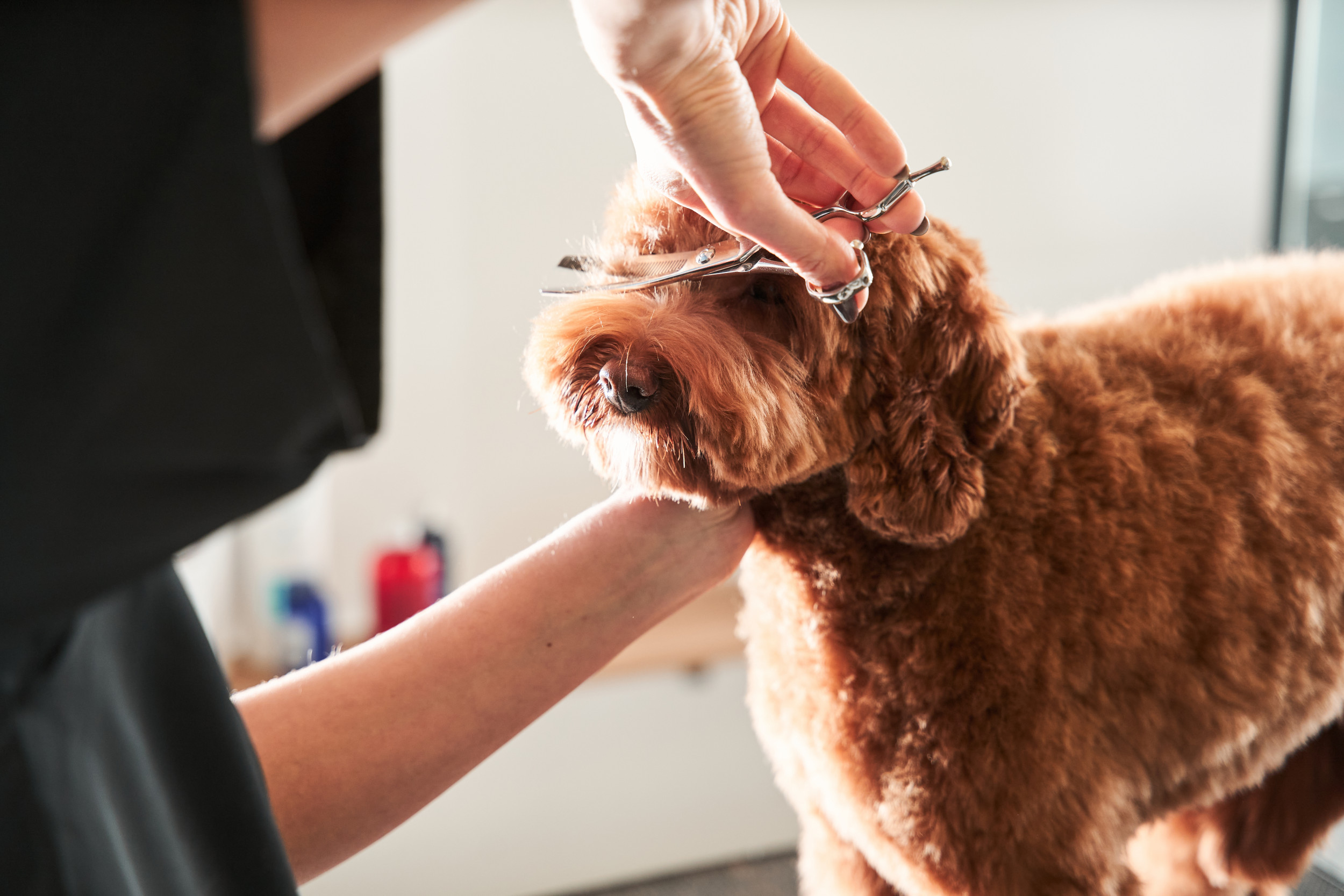
Clippers And Scissors
Clippers trim thick or long fur quickly. They are useful for breeds that need regular haircuts. Scissors help with detailed trimming around the face and paws. Sharp, high-quality tools give cleaner cuts. Dull blades can pull hair and hurt your dog. Always be careful and gentle when using clippers or scissors. Proper grooming tools keep your dog neat and healthy.
Common Grooming Mistakes To Avoid
Grooming your dog is important for their health and happiness. Avoiding common grooming mistakes helps keep your dog comfortable. Many pet owners make simple errors that can cause problems for their dogs.
Knowing these mistakes helps you give better care. Pay attention to how often and how you groom your dog. Small changes make a big difference in your dog’s well-being.
Overbathing
Bathing your dog too often removes natural oils. This can dry out their skin and cause itching. Most dogs need a bath every 4 to 6 weeks. Use water and shampoo gently to avoid irritation. Watch your dog’s skin and coat for signs of dryness.
Ignoring Nail Care
Long nails hurt your dog’s paws and cause pain. Dogs need regular nail trims to stay comfortable. Check nails every two to four weeks. Be careful not to cut too short and hurt the quick. If unsure, ask a vet or groomer for help.
Using Wrong Products
Many shampoos and conditioners are made for humans, not dogs. These products can harm your dog’s skin and coat. Always choose pet-specific grooming products. Look for gentle formulas made for your dog’s coat type. Avoid strong chemicals or fragrances that irritate skin.
Frequently Asked Questions
How Often Should A Dog Be Groomed?
Dogs should be groomed every 4 to 8 weeks depending on their coat type and lifestyle. Regular grooming keeps skin healthy and reduces shedding.
What Factors Affect Dog Grooming Frequency?
Coat length, breed, activity level, and skin conditions influence grooming needs. Long-haired dogs usually require more frequent grooming than short-haired ones.
Can Grooming Prevent Dog Health Issues?
Yes, grooming helps detect skin problems, parasites, and infections early. It also improves hygiene, reducing the risk of illness.
Should Puppies Be Groomed Differently?
Puppies need gentle grooming and positive experiences. Start with short sessions to build comfort and gradually increase grooming time.
Conclusion
Regular grooming keeps your dog healthy and happy. Different breeds need different grooming schedules. Short-haired dogs need less frequent grooming than long-haired dogs. Watch your dog’s coat and skin for signs of dirt or mats. Clean ears and trimmed nails help prevent health problems.
Set a grooming routine that fits your dog’s needs. Consistent care makes grooming easier for both of you. Your dog will feel comfortable and look great. Simple steps keep your pet clean and well-maintained. Grooming is a small effort with big benefits.


