

Have you ever felt worried or frustrated when your dog suddenly acts aggressive toward other dogs? You’re not alone.
Aggressive behavior in dogs can be confusing and even scary, especially when you don’t know why it happens or how to stop it. But understanding the reasons behind this behavior is the first step to helping your dog feel calmer and more comfortable around others.
You’ll discover what triggers dog aggression, signs to watch for, and practical tips you can use right away to improve your dog’s interactions. Keep reading—your dog’s happier, safer social life starts here.
Reasons For Aggression
Understanding why dogs show aggression towards other dogs helps manage and reduce these behaviors. Aggression often comes from feelings or situations that cause stress or discomfort. Identifying the reasons behind the aggression allows owners to address the root causes effectively.
Fear And Anxiety
Fear is a common cause of dog aggression. When a dog feels scared, it may growl, bark, or snap to protect itself. Anxiety can make dogs react aggressively to other dogs, especially in unfamiliar places or around unknown dogs.
Territorial Instincts
Dogs often guard their space. They may act aggressively to keep other dogs away from their home or favorite spots. This behavior is natural but can lead to conflicts if not managed properly.
Lack Of Socialization
Dogs that have not met many other dogs may not know how to behave around them. Poor social skills can cause fear or confusion, leading to aggressive reactions. Early and regular socialization helps dogs feel comfortable with others.
Resource Guarding
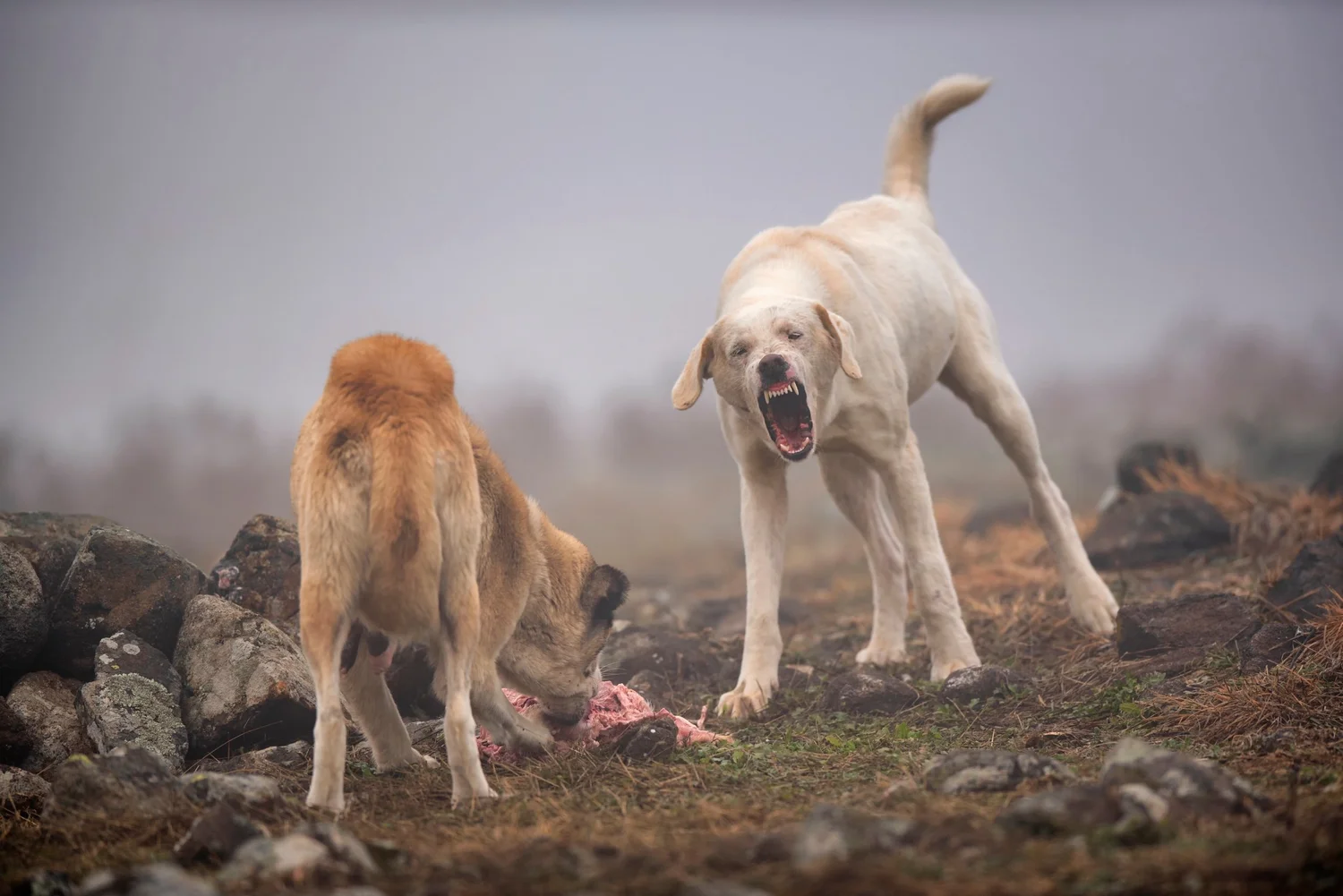
Some dogs grow aggressive to protect their food, toys, or owners. This behavior is called resource guarding. It happens when a dog feels the need to defend valuable items from other dogs.
Health Issues
Pain or illness can make dogs irritable and aggressive. Problems like arthritis or infections may cause discomfort, triggering aggressive behavior. A vet check is important to rule out health problems.

Credit: stacythetrainer.blogspot.com
Recognizing Aggressive Signals
Recognizing aggressive signals in dogs helps prevent fights and keeps everyone safe. Dogs show clear signs before they act aggressively. Understanding these signs helps owners control the situation early. Watch carefully for body language, sounds, and triggers. Each gives clues about a dog’s mood and intentions.
Body Language Signs
Aggressive dogs hold their bodies stiff and tense. Their ears may point forward or lay flat back. Watch for raised hackles, the fur along their spine standing up. They often stare intensely at the other dog. Tail position tells a lot—straight up or rigid means alert or aggressive. A low, tucked tail shows fear, which can also cause aggression.
Vocal Cues
Growling is a common warning of dog aggression. It sounds low and rough. Barking may be loud and sharp, not playful. Snarling, showing teeth while growling, signals danger. Whining or yelping can mean stress or fear. Pay attention to these sounds as they often come before a bite.
Behavioral Triggers
Some dogs react aggressively when protecting food or toys. Strange dogs entering their space may cause a strong reaction. Pain or illness can make a dog snap unexpectedly. Sudden movements or loud noises often trigger aggression. Being aware of these triggers helps avoid risky situations.
Preventing Aggressive Encounters
Preventing aggressive encounters between dogs helps keep walks and playtime safe. It reduces stress for dogs and owners. Early steps can stop fights before they start. Understanding how to manage interactions is key.
Safe Introduction Techniques
Introduce dogs slowly and calmly. Choose a neutral place, not near home territory. Keep both dogs on a leash with slack. Let them see each other from a distance first. Watch their body language closely. Look for relaxed posture and wagging tails. If either dog shows stiff behavior, increase distance. Allow brief sniffing sessions. End on a positive note before tension builds.
Controlled Socialization
Socialize dogs with calm and friendly peers. Use short, supervised meetings. Avoid crowded or noisy environments. Reward good behavior with treats and praise. Gradually increase time spent together. Keep interactions positive and stress-free. Stop play if signs of aggression appear. Controlled socialization teaches dogs to behave well around others.
Environmental Management
Manage the environment to reduce triggers. Avoid busy dog parks if your dog is reactive. Choose quiet routes for walks. Use barriers like fences or gates at home. Remove toys or food that may cause fights. Keep your dog on a leash in public. Clear sightlines help dogs see each other early. This lowers surprise and fear that lead to aggression.
Credit: www.canineevolutions.com
Training Approaches
Training a dog with aggressive behavior towards other dogs requires patience and the right methods. The goal is to help your dog feel safe and calm around others. Using gentle and effective training techniques can change your dog’s reactions. Three main approaches work well for many dogs: positive reinforcement, desensitization and counter-conditioning, and obedience commands.
Positive Reinforcement
Positive reinforcement means rewarding good behavior. When your dog stays calm near other dogs, give treats or praise. This helps your dog learn that being calm is good. Avoid punishment, as it can increase fear and aggression. Rewards encourage your dog to repeat the good behavior. Keep training sessions short and fun to keep your dog interested.
Desensitization And Counter-conditioning
Desensitization means slowly exposing your dog to other dogs. Start from a distance where your dog feels safe. Gradually decrease the distance over time. Counter-conditioning changes your dog’s feelings about other dogs. Pair the sight of another dog with something your dog likes, such as treats. This helps your dog feel positive instead of scared or angry. Be patient. Progress can be slow but steady.
Obedience Commands
Teaching basic obedience commands helps control your dog’s behavior. Commands like “sit,” “stay,” and “leave it” give your dog clear rules. Use these commands to redirect your dog’s attention away from triggers. Consistent practice builds your dog’s focus and self-control. Obedience training also strengthens your bond with your dog. A well-trained dog is easier to manage in stressful situations.
When To Seek Professional Help
Dog aggressive behavior towards other dogs can be worrying. Knowing when to seek professional help is important for safety and peace. Some signs show the aggression is hard to manage alone. Experts can guide you with the right steps and training. Understanding the options helps you make the best choice for your dog’s wellbeing.
Signs Aggression Is Unmanageable
Watch for frequent fights or growling that does not stop. If your dog lunges or bites often, it is a serious sign. Aggression that worsens despite training needs expert help. Fear or anxiety that triggers attacks also means it is time to act. Avoid waiting until a dog or person gets hurt.
Choosing A Behaviorist Or Trainer
Select a professional with experience in dog aggression cases. Look for certifications in animal behavior or training. A good trainer uses positive methods, not punishment. Ask about their approach and success stories. Meet the expert first to see if they understand your dog’s needs.
Therapeutic Options
Therapy may include behavior modification techniques. Some dogs benefit from controlled socialization with other dogs. In certain cases, medication can reduce anxiety or aggression. Therapy plans often combine training, environment changes, and health checks. Consistency and patience are key to progress.
Credit: shorelocalnews.com
Managing Aggression Long-term
Managing dog aggression toward other dogs takes time and patience. It is not solved in a day. Long-term care helps your dog feel safer and calmer. This improves their behavior and your bond.
Consistent Routine
Dogs thrive on routine. Feeding, walking, and training should happen at the same times. A steady schedule reduces anxiety and confusion. Your dog learns what to expect and feels secure. This lowers aggressive reactions.
Ongoing Socialization
Regular, gentle exposure to other dogs helps your dog adjust. Start with calm dogs in controlled settings. Gradually increase the time and distance. Positive experiences build confidence and reduce fear. Socialization should continue throughout your dog’s life.
Monitoring Health And Stress
Health problems can cause or worsen aggression. Watch for signs of pain or illness. Stress also triggers aggressive behavior. Look for changes in appetite, sleep, or mood. Regular vet visits keep your dog healthy and calm. Managing stress supports better behavior.
Frequently Asked Questions
What Causes Dog Aggressive Behavior Towards Other Dogs?
Dog aggression often stems from fear, territorial instincts, or lack of socialization. It can also be triggered by pain or past trauma. Understanding these causes helps in managing and modifying aggressive behaviors effectively.
How Can I Safely Introduce My Dog To Others?
Introduce dogs slowly in a neutral area, using leashes and positive reinforcement. Watch for stress signs and separate if needed. Gradual, calm introductions reduce fear and aggression, promoting better social interactions.
Can Training Reduce Dog Aggression Towards Other Dogs?
Yes, consistent training using positive reinforcement can reduce aggression. Teach commands like “sit” and “leave it” to control behavior. Early socialization and professional help improve your dog’s interactions with others.
When Should I Consult A Vet About Dog Aggression?
Consult a vet if aggression is sudden, severe, or linked to pain. Medical issues can cause behavioral changes. A vet can rule out health problems and recommend appropriate treatment or referrals.
Conclusion
Dog aggression towards other dogs can be challenging to manage. Early training helps reduce aggressive behavior. Consistent rules and positive rewards build good habits. Understanding your dog’s triggers is key to prevention. Patience and calmness improve your dog’s social skills.
Seek help from a professional if needed. Safe, happy walks are possible with the right approach. Each dog can learn to behave better around others. Keep trying and stay positive for best results.


