

If you have a young male dog, you’ve probably noticed some new and confusing behaviors lately. Puberty in male dogs can bring big changes in how your furry friend acts.
You might wonder why he’s suddenly more restless, marking everywhere, or showing unexpected aggression. Understanding these changes is key to helping your dog—and keeping your home calm. You’ll discover exactly what to expect during your male dog’s puberty, why these behaviors happen, and how you can guide him through this tricky time with confidence.
Keep reading to learn how to turn these challenges into opportunities for a stronger bond with your dog.
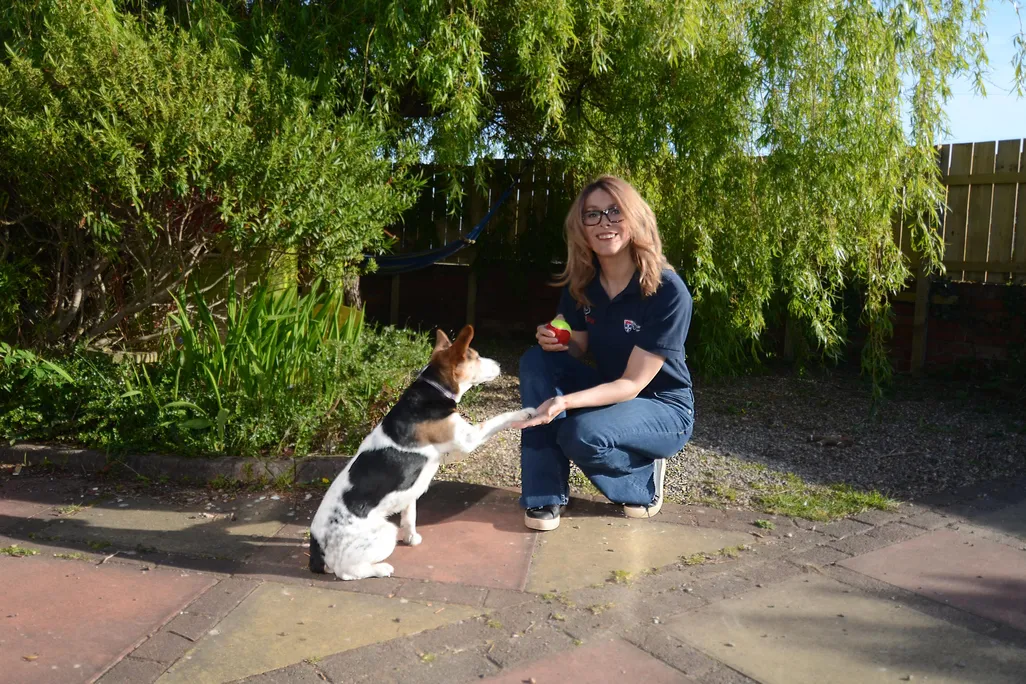
Credit: www.smithsonianmag.com
Signs Of Male Dog Puberty
Male dogs go through puberty like humans do. This stage brings many changes in their bodies and behavior. Recognizing the signs helps owners understand their pets better. The changes vary but often follow a clear pattern.
Physical Changes
Male dogs develop stronger muscles and a larger body. Their testicles grow and become more noticeable. The coat may get thicker or change texture. Some dogs also have a stronger smell during this time. These changes usually start between six and twelve months.
Behavioral Shifts
Puberty can make male dogs more restless. They may test limits and act more stubborn. Increased marking with urine is common to claim territory. Some dogs show more interest in other dogs. Play may turn rougher or more competitive. Training patience helps manage these behaviors.
Hormonal Effects
Hormones like testosterone rise and influence actions. This can cause sudden mood swings and aggression. Male dogs may try to escape to find mates. Their focus on training can decrease during this phase. Understanding hormones helps explain their new behaviors.
Common Puberty Behaviors
Male dogs go through many changes during puberty. These changes affect their behavior. Understanding common puberty behaviors helps owners handle their dogs better. Puberty usually starts between six to twelve months of age. During this time, expect noticeable shifts in how your dog acts. Some behaviors may seem confusing or challenging. Awareness of these behaviors allows for patience and proper training.
Increased Marking
Marking is a natural behavior in male dogs during puberty. They use urine to mark their territory. This helps them communicate with other dogs. Marking often happens inside the house or in new places. It may increase as your dog’s hormones rise. This behavior can be frustrating but is normal. Training and supervision can reduce unwanted marking.
Mounting And Humping
Mounting is common in young male dogs during puberty. It can be a sign of excitement or stress. Sometimes, it shows dominance or playfulness. Humping is not always sexual. It often happens during play or when your dog is anxious. This behavior usually decreases as your dog matures. Redirecting your dog’s attention helps manage this behavior.
Aggression And Dominance
Some male dogs show more aggression during puberty. This may be due to rising testosterone levels. Aggression can appear as growling, barking, or biting. Dominance behaviors include challenging other dogs or people. Proper training and socialization are key to controlling aggression. Avoid punishment, which can make aggression worse. Seek professional help if aggression is severe.
Restlessness And Energy Surges
Puberty brings bursts of energy and restlessness. Your dog may seem hyperactive and hard to calm down. This is normal as their body and mind develop. Regular exercise helps release this extra energy. Mental stimulation through games or training also calms your dog. Consistent routines provide stability during these changes.
Managing Puberty Challenges
Managing male dog puberty can be tough. This phase brings many changes in behavior. Dogs may show more energy, mood swings, and new habits. These changes can challenge owners. Patience and clear methods help guide your dog through this time. Training, socializing, and exercise are key tools for success.
Training Techniques
Use simple commands and keep training short. Consistency helps your dog learn faster. Reward good behavior with treats or praise. Avoid punishment; it can cause fear or confusion. Teach basic commands like sit, stay, and come. Practice daily to build good habits. Be calm and firm during sessions. Training builds trust and control during puberty.
Socialization Tips
Expose your dog to different people and animals. New experiences reduce fear and aggression. Start socializing in safe places. Watch your dog’s body language closely. Stop if your dog feels stressed. Positive interactions help your dog feel confident. Socialization lowers chances of behavioral problems. Make outings fun and stress-free for your dog.
Exercise And Mental Stimulation
Provide daily exercise to burn excess energy. Walks, playtime, and fetch work well. Mental games keep your dog’s mind sharp. Use puzzle toys or hide treats for challenges. Tired dogs behave better and focus more. Balance physical and mental activities every day. This helps reduce stress and unwanted behaviors during puberty.
When To Consider Neutering
Deciding the right time to neuter your male dog is important. This choice affects his health and behavior. Understanding when to consider neutering helps you make the best decision. Here are key points to consider about timing, benefits, behavior, and health.
Timing And Benefits
Most vets suggest neutering between six and twelve months old. This is often before puberty fully starts. Neutering early can prevent some unwanted behaviors. It also helps control the pet population. Neutered dogs may live longer and healthier lives.
Behavioral Impact
Neutering can reduce aggression and roaming. It lowers the risk of marking territory with urine. Neutered males often show less dominance and fighting. Some dogs become calmer and more focused. Still, behavior changes vary by dog.
Health Considerations
Neutering reduces risks of certain cancers. It prevents testicular cancer completely. It also lowers the chance of prostate problems. Some studies link neutering to joint issues in large breeds. Talk to your vet about your dog’s breed and health.
Expert Advice For Owners
Male dogs experience many changes during puberty. These changes affect their behavior and mood. Owners need clear advice to handle this phase well. Understanding how to guide a young male dog helps build a strong bond. This section gives expert advice to make this time easier for both.
Patience And Consistency
Patience is key when dealing with a pubescent dog. Expect mood swings and testing of limits. Stay calm and avoid harsh punishments. Consistency in rules helps your dog understand what is allowed. Use the same commands and routines daily. This approach builds trust and reduces confusion.
Recognizing Normal Vs Problematic Behavior
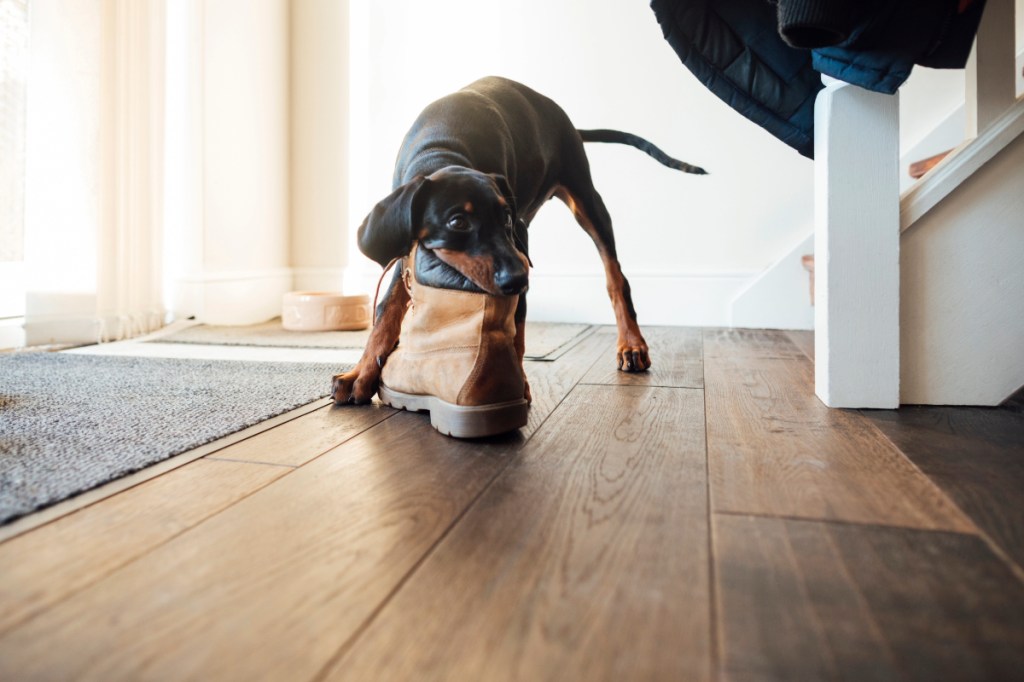
Normal puberty behaviors include chewing, marking, and increased energy. Watch for signs like aggression or fear that seem extreme. Excessive biting or destruction may need attention. Keep a journal of behaviors to track changes. This record helps identify if behavior is normal or needs help.
Seeking Professional Help
Professional trainers or vets can provide valuable support. They offer advice tailored to your dog’s needs. Early help prevents problems from getting worse. Look for experts with experience in adolescent dogs. Don’t wait too long to ask for guidance.
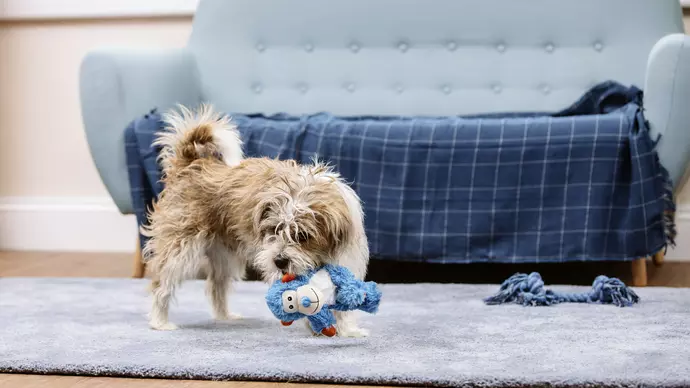
Credit: www.bluecross.org.uk
Credit: dogtime.com
Frequently Asked Questions
What Behavioral Changes Occur During Male Dog Puberty?
Male dogs may become more territorial, restless, and assertive. They often test boundaries and show increased marking and mounting behaviors.
At What Age Does Male Dog Puberty Start?
Male dog puberty typically begins between 6 to 12 months, depending on breed size and individual development.
How To Manage Aggression In Male Dogs During Puberty?
Provide consistent training, socialization, and regular exercise. Use positive reinforcement and consult a vet if aggression worsens.
Does Neutering Affect Male Dog Puberty Behavior?
Yes, neutering can reduce hormone-driven behaviors like marking and aggression, especially if done before puberty fully develops.
Conclusion
Male dogs change a lot during puberty. Their behavior can seem strange or new. They might test limits or act more confident. This is normal and part of growing up. Patience and clear rules help guide them well. Training and love make this time easier.
Understanding these changes helps you support your dog better. Remember, this phase does not last forever. Stay calm and consistent to build trust. Your dog will grow into a well-behaved adult with your help.

