

Getting a grown dog to stop having accidents inside can feel frustrating and overwhelming. But the good news is, it’s never too late to teach your dog good bathroom habits.
With the right approach, patience, and a few simple steps, you can help your dog become house trained and keep your home clean. If you’re ready to make life easier for both you and your furry friend, keep reading—this guide will show you exactly how to house train a grown dog, step by step.
Assessing Your Dog’s Needs
Assessing your dog’s needs is the first step in house training a grown dog. Every dog is unique and requires a different approach. Understanding your dog’s behavior, health, and limits can make training easier and more effective.
Recognizing Behavioral Patterns
Observe when and where your dog usually goes to the bathroom. Note signs of restlessness or sniffing, which often mean your dog needs to go. Watch for habits like barking or pacing. These patterns help you predict bathroom times and prevent accidents.
Identifying Medical Issues
Some house training problems come from health issues. Frequent accidents or difficulty controlling bladder may signal a medical problem. Visit a vet to rule out infections or other illnesses. A healthy dog learns faster and stays more comfortable during training.
Setting Realistic Goals
Set small, clear goals for your dog’s progress. Celebrate short successes like fewer accidents or longer bathroom intervals. Avoid expecting perfect behavior right away. Patience and consistency build trust and confidence in your dog.

Credit: www.phaae.org
Creating A Training Schedule
Creating a training schedule is key to house training a grown dog. Dogs thrive on routine. A clear schedule helps your dog learn when and where to go potty. It also builds good habits faster. The schedule should fit your dog’s needs and your daily life.
Establishing Consistent Potty Times
Set specific times for potty breaks every day. Take your dog outside first thing in the morning. Offer potty breaks after meals and naps. Before bedtime, take your dog out again. Consistency helps your dog understand when to go. Use the same spot outside to avoid confusion.
Incorporating Regular Exercise
Exercise helps your dog stay healthy and calm. Plan daily walks or playtime. Exercise stimulates your dog’s body and bladder control. After exercise, offer a potty break. Active dogs often need to go more often. Regular activity reduces accidents inside the house.
Planning Feeding Times
Feed your dog at the same times every day. Regular feeding creates predictable potty needs. Avoid free feeding, where food is always available. Measure meals and stick to set times. This helps control when your dog will need to eliminate. A proper feeding schedule supports house training success.
Designating A Potty Area
Designating a potty area is a key step in house training a grown dog. It helps your dog know exactly where to go. Clear boundaries make learning faster and reduce accidents inside the home. Pick a spot that fits your lifestyle and your dog’s needs. Consistency is vital for success. Dogs learn best when they have a routine and clear signals.
Choosing The Right Spot
Select a quiet, easy-to-access area outside. Avoid busy or noisy places that might scare your dog. The spot should be consistent every time. It helps your dog remember the location. Consider the weather and how easy it is to clean up. A grassy area often works well for dogs. Keep the spot away from your dog’s feeding area to avoid confusion.
Introducing Your Dog To The Area
Take your dog to the potty spot often, especially after meals and naps. Use a leash to guide them gently. Stay there until your dog relieves itself. Praise your dog warmly right after they finish. This positive feedback builds good habits. Be patient and calm during this process. Repeat visits create a strong connection between the spot and potty time.

Credit: www.equidiversity.org
Positive Reinforcement Techniques
Positive reinforcement helps grown dogs learn good habits fast. It rewards the dog for doing the right thing. This method builds trust and makes training fun. Dogs want to repeat behaviors that bring rewards. Using positive reinforcement avoids fear and punishment. It makes house training easier and more effective.
Using Treats And Praise
Treats motivate dogs to follow commands. Choose small, tasty snacks your dog loves. Give a treat immediately after your dog goes potty outside. Praise your dog with kind words and petting. Use a happy voice to show approval. Combining treats and praise helps your dog understand what you want. This encourages the dog to repeat the behavior.
Timing Rewards Effectively
Give rewards right after the desired action. Dogs learn best when they connect the reward to the action. Delay can confuse your dog and slow training. Watch your dog closely for signs it needs to go out. Reward the dog as soon as it finishes outside. Quick rewards strengthen good potty habits. Consistency in timing helps your dog learn faster.
Managing Accidents
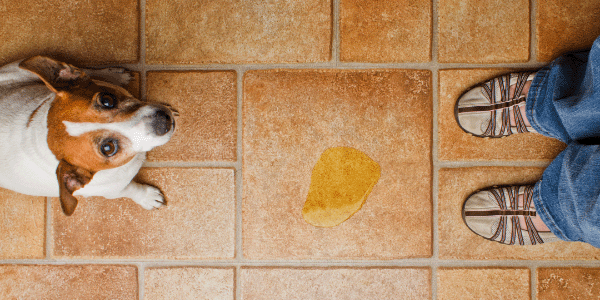
Accidents are part of house training a grown dog. They can be frustrating, but handling them well helps your dog learn faster. Managing accidents calmly makes training easier and keeps your home clean.
Cleaning Up Properly
Clean accidents right away. Use an enzyme cleaner to remove all smells. This stops your dog from returning to the same spot. Avoid cleaners with ammonia. They can confuse your dog.
Avoiding Punishments
Never punish your dog for accidents. It causes fear and confusion. Dogs do not link punishment to past accidents. Stay calm and patient. Praise good behavior instead.
Redirecting Behavior
Guide your dog to the right place to go. Take them outside often. Use a consistent command for bathroom time. Reward your dog when they go outside. This teaches where to relieve themselves.
Utilizing Crate Training
Crate training is a helpful method for house training a grown dog. It provides a safe space for your dog and helps control accidents. Dogs naturally avoid soiling their resting area. This makes crate training an effective tool for teaching bladder control and good bathroom habits.
Selecting The Right Crate
Choose a crate that fits your dog comfortably. It should be large enough to stand, turn, and lie down. Avoid crates that are too big, as dogs may use one corner as a bathroom. Look for sturdy crates with good ventilation and secure latches. Plastic or metal crates work well depending on your dog’s size and comfort needs.
Making The Crate Comfortable
Add soft bedding inside the crate for comfort. Use a blanket or dog bed that your dog likes. Include a favorite toy to make the space inviting. Make the crate a happy place, not a punishment. Avoid placing the crate in noisy or isolated areas of your home.
Introducing Crate Time Gradually
Start by leaving the crate door open. Encourage your dog to explore it on their own. Place treats and meals near or inside the crate. Gradually increase the time your dog spends inside. Stay close at first, then slowly leave the room. This helps your dog feel safe and reduces anxiety during crate training.
Dealing With Common Challenges
Training a grown dog to behave well indoors can bring many challenges. These problems can slow down progress and cause frustration. Understanding common issues helps you stay patient and calm. Each dog reacts differently to house training. Some face anxiety, others resist learning new rules. Sometimes, even trained dogs can forget what they learned. This section covers how to handle these common struggles.
Handling Anxiety And Stress
Many grown dogs feel anxious during house training. They may hide, whine, or refuse to eat. Anxiety makes learning hard for dogs. Create a quiet, safe space for your dog. Keep routines simple and consistent. Speak softly to soothe your dog. Use treats to reward calm behavior. Avoid punishment, as it increases stress. Give your dog time to adjust slowly.
Addressing Resistance To Training
Some dogs resist new rules and commands. They may ignore potty signals or run away. Resistance comes from fear or past bad experiences. Stay patient and calm with your dog. Use clear, simple commands every time. Reward good behavior immediately with treats or praise. Break training into small, easy steps. Avoid forcing your dog to do anything. Build trust by being gentle and kind.
Managing Regression
Regression means your dog forgets what it learned. It often happens after changes or stress. Do not punish your dog for accidents. Return to basics with frequent potty breaks. Keep a close eye on your dog’s behavior. Clean accidents thoroughly to remove smells. Reinforce positive habits with rewards. Stay consistent and patient to help your dog improve.
Tracking Progress
Tracking progress is key when house training a grown dog. It helps you see what works and what needs change. Keeping notes on your dog’s behavior guides your training steps. It shows small wins and highlights problem areas early.
Tracking also keeps you motivated. Seeing steady progress encourages you to keep going. It builds confidence in your methods and your dog’s ability to learn.
Keeping A Training Journal
Write down every training session. Note the time, place, and your dog’s response. Record accidents and successes. This helps you spot patterns over days and weeks.
A journal shows which times your dog needs bathroom breaks most. It reveals triggers that cause accidents. This info lets you plan better and be more consistent.
Adjusting Strategies As Needed
Use your journal to check what works best. Change your approach if progress slows. Try different rewards or potty schedules. Be patient and flexible.
Adjustments keep training fresh and effective. Small changes can lead to big improvements. Stay observant and respond to your dog’s needs.
Credit: www.preventivevet.com
Frequently Asked Questions
How Long Does It Take To House Train A Grown Dog?
House training a grown dog typically takes 4 to 6 weeks. Consistency, patience, and routine are key factors. Some dogs may learn faster or slower depending on their past habits and training.
What Are The Best Methods To House Train An Adult Dog?
Effective methods include crate training, positive reinforcement, and scheduled potty breaks. Avoid punishment and use rewards to encourage good behavior. Consistency helps the dog understand where and when to go.
Can Older Dogs Learn House Training Easily?
Yes, older dogs can learn house training with patience and consistency. They may take longer but respond well to positive reinforcement. Tailored routines and gentle encouragement improve success.
How Often Should I Take My Grown Dog Outside?
Take your adult dog outside every 2 to 3 hours initially. Regular breaks prevent accidents and reinforce good habits. Adjust frequency as the dog learns to hold its bladder.
Conclusion
House training a grown dog takes time and patience. Consistency helps your dog learn better. Reward good behavior with treats and praise. Keep a regular schedule for bathroom breaks. Watch for signs when your dog needs to go out. Avoid punishment; it can confuse your dog.
Stay calm and positive throughout the process. Every dog learns at its own pace. Celebrate small wins along the way. With care and effort, your dog will improve. A clean home and happy dog are worth it. Keep trying—you can do this!

