
Are you passionate about helping others and working closely with dogs? Becoming a service dog trainer could be the perfect path for you.
Imagine the impact you can make by training dogs that change lives every day. But how do you get started? What skills do you need, and what steps should you take? Keep reading, and you’ll discover everything you need to know to turn your love for dogs into a rewarding career as a service dog trainer.
Skills Needed For Service Dog Training
Becoming a service dog trainer requires more than just love for dogs. It demands specific skills to guide and teach dogs effectively. These skills help trainers shape the dog’s behavior and ensure they perform tasks reliably. Understanding these skills is the first step toward a rewarding career in service dog training.
Patience And Consistency
Patience is essential in service dog training. Dogs learn at different speeds and need time to understand commands. Consistency helps dogs know what to expect and what is expected of them. Trainers must repeat exercises calmly and clearly. This steady approach builds trust and improves learning.
Understanding Canine Behavior
Knowledge of canine behavior helps trainers recognize a dog’s needs and feelings. Trainers learn to read body language, signs of stress, and excitement. This insight prevents misunderstandings and helps trainers respond correctly. Understanding behavior also aids in choosing the right training methods for each dog.
Communication Techniques
Effective communication bridges the gap between trainer and dog. Trainers use clear, simple commands and positive signals. They combine voice, hand gestures, and body language to guide the dog. Good communication encourages cooperation and strengthens the bond between dog and trainer.

Credit: www.animalbehaviorcollege.com
Types Of Service Dogs
Service dogs help people live better lives. Each type of service dog has special training. They assist with different needs and challenges. Understanding the types of service dogs is important for trainers.
Training a service dog means knowing its specific role. Here are the main types of service dogs.
Guide Dogs For The Visually Impaired
Guide dogs help people who cannot see well. They lead their owners safely around obstacles. These dogs learn to stop at curbs and stairs. They also avoid moving objects. Their work helps people move freely and safely.
Hearing Dogs
Hearing dogs assist people who are deaf or hard of hearing. They alert their owners to sounds like doorbells or alarms. These dogs are trained to find the source of sounds. They help keep their owners aware of their surroundings.
Mobility Assistance Dogs
Mobility assistance dogs support people with physical disabilities. They help with balance and stability. These dogs fetch items or open doors. They can press buttons or carry small things. Their help makes daily tasks easier.
Medical Alert Dogs
Medical alert dogs warn their owners about health issues. They detect changes in blood sugar or seizures. These dogs alert owners before a problem starts. They provide crucial time to get help. Their training can save lives.
Training Methods And Techniques
Training methods and techniques form the foundation of becoming a skilled service dog trainer. These methods shape how the dog learns and behaves. Effective training helps the dog perform tasks that assist people with disabilities.
Trainers must use clear, consistent methods. The dog needs to understand what is expected. The right techniques create trust and a strong bond between trainer and dog.
Positive Reinforcement
Positive reinforcement means rewarding good behavior. Trainers use treats, praise, or play as rewards. This encourages the dog to repeat the behavior. It builds a happy learning environment.
This method avoids punishment. The dog feels safe and motivated. It helps the dog learn faster and enjoy training sessions.
Task Training
Task training focuses on teaching specific actions. These tasks help people in daily life. Examples include opening doors or picking up items.
Trainers break tasks into small steps. They guide the dog through each step slowly. Repetition and patience are key to success.
Socialization Practices
Socialization helps dogs stay calm in different places. It teaches them to behave around people and animals. This is important for service dogs who work in public.
Trainers expose dogs to new sounds, sights, and environments. The goal is a confident, well-mannered dog. Socialization reduces fear and stress in new situations.
Certification And Licensing
Certification and licensing are key steps to become a service dog trainer. They prove your skills and knowledge. These credentials help clients trust your training methods. They also ensure you follow legal and ethical guidelines.
Accredited Training Programs
Choose a program recognized by professional organizations. Accredited programs teach proper dog training techniques. They cover behavior, obedience, and service dog tasks. These courses include hands-on experience with dogs. Completion often results in a certification that employers respect.
State And Federal Requirements
Each state may have rules for service dog trainers. Some states require licenses or permits. Federal laws protect service dog rights but do not license trainers. Check local laws to meet all requirements. Proper licensing avoids legal issues and builds client trust.
Continuing Education
Training methods and laws change over time. Continuing education keeps trainers updated. Attend workshops, seminars, or online courses regularly. This practice improves your skills and knowledge. Clients prefer trainers who stay current in their field.
Starting Your Training Career
Starting a career as a service dog trainer requires dedication and a clear plan. You must gain hands-on experience and build trust with clients. This journey begins with learning practical skills and networking. Each step helps you grow in this unique field.
Understanding the path ahead makes the process easier. Focus on gaining experience, finding clients, and promoting your work.
Apprenticeships And Internships
Apprenticeships and internships offer real-world training. Working under an experienced trainer teaches you daily tasks. You learn how to handle different dogs and training methods. These programs help you develop confidence and skills. They also provide valuable connections in the industry.
Building A Client Base
Start by offering your services to friends and family. Word of mouth spreads trust and grows your reputation. Volunteer with local organizations to meet potential clients. Consistency and good results bring repeat clients. Keep records of your work and client feedback for future use.
Marketing Your Services
Create simple, clear messages about what you offer. Use social media to share success stories and tips. Local community boards and pet stores can help spread the word. A website with contact details and testimonials builds credibility. Regular updates keep your audience interested and informed.
Challenges In Service Dog Training
Training service dogs is rewarding but tough. Trainers face many challenges that test their skills and patience. These challenges can impact the success of the training. Understanding these difficulties helps future trainers prepare better.
Handling Behavioral Issues
Service dogs must have calm and focused behavior. Some dogs show fear, aggression, or distraction. Trainers work hard to correct these behaviors early. Consistency and patience are key to improving behavior. Each dog needs a unique approach to handle issues.
Matching Dogs With Handlers
Not every dog fits every handler. Trainers must find the right match for abilities and personalities. A good match improves the bond and training success. This step requires knowing both the dog and the handler well. Poor matches can lead to frustration and failure.
Maintaining Training Standards
High standards ensure service dogs perform well in public. Trainers follow strict rules and methods. Regular checks and updates keep training effective. Skipping steps or lowering standards harms the dog’s skills. Staying consistent helps maintain trust in service dogs.
Resources And Support Networks
Becoming a service dog trainer requires more than just skills. Reliable resources and support networks help you grow in this field. They offer guidance, knowledge, and tools to improve your training methods. Access to these resources builds confidence and connects you with experts.
Professional Associations
Professional associations provide valuable support for service dog trainers. They offer certifications that prove your skills. Joining these groups gives access to workshops and seminars. You can learn about the latest training techniques. These associations also connect you to other trainers for advice and support.
Online Communities
Online communities bring trainers from around the world together. They share tips, success stories, and challenges. You can ask questions and get quick answers. These groups often have forums, social media pages, and video chats. They help you feel part of a larger network.
Training Equipment And Tools
Using the right tools makes training easier and more effective. Basic equipment includes leashes, harnesses, and clickers. Some trainers use specialized gear for specific tasks. Quality tools improve your dog’s learning experience. Investing in good equipment saves time and effort.
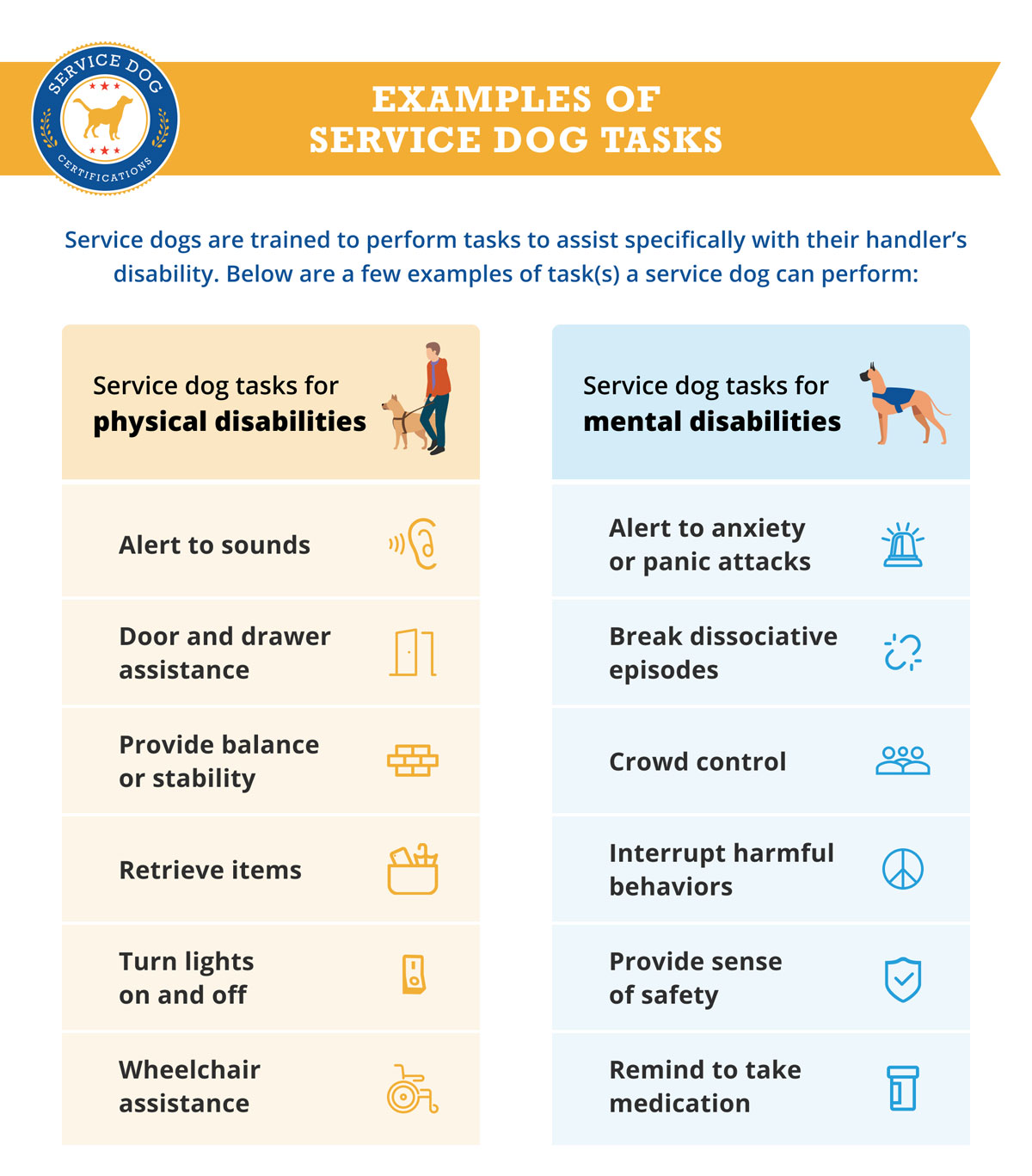
Credit: www.servicedogcertifications.org
Credit: www.servicedogcertifications.org
Frequently Asked Questions
What Qualifications Are Needed To Become A Service Dog Trainer?
Service dog trainers need knowledge of dog behavior, obedience training, and patience. Certifications in dog training and experience with service dogs are highly beneficial.
How Long Does It Take To Train A Service Dog?
Training a service dog usually takes 6 to 12 months. The process involves obedience, task training, and socialization to ensure reliability.
Can I Train My Own Service Dog?
Yes, you can train your own service dog. It requires dedication, proper knowledge, and adherence to legal standards for service dogs.
What Skills Are Essential For Service Dog Trainers?
Essential skills include patience, communication, observation, and knowledge of canine behavior. Trainers must be consistent and able to handle diverse dog personalities.
Conclusion
Becoming a service dog trainer takes patience and practice. You need to learn dog behavior and training skills. Start with small steps and work with experienced trainers. Each dog is different, so stay flexible and kind. Helping dogs change lives is rewarding and important.
Keep learning and growing in your training journey. Your efforts can make a real difference for people in need.


