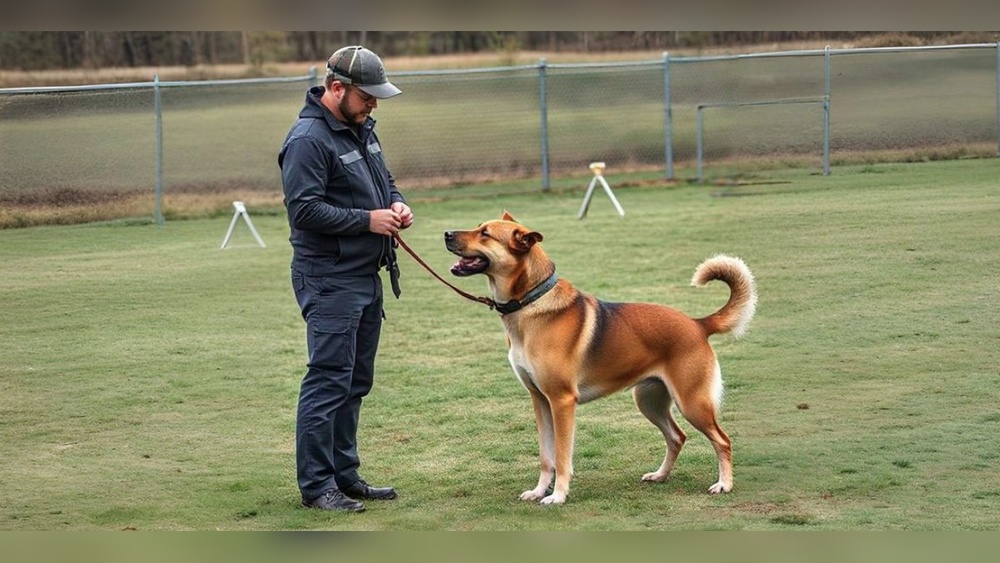
Are you looking to turn your loyal companion into a reliable guard dog? Training your dog to protect your home and loved ones is a skill you can learn, even if you have no prior experience.
Imagine having a furry friend who not only loves you but also stands alert and confident against any threat. In this guide, you’ll discover simple, effective steps to train your dog to be a guard dog, building their confidence, discipline, and protective instincts.
Keep reading, and soon you’ll have a watchful protector right by your side.
Choosing The Right Breed
Choosing the right breed is the first step in training a guard dog. Not all dogs have the natural skills to protect a home or family. Some breeds have instincts and traits that make them better suited for guarding. Picking a breed that matches your needs saves time and effort in training.
Each breed has unique qualities. Understanding these can help you make the best choice. A dog with the wrong traits may not respond well to guard training. The right breed will be alert, loyal, and ready to protect.
Traits Of Effective Guard Dogs
Effective guard dogs share key traits. They are naturally alert and aware of their surroundings. These dogs react quickly to strange sounds or movements. Loyalty to their owner is very important. A guard dog must protect its family without hesitation.
Confidence and courage are also needed. Guard dogs should not be easily scared or shy. They must stand firm when sensing danger. Intelligence helps them learn commands and rules fast. A good guard dog is calm but ready to act.
Breeds Best Suited For Guard Training
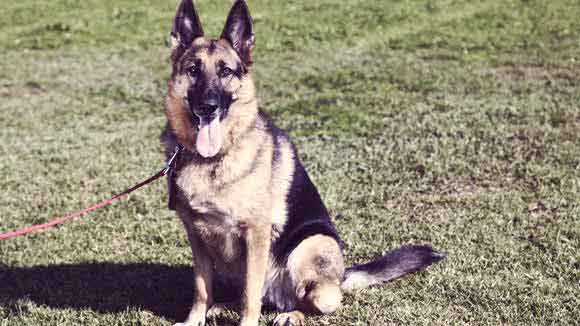
Some dog breeds are well-known for guarding skills. German Shepherds are popular for their intelligence and loyalty. Rottweilers have strong protective instincts and physical strength. Doberman Pinschers are alert and fast learners. These breeds respond well to training and commands.
Belgian Malinois is also a top choice. They are agile and focused, often used by police forces. Bullmastiffs have a natural guarding nature and strong build. These dogs can be calm at home but protective outside. Choosing one of these breeds increases success in guard training.

Credit: www.wikihow.com
Basic Obedience Training
Basic obedience training forms the foundation for a well-behaved guard dog. This training teaches your dog to listen and respond to your commands. A dog that follows instructions is easier to control and train for guarding tasks. Start with simple lessons that focus on respect and communication. A strong base helps your dog understand what you expect. It also builds trust between you and your dog. This trust is key for effective guard dog training.
Essential Commands To Master
Teach your dog key commands first. Commands like “sit,” “stay,” and “come” are crucial. These help control your dog in many situations. “Heel” teaches your dog to walk close to you. “Down” instructs your dog to lie quietly. Each command must be clear and consistent. Practice these daily in short sessions. Use positive rewards to encourage good behavior. A dog that knows these commands is ready for more advanced training.
Building A Strong Bond
A solid bond with your dog improves training results. Spend time playing and caring for your dog. This time builds trust and respect. Use gentle but firm voice tones during training. Be patient and consistent with your commands. Avoid punishment; reward good behavior instead. A dog that trusts you will protect you better. Your bond is the heart of guard dog training.
Introducing Guard Training
Training a dog to be a guard dog starts with clear, focused steps. This process teaches your dog to protect without causing harm. It builds trust and control, making your dog both safe and alert. Start training early and be patient. Consistency is key to success.
Teaching Alert Barking
Alert barking tells you when something is wrong. Teach your dog to bark only at strangers or unusual sounds. Use a command like “Speak” to start barking. Reward your dog with treats or praise for barking on command. Next, teach the “Quiet” command to stop barking. This control prevents constant noise and keeps training balanced.
Controlled Aggression Techniques
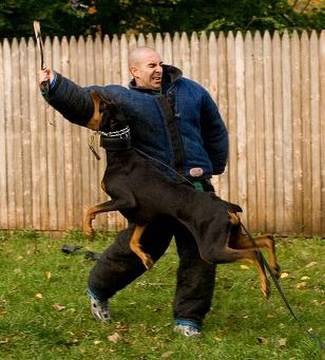
Controlled aggression means your dog protects without attacking. Train your dog to respond to threats calmly and firmly. Use commands like “Watch” to focus on a person or object. Avoid encouraging biting unless for serious defense. Practice with a professional trainer for safety. This training keeps your dog reliable and safe for your family.
Credit: www.petcarerx.com
Socialization And Safety
Training a dog to be a guard dog needs careful socialization and safety steps. Socializing helps your dog know who is a friend and who is a stranger. Safety means teaching your dog to protect without causing harm to others. This part of training builds trust between you and your dog.
Balancing Protection And Friendliness
Guard dogs must protect their home but also be friendly. Teach your dog to stay calm around family and visitors. Let your dog meet many people in different places. Praise your dog for good behavior near strangers. This balance keeps your dog safe and loved by everyone.
Avoiding Unwanted Aggression
Aggression can cause serious problems for guard dogs. Stop any signs of biting or growling without reason. Use firm commands and reward your dog for calmness. Watch your dog’s body language closely. Early control of aggression keeps your dog safe and trusted.
Advanced Guard Skills
Advanced guard skills are the next step in training your dog to protect effectively. These skills help your dog understand its role and improve its ability to guard your property. Training focuses on controlled actions and clear commands. Your dog learns to patrol areas and respond correctly to threats. This training builds confidence and sharpens instincts.
Patrolling And Boundary Control
Teach your dog to patrol the property regularly. Use a leash or long line at first to guide your dog along boundaries. Reward your dog for staying close to the edge of the property. Practice walking the same paths daily to build routine. Your dog learns to notice unusual activity or strangers near the boundary. This skill helps your dog feel responsible for protecting the area.
Train your dog to stop and alert you when spotting something unusual. Use simple commands like “check” or “patrol.” Repeat this often. Gradually, let your dog patrol without a leash. Always supervise the first few free patrols. This step strengthens your dog’s ability to control the boundary independently.
Responding To Threats
Your dog must learn to respond calmly to threats. Start by creating controlled situations with a helper acting as a stranger. Teach your dog to bark on command to warn you. Use firm commands like “stay” or “watch.” Your dog should not attack without your order.
Practice handling different types of threats. Include noises, strangers, or sudden movements. Reward your dog for alertness and control. Avoid encouraging aggression without control. Proper response training prevents dangerous behavior and keeps your dog safe. Your dog learns when to act and when to stay calm.
Training Tools And Equipment
Training a dog to be a guard dog needs the right tools and equipment. These tools help control and guide your dog during training sessions. Choosing the correct gear makes the process safer and more effective. It also helps your dog understand what is expected. Below are some key tools to use.
Leashes, Collars, And Harnesses
Leashes keep your dog close and under control. Use a strong leash that does not easily break. Collars hold ID tags and can be used for training commands. Choose collars that fit well and do not hurt your dog.
Harnesses spread pressure across the chest and shoulders. They reduce strain on the neck. A well-fitted harness can improve your dog’s comfort and control. Use harnesses for dogs that pull or have neck issues.
Using Training Aids Effectively
Training aids like clickers and treat pouches help guide your dog. Clickers mark good behavior clearly. Treat pouches keep rewards handy for quick use. Use these aids to reward your dog immediately.
Keep training sessions short and focused. Use aids consistently to build habits. Avoid overusing tools that cause discomfort or stress. Positive reinforcement works best to encourage guard dog skills.
Regular Practice And Maintenance
Training a dog to be a guard dog does not end after the first few lessons. Regular practice and maintenance keep the dog sharp and reliable. Guard dogs need ongoing training to stay alert and responsive. This helps them remember commands and behave properly in different situations.
Consistency In Training Sessions
Training must happen often and regularly. Short, daily sessions work best. This keeps the dog focused and prevents boredom. Consistent training builds strong habits. It also helps the dog understand what is expected. Avoid skipping days. Regular practice keeps skills fresh and sharp. Use the same commands and signals each time. This reduces confusion and speeds learning.
Monitoring Progress And Adjustments
Watch your dog’s behavior closely during training. Note improvements and areas needing work. Every dog learns at its own pace. Change your methods if the dog struggles. Add new challenges as skills improve. This keeps training interesting and effective. Regularly check if the dog reacts well to commands. Adjust timing, rewards, or techniques based on results. This ensures steady progress and success.
Legal And Ethical Considerations
Training a dog to be a guard dog involves more than just teaching commands. It requires careful thought about legal and ethical issues. These considerations protect you, your dog, and others around you. Understanding the rules and acting responsibly helps avoid problems and keeps training safe and fair.
Understanding Liability
Owning a guard dog carries legal responsibilities. You must know the laws about dog behavior in your area. If your dog hurts someone, you may face serious consequences. Liability can include fines or legal action. Always keep your dog under control. Proper training reduces risks and protects your rights.
Ensuring Humane Training Methods
Training should never harm or frighten your dog. Use positive reinforcement and patience. Avoid harsh punishments or fear-based techniques. Humane training builds trust and respect. Your dog learns better and stays happy. Treat your dog with kindness while training for guard duties.
Credit: www.youtube.com
Frequently Asked Questions
How Long Does It Take To Train A Guard Dog?
Training a guard dog usually takes 3 to 6 months. Consistency and daily practice speed up learning. Early socialization is essential. Advanced skills require more time. Each dog’s progress varies based on breed and temperament.
Which Dog Breeds Are Best For Guarding?
Popular guard dog breeds include German Shepherds, Rottweilers, Dobermans, and Belgian Malinois. These breeds have natural protective instincts, intelligence, and trainability. Choosing the right breed depends on your environment and training commitment.
What Basic Commands Should A Guard Dog Learn?
Guard dogs must master commands like sit, stay, come, heel, and bark on command. These commands ensure control and safety. Clear communication between owner and dog is crucial during training.
How Can I Socialize My Guard Dog Safely?
Socialize your guard dog by exposing it to people, animals, and environments gradually. Use positive reinforcement to reduce fear and aggression. Proper socialization prevents unwanted behavior and enhances effectiveness.
Conclusion
Training your dog to be a guard dog takes time and patience. Start with basic commands and build trust every day. Practice regularly to keep your dog alert and confident. Safety is key—never encourage aggression without control. A well-trained guard dog protects your home and family.
Remember, consistency makes the biggest difference in training success. Stay calm and positive during all sessions. Your effort will help your dog become a loyal protector. Keep learning and adapting as your dog grows. Guard dog training can be rewarding and effective with care.