

Have you ever noticed your dog suddenly trying to round up other animals, people, or even toys? That’s herding behavior at work—a natural instinct that shapes how many dogs think and act.
Understanding this behavior can change the way you interact with your furry friend and help you manage their energy better. If you want to learn why your dog acts this way and how to guide this powerful instinct, keep reading.
This insight could make your bond stronger and your daily life easier.
Herding Instincts In Dogs
Dogs with herding instincts show unique behaviors. These instincts come from their history as working animals. They help control and move other animals. Understanding these instincts helps owners train and care for their dogs better.
Origins Of Herding Behavior
Herding behavior started thousands of years ago. Early humans bred dogs to help with farming. These dogs learned to gather and guide livestock. This skill kept animals safe and organized. The behavior is natural and passed down through generations.
Common Herding Breeds
Some dog breeds are famous for herding. Border Collies are fast and smart herders. Australian Shepherds are strong and focused. German Shepherds also have strong herding instincts. These breeds are often used on farms and ranches worldwide.
How Herding Manifests
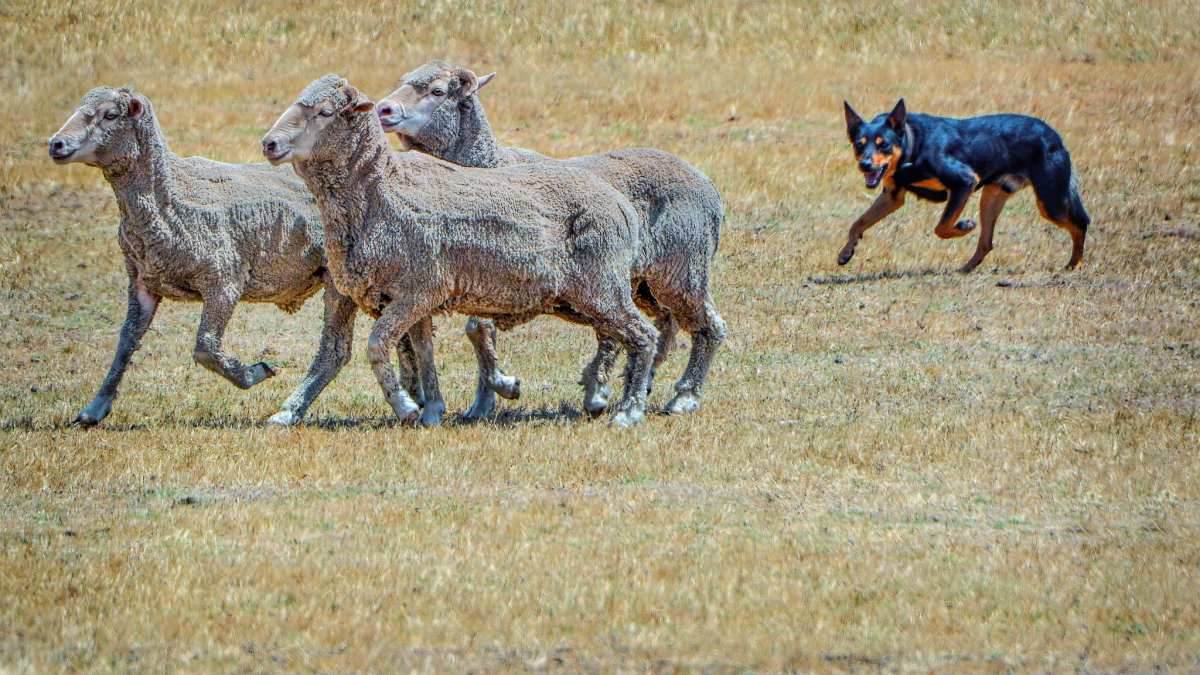
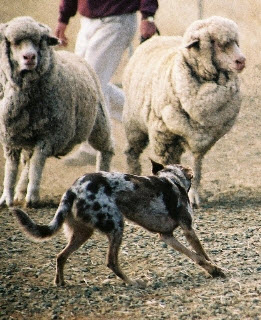
Herding dogs use eye contact and body posture. They circle animals to keep them together. Some nip gently at heels to move livestock. The dogs watch for sudden moves or dangers. This behavior shows their alertness and control.
Signs Of Herding Behavior
Herding behavior in dogs is a natural instinct. It shows how dogs control and guide other animals or people. Recognizing the signs helps owners understand their dog’s needs and actions.
Herding dogs use body language and actions to manage movement. These signals are clear once you know what to watch for. Identifying these signs can improve training and bonding.
Physical Cues And Movements
Dogs use their eyes to watch and control movement. They often stare intensely at the target. Their bodies stay low and ready to move quickly.
Tail position also tells a lot. A stiff or wagging tail shows focus and excitement. Ears point forward, alert to any changes around them.
Behavioral Patterns
Herding dogs circle around objects or people. They nip gently at heels or legs to guide direction. Barking is common to get attention or warn.
These dogs show quick changes in speed and direction. They stay close and try to keep everyone together. Restlessness appears when the action stops.
Situations That Trigger Herding
Movement of animals or children often starts herding behavior. Dogs react strongest during walks or in open spaces. Sudden running or loud noises can also trigger it.
Tasks like fetching or chasing stimulate the herding instinct. Dogs may try to control groups of pets or even people. Recognizing these triggers helps manage their behavior better.
Benefits Of Herding Instincts
Herding instincts in dogs offer many benefits beyond their original purpose. These natural behaviors help keep dogs active and happy. They give dogs a sense of purpose and fulfillment.
Engaging a dog’s herding instinct supports their mental and physical well-being. It also strengthens the bond between the dog and its owner. Here are some key benefits of herding instincts.
Mental Stimulation
Herding tasks challenge a dog’s mind. Dogs must think and make quick decisions. This mental work reduces boredom and anxiety. It keeps dogs sharp and alert.
Physical Exercise
Herding involves running, stopping, and changing directions. This movement provides excellent exercise. Active dogs stay healthier and less prone to obesity. Exercise helps maintain strong muscles and joints.
Bonding Through Tasks
Working with a dog on herding builds trust. Sharing tasks creates a strong connection. Dogs enjoy pleasing their owners through teamwork. This teamwork improves communication and respect.
Challenges With Herding Dogs
Herding dogs have strong natural instincts. These instincts can create challenges in daily life. Understanding these challenges helps owners manage their dogs better.
These dogs need mental and physical activity to stay happy. Without proper outlets, their behavior may become difficult.
Unwanted Herding In Daily Life
Herding dogs often try to herd people, children, or other pets. This may include nipping or circling. Such actions can be confusing or annoying to family members. This behavior happens because they want to control movement. Training and redirection are needed to reduce this habit.
Managing Excess Energy
These dogs have high energy levels. They need daily exercise to prevent boredom. Lack of activity can lead to restlessness and destruction. Walks, playtime, and tasks help burn off energy. Mental challenges like puzzles also keep their mind busy.
Potential Behavioral Issues
Without proper care, herding dogs may develop anxiety or aggression. They might bark excessively or become overly protective. These behaviors often stem from frustration or lack of guidance. Consistent training and socialization reduce these risks. Early intervention is important to maintain good behavior.
Training Techniques For Herding Dogs
Training herding dogs requires special techniques to guide their natural instincts. These dogs have strong herding urges that need proper direction. Training helps them focus their energy and behave well with family and other pets. Consistent methods build trust and improve learning.
Redirecting Herding Urges
Herding dogs often try to chase moving objects or animals. Redirect their urges by giving them safe outlets. Use toys or balls to mimic herding actions. Teach them to stop chasing on command. This control reduces unwanted behaviors and keeps them calm indoors.
Positive Reinforcement Methods
Reward good behavior with treats, praise, or playtime. Positive reinforcement encourages dogs to repeat desired actions. Avoid punishment, which can cause fear or confusion. Use clear commands and reward immediately. This approach strengthens the bond between owner and dog.
Incorporating Herding Activities
Include herding exercises to satisfy your dog’s instincts. Activities like fetch, agility courses, or herding trials work well. These keep dogs mentally and physically active. Regular practice prevents boredom and destructive behavior. Active dogs are happier and healthier.
Credit: discover.hubpages.com
Safe Outlets For Herding Behavior
Herding behavior is natural for many dog breeds. It helps them feel happy and busy. Giving dogs safe ways to use this instinct keeps them calm and healthy. These activities also prevent unwanted behaviors. Dogs get to enjoy their natural skills in a controlled way.
Organized Herding Trials
Organized herding trials let dogs practice real herding. These events are safe and supervised. Dogs follow commands and move livestock gently. Trials improve their focus and obedience. Dogs love the challenge and chance to work.
Interactive Toys And Games
Interactive toys keep herding dogs busy at home. Toys that move or make noise catch their attention. Puzzle toys also challenge their minds. Games like fetch or tug-of-war burn off energy safely. These activities satisfy their need to chase and control.
Agility And Obedience Training
Agility training builds dogs’ strength and coordination. It teaches them to follow commands quickly. Obedience training improves control over their actions. Both help dogs focus and feel useful. Training sessions create a strong bond between dog and owner.
When To Seek Professional Help
Herding behavior in dogs is natural but can sometimes cause problems. Knowing when to get professional help can protect your dog and others. Early help stops small issues from turning big. Trained experts can guide you on the best steps to take.
Signs Of Stress Or Aggression
Watch your dog closely for signs of stress. Growling, snapping, or biting shows aggression. Excessive barking or pacing may mean stress. Avoid ignoring these signals. Early signs mean you should seek help fast.
Working With Trainers And Behaviorists
Certified trainers and behaviorists understand herding behavior well. They teach safe ways to control your dog. Training sessions improve communication and reduce problems. Experts provide tools for you and your dog’s success.
Long-term Management Plans
Some dogs need ongoing care to stay calm. A long-term plan includes training, exercise, and routines. Consistency helps your dog feel secure and balanced. Professionals create plans tailored to your dog’s needs.
Credit: countryk9pets.com

Credit: offleashk9nova.com
Frequently Asked Questions
What Is Herding Behavior In Dogs?
Herding behavior is an instinctive action where dogs control the movement of animals or people. It originates from working breeds used in farming. This behavior includes circling, chasing, and nipping to guide or gather livestock.
Which Dog Breeds Show Herding Behavior?
Common herding breeds include Border Collies, Australian Shepherds, and Corgis. These dogs have strong instincts to manage livestock. Their intelligence and energy make them excellent at herding tasks.
Why Do Dogs Herd People Or Other Pets?
Dogs herd to control movement and maintain order, mimicking livestock management. It can be a sign of their natural instincts. Sometimes, it helps them feel purposeful and engaged.
How Can I Manage Herding Behavior In My Dog?
Provide plenty of exercise and mental stimulation. Training commands like “stay” and “come” help control herding urges. Redirect their energy to games or tasks to reduce unwanted herding.
Conclusion
Herding behavior shows how dogs think and act naturally. It helps dogs stay close and work as a team. Understanding this behavior improves training and care. Dogs feel happy and safe when they herd gently. Watch for signs to keep your dog healthy and calm.
Enjoy the bond that grows from this special instinct. Each dog has its own style and pace. Learning about herding makes life easier for both. Keep exploring and appreciating your dog’s unique ways.


