

Bringing a new puppy home is exciting—but the first night can feel overwhelming. You might wonder how to help your puppy feel safe, settle down, and start building a bond right away.
What if your puppy cries or won’t sleep? What can you do to make this night easier for both of you? You’ll discover simple, effective tips to calm your puppy and create a peaceful first night together. Keep reading, and you’ll learn exactly how to turn those first hours into a positive start for your new best friend.
Preparing Your Home
Preparing your home for a new puppy is very important. A safe and comfy space helps your puppy feel calm and happy. Setting up the right area makes the first night easier for both of you. It also helps your puppy learn good habits from the start.
Create A Safe Space
Choose a quiet corner or small room for your puppy. Remove anything sharp or dangerous nearby. Block off places where your puppy could get stuck. A safe space helps your puppy feel secure and less scared. Keep the area clean and free from small objects to chew.
Gather Essential Supplies
Have food and water bowls ready before your puppy arrives. Buy puppy food recommended by the breeder or vet. Get some toys to keep your puppy busy and happy. Prepare cleaning supplies for accidents. These things will help your puppy settle in quickly.
Set Up A Comfortable Bed
Choose a soft bed that fits your puppy’s size. Place the bed inside the safe space. Add a blanket or a small towel with a familiar smell. A cozy bed helps your puppy feel warm and calm. Change bedding often to keep it fresh and clean.

Credit: pupford.com
Managing First Night Anxiety
The first night with a new puppy can be tough. Puppies feel scared and confused in a new place. They miss their mother and littermates. Managing their anxiety helps them settle down faster. Calm actions create a safe space. Comfort and gentle sounds ease their mind.
Keep A Calm Atmosphere
Stay quiet and relaxed around your puppy. Loud noises and sudden movements can frighten them. Speak softly and move slowly. Dim the lights to create a soothing environment. A calm room helps your puppy feel safe and less stressed.
Use Soothing Sounds
Soft sounds can comfort your puppy during the night. Play gentle music or white noise at low volume. These sounds mask strange noises outside. The steady noise soothes your puppy and helps them sleep better. Avoid loud or sudden sounds that might startle them.
Offer Comfort Items
Give your puppy something soft to cuddle. A small blanket or stuffed toy works well. These items remind them of their littermates. You can also try a ticking clock wrapped in a cloth. The ticking mimics a heartbeat and calms your puppy.
Establishing A Routine
Starting a new life with a puppy means setting clear routines. Puppies feel safe when they know what comes next. A steady routine helps your puppy learn and adjust. It also makes training easier and builds trust between you both.
Consistent Feeding Schedule
Feed your puppy at the same times every day. Consistency helps their digestion and energy levels. It also creates a sense of security. Use measured portions to avoid overfeeding. Fresh water should always be available.
Regular Potty Breaks
Take your puppy outside often, especially after meals and naps. Short, frequent breaks prevent accidents inside. Praise them when they go outside. This teaches good bathroom habits fast. Watch for signs like sniffing or circling.
Bedtime Rituals
Create a calm, quiet space for your puppy to sleep. Use a soft bed and familiar toys. Gentle petting or a quiet voice can help them relax. Keep bedtime the same every night. This routine reduces anxiety and helps them settle quickly.
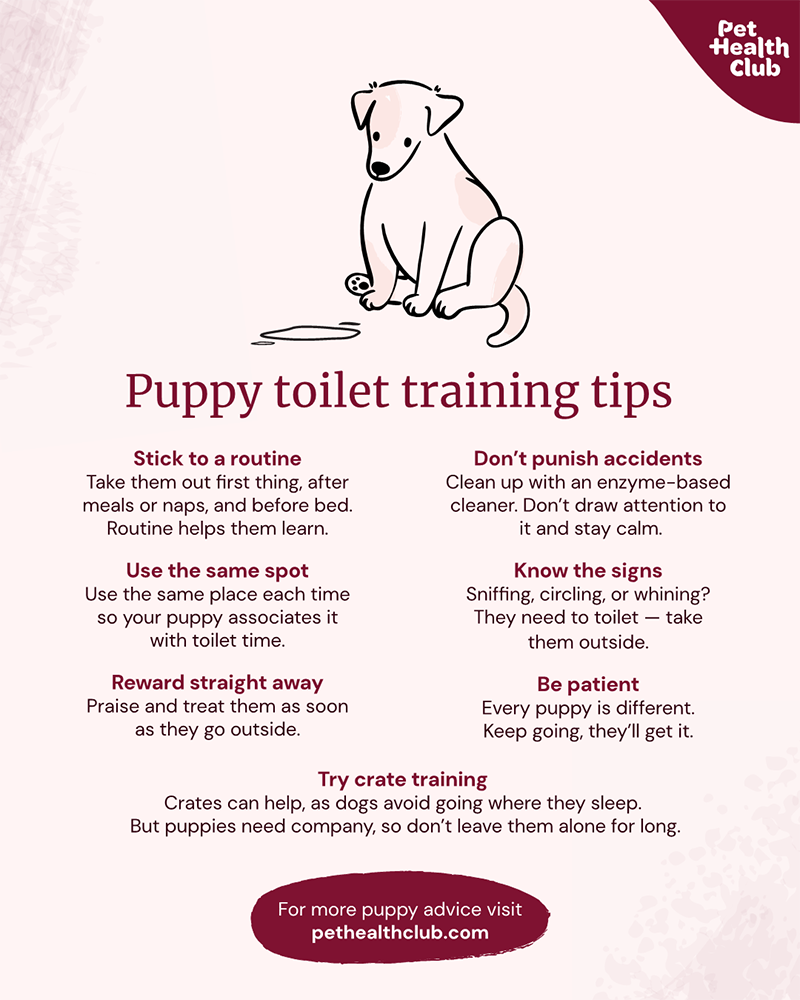
Credit: www.pethealthclub.com
Handling Crying And Whining
Handling crying and whining is a common challenge on your puppy’s first night. Puppies feel scared and lonely in a new home. Their cries are a way to ask for comfort and attention. Understanding how to respond calmly helps your puppy settle down faster.
Recognize The Causes
Puppies cry for many reasons. They might feel cold, hungry, or scared. Some miss their mother and siblings. Pain or illness can cause whining too. Watch your puppy closely to find the cause of discomfort.
Avoid Reinforcing Negative Behavior
It is easy to give in to crying. But responding too much can teach your puppy to cry more. Stay calm and quiet. Ignore whining if your puppy is safe and healthy. This helps your puppy learn to be calm alone.
Provide Gentle Reassurance
Gentle touches and soft words help your puppy feel safe. Use a calm voice to soothe them. Avoid picking up your puppy every time they cry. Instead, stay nearby to offer quiet comfort without encouraging crying.
Building Trust And Bonding
Building trust and bonding with your new puppy starts on the very first night. This time is special and sets the tone for your relationship. Puppies feel safe and loved when you show patience and care. A strong bond helps your puppy grow confident and happy. Small, gentle actions create big trust.
Spend Quality Time
Sit close to your puppy and speak softly. Let your puppy sniff your hand and explore your voice. Quiet moments build comfort and calm nerves. Avoid rushing or loud noises. Your puppy learns you are a friend.
Use Positive Reinforcement
Give treats and praise for calm and gentle behavior. Reward your puppy often to encourage good habits. Use kind words and gentle pets to show approval. Positive feedback helps your puppy feel safe and eager to learn.
Introduce Gentle Play
Play with soft toys and use slow, gentle movements. Avoid rough or fast play during the first night. Gentle play creates happy memories and trust. It also teaches your puppy how to interact with you calmly.

Credit: www.harringtonspetfood.com
Safety Tips For The First Night
The first night with a new puppy is exciting but needs careful safety checks. Puppies are curious and can get into trouble quickly. Creating a safe space helps your puppy feel calm and secure. Here are key safety tips to protect your new friend during those first hours at home.
Check For Hazards
Look around the room for small objects your puppy might swallow. Remove anything sharp or breakable. Cover electrical cords to stop chewing and shocks. Keep cords, toys, and furniture stable to avoid accidents. Check corners and under furniture for hidden dangers.
Secure Doors And Windows
Make sure all doors and windows close tightly. Use baby gates to block stairs or unsafe rooms. Prevent your puppy from escaping outside or entering dangerous areas. Lock screens or windows that open wide. Your puppy should stay where you can watch easily.
Avoid Toxic Foods And Plants
Some foods and plants harm puppies. Keep chocolate, grapes, onions, and garlic out of reach. Remove houseplants that may be toxic, like lilies or philodendrons. Store cleaning supplies and medicines high up. Teach family members not to feed your puppy anything unknown.
Preparing For Sleep
Preparing your new puppy for sleep is important for a calm first night. Puppies need comfort and a quiet space to feel safe. Setting up a good bedtime routine helps them relax and settle down faster. Small changes in their environment and actions can make a big difference.
Limit Excitement Before Bed
Keep playtime calm as bedtime nears. Avoid loud noises or rough play. Gentle petting or soft talking soothes your puppy. This helps lower energy levels and makes sleep easier. A quiet environment reduces stress and restlessness.
Use Nighttime Feeding Wisely
Feed your puppy a small meal before bed. Avoid heavy food or treats late at night. Nighttime feeding keeps hunger away but prevents discomfort. A light snack can help your puppy feel full and relaxed. Do not feed too close to bedtime to avoid bathroom issues.
Monitor Temperature And Lighting
Check the room temperature; puppies like warmth. Keep the space cozy but not too hot. Use soft lighting or a night light for comfort. Bright lights can disturb their rest. A dim room helps signal that it is time to sleep.
Frequently Asked Questions
How To Prepare For Your Puppy’s First Night?
Create a cozy space with a soft bed and toys. Keep the area warm and quiet. Have food and water ready. Limit distractions and provide comfort to reduce anxiety for your new puppy.
What Should I Expect On My Puppy’s First Night?
Puppies may whine or cry due to separation anxiety. They need frequent bathroom breaks and gentle reassurance. Expect some restlessness but avoid overstimulation to help your puppy adjust smoothly.
How To Help A Puppy Sleep Through The Night?
Establish a bedtime routine with calm activities. Take your puppy outside before bed for a bathroom break. Avoid feeding right before sleep. Use comforting items like a soft blanket or a ticking clock to mimic a heartbeat.
When Should I Start Potty Training My Puppy?
Start potty training immediately on your puppy’s first night. Consistency and patience are key. Take your puppy outside frequently and reward good behavior. Early training helps prevent accidents and builds a strong routine.
Conclusion
Starting your puppy’s first night right builds trust and comfort fast. Keep calm and patient, and your puppy will feel safe. A cozy space, gentle words, and small treats help ease nerves. Expect some noise or restlessness; it’s normal for new pups.
Remember, every puppy adjusts at its own pace. Your care tonight sets the tone for many happy days ahead. Stay consistent and loving, and your puppy will grow confident and happy. Small steps matter most on this important first night.


