

Toilet training your dog can feel like a tough challenge, but it doesn’t have to be. Imagine enjoying a clean, fresh home without worrying about accidents on the floor.
You want your dog to learn quickly, so both of you can spend more time having fun and less time cleaning up messes. This guide will show you simple, effective steps that anyone can follow. Keep reading to discover how you can make toilet training easier and get your dog on the right track fast.

Credit: www.flashdogtraining.com
Choosing The Right Spot
Choosing the right spot for toilet training your dog is very important. The right place helps your dog learn faster and avoid accidents. It also makes your dog feel safe and comfortable. Picking a spot depends on your living space and your dog’s needs.
Indoor Vs Outdoor Options
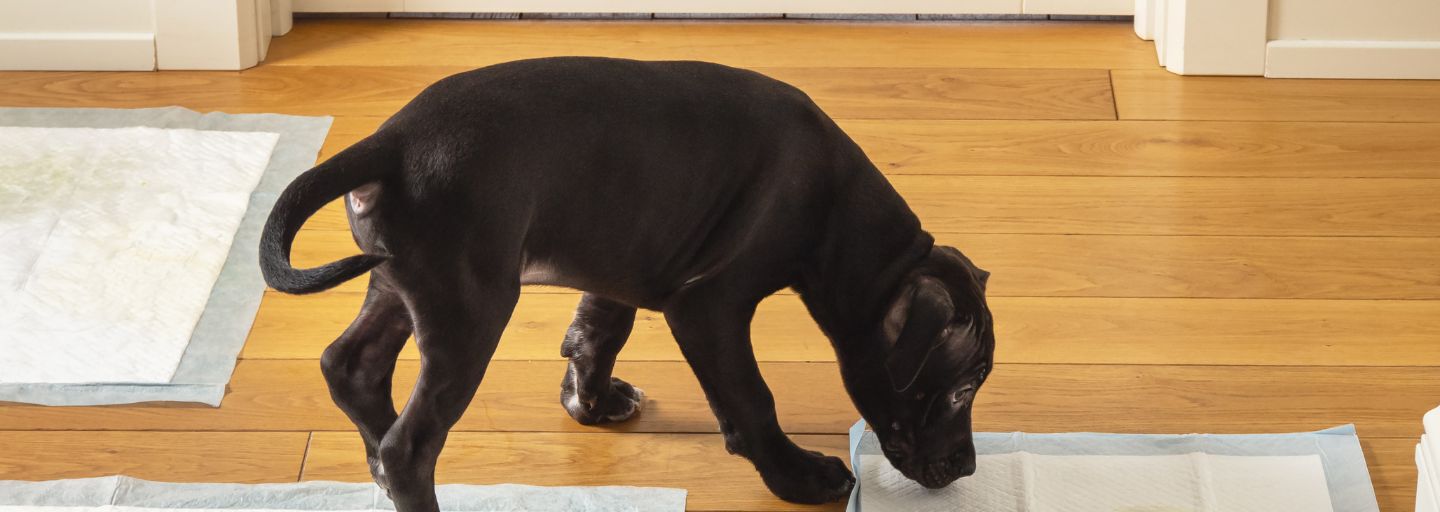
Decide if your dog will go inside or outside to the bathroom. Outdoor spots are natural for dogs and give them fresh air. Choose a quiet, easy-to-reach area outside. Indoor options work well for small dogs or bad weather. Use pee pads or indoor dog toilets in one fixed place.
Consistency In Location
Always take your dog to the same spot for toilet breaks. Dogs learn by routine and repetition. This helps them understand where to go and when. Changing the spot confuses your dog and slows training. Keep the area clean to encourage your dog to use it again.
Credit: www.purina.com.au
Setting A Schedule
Setting a schedule is key to toilet training your dog. Dogs learn best with routines. A regular schedule helps your dog know when to eat and go outside. It reduces accidents and builds good habits. You control their day, which makes training easier and faster.
Regular Feeding Times
Feed your dog at the same times every day. This helps their digestion stay on track. When you control feeding times, you can predict when your dog needs to go out. Avoid free feeding or leaving food out all day. A consistent meal schedule means more predictable bathroom breaks.
Frequent Bathroom Breaks
Take your dog outside often, especially after meals and naps. Puppies need to go out every one to two hours. Older dogs still benefit from regular breaks. Watch for signs like sniffing or circling. Frequent trips reduce accidents inside and help your dog learn the right spot.
Recognizing Signs
Recognizing signs is key to successful toilet training for dogs. Dogs cannot tell us when they need to go. They use body language and actions to show their needs. Understanding these signs helps prevent accidents inside the house. It also speeds up the training process. Pay close attention to your dog’s behavior. This builds a strong bond and trust.
Common Behaviors Before Needing To Go
Dogs often sniff the floor or circle in one spot. Some may suddenly stop playing and look around. Others might whine or paw at the door. Restlessness is another clear sign. You may see them squatting or backing up to a corner. These actions usually mean they need to urinate or poop soon. Knowing these signs helps you act fast.
How To Respond Quickly
When you notice these signs, take your dog outside immediately. Use a leash to guide them to the usual spot. Praise and reward them after they go. This encourages good behavior. Avoid punishment for accidents. Clean the area well to remove smells. Consistency in timing and place helps dogs learn faster. Be patient and stay calm during training.
Using Commands And Cues
Using commands and cues helps your dog understand what you want. Dogs learn best with clear, consistent signals. This makes toilet training easier and faster. Commands guide your dog to the right place. Cues tell your dog when to go. Both work together to build good habits.
Simple Words To Use
Choose short, clear words for commands. Words like “potty,” “go,” or “outside” work well. Use the same word every time. This helps your dog recognize the command quickly. Avoid long or complicated phrases. Keep it easy to remember. Speak in a calm, friendly tone. This encourages your dog to listen and obey.
Timing Your Commands
Give commands at the right moment. Use the command just before your dog needs to go. Watch for signs like sniffing or circling. Say the command clearly and calmly. Take your dog to the bathroom spot right after. Praise your dog immediately after they go. This links the command with the action. Repeat this often for best results.
Positive Reinforcement
Positive reinforcement is a key method to toilet train your dog. It helps your dog learn good habits by rewarding the right actions. This method builds trust and makes training fun. Dogs respond well to rewards and kind words. They want to please you and feel happy when praised.
Using positive reinforcement means giving your dog a treat or praise after they go to the toilet outside. This teaches them that good behavior brings rewards. It encourages your dog to repeat the action and learn faster.
Treats And Praise
Give your dog a small treat right after they toilet outside. The treat should be something your dog likes and finds tasty. Along with the treat, use a happy voice to say “Good job” or “Well done.”
This helps your dog connect the treat and praise with the correct behavior. Keep treats ready during training times. Offer praise and treats quickly after the right action. This timing helps your dog learn clearly.
Avoiding Negative Reactions
Never punish or yell at your dog for accidents. Negative reactions can make your dog scared or confused. This slows down training and harms your bond.
Ignore accidents calmly and clean them up quietly. Focus on rewarding good behavior instead. Patience and kindness create a safe space for learning. Your dog will feel more confident and eager to please you.
Handling Accidents
Accidents happen during toilet training. They are part of the learning process for your dog. Handling these accidents calmly helps your dog learn faster. Reacting with anger can confuse your dog and slow progress. Instead, focus on cleaning and patience to guide your dog correctly.
Cleaning Effectively
Clean accidents immediately to remove smells. Dogs return to spots that smell like urine or feces. Use enzyme-based cleaners that break down the odor completely. Avoid ammonia cleaners, as they smell like urine to dogs. Thorough cleaning helps prevent repeat accidents in the same place.
Staying Patient
Patience is key during toilet training. Dogs need time to understand where to go. Expect accidents and do not punish your dog. Stay calm and encourage good behavior with praise. Consistency and kindness build trust and good habits.
Crate Training Benefits
Crate training helps dogs learn where to go potty. It creates a safe space for your dog. Dogs do not like to soil their sleeping area. This natural habit makes crate training very useful for toilet training.
Using a crate limits your dog’s freedom. It helps you watch your dog’s bathroom habits. It also teaches your dog to hold their bladder. Crate training can make toilet training faster and easier.
Choosing The Right Crate
Pick a crate that fits your dog well. It should be big enough to stand up and turn around. Not too big, or your dog may use one corner as a bathroom. A cozy space feels safe and comfortable.
Plastic crates are good for travel and quiet time. Wire crates offer more airflow and visibility. Choose one that suits your dog’s size and personality. Make sure the crate is easy to clean.
Using Crates For Toilet Training
Put your dog in the crate when you cannot watch them. Take them out often to the bathroom spot. Praise your dog when they go potty outside. This teaches good habits and builds trust.
Do not keep your dog in the crate too long. Puppies need frequent bathroom breaks. Use the crate as a tool, not a punishment. Let your dog out for play and exercise regularly.
Troubleshooting Common Issues
Toilet training a dog can be tricky at times. Problems can slow progress and cause frustration. Knowing how to fix common issues helps keep training on track. Patience and consistency remain key.
Understanding the reasons behind setbacks makes solving them easier. Dogs may act differently due to stress, health, or habits. Addressing these causes quickly avoids bigger problems later.
Dealing With Regression
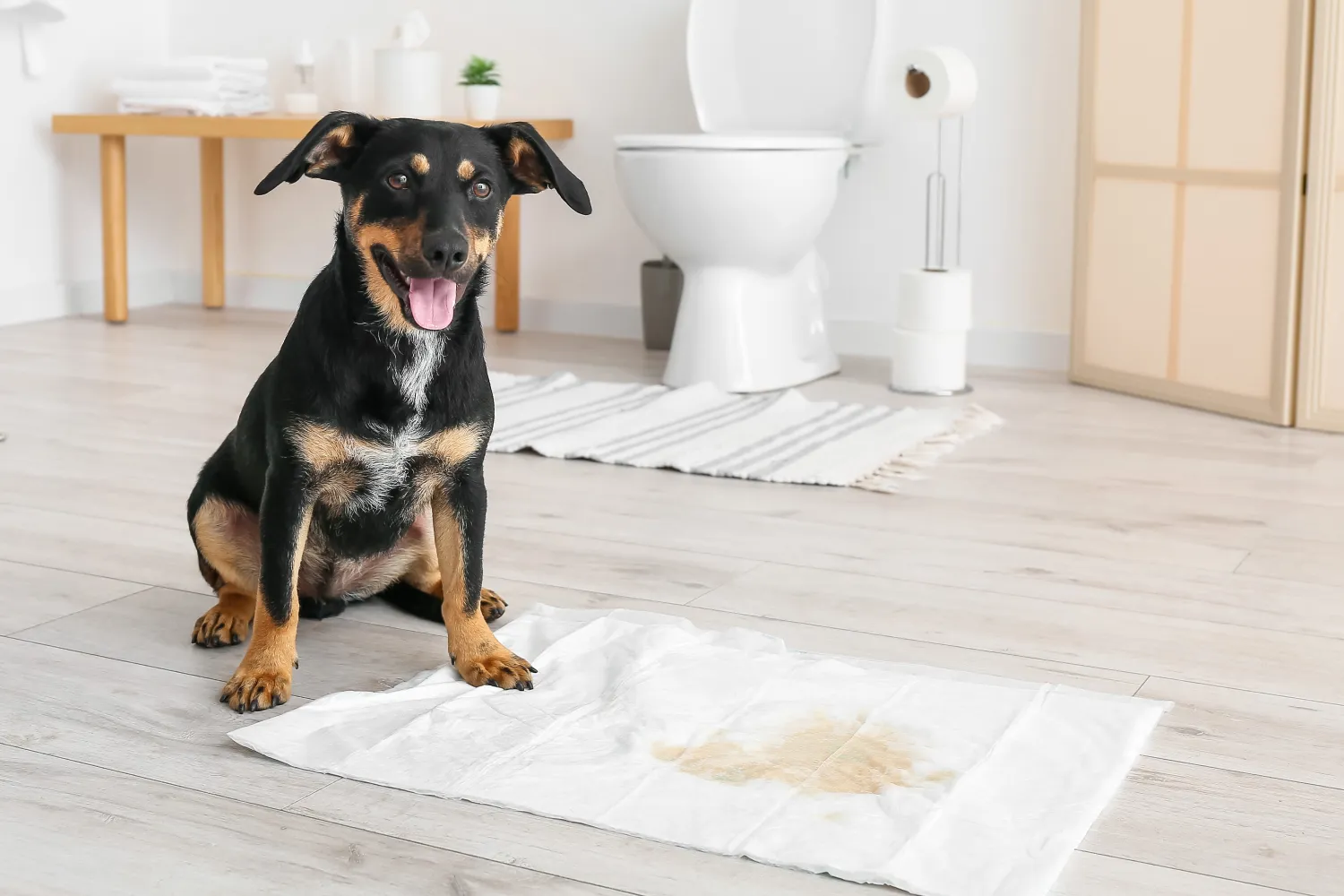
Dogs may suddenly forget toilet training steps. Regression happens often after changes or stress. Stay calm and return to basics. Increase bathroom breaks and praise good behavior.
Keep a routine and watch for signs your dog needs out. Clean accidents with enzyme cleaners. Avoid punishment; it can cause fear and more accidents.
Managing Stubborn Behavior
Some dogs resist learning at first. They may ignore commands or hide when needing to go. Use clear, firm commands and reward immediately after success. Short training sessions work best.
Be patient and avoid frustration. Try different bathroom spots if your dog seems uninterested. Consistency builds trust and good habits over time.
Credit: www.alvidpet.com
Frequently Asked Questions
How Long Does It Take To Toilet Train A Dog?
Toilet training a dog usually takes 4 to 6 weeks. Consistency, patience, and regular bathroom breaks speed up the process. Puppies may take longer, while older dogs can learn faster with proper training.
What Are The Best Tips For Toilet Training A Puppy?
Use a consistent schedule, praise success, and supervise closely. Take your puppy outside frequently, especially after meals or naps. Clean accidents thoroughly to remove odors and prevent repeat mistakes.
How Do I Prevent My Dog From Having Accidents Indoors?
Supervise your dog and use crate training when unsupervised. Take your dog outside often and reward outdoor bathroom use. Clean accidents immediately with enzyme cleaners to remove scents that attract repeat accidents.
Can I Toilet Train An Older Dog Effectively?
Yes, older dogs can learn with patience and consistency. Use positive reinforcement and regular outdoor breaks. Be mindful of any health issues that may affect bathroom habits and consult your vet if needed.
Conclusion
Toilet training a dog takes time and patience. Stay consistent with your routine every day. Praise your dog when it goes in the right place. Expect some accidents along the way. Clean up messes quickly and calmly. Keep training sessions short and positive.
Soon, your dog will learn good habits. Enjoy the process and build trust. A well-trained dog makes life easier for both. Keep loving and encouraging your furry friend. Success comes with care and steady effort.


