

Choosing the right dog breed can change your life in ways you never expected. It’s not just about picking a cute puppy; it’s about finding a furry friend who fits your lifestyle, energy level, and personality perfectly.
If you want a dog that makes you happy every day, you need to ask the right questions and understand what each breed truly offers. Keep reading, and you’ll discover simple tips to help you make the best choice—one that brings joy, companionship, and harmony to your home.
Your perfect dog is waiting. Are you ready to find them?

Credit: www.akc.org
Factors To Consider
Choosing the right dog breed involves many important factors. These factors help match a dog’s needs with your lifestyle. Each dog breed has unique traits and care requirements. Understanding these can make your pet experience happy and smooth.
Living Space And Environment
Consider the size of your home. Big dogs need more room to move around. Small dogs can live comfortably in apartments. Think about your yard or nearby parks. Some breeds enjoy outdoor space more than others. Also, check your neighborhood rules about pets.
Activity Level And Exercise Needs
Dogs have different energy levels. Some breeds require long daily walks or runs. Others are happy with short playtimes. Match your activity level with the dog’s needs. Active owners suit energetic breeds. Less active owners should choose calmer dogs.
Size And Lifespan
Dog size affects care and space needs. Large dogs may eat more and need bigger beds. Small dogs often live longer than large ones. Lifespan is important if you want a long-term companion. Choose a size that fits your daily life.
Temperament And Behavior
Each breed shows different behavior traits. Some are friendly and social with children. Others are more independent or protective. Consider how the dog will fit with your family. Check breed tendencies for barking, guarding, or training ease.
Grooming And Maintenance
Grooming needs vary by breed. Some dogs need regular brushing and trimming. Others require less frequent care. Think about the time you can spend on grooming. Choose a breed with grooming needs you can handle.
Credit: www.northroadvet.com.au
Matching Personality And Lifestyle
Choosing the right dog breed means matching your personality and lifestyle with the dog’s nature. Dogs need care, time, and attention. Their behavior fits better with certain daily routines and family types. Picking a breed that matches your life helps both you and the dog stay happy.
Family Dynamics And Children
Some dog breeds love children and enjoy playing. Others prefer calm, quiet homes. Think about your family size and children’s ages. Active dogs suit energetic kids who like to run and play. Gentle breeds fit families with small or shy children. This match keeps both dogs and kids safe and happy.
Work Schedule And Time Commitment
Dogs need daily exercise and company. Busy work schedules may limit your time with pets. Some breeds handle alone time better than others. Choose a breed that fits your daily hours. If you work long, consider low-energy dogs or those that enjoy resting. This choice prevents stress for your dog.
Experience With Dogs
New dog owners may want easy-to-train breeds. Some breeds need more training and socializing. Experienced owners can handle active or stubborn dogs better. Think about your past with dogs. Your skills affect how well you care for your new pet. This helps avoid problems later.
Allergies And Health Concerns
Some people have allergies to dog fur or dander. Hypoallergenic breeds shed less and may suit allergy sufferers. Health issues in certain breeds also matter. Research breed-specific health risks before choosing. Matching health needs keeps your pet and family comfortable.
Popular Dog Breeds And Traits
Choosing the right dog breed means knowing popular breeds and their traits. Each breed has unique qualities that fit different lifestyles. Some dogs need more space, while others do well in apartments. Some are very active, and others are calm. Understanding breed traits helps find a dog that suits your home and habits.
Small Breeds
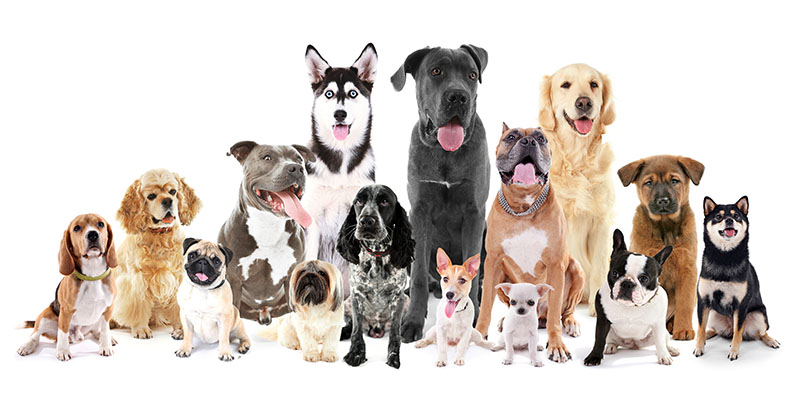
Small breeds are great for limited spaces. They often need less exercise but enjoy playtime. Breeds like Chihuahua and Pomeranian are lively and alert. They are easy to carry and fit well in apartments. Small dogs usually have long lifespans and are good companions.
Medium Breeds
Medium breeds balance size and energy. They adapt well to families and active owners. Breeds like Beagle and Cocker Spaniel are friendly and social. They need regular exercise to stay healthy. Medium dogs fit well in houses with yards or larger apartments.
Large Breeds
Large breeds need space and strength. They often require more exercise and training. Breeds like Labrador Retriever and German Shepherd are loyal and protective. Large dogs are good for active people who enjoy outdoor activities. They usually have shorter lifespans but strong personalities.
Hypoallergenic Breeds
Hypoallergenic breeds reduce allergy risks. They shed less and produce fewer allergens. Breeds like Poodle and Bichon Frise suit allergy sufferers. These dogs need regular grooming to keep their coats healthy. Hypoallergenic dogs can fit any home size but need attention to grooming.
Credit: www.harmonyanimalhospital.net
Researching And Meeting Breeds
Choosing the right dog breed starts with good research and real-life meetings. Reading about breeds helps, but seeing dogs in person gives a clearer picture. This step helps you understand each breed’s size, energy, and personality better. Meeting dogs also lets you feel which breed connects with you the most.
Visiting Shelters And Rescues
Shelters and rescues have many dogs waiting for homes. Visiting these places lets you meet different breeds and mixes. Staff can share details about each dog’s behavior and needs. You may find a dog that fits your lifestyle perfectly. This is a great way to support animals in need.
Meeting Breeders And Owners
Meeting breeders and owners gives insight into specific breeds. Breeders can explain health, care, and training needs. Owners share real experiences about living with their dogs. Talking to them helps you learn breed traits beyond books. This meeting helps you decide if the breed suits your home.
Attending Dog Shows And Events
Dog shows and events showcase many breeds in one place. You can watch dogs perform and see their behavior. Experts and breeders often attend and answer questions. These events let you compare breeds side by side. It’s a fun way to learn about dogs and meet their people.
Preparing For Your New Dog
Getting ready for a new dog is an exciting step. It needs planning and care to make your home safe and happy for your pet. Preparing well helps your dog feel welcome and loved from day one.
Essential Supplies
Start by gathering the basic items your dog needs. A comfortable bed is a good place to rest. Bowls for food and water must be sturdy and easy to clean. Choose toys that suit your dog’s size and energy level. A leash and collar with an ID tag keep your dog safe on walks. Don’t forget grooming tools like brushes and nail clippers to keep your dog clean.
Training And Socialization
Training your dog builds good habits early. Simple commands like sit, stay, and come help with control. Consistent training sessions keep your dog focused and happy. Socialize your dog by introducing it to new people and other animals. This reduces fear and aggression. Positive reinforcement works best. Reward good behavior with treats and praise.
Veterinary Care
Find a trusted vet before your dog arrives. Schedule a first check-up to ensure good health. Vaccinations protect your dog from common diseases. Regular visits help catch health problems early. Discuss flea, tick, and worm prevention with your vet. Keep a record of all treatments and vaccinations for easy reference.
Frequently Asked Questions
What Factors Should I Consider When Choosing A Dog Breed?
Consider lifestyle, living space, activity level, and grooming needs. Match breed traits to your daily routine and family dynamics. Research health issues and temperament for a perfect fit.
How Does Dog Size Affect Breed Choice?
Size impacts space, exercise, and food requirements. Larger dogs need more room and activity. Small breeds suit apartments and less active owners.
Which Dog Breeds Are Best For Families With Kids?
Choose gentle, patient, and friendly breeds like Labradors or Beagles. They are tolerant and good with children. Always supervise interactions between dogs and young kids.
How Important Is A Dog’s Energy Level In Breed Selection?
Energy level affects exercise needs and behavior. High-energy breeds require more playtime and mental stimulation. Low-energy dogs fit calmer households better.
Conclusion
Choosing the right dog breed takes thought and care. Think about your home, time, and activity level. Each breed has unique needs and traits. Match these with your lifestyle for a happy pet. Spend time researching and meeting dogs before deciding.
A good choice leads to years of joy and friendship. Trust your feelings and knowledge to guide you well. The right dog becomes a loving part of your life.


