Choosing the right dog breed for your family is one of the most exciting—and important—decisions you’ll make. Your new furry friend will bring joy, companionship, and even some challenges.
So, how do you find a dog that fits perfectly with your lifestyle, energy level, and family needs? This guide will help you discover the best match, making sure your home stays happy and your dog feels loved. Keep reading, and you’ll learn simple steps to pick a breed that’s just right for you.

Credit: www.akc.org
Assess Family Lifestyle
Choosing the right dog breed starts with knowing your family’s lifestyle well. Dogs need different levels of care and activity. Matching your family’s daily habits with a dog’s needs helps keep everyone happy. This step avoids stress and makes pet care easier.
Think about how much time your family spends active or resting. Look at your home space and the ages of your family members. These details guide you to a dog that fits your life.
Evaluate Daily Activity Levels
Some dogs need lots of exercise every day. Others prefer short walks and indoor play. Count how often your family goes outside or plays sports. A high-energy dog suits active families. Calm dogs fit well with relaxed routines.
Consider work and school hours too. Busy days mean less time for long walks. Choose a dog that can be happy with less exercise. This keeps the dog healthy and your family stress-free.
Consider Home Environment
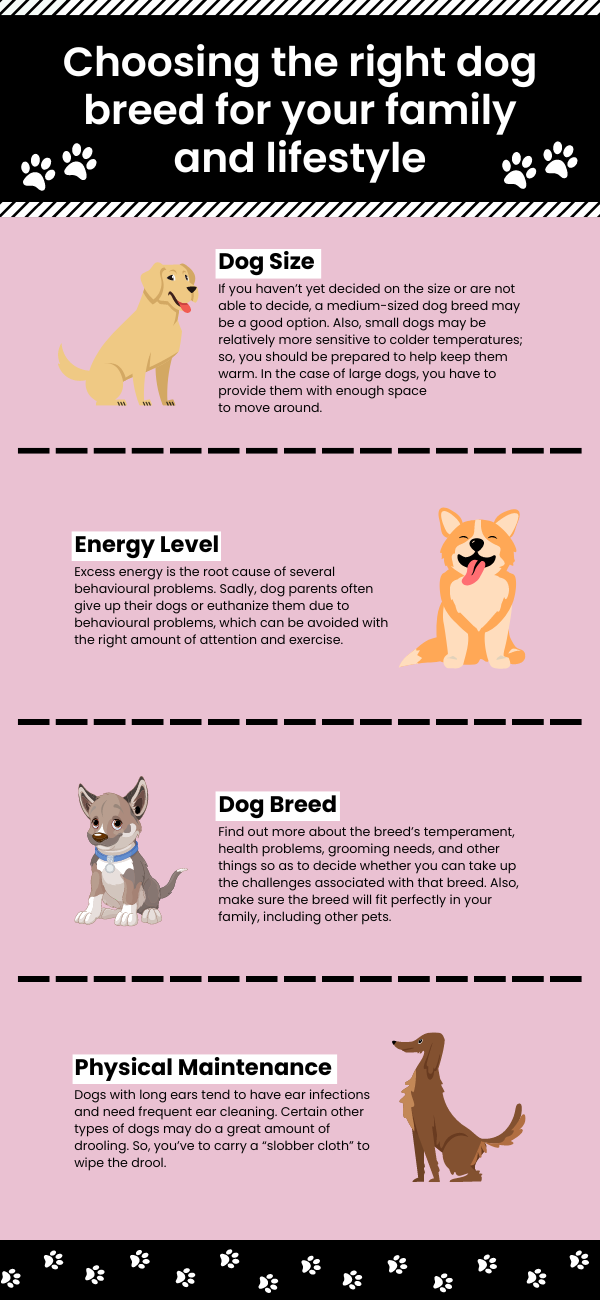
Space matters for a dog’s comfort. Big dogs usually need bigger yards to run. Small dogs can live well in apartments. Check if your home has a safe outdoor area. Noise levels and neighbors also affect dog choices.
Think about your daily noise and activity. Some dogs like quiet homes. Others enjoy lively places. Match the dog’s nature with your home’s vibe for peace and fun.
Account For Family Members’ Ages
Young children and seniors have different needs. Choose a dog breed that matches family ages. Gentle dogs are better for toddlers. Active dogs may suit older kids or adults. Avoid breeds that are too rough or fragile.
Teach children how to treat pets kindly. A dog that fits ages in your home stays safe and happy. This keeps pets and people comfortable together.
Credit: www.reedycreekvet.com.au
Identify Personality Traits
Choosing the right dog breed means understanding their personality traits. These traits shape how dogs behave and interact with people. Knowing these helps you find a dog that fits your family life.
Match Energy Levels
Dogs have different energy needs. Some breeds need lots of exercise and playtime. Others prefer calm and quiet days. Match a dog’s energy to your family’s activity level. Active families suit energetic dogs. Quiet homes fit low-energy breeds better.
Temperament Preferences
Temperament means how a dog usually acts. Some dogs are friendly and outgoing. Others are shy or protective. Think about what temperament fits your home. Families with young kids may want gentle, patient dogs. People living alone might prefer loyal and alert companions.
Social Needs
Some dogs love meeting people and other pets. They enjoy busy homes with lots of visitors. Other dogs need quiet and fewer social contacts. Consider your family’s social life. Choose a dog that feels comfortable with your daily routine.
Consider Size And Space
Choosing the right dog breed means thinking about size and space. Dogs need room to live and play comfortably. The space you have will affect which breed fits best. Understanding how size and living space connect helps you pick a happy, healthy dog for your family.
Consider your home and yard size. Some dogs do well in small apartments, while others need big yards. Knowing these needs makes a big difference in your dog’s life and your own.
Small Vs. Large Breeds
Small dogs fit easily in tiny spaces. They need less room to move and sleep. Large dogs need more space to stretch and walk. Big dogs can feel cramped in small homes. Think about how much space your dog will have every day.
Indoor Vs. Outdoor Living
Some dogs stay mostly indoors. They like to be close to their family. Other dogs prefer outdoor time. Outdoor dogs need shelter and enough room to roam. Know where your dog will spend most time. This helps pick a breed that feels safe and happy.
Space For Exercise
Dogs need exercise to stay healthy. Small spaces limit running and playing. Large breeds especially need room to run. A yard or park nearby helps meet their exercise needs. Think about how often you can give your dog outdoor playtime. This keeps your dog fit and joyful.
)
Credit: www.reedycreekvet.com.au
Research Grooming Needs
Researching grooming needs helps you pick a dog breed that fits your lifestyle. Every breed has unique coat types and care requirements. Understanding these details saves time and keeps your dog healthy. Grooming affects daily life and your bond with your pet. Knowing what each breed demands makes your choice easier.
Coat Types
Dogs have different coat types such as short, long, curly, or double coats. Each type needs specific care. Short coats are easier to maintain but may shed more. Long or curly coats need regular brushing to avoid mats. Double coats shed seasonally and need extra attention during those times. Choose a coat type that matches your grooming ability.
Shedding And Allergies
Shedding varies widely across breeds. Some dogs shed heavily, covering your home with hair. Others shed very little, ideal for allergy sufferers. Consider family members with allergies before choosing a breed. Low-shedding breeds reduce allergen exposure. Regular grooming helps control shedding and keeps your home cleaner.
Maintenance Time
Grooming requires time for brushing, bathing, and trimming. Some breeds need daily brushing to stay healthy. Others may only need weekly care. Think about how much time your family can spend on grooming. High-maintenance breeds need frequent visits to professional groomers. Match grooming needs to your family’s schedule and energy.
Evaluate Health Factors
Choosing the right dog breed means thinking about health. Healthy dogs live longer and happier lives. Knowing about health risks helps you prepare better. This section guides you through key health factors. It covers breed-specific conditions, lifespan, and vet costs. These points protect your family and your pet.
Breed-specific Conditions
Each dog breed has health issues common to it. Some breeds get hip dysplasia, others have heart problems. Research your chosen breed’s common conditions. This helps you spot problems early. It also guides you on care and exercise needs.
Lifespan Expectations
Dog breeds differ in how long they live. Small dogs often live longer than large ones. Knowing lifespan helps you plan for the future. It sets realistic expectations for your family’s commitment. Choose a breed that fits your lifestyle and time.
Veterinary Care Costs
Health problems affect vet bills and care needs. Some breeds need frequent vet visits and special treatments. Consider your budget for regular check-ups and emergencies. This prevents surprises and keeps your dog healthy. Planning costs helps you provide the best care.
Consider Training And Behavior
Choosing the right dog breed means thinking about training and behavior. These traits shape how your dog will act at home. They also affect how much time you spend teaching your dog new things.
Some breeds learn fast and enjoy training sessions. Others need more patience and repetition. Knowing this helps you pick a dog that fits your family’s lifestyle.
Trainability Levels
Dogs vary in how quickly they learn commands. Some breeds, like Border Collies, pick up training easily. They love to work and solve problems. Other breeds may not respond as fast and need gentle, steady guidance. Training sessions should match your dog’s pace. This makes learning fun and reduces frustration.
Behavioral Challenges
Every dog has unique behavior traits. Some breeds can be stubborn or very energetic. These dogs need consistent rules and plenty of exercise. Others may be shy or anxious. These dogs do better in calm, quiet homes. Understanding behavioral challenges helps you prepare for your dog’s needs.
Compatibility With Children
Some dogs are naturally good with kids. They are patient and gentle. Breeds like Golden Retrievers and Labradors often fit well in families. Other dogs may be protective or nervous around children. Teaching kids how to behave with dogs is important. This keeps both children and dogs safe and happy.
Explore Popular Family Breeds
Choosing the right dog breed helps create a happy family life. Some breeds fit small homes, while others need more space. Each breed has its own personality and care needs. Knowing popular family breeds can guide your choice. Here are some favorites for small, medium, and large families.
Top Small Dog Breeds
Small dogs are perfect for apartments and small yards. They often have gentle temperaments and need less exercise. Breeds like the Cavalier King Charles Spaniel and French Bulldog are loving companions. These dogs enjoy playtime and cuddles. They are great for families with young children or seniors.
Top Medium Dog Breeds
Medium dogs balance energy and size well. They usually need moderate exercise and space. The Beagle and Cocker Spaniel are popular medium breeds for families. These dogs are friendly, easy to train, and enjoy outdoor activities. They suit active families who like walks and playtime.
Top Large Dog Breeds
Large dogs often need more room and daily exercise. They can be gentle giants with children and other pets. Labrador Retrievers and Golden Retrievers are well-loved large breeds. They are loyal, patient, and protective. Families with big yards or active lifestyles find these dogs ideal.
Prepare For Adoption
Preparing for adoption is a key step in choosing the right dog breed. It helps ensure a smooth transition for your family and your new pet. Planning ahead makes the experience better for everyone involved. Understanding your needs and options helps you find the perfect match.
Choosing Between Puppy And Adult Dog
Decide if a puppy or an adult dog fits your family lifestyle. Puppies need time, patience, and training. Adult dogs may already have some training and calmer behavior. Think about your daily schedule and energy level. Puppies require more attention, while adults can be more independent.
Finding Reputable Breeders
Choose breeders who care about the dogs’ health and temperament. Look for those who provide health clearances and good living conditions. Avoid breeders who sell dogs in poor environments or without paperwork. A good breeder answers your questions and supports you after adoption.
Considering Rescue Options
Rescue dogs offer a chance to save a life. Many breeds and ages are available in shelters and rescues. Rescue dogs can be loving companions with less cost. Visit shelters to meet dogs and ask about their history and behavior. Adoption from rescue centers often includes vet checks and vaccinations.
Plan For Long-term Commitment
Choosing the right dog breed means planning for a long-term commitment. Dogs live for many years. They need care, love, and attention through their lives. Understanding what this commitment involves helps your family stay prepared. It ensures a happy life for both you and your new dog.
Financial Responsibilities
Owning a dog comes with ongoing costs. Food, vet visits, and grooming add up over time. Some breeds need special diets or extra medical care. Budget for unexpected expenses like emergencies or illness. Planning your finances helps keep your dog healthy and safe.
Time And Attention
Dogs need daily interaction and exercise. Puppies require more time for training and play. Older dogs also need regular walks and companionship. Consider how much time your family can give each day. Dogs thrive with routine and love from their owners.
Lifestyle Adjustments
Adding a dog changes your daily routine. Travel plans might need more thought. Your home may require dog-proofing for safety. Everyone in the family must agree on rules for the dog. Small changes now make life easier later for everyone.
Frequently Asked Questions
What Factors Should I Consider When Choosing A Dog Breed?
Consider your family’s lifestyle, home size, activity level, and allergies. Also, think about the dog’s temperament, size, and grooming needs. Matching these factors ensures a happy, healthy relationship for both your family and the dog.
How Do Family Members’ Ages Affect Dog Breed Choice?
Young children need gentle, patient breeds, while teens may handle energetic dogs. Seniors often prefer calm, low-maintenance breeds. Choose a dog that suits your family’s age dynamics to ensure safety and enjoyment for everyone.
Which Dog Breeds Are Best For Active Families?
Active families benefit from energetic breeds like Labradors, Border Collies, and Australian Shepherds. These dogs thrive on exercise and playtime. They keep up with outdoor activities and encourage a healthy lifestyle for the entire family.
How Can I Assess A Dog’s Temperament Before Adoption?
Research breed traits, visit shelters, and spend time with the dog. Observe behavior around people and other pets. Temperament assessment helps ensure the dog fits well with your family’s environment and lifestyle.
Conclusion
Choosing the right dog breed matters a lot for your family. Think about your home, time, and activity level first. Each breed has different needs and personalities. Picking a dog that fits your lifestyle makes life happier for everyone. Take time to research and meet dogs before deciding.
The right dog will bring joy and companionship for years. Enjoy the journey of finding your perfect furry friend!