

Are you thinking about breeding dogs in your backyard? Before you start, it’s important to know the legal side of things.
Is backyard dog breeding illegal? This question matters a lot—not just for you, but for the dogs involved. You might believe it’s a simple way to earn some money or share your love for a particular breed. But the laws around dog breeding can be tricky, and breaking them can lead to serious trouble.
Keep reading to find out what you need to watch out for, so you can protect yourself and your furry friends.

Credit: www.youtube.com
Legal Status Of Backyard Breeding
The legal status of backyard dog breeding differs widely. Some places allow it with few rules. Others have strict laws to protect animals. Understanding these laws helps breeders stay legal and safe.
Knowing local rules avoids fines and legal trouble. It also ensures dogs get proper care. Many regions require breeders to follow specific regulations. This protects both animals and buyers.
Laws Vary By Location
Each country or state has its own laws on dog breeding. Some areas ban backyard breeding completely. Others allow it but with limits on the number of dogs. Rules may also cover breeding practices and animal health.
Local governments decide what is legal. These laws change often. Checking current rules is important before breeding dogs.
Licensing And Permits
Many places require a license to breed dogs legally. This license proves the breeder meets health and safety standards. Getting a permit often involves inspections of the breeding area. Breeders must renew licenses regularly to keep them valid.
No license means illegal breeding. This can lead to fines or animal confiscation.
Common Legal Restrictions
Common rules limit the number of litters per year. Some laws set minimum ages for breeding dogs. Breeders may need to provide proper shelter and veterinary care. Certain breeds may have extra regulations. Selling puppies without proper documentation is often illegal.
These laws aim to stop puppy mills and poor breeding practices.
Animal Welfare Concerns
Animal welfare is a major concern in backyard dog breeding. Many breeders lack proper knowledge and resources. This can lead to poor care and suffering for the dogs involved.
These concerns affect both the adult dogs and the puppies they produce. The risks often go unnoticed until serious problems arise. Understanding these issues helps highlight why backyard breeding is controversial.
Health Risks For Dogs
Backyard breeding often ignores health checks. Dogs may carry genetic diseases passed to puppies. Poor living conditions increase risks of infections and injuries. Lack of veterinary care worsens these problems. Many dogs suffer from malnutrition and stress. This harms their overall well-being and lifespan.
Impact On Puppies
Puppies from backyard breeders face many challenges. They may have weak immune systems and birth defects. Early socialization and training are often missing. This leads to behavioral problems and fear. Some puppies suffer from parasites and illnesses. These issues lower their quality of life and chances of adoption.
Ethical Considerations
Backyard breeding raises serious ethical questions. Dogs are treated as products, not living beings. Profit often comes before the animals’ needs. Many breeders do not follow humane practices. This causes unnecessary pain and suffering. Ethical breeding respects animal health and happiness. It requires commitment, knowledge, and proper care.
Signs Of Illegal Backyard Breeding
Illegal backyard dog breeding harms animals and buyers. It often hides behind normal-looking homes and yards. Recognizing the signs helps protect dogs and families. These signs show poor care and unsafe practices. Understanding them can stop cruelty and bad health risks.
Poor Living Conditions
Dogs live in dirty, crowded spaces. There is little room to move or play. Puppies may stay on cold floors or trash. Unsanitary areas cause infections and diseases. Lack of clean water and food is common. These places show no respect for dog welfare.
Lack Of Veterinary Care
Dogs get no regular health checks. Vaccinations and treatments are missing. Sick dogs do not receive medicine or rest. Puppies may have untreated illnesses or defects. No vet visits lead to poor dog health. This neglect harms animals and buyers.
High Volume Of Litters
Breeders have many puppies at once. They produce litters all year long. This stresses mother dogs and weakens puppies. Quality care is impossible with too many pups. High volume shows profit is more important than care. It is a major red flag for illegal breeding.
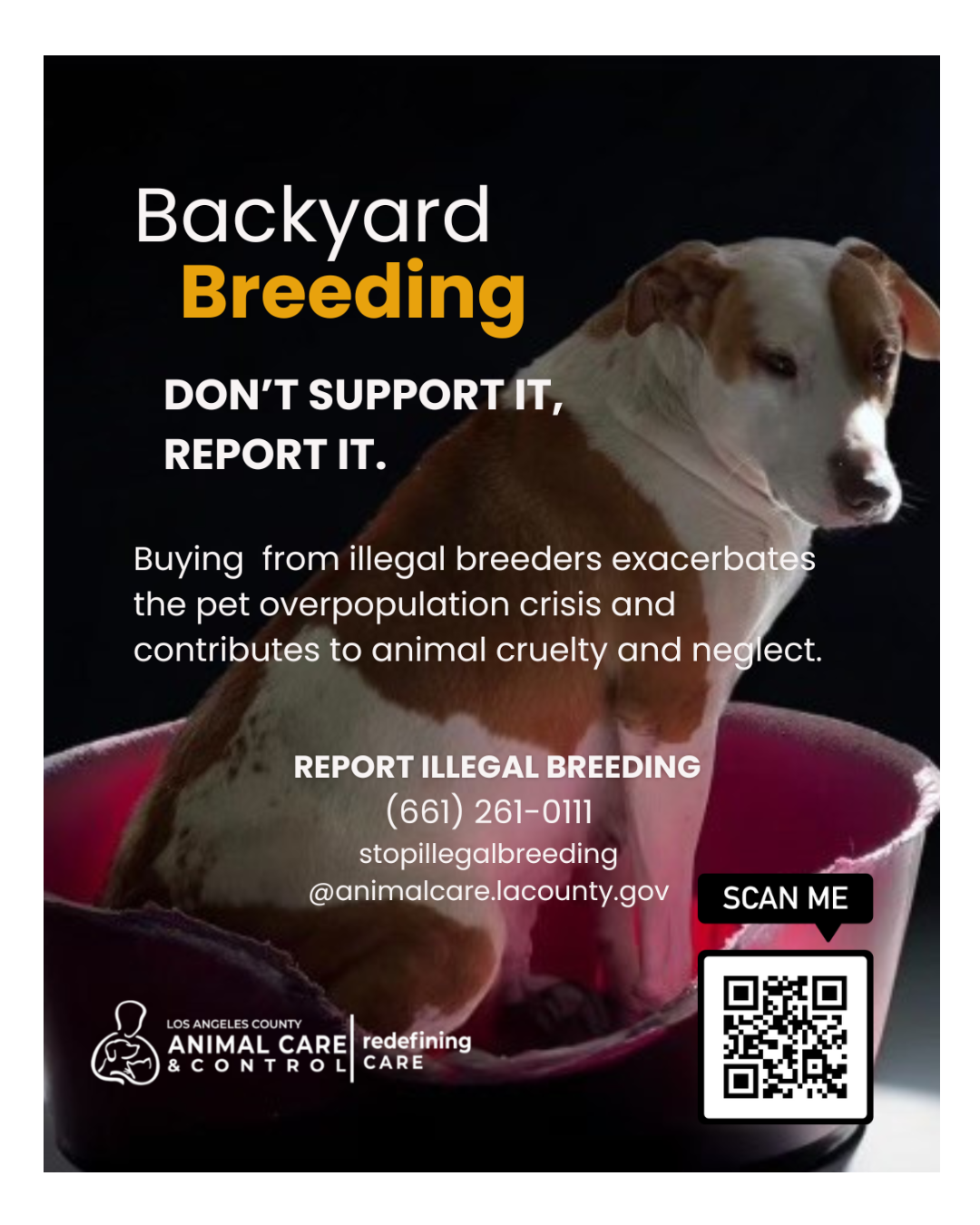
Credit: animalcare.lacounty.gov
Consequences Of Illegal Breeding
Illegal backyard dog breeding carries serious consequences. These laws protect animals from harm and poor care. Breaking these rules can lead to trouble with authorities. Understanding the penalties can help prevent illegal actions.
Authorities take illegal breeding seriously. They want to stop cruelty and protect animal welfare. Penalties can affect both the breeder and the animals involved.
Fines And Penalties
Fines for illegal dog breeding can be very high. Courts may impose thousands of dollars in fines. Repeat offenses often lead to bigger penalties. These fines aim to discourage irresponsible breeding.
Confiscation Of Animals
Authorities can remove dogs from illegal breeders. Confiscated animals often go to shelters or rescue groups. This step ensures the dogs get proper care. Breeders lose all rights to these animals.
Criminal Charges
Illegal breeding can lead to criminal charges. Charges may include animal cruelty or neglect. Convictions can result in jail time or probation. Criminal records harm future opportunities for breeders.
How To Report Suspected Breeders
Reporting suspected backyard dog breeders helps protect animals from harm. It supports ethical treatment and keeps dog breeding safe. Knowing how to report such cases is important for your community.
Who To Contact
Start by contacting your local animal control office. They handle complaints about animal welfare. You can also reach out to the police department. Some areas have special units for animal cruelty. Animal shelters and rescue groups may accept reports too.
Information To Provide
Give clear details about the suspected breeder. Include the location and exact address if possible. Describe the conditions where the dogs live. Note the number and types of animals seen. Mention any signs of neglect or abuse. Photos or videos can help your report.
What Happens After Reporting
The authorities will review your information carefully. They may visit the location to inspect the animals. If they find violations, action will follow. This can include fines or shutting down the breeder. Animals may be removed and cared for. Your report helps protect dogs and supports laws.

Credit: www.gopetition.com
Responsible Breeding Practices
Responsible breeding practices protect dogs and their puppies. They ensure healthy, happy animals with good temperaments. Breeding is more than pairing dogs. It requires knowledge, care, and commitment. Ethical breeders follow strict guidelines to avoid health problems and behavioral issues. These practices help maintain the breed’s quality and promote animal welfare.
Breeder Qualifications
Good breeders learn about genetics and dog health. They study breed standards and care techniques. Many take courses or join breeder clubs. Experience is key. Responsible breeders know how to handle emergencies and provide proper care. They also understand the legal rules in their area. This knowledge helps prevent problems for dogs and buyers.
Health Screening
Health screening checks dogs for inherited diseases. It includes tests for hips, eyes, and heart. Responsible breeders test both parents before breeding. This lowers the risk of passing diseases to puppies. Regular vet visits keep dogs healthy. Only healthy dogs should breed. This protects future puppies from illness and pain.
Proper Care And Socialization
Puppies need good care from birth. Clean living spaces and proper nutrition are essential. Socialization helps puppies grow confident and friendly. Early exposure to people, sounds, and other animals builds good behavior. Responsible breeders spend time with puppies daily. This care shapes well-adjusted dogs ready for new homes.
Alternatives To Backyard Breeding
Choosing a dog without supporting backyard breeding is important. There are better ways to find a healthy and happy pet. These options help animals in need and promote responsible care. Here are some good alternatives to backyard breeding.
Adoption From Shelters
Shelters have many dogs waiting for homes. These dogs come in all sizes and ages. Adoption saves lives and reduces homeless animals. Staff can help match you with a dog that fits your life. Fees often include vaccinations and spaying or neutering.
Reputable Breeders
Good breeders care about the dogs’ health and wellbeing. They follow ethical breeding practices and provide health checks. These breeders offer clear information about the breed’s traits. Visiting their facility helps you see where the puppies grow. This choice supports better breeding standards.
Rescue Organizations
Rescue groups focus on saving specific breeds or types of dogs. They often have detailed knowledge about each dog’s history. These organizations work hard to rehab and rehome dogs. Adopting from them gives a dog a second chance. Volunteers usually provide ongoing support for new owners.
Frequently Asked Questions
Is Backyard Dog Breeding Legal Everywhere?
Backyard dog breeding legality varies by location. Many places require licenses and adherence to animal welfare laws. Some regions ban unlicensed breeding to prevent cruelty and overpopulation. Always check local laws before breeding dogs at home.
What Are The Risks Of Backyard Dog Breeding?
Backyard breeding risks include poor health, genetic defects, and behavioral issues. Lack of proper care and vet checks can harm puppies. It may also contribute to pet overpopulation and neglect. Responsible breeding practices are essential to minimize these risks.
Do I Need A License For Backyard Dog Breeding?
Most areas require a license or permit for dog breeding. Licensing ensures breeders meet health and safety standards. Operating without a license can lead to fines and legal actions. Check your local regulations to understand the requirements.
How Does Backyard Breeding Affect Dog Welfare?
Backyard breeding often neglects proper socialization and medical care. Puppies may suffer from inherited diseases or poor conditions. This practice can lead to long-term health and behavior problems. Responsible breeders prioritize animal welfare and ethical standards.
Conclusion
Backyard dog breeding can be illegal depending on local laws. Many places require licenses and follow strict rules. Illegal breeding can harm dogs and cause legal trouble. Responsible breeders put dogs’ health and safety first. Always check your area’s rules before breeding any dogs.
Protect animals and yourself by following the law. Breeding is a big job that needs care and knowledge. Think carefully before starting. Good choices keep dogs happy and safe.


