

Are you tired of finding dog hair all over your clothes and furniture? If you want a furry friend but hate the mess of shedding, you’re not alone.
Choosing a dog breed that doesn’t shed much can make your life easier and your home cleaner. You’ll discover the best low-shedding dog breeds that fit your lifestyle. Keep reading to find the perfect companion who won’t leave a trail of hair behind!
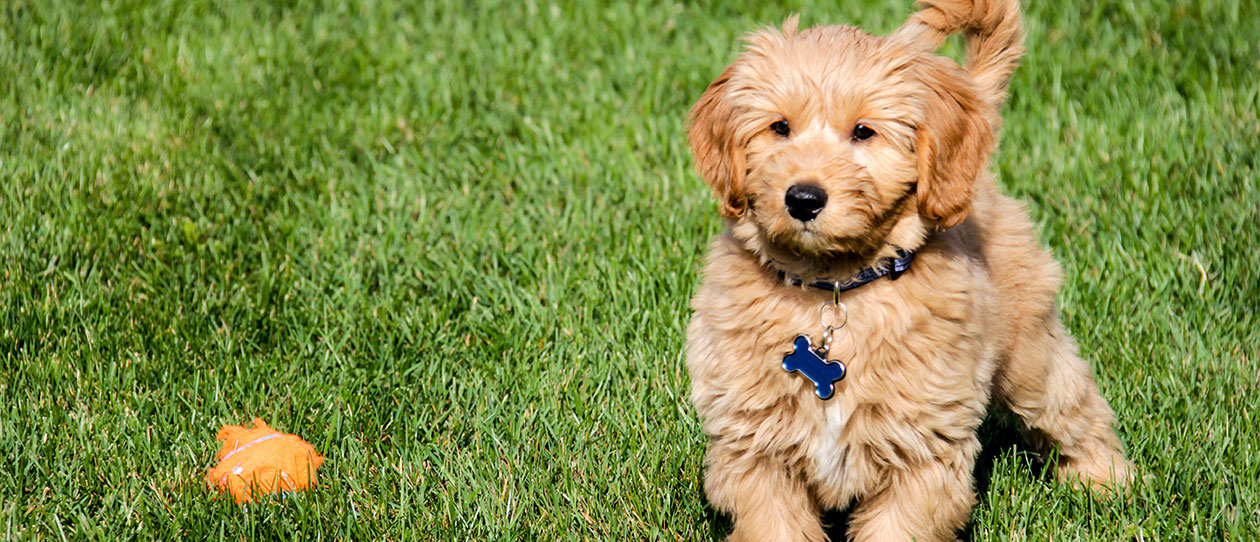
Credit: www.blackmoresnz.co.nz
Why Shedding Matters
Shedding is a natural process for dogs. It means dogs lose old or dead hair. Some breeds shed a lot, while others shed very little. Understanding shedding helps you pick the right dog for your home and lifestyle.
Shedding affects many parts of daily life. It can change how clean your home stays. It can also impact allergies and grooming. Knowing why shedding matters helps you care better for your dog.
Impact On Allergies
Dog hair can carry allergens like dander and dust. Less shedding means fewer allergens spread in the air. This can help people with mild allergies feel better. Choosing low-shedding breeds lowers allergy risks at home.
Home Cleanliness
Shedding hair can cover floors, furniture, and clothes. Cleaning becomes harder with heavy shedding dogs. Low-shedding dogs keep your home cleaner and reduce vacuuming. This saves time and keeps your living space tidy.
Grooming Needs
Dogs that shed need regular brushing to remove loose hair. Low-shedding breeds require less grooming. This means less time and money spent on hair care. Grooming also keeps your dog healthy and comfortable.
Traits Of Low-shedding Dogs
Low-shedding dogs have special traits that reduce hair loss. These traits help keep your home cleaner. They also make grooming easier and less frequent.
Understanding these traits helps in choosing the right dog. It also helps in managing expectations about shedding and care needs.
Coat Types That Shed Less
Dogs with curly or wiry coats shed less than those with straight hair. Their hair tends to trap loose strands. This prevents hair from falling on floors and furniture.
Some low-shedding breeds have hair that grows continuously. This means they need regular trimming but shed very little. Examples include Poodles and Bichon Frises.
Size And Shedding Correlation
Smaller dogs often shed less hair overall than bigger dogs. This is because they have less body surface area. Less hair means fewer strands to lose.
Large dogs can still be low shedders if their coat type is right. Size alone does not fully determine shedding levels.
Breed-specific Characteristics
Some breeds have traits that naturally reduce shedding. For example, Basenjis groom themselves like cats, which cuts shedding. Maltese dogs have hair instead of fur, causing less loose hair.
Other breeds have dense undercoats that shed seasonally but stay low most of the year. Choosing a breed with these traits helps control shedding in your home.
Top Low-shedding Dog Breeds
Many people want dogs that don’t leave fur all over the house. Low-shedding breeds are perfect for this. These dogs shed very little, making cleaning easier. They also often cause fewer allergy problems. Here are some top dog breeds that shed less and fit well in many homes.
Poodle
Poodles have curly coats that trap loose hair. They shed very little compared to other dogs. Poodles come in three sizes: toy, miniature, and standard. Their smart and friendly nature makes them popular pets.
Bichon Frise
Bichon Frises have soft, fluffy coats. Their fur does not shed much but needs regular grooming. These dogs are cheerful and great with families. They often enjoy playing and cuddling.
Portuguese Water Dog
This breed has curly, dense fur that sheds little. Portuguese Water Dogs were once used by fishermen. They are active and love water activities. Their coats need regular brushing to stay healthy.
Shih Tzu
Shih Tzus have long, silky hair that falls out very slowly. They need daily grooming to avoid mats. These dogs are friendly and enjoy being close to their owners. Shih Tzus are good for apartment living.
Maltese
Maltese dogs have fine, white coats that shed very little. Their hair grows continuously and requires regular care. Maltese are gentle and make excellent lap dogs. They adapt well to different living spaces.
Basenji
Basenjis have short, fine coats that shed minimally. They are known as barkless dogs but are very active. Basenjis are clean and often groom themselves like cats. Their low shedding makes them good for sensitive homes.
Schnauzer
Schnauzers come in three sizes and have wiry coats. Their hair sheds very little but needs trimming. These dogs are alert and make good watchdogs. Schnauzers enjoy exercise and mental challenges.
Choosing The Right Low-shedding Dog
Choosing the right low-shedding dog means more than just picking a breed. It involves matching the dog’s needs with your lifestyle. This choice ensures a happy home for both you and your pet. Understanding different factors helps you find a dog that fits well.
Lifestyle Compatibility
Think about your daily routine. Some dogs need a lot of attention, while others are more independent. A low-shedding dog can still need time and care. Choose a dog whose energy and needs match your lifestyle. This makes life easier and keeps your dog happy.
Exercise Requirements
Every dog needs exercise, but the amount varies by breed. Some low-shedding dogs need long walks and playtime. Others prefer short strolls or indoor play. Know how much activity your dog will need. This helps avoid boredom and behavior problems.
Temperament And Personality
Temperament matters for a good relationship. Some dogs are calm and quiet, others are lively and vocal. Low-shedding dogs have different personalities too. Pick one that fits your family and home environment. This creates a strong bond and happy life together.
Managing Low-shedding Dogs
Managing dogs that shed little requires care and attention. These breeds still need grooming to stay healthy and clean. Regular care helps control any loose hair and keeps your dog comfortable. Proper management also keeps your home cleaner and your dog happier.
Low-shedding dogs may need special grooming routines. Their coat type often requires different tools and techniques. Understanding these needs is important for good pet care.
Grooming Tips
Brush your dog’s coat regularly to remove dirt and dead hair. Use a comb designed for their specific hair type. Bathing once a month keeps skin clean but avoid over-bathing. Trim nails to prevent discomfort and injuries. Clean ears and check for any signs of infection.
Diet And Health
Feed your dog a balanced diet rich in omega fatty acids. These nutrients help maintain a healthy coat and skin. Avoid foods with fillers or artificial ingredients. Proper nutrition supports overall health and reduces shedding. Fresh water is important for skin hydration and coat shine.
Regular Vet Checkups
Schedule regular vet visits to monitor your dog’s health. Vets can spot skin problems or allergies early. Vaccinations and parasite control keep your dog well. Discuss any changes in shedding or coat condition with your vet. Preventive care helps maintain a low-shedding coat.
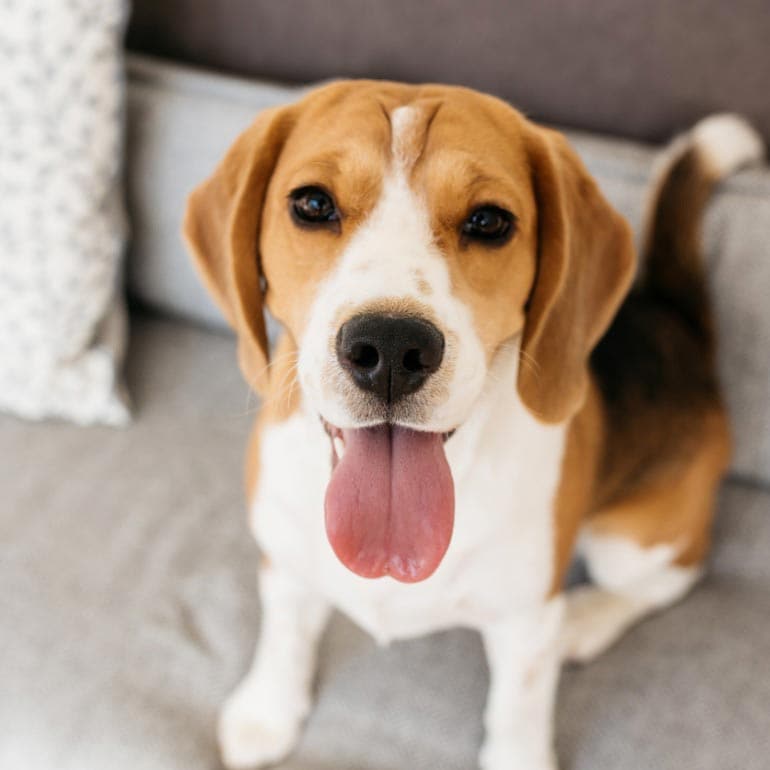
Credit: www.chewy.com
:max_bytes(150000):strip_icc()/bedlington-terrier-lying-rug-1186353094-2000-0253d70f30a74f08a0b82354b0226d05.jpg)
Credit: www.dailypaws.com
Frequently Asked Questions
Which Dog Breeds Shed The Least Hair?
Breeds like Poodles, Bichon Frises, and Shih Tzus shed very little. Their unique coats trap hair, reducing shedding. These dogs are ideal for allergy sufferers and those wanting cleaner homes. Regular grooming helps maintain their low-shedding coats effectively.
Are Hypoallergenic Dogs Really Non-shedding?
Hypoallergenic dogs shed less but are not completely non-shedding. They produce fewer allergens and shed minimally, reducing allergic reactions. Breeds like Maltese and Portuguese Water Dogs fit this category. Proper grooming further minimizes dander and loose hair.
How To Care For Low-shedding Dog Breeds?
Regular brushing removes loose hair and prevents matting. Bathing every few weeks keeps coats clean and healthy. Use breed-specific shampoos and conditioners. Routine grooming enhances coat quality and reduces shedding. Healthy diets also support skin and fur health.
Do Small Dog Breeds Shed Less Than Large Ones?
Size doesn’t always determine shedding levels. Coat type influences shedding more than size. Some small breeds shed heavily, while many large breeds shed minimally. Focus on breed-specific grooming needs rather than size alone to manage shedding effectively.
Conclusion
Choosing a dog that sheds little can help keep your home clean. Breeds like poodles, bichon frises, and schnauzers are great options. These dogs need regular grooming but shed very little hair. They suit people with allergies or those who dislike constant cleaning.
Remember, every dog needs love and care, no matter the breed. Think about your lifestyle and pick a dog that fits it well. Enjoy the company of a furry friend without worrying about fur everywhere. Simple and smart choices make pet ownership easier.


