

Are you wondering when your playful puppy can switch from puppy food to adult dog food? It’s a question every dog owner faces, and getting it right is important for your furry friend’s health and growth.
Feeding your puppy the wrong food at the wrong time can affect their energy, digestion, and overall well-being. You’ll discover the perfect time to make the switch, how to do it smoothly, and what signs to watch for. Keep reading to make sure your puppy grows up strong and happy!
:strip_icc()/Puppy-food-feeding-schedule-2804779-a35fb27f23bd427cbea6ed24236fee22.jpg)
Credit: www.thesprucepets.com
Puppy Nutrition Basics
Puppies grow fast. Their food needs are different from adult dogs. Good nutrition helps puppies build strong bones and muscles. It supports brain development and keeps their immune system healthy.
Choosing the right food means giving puppies what they need at each stage. Puppy food contains special nutrients for their growth. Understanding these basics helps you feed your puppy well.
Essential Nutrients For Growth
Puppies need more protein than adult dogs. Protein builds muscles and repairs tissues. Fat is also important. It gives puppies energy and helps absorb vitamins.
Calcium and phosphorus strengthen bones and teeth. Vitamins like A, D, and E support vision, bone health, and immunity. Puppies also need DHA, a fat that helps brain and eye development.
Differences Between Puppy And Adult Food
Puppy food has higher calories than adult dog food. It contains more protein and fat to support growth. Adult food has fewer calories to keep weight steady.
Puppy food has nutrients that help build strong bones. Adult food focuses on maintaining health and preventing weight gain. Feeding the right food at the right time is key for healthy puppies.
Ideal Age To Transition
Knowing the right time to switch your puppy to adult dog food is important. The ideal age to transition affects your puppy’s growth and health. Feeding the right food at the right time supports strong bones and a healthy weight. This section explains when to start the change and what to watch for.
General Age Guidelines
Puppies usually start eating adult dog food between 9 and 12 months old. Small breeds tend to switch closer to 9 months. Large breeds may need puppy food longer, up to 12 months or more. Puppy food has more nutrients for growth, so switching too early can cause problems. Most dogs do well with adult food after their rapid growth slows.
Factors Influencing Transition Time
Several things affect the best time to change your puppy’s food. Breed size matters. Large breeds grow slower and need more time on puppy food. Your puppy’s weight and overall health also play a role. Some dogs may need special diets or extra care. Watch your puppy’s energy and body condition. Talk to your vet for advice tailored to your puppy’s needs.
Signs Puppy Is Ready
Puppies grow quickly and their food needs change with age. Knowing the signs that a puppy is ready to eat adult dog food helps keep them healthy. Watch for clear signals in behavior and body growth. These signs guide the right time to switch their diet.
Behavioral Indicators
One sign is a change in appetite. Puppies start eating less often but want more solid food. They may show less interest in soft puppy food. Chewing on toys or food shows their teeth are ready. Puppies also begin to eat like adult dogs. They do not need milk or soft food only.
Physical Development Milestones
Teeth play a big role. When all baby teeth fall out and adult teeth grow in, it is a key sign. This usually happens around 4 to 6 months old. The puppy’s digestive system also matures by this age. Their stomach can handle adult food better. Weight and size growth also point to readiness. A healthy weight and strong muscles mean they can digest new food well.
Credit: www.bowlerspets.com
How To Switch Foods Safely
Switching your puppy from puppy food to adult dog food needs care. A sudden change can upset your dog’s stomach. A careful switch helps your pet adjust smoothly. This keeps your dog happy and healthy during the change.
Gradual Transition Steps
Start by mixing 75% puppy food with 25% adult food. Feed this mix for three days. Next, change to 50% puppy and 50% adult food for three days. Then, use 25% puppy food and 75% adult food. After a week, offer only adult dog food. This slow change helps your puppy get used to the new taste and texture.
Avoiding Digestive Issues
Watch your puppy’s stool during the switch. Soft or loose stools may mean the change is too fast. Slow down the transition if needed. Give fresh water at all times to help digestion. Keep meals regular and avoid adding treats. This reduces chances of stomach upset and keeps your puppy comfortable.
Risks Of Early Transition
Switching puppies to adult dog food too soon can cause serious problems. Puppies need special nutrients for growth. Adult food lacks some of these key ingredients. Feeding adult food early can harm their health and development.
Nutritional Deficiencies
Puppies need extra protein, fat, and vitamins. Adult dog food is made for maintenance, not growth. Early transition can cause a lack of important nutrients. This can slow growth and weaken the immune system. Puppies may become tired or sick more often.
Health Complications
Adult food can be hard to digest for puppies. This may cause stomach upset or diarrhea. Early change can also affect bone and joint health. Puppies might develop weak bones or joint problems. Proper nutrition supports strong muscles and healthy organs.
When To Consult A Vet
Deciding the right time for puppies to eat adult dog food is not always simple. Puppies grow fast, and their needs change as they age. Consulting a veterinarian helps ensure your puppy stays healthy during this transition. A vet can guide you based on your puppy’s unique growth and health status.
Monitoring Growth And Health
Regular check-ups with a vet track your puppy’s growth. The vet measures weight and checks overall health. These checks show if your puppy is ready for adult food. Any signs of poor growth or health issues need attention before switching diets. Monitoring helps avoid nutritional problems and supports strong development.
Tailoring Diet To Breed And Size
Different breeds and sizes have different dietary needs. Large breeds grow slower and need a special diet longer. Small breeds may switch to adult food sooner. A vet understands these differences well. They recommend the best food type and timing for your puppy’s breed and size. This approach keeps your dog healthy and active.
Tips For Feeding Adult Dogs
Feeding adult dogs requires attention and care. Their needs differ from puppies. Proper nutrition keeps them healthy and active. Choosing the right food and maintaining balance is key. Understanding these tips helps you make the best choices for your dog.
Choosing The Right Food
Pick food made specifically for adult dogs. It contains the right nutrients for their age. Avoid puppy or senior formulas unless your vet suggests. Consider your dog’s size and activity level. Small breeds need different food than large breeds. Look for high-quality ingredients and avoid fillers. Check the label for proteins, fats, and vitamins. Fresh water should always be available with meals.
Maintaining A Balanced Diet
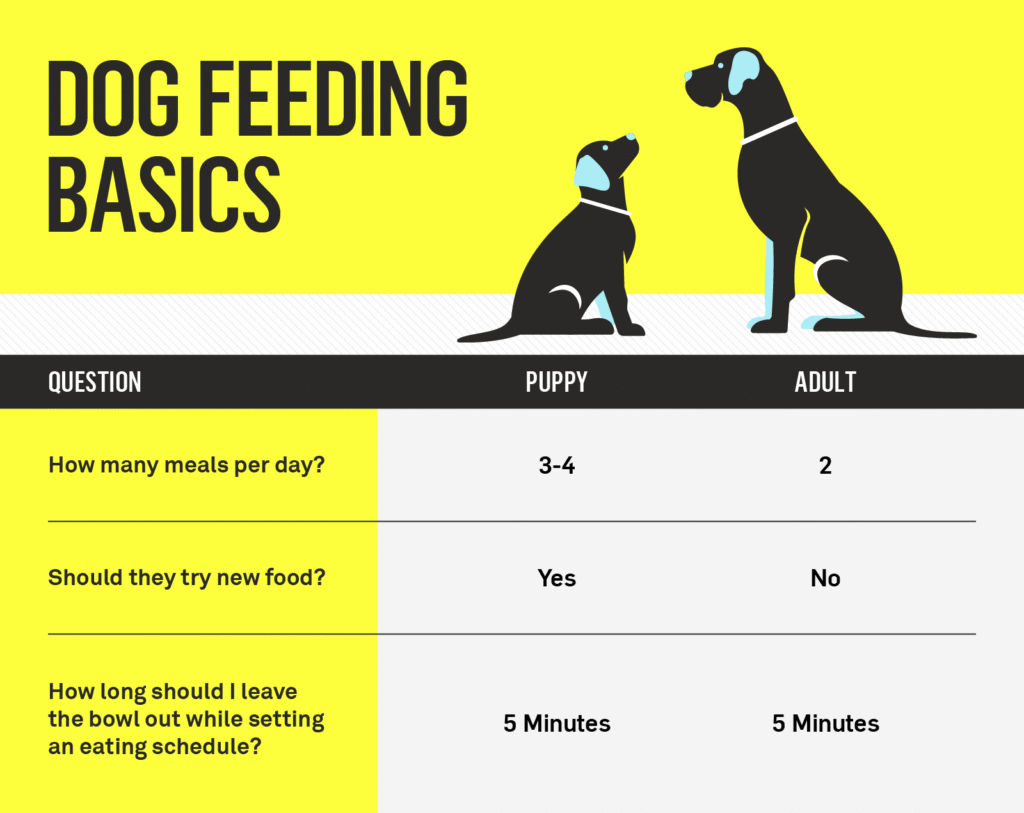
Balance is important to keep your dog healthy. Include proteins for muscle strength and fats for energy. Carbohydrates provide fuel and fiber aids digestion. Do not overfeed; obesity causes health problems. Feed at regular times to build routine. Treats should be limited and healthy. Supplements may help but ask your vet first. Watch your dog’s weight and adjust food amounts as needed.
Credit: www.gallant.com
Frequently Asked Questions
When Should Puppies Switch To Adult Dog Food?
Puppies can start eating adult dog food around 12 months old. Large breeds may wait until 18-24 months. Consult your vet for the best timing.
Why Not Feed Puppies Adult Dog Food Early?
Adult dog food lacks essential nutrients like DHA and higher protein. Puppies need these for growth and brain development. Early switch may cause nutritional deficiencies.
How To Transition Puppies To Adult Dog Food?
Gradually mix adult food with puppy food over 7-10 days. Increase adult food proportion slowly to avoid digestive upset. Monitor your puppy’s health during the transition.
Can Feeding Adult Food Affect Puppy Growth?
Yes, adult food can stunt growth due to lower calories and nutrients. Puppies require specialized food to support bone and muscle development properly.
Conclusion
Puppies need special food for their growth and health. They can start eating adult dog food around one year old. Before that, puppy food gives them the right nutrients. Changing food too soon can cause stomach problems. Watch your puppy’s size, energy, and health to decide the right time.
Always talk to your vet for advice. Feeding the right food helps your dog live a happy, strong life. Keep your puppy’s needs in mind, and the switch will go smoothly.


