

Are you noticing changes in your dog’s mood or habits and wondering if she might be pregnant? Understanding the behavior of a pregnant dog is key to giving her the care she needs during this special time.
Your dog’s body and mind go through many shifts, and these changes can be surprising if you’re not prepared. You’ll discover the signs to watch for and how to support your furry friend every step of the way. Keep reading to learn what’s happening beneath the surface and how you can make this experience safe and comfortable for her.
Credit: pethelpful.com
Signs Of Pregnancy In Dogs
Recognizing the signs of pregnancy in dogs helps owners provide better care. Early detection supports a healthy pregnancy and prepares for the puppies’ arrival. Dogs show clear signs that indicate they are expecting.
Physical Changes
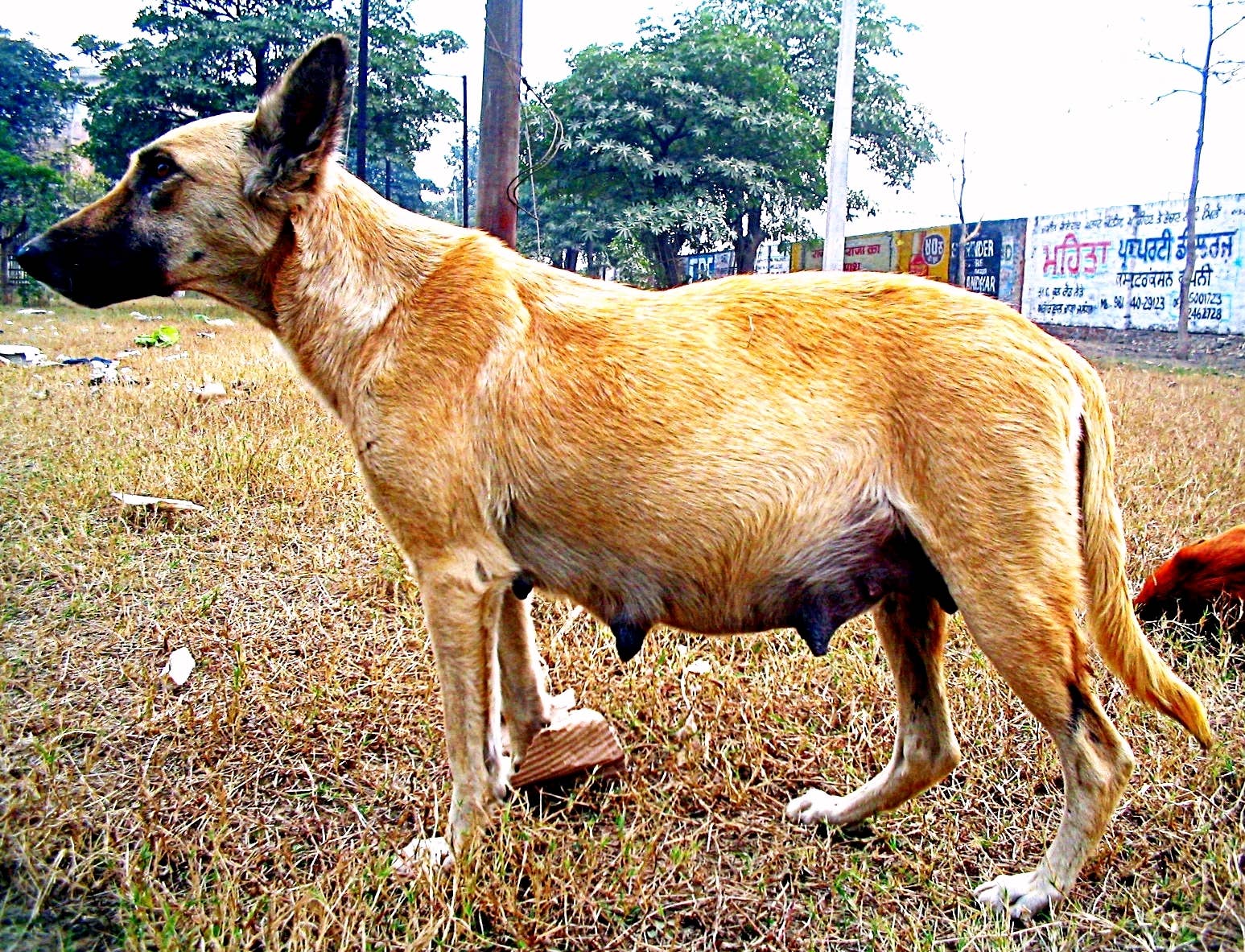
Pregnant dogs often develop a swollen belly as the puppies grow. Their nipples become larger and pinker, showing more blood flow. Weight gain is common, but it happens gradually. Some dogs may have mild morning sickness during the first weeks.
Behavioral Shifts
Expectant dogs may become more affectionate and seek extra attention. Some dogs grow quieter or more withdrawn than usual. Nesting behavior can appear as they try to find a safe space. Restlessness may occur near the end of pregnancy.
Appetite Variations
Appetite changes are typical in pregnant dogs. Some dogs eat less at the start due to nausea. Later, they tend to eat more to nourish their puppies. Feeding smaller, frequent meals can help maintain energy.
Emotional Changes During Pregnancy
Pregnancy brings many emotional changes in dogs. These changes affect their behavior and mood. Understanding these shifts helps owners provide better care. A pregnant dog may act differently than usual. Recognizing these signs can reduce stress for both dog and owner.
Increased Affection
Pregnant dogs often want more attention. They may follow you around more than before. Some dogs become very cuddly and seek comfort. This need for closeness helps them feel safe. Owners should offer gentle petting and quiet time.
Restlessness And Nesting
Restlessness is common during pregnancy. Dogs may pace or move around a lot. Nesting behavior also appears near the due date. They start to gather blankets or soft items. This instinct prepares a safe place for puppies.
Mood Swings
Mood swings affect many pregnant dogs. They may be happy one moment and irritable the next. Small things can upset them easily. Patience and calmness from owners help soothe their nerves. Avoid loud noises or sudden changes in routine.
Nutrition Needs For Pregnant Dogs
Pregnant dogs need extra care, especially in their diet. Proper nutrition supports their health and the puppies’ growth. Their food must change to meet new needs. This helps avoid problems during pregnancy and birth.
Balanced Diet Adjustments
Pregnant dogs require more calories than usual. Their diet should include high-quality proteins and fats. Proteins help build strong muscles for both mother and puppies. Fats provide energy and support brain development. Carbohydrates supply fuel but should be moderate. Feeding smaller, frequent meals can help digestion. Avoid foods with fillers or artificial ingredients.
Supplements And Vitamins
Some dogs may need extra vitamins during pregnancy. Calcium is important for strong bones and teeth. Too much calcium can cause problems, so use it carefully. Omega-3 fatty acids support brain and eye development. Consult a vet before giving any supplements. Vitamins like A and E help overall health but must be balanced.
Hydration Importance
Water is vital for pregnant dogs. It helps with digestion and nutrient absorption. Dehydration can lead to serious health issues. Always provide fresh, clean water near her resting place. Increase water availability as pregnancy progresses. Proper hydration supports milk production after birth.

Credit: alphazoo.de
Exercise And Activity Levels
Exercise and activity levels change during a dog’s pregnancy. A pregnant dog still needs movement to stay healthy. Exercise helps with blood flow and muscle tone. But the type and amount of activity need careful control.
Too much exercise can cause stress or injury. Too little can lead to stiffness and weight gain. Watch your dog’s energy and mood to find the right balance. Adjust activity as her pregnancy progresses.
Safe Exercise Practices
Choose gentle walks on flat, soft surfaces. Keep walks shorter than usual. Avoid rough play or jumping. Swimming is a good option if your dog enjoys water. It supports the body and reduces joint pressure.
Always supervise exercise sessions closely. Stop immediately if your dog shows signs of tiredness or discomfort. Provide fresh water before and after exercise. Keep her cool, especially in warm weather.
Avoiding Overexertion
Pregnant dogs tire more quickly than usual. Watch for heavy panting, lagging behind, or limping. Stop exercise if these signs appear. Avoid running, chasing, or intense games. These activities can harm the developing puppies.
Rest is as important as exercise. Make sure your dog has a quiet place to relax. Monitor her closely for any changes in behavior or appetite. Consult a vet if you notice unusual fatigue or pain.
Preparing For Whelping
Preparing for whelping is an important time for both you and your pregnant dog. This stage requires careful attention to make sure the mother feels safe and calm. Proper preparation helps the birthing process go smoothly. It also supports the health of the puppies.
Creating A Comfortable Nest
Start by setting up a quiet, warm space for your dog. Use soft blankets or towels to make the area cozy. The nest should be away from noise and other pets. Keep the spot clean and easy to access. Let your dog explore the space before labor begins. This helps her feel secure and ready.
Recognizing Labor Signs
Watch your dog for signs of labor. She may become restless and pace around. Panting and shivering are common before delivery. A drop in body temperature is a clear signal labor is near. Your dog might also stop eating and dig at the nest. These signs mean the puppies will arrive soon.
When To Contact A Vet
Call your vet if labor lasts too long without puppies. If your dog strains for more than 30 minutes, help is needed. Contact the vet if there is heavy bleeding or unusual discharge. Weakness or collapse during labor is an emergency. Always keep your vet’s number ready during this time.
Common Health Concerns
Pregnancy in dogs brings many changes. Some health issues may arise during this time. Understanding these common health concerns helps keep your dog safe and healthy. Watch your dog’s behavior and condition closely. Early detection of problems can make a big difference.
Monitoring For Complications
Keep an eye on your pregnant dog daily. Watch for signs like vomiting, lethargy, or unusual discharge. Any sudden changes in eating or drinking habits need attention. Swelling or pain in the belly can signal a problem. Prompt action can prevent serious complications.
Parasite Prevention
Parasites can harm both mother and puppies. Fleas, ticks, and worms are common threats. Use vet-approved treatments that are safe during pregnancy. Regular parasite checks reduce risks. Clean living areas to avoid parasite buildup.
Regular Vet Checkups
Schedule vet visits throughout the pregnancy. The vet can track your dog’s health and puppy development. Tests may detect infections or other issues early. Follow the vet’s advice on diet and care. Regular checkups support a healthy pregnancy journey.

Credit: www.dogmeetsbaby.expert
Frequently Asked Questions
What Are Common Signs Of A Pregnant Dog?
Pregnant dogs often show increased appetite, fatigue, and nesting behavior. Their nipples may enlarge and become pink. Weight gain and a swollen belly typically appear in later stages.
How Does A Pregnant Dog’s Behavior Change?
Pregnant dogs may become more affectionate or withdrawn. They might seek quiet spaces and rest more. Some dogs show mood swings or increased protectiveness.
When Should I Start Prenatal Care For My Dog?
Begin prenatal care as soon as pregnancy is confirmed. Regular vet checkups, proper nutrition, and gentle exercise are essential. Early care ensures the health of both mother and puppies.
How Can I Help A Dog Prepare For Delivery?
Provide a quiet, comfortable nesting area before labor begins. Monitor her closely for signs of labor. Keep emergency vet contacts handy and avoid stress around her.
Conclusion
A pregnant dog shows many changes in her behavior. She may become more tired or seek extra attention. Understanding these signs helps you care for her better. Watch her daily habits closely to spot any problems early. Providing a calm, safe space supports her well-being.
Being patient and gentle makes a big difference too. Caring for a pregnant dog needs love and care. This knowledge helps you prepare for the puppies’ arrival. Taking simple steps ensures a healthy, happy mother and pups.


