
Are you wondering if it’s safe to feed your adult dog puppy food? You’re not alone.
Many dog owners ask this question because they want the best for their furry friends. Puppy food is packed with nutrients, but is it really the right choice for a grown dog? What could happen if you switch or mix their diet?
Keep reading to discover the truth about giving an adult dog puppy food and how it might affect your pet’s health and happiness. This guide will help you make the best decision for your loyal companion.

Credit: www.bluebuffalo.com
Differences Between Puppy And Adult Dog Food
Puppy food and adult dog food serve very different purposes. Dogs need different nutrients at various life stages. Feeding the right food supports their health and energy. Using the wrong food can cause problems. Understanding the differences helps you choose wisely.
Nutritional Needs Of Puppies
Puppies grow fast and need extra energy. Puppy food has more calories to support this growth. It contains higher protein to build strong muscles. Puppies also need more fat for energy and brain development. Vitamins and minerals in puppy food help bones and teeth grow. The texture is softer to make chewing easier for puppies.
Nutritional Needs Of Adult Dogs
Adult dogs need fewer calories than puppies. Their food focuses on maintaining health and weight. Protein levels are balanced to keep muscles without extra growth. Fat content is lower to avoid weight gain. Adult dog food has nutrients to support joints and digestion. It helps keep dogs active and healthy for years.
Potential Risks Of Feeding Puppy Food To Adult Dogs
Feeding puppy food to adult dogs might seem harmless, but it carries risks. Puppy food has extra calories and nutrients meant for growing dogs. Adult dogs do not need this high level of energy and nutrients daily. This can lead to health problems over time.
Weight Gain And Obesity
Puppy food contains more calories to support growth. Adult dogs eating this food may gain weight fast. Extra calories turn into fat if not used. Obesity can cause joint pain, diabetes, and heart problems. Keeping a dog at a healthy weight is important for long life.
Digestive Issues
Puppy food is rich and richer than adult dog food. This can upset an adult dog’s stomach. Digestive problems like diarrhea or vomiting may occur. The dog’s digestive system is not used to so much rich food. A balanced diet suits their digestive needs best.
Nutrient Imbalance
Puppy food has more protein, fat, and minerals than adult food. Adult dogs may get too much of some nutrients. Too much calcium or protein can harm kidneys and bones. A diet made for adults keeps nutrients in the right balance. This helps the dog stay healthy and active.
Situations When Puppy Food Might Be Suitable For Adults
Puppy food is specially made to support growth and high energy needs. It has more calories, protein, and nutrients than adult dog food. Normally, adult dogs do not need this much nutrition. Yet, some adults might benefit from puppy food for a short time. These situations need extra care and nutrition to keep dogs healthy.
Underweight Or Malnourished Dogs
Dogs that are underweight or malnourished need more calories and protein. Puppy food helps by providing extra nutrients to regain strength. It is easier for these dogs to gain weight with puppy food. Feeding puppy food can support recovery and improve their health.
Pregnant Or Nursing Dogs
Pregnant or nursing dogs need more energy and nutrients to care for puppies. Puppy food meets these high demands with extra protein and fat. It helps the mother stay strong and produce enough milk. Feeding puppy food during this time supports both mother and puppies well.
Highly Active Adult Dogs
Some adult dogs have very active lifestyles or work hard daily. These dogs burn more energy and need extra nutrition. Puppy food offers more calories and protein for energy and muscle repair. Active dogs may benefit from puppy food to maintain their strength and stamina.

Credit: www.iams.com
Expert Recommendations For Adult Dog Diets
Choosing the best diet for an adult dog is important for its health and energy. Experts suggest feeding dogs food made for their current life stage. Adult dogs need balanced nutrients to stay strong and active. Puppy food has more calories and nutrients made for growing pups. Feeding an adult dog puppy food is not usually recommended by experts.
Nutrition matters. Adult dogs require less fat and protein than puppies. Too much rich food can cause weight gain and stomach problems. Adult dog food is designed to meet these needs exactly. Choosing the right food supports a dog’s overall health and longevity.
Choosing The Right Food
Select food labeled for adult dogs. Check the ingredient list for quality proteins and balanced nutrients. Avoid foods with fillers like corn or excessive by-products. Grain-free diets may help some dogs but ask a vet first. Consider your dog’s size, breed, and activity level. Small breeds and active dogs need different nutrition than large or less active ones.
Consulting A Veterinarian
Speak with a veterinarian before changing your dog’s diet. They can suggest the best food based on health needs. Some dogs have allergies or medical conditions affecting their diet. A vet can recommend special formulas if needed. Regular check-ups help monitor weight and health changes. Professional advice ensures your dog eats the right food every day.
Transitioning Between Puppy And Adult Dog Food
Transitioning between puppy and adult dog food is an important step in your dog’s growth. Puppy food contains more nutrients to support rapid development. Adult dog food meets maintenance needs for energy and health. Making this switch at the right time helps your dog stay healthy and happy.
When To Switch
Most dogs switch to adult food between 9 and 12 months old. Large breeds may need more time, up to 18 months. Small breeds usually change sooner. Watch your dog’s growth and energy levels. Your vet can advise the best time for the switch.
How To Make The Change Smooth
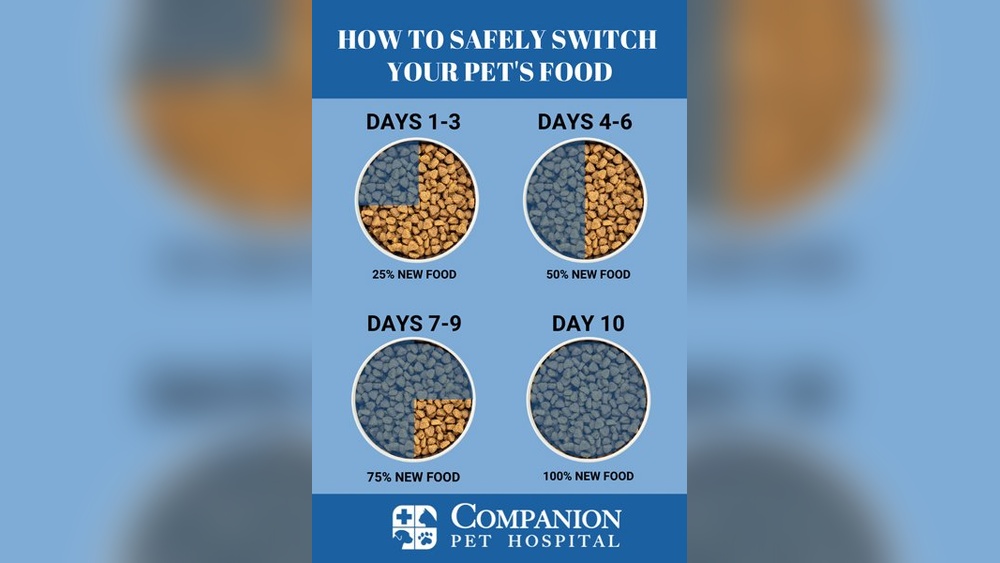
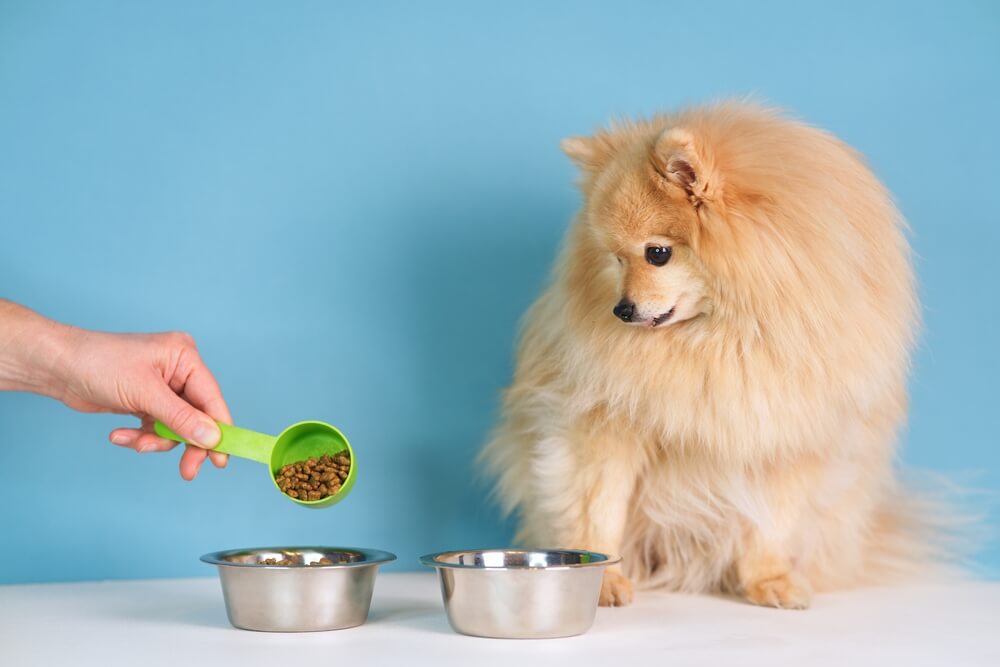
Change your dog’s food gradually over 7 to 10 days. Start by mixing 25% adult food with 75% puppy food. Each day, increase the adult food and reduce puppy food. This helps your dog’s stomach adjust. Watch for any signs of upset or allergies. Keep fresh water available at all times.
Credit: www.raisedrightpets.com
Frequently Asked Questions
Can Adult Dogs Eat Puppy Food Safely?
Yes, adult dogs can eat puppy food occasionally, but it’s not ideal. Puppy food has higher calories and nutrients that may cause weight gain in adults.
What Are The Risks Of Feeding Adults Puppy Food?
Feeding adult dogs puppy food long-term can lead to obesity, digestive issues, and nutrient imbalance. Adult dogs need a balanced diet suited for their age and activity level.
How To Transition From Puppy To Adult Dog Food?
Gradually mix adult dog food with puppy food over 7-10 days. This helps your dog’s digestive system adjust smoothly without causing stomach upset.
Is Puppy Food More Nutritious Than Adult Dog Food?
Puppy food contains more protein, fat, and calories to support growth. Adult dog food is formulated to maintain health without excess calories or nutrients.
Conclusion
Adult dogs need food made just for them. Puppy food has extra nutrients adults do not always need. Feeding puppy food to adults once in a while is usually safe. But feeding it all the time can cause health problems.
Always check your dog’s weight and energy. Talk to your vet before changing their diet. Keep your dog healthy with the right food choice. This helps them live a happy, long life. Choose wisely for your furry friend’s well-being.


