

Have you ever wondered just how many different breeds of dogs exist? Whether you’re thinking about adding a furry friend to your family or you’re simply curious about the amazing variety of dogs out there, knowing the number of breeds can surprise and excite you.
From tiny pups to giant companions, each breed has its own unique traits that might match your lifestyle perfectly. Keep reading, and you’ll discover not only how many breeds there are but also what makes each one special—helping you find your ideal canine match.

Credit: www.newsweek.com
Global Dog Breed Count
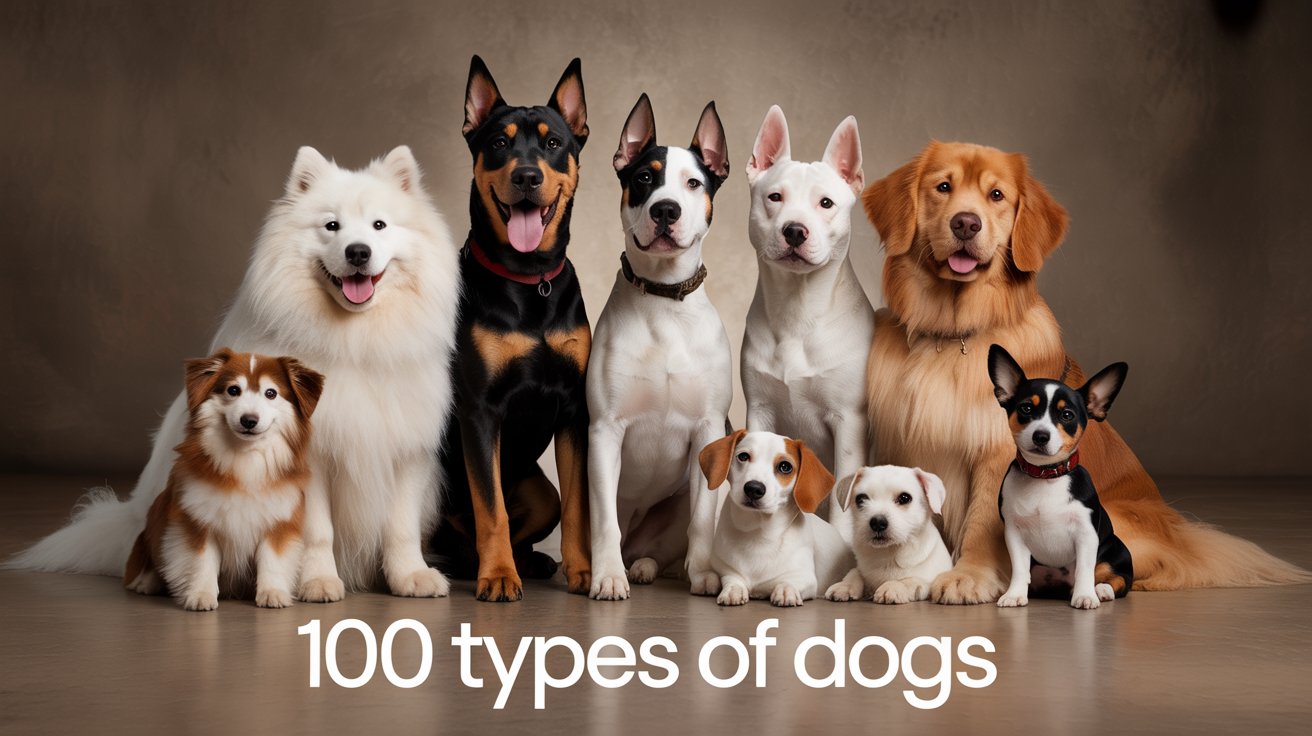
Dogs come in many shapes and sizes. Around 340 different breeds exist worldwide, each with unique traits. This variety shows how diverse dogs can be across the globe.
Recognized Breeds Worldwide
The number of dog breeds worldwide is not fixed. Different organizations recognize different breeds. The Fédération Cynologique Internationale (FCI) lists about 360 breeds. This group is the largest international dog federation.
Other groups like the American Kennel Club (AKC) recognize fewer breeds. The AKC lists around 200 breeds. These numbers change as new breeds gain recognition.
Some breeds exist only in certain countries. These breeds might not appear on all lists. This adds to the variety of dogs worldwide.
Variations Among Kennel Clubs
Kennel clubs have different rules for recognizing breeds. Some clubs require a breed to have a stable history. Others accept new breeds faster.
Breed names and standards can vary too. A breed recognized in Europe may differ from its American version. This affects the total breed count.
Some clubs recognize hybrid or designer breeds. Others focus only on traditional purebreds. This creates more diversity in dog breeds globally.
Credit: www.petscare.com
Popular Dog Breed Categories
Dog breeds group into several popular categories. Each group shares traits and purposes. These categories help people choose the best dog for their lifestyle. Understanding these groups makes it easier to find the right companion.
Sporting Breeds
Sporting breeds enjoy active work. They love water, fields, and retrieving games. These dogs are friendly and energetic. Examples include retrievers and spaniels. They make great family pets and athletes.
Working Breeds
Working breeds are strong and smart. They help with jobs like guarding and rescue. These dogs need space and exercise. Examples include mastiffs and huskies. They are loyal and protective companions.
Toy Breeds
Toy breeds are small and charming. They fit well in apartments and small homes. These dogs enjoy being lap pets. Examples include Chihuahuas and Pomeranians. They bring joy with their lively spirits.
Herding Breeds
Herding breeds control and guide animals. They are intelligent and quick learners. These dogs need mental and physical tasks. Examples include border collies and shepherds. They thrive with active owners.
Non-sporting Breeds
Non-sporting breeds are diverse in looks and habits. They do not fit other groups easily. Examples include bulldogs and poodles. They offer unique qualities and temperaments. Each one has its own charm.
Rare And New Dog Breeds
Rare and new dog breeds offer a fresh look at canine diversity. These breeds often have small populations or unique traits. Some are just gaining recognition by official groups. Others were thought lost but then found again. Their stories show how dog breeding still evolves today.
Emerging Breeds In 2025
Several new breeds will rise in popularity during 2025. Breeders focus on health, temperament, and unique looks. These dogs may blend traits from older breeds. Some emerge from efforts to revive ancient dog types. Each new breed adds to the rich dog family tree.
New breeds often start in small groups. Dog clubs and registries may accept them after testing. These breeds can bring fresh options for families and dog lovers. Watching new breeds grow is exciting for the dog world.
Extinct And Rediscovered Breeds
Some dog breeds thought extinct have been rediscovered. Careful research and breeding help bring them back. These breeds often have stories tied to history and culture. Rediscovery can mean finding a few dogs with original traits.
Breeders then work to increase their numbers. This effort saves rare dog types from disappearing forever. These breeds remind us how important preservation is. They keep dog diversity alive for future generations.

Credit: en.wikipedia.org
Breed Identification Methods
Identifying dog breeds involves different methods. Each method helps understand a dog’s background and traits. These methods give clues about the breed and its origin.
Physical Traits
Physical traits are the first way to identify dog breeds. Size, coat color, and shape matter. Ears, tail, and body type provide more hints. Some breeds have unique markings or fur patterns. This method works best with purebred dogs. Mixed breeds can be harder to identify by looks alone.
Genetic Testing
Genetic testing is a modern method for breed identification. A simple DNA test reveals breed composition. It shows the percentage of each breed in a dog. This method works well for mixed breeds. It can also detect health risks linked to certain breeds. Genetic tests provide a clear and accurate breed profile.
Factors Influencing Breed Classification
Classifying dog breeds involves many factors that shape how breeds are recognized and grouped. These factors affect the total number of breeds acknowledged worldwide. Understanding these helps explain why breed counts can vary.
Geographical Differences
Different regions often have unique dog breeds. Local needs, climate, and culture influence breed development. Some breeds thrive only in specific areas. Breed recognition depends on local dog clubs and kennel organizations. A breed common in one country might be unknown elsewhere. This regional variety makes breed classification complex.
Breed Standards Evolution
Breed standards define what makes a breed distinct. These standards change over time. Changes happen due to breeding goals or new discoveries. Sometimes, breeds split into new types or merge with others. Judges and breed clubs update these rules regularly. This evolution shifts how many breeds are officially listed.
Crossbreeds And Designer Dogs
Crossbreeds and designer dogs have grown in popularity over the years. These dogs come from mixing two different purebred dogs. The goal is to create pets with unique looks and friendly traits. Many people choose these dogs for their charm and health benefits. They often combine the best features of both parent breeds.
This trend has added many new types of dogs to the pet world. These mixes are not always recognized by official dog clubs. Yet, they have a strong fan base. Let’s explore some popular hybrid breeds and their effect on purebred counts.
Popular Hybrid Breeds
Some hybrid dogs have become very popular with pet owners. The Labradoodle, a mix of Labrador Retriever and Poodle, is one example. It is known for its friendly nature and low-shedding coat. Another favorite is the Cockapoo, a blend of Cocker Spaniel and Poodle, loved for its playfulness and size.
The Goldendoodle mixes Golden Retriever and Poodle traits. It is gentle and smart, perfect for families. The Puggle, a mix of Pug and Beagle, is popular for its cute look and lively spirit. These hybrids show how crossing breeds creates new, loved dog types.
Impact On Purebred Counts
Crossbreeds affect how many pure breeds people recognize. Some dog clubs count only purebreds, not hybrids. This changes the total number of official dog breeds. Purebred dogs have clear lineage records. Mixed dogs do not, making registration harder.
As crossbreeds grow in number, purebred counts seem smaller. People see more mixed dogs as pets. This shifts focus from purebreds to hybrids. It also raises questions about breed definitions and standards. Crossbreeds blur the lines between traditional dog categories.
Frequently Asked Questions
How Many Dog Breeds Exist Worldwide?
There are approximately 340 recognized dog breeds globally. Different kennel clubs may list varying numbers based on breed standards. This diversity reflects various sizes, shapes, and temperaments suited for many roles and lifestyles.
Which Organization Classifies Dog Breeds?
The American Kennel Club (AKC) and Fédération Cynologique Internationale (FCI) are top classifiers. They set breed standards and officially recognize breeds. These organizations ensure breed purity and promote responsible breeding practices.
What Determines A Dog Breed’s Classification?
Breed classification depends on physical traits, behavior, and lineage. Dogs with similar characteristics and genetics are grouped into the same breed. This helps maintain breed consistency and predictability in traits.
Are New Dog Breeds Still Being Developed?
Yes, new dog breeds emerge through selective breeding. Breeders combine traits to create dogs suited for specific tasks or preferences. Recognition of new breeds takes time and official approval.
Conclusion
Dogs come in many breeds, each with unique traits. This variety shows how diverse dogs really are. Whether big or small, all breeds bring joy. Choosing a dog depends on your lifestyle and needs. Learning about breeds helps you find the right pet.
Dogs offer companionship, love, and loyalty. Every breed has its own charm to explore. Knowing breed differences makes dog care easier. Enjoy discovering the wonderful world of dog breeds.


