

You want the best for your dog, especially when it comes to their food. But how do you know when to switch from puppy food to adult dog food?
Choosing the right time is important for your dog’s health and growth. If you switch too early or too late, it could affect their energy, weight, and overall well-being. You’ll discover the simple signs and age guidelines to help you make the best choice for your furry friend.
Keep reading to make sure your dog gets exactly what they need at every stage of life.
Puppy Growth Stages
Puppy growth happens fast and in clear stages. Each stage has unique needs. Knowing these stages helps decide when to change food. Puppies need special nutrition for healthy bones and muscles. The right food supports their energy and brain development. Understanding these stages guides the switch to adult food.
From Newborn To Weaning
Puppies start life drinking their mother’s milk. This milk gives all the nutrients they need. At about 3 to 4 weeks, they begin to try solid food. This stage is called weaning. It helps puppies learn to chew and digest new foods. The transition is gentle and gradual. Solid food should be soft and easy to eat.
Rapid Growth Phase
Between 6 weeks and 6 months, puppies grow very fast. Their bones, muscles, and organs develop quickly. They need high protein and calories to support this growth. Puppy food is made to meet these needs. Feeding the right food helps avoid growth problems. This phase requires more meals and careful portion control.
Signs Of Maturity
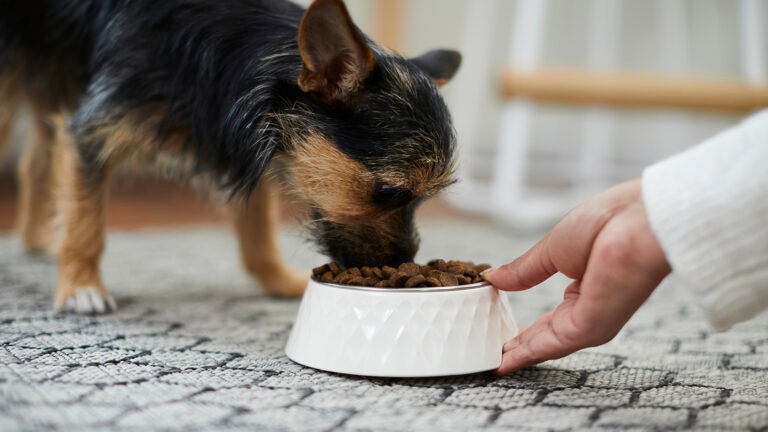
Puppies start to slow down their growth around 6 to 12 months. Their energy levels may change. Teeth become fully grown and strong. Body shape looks more like an adult dog. These signs show it is time to prepare for adult food. Changing food slowly helps avoid stomach upset. Adult food matches their new energy and health needs.
Credit: www.chewy.com
When To Start Adult Food
Knowing the right time to switch your dog to adult food is important. Puppies need different nutrients than adult dogs. Feeding the right food helps your dog grow healthy and strong. The change should happen at the right age and stage of development. This keeps your dog happy and well-nourished.
Age Benchmarks By Breed Size
Small breed dogs grow faster than large breeds. Small breeds usually switch to adult food around 9 to 12 months. Medium breeds may start adult food at 12 months. Large and giant breeds need more time to grow. They often switch at 12 to 24 months. Knowing your dog’s breed size helps set the right timing.
Behavioral And Physical Cues
Watch for signs your dog is ready for adult food. Puppies that lose the “puppy energy” often need adult food. Their baby teeth fall out and adult teeth come in. Growth slows down and body shape changes. These signs show your dog is moving to adulthood.
Consulting Your Veterinarian
Your vet knows your dog’s health and growth best. They can advise the perfect time to switch foods. Vets can recommend the best adult food for your dog’s breed. Regular check-ups help track your dog’s development and needs. Trust professional advice for a healthy diet change.
Nutritional Needs By Life Stage
Dogs need different nutrients at different stages of life. Their food should match their growth and activity. Feeding the right food helps dogs stay healthy and strong. It also supports their energy and body functions. Understanding these needs helps decide when to switch dog food.
Puppy Nutrient Requirements
Puppies grow fast. They need extra protein to build muscles. Puppies also need more fat for energy. Vitamins and minerals support bone growth and brain development. Puppy food has smaller kibble for easy chewing. It is rich in nutrients to meet these needs.
Adult Dog Dietary Needs
Adult dogs need balanced nutrition to maintain health. Their food has less protein and fat than puppy food. It focuses on keeping weight and energy levels steady. Adult food supports a healthy immune system. It also helps keep teeth and joints strong.
Risks Of Premature Switching
Switching to adult food too early can harm growth. Puppies may miss important nutrients for bones and muscles. It can cause poor development and weak immune systems. Feeding adult food too soon may reduce energy levels. This can affect your puppy’s overall health and happiness.
Credit: www.purina.com
Choosing The Right Adult Food
Switching your dog to adult food is a big step. The right choice helps keep them healthy and active. Adult dog food has different nutrients than puppy food. These nutrients support your dog’s grown body and energy needs.
Choosing the best adult food means thinking about quality, diet needs, and trusted brands. This guide helps you pick food that fits your dog’s health and taste.
Ingredient Quality
High-quality ingredients make a big difference. Look for real meat or fish listed as the first ingredient. Avoid foods with too many fillers like corn or wheat. Whole grains and vegetables add good fiber and vitamins. Good ingredients support strong muscles, a shiny coat, and good digestion.
Special Diets And Sensitivities
Some dogs need special diets. Allergies or sensitive stomachs require gentle ingredients. Grain-free or limited ingredient foods work well for many dogs. Check with your vet about any health issues. A tailored diet helps prevent problems and keeps your dog comfortable.
Brand Recommendations
Choose brands known for quality and safety. Brands that test their food and have clear labels are best. Read reviews and ask your vet for advice. Trusted brands often invest in research to improve dog health. A reliable brand means you can trust what you feed your dog.
Transitioning To Adult Food
Switching your dog to adult food is an important step. It supports their growth and keeps them healthy. The change should be smooth to avoid stomach problems. Start the transition carefully and watch your dog closely. This helps them adjust well to the new diet.
Gradual Mixing Method
Begin by mixing 25% adult food with 75% puppy food. Feed this mix for three days. Then increase adult food to 50% and reduce puppy food to 50%. After another three days, mix 75% adult food with 25% puppy food. Finally, feed only adult food after nine to ten days. This gradual change helps your dog’s stomach adapt.
Monitoring Your Dog’s Response
Watch your dog’s eating habits and energy levels. Check for any signs of upset stomach like vomiting or diarrhea. Notice if your dog seems less active or refuses food. Healthy skin and a shiny coat also show good adjustment. Keep a close eye and adjust the pace if needed.
Troubleshooting Common Issues
Loose stools or vomiting can happen during the switch. Slow down the mixing process if this occurs. Try mixing the food for a longer time before full switch. If problems continue, consult your vet for advice. They can suggest the best food or supplements for your dog.
Credit: www.gallant.com
Special Considerations
Switching a dog to adult food is not always straightforward. Different dogs need different care based on their size and age. Special considerations help ensure your dog gets the right nutrition at the right time. This section covers key points for various dog types.
Large And Giant Breeds
Large and giant breed dogs grow slower than small dogs. They need food that supports bone and joint health. Switching too early can cause growth problems. Usually, they switch to adult food between 12 and 18 months. Choose formulas made for large breeds. These foods have balanced calcium and phosphorus levels.
Small Breeds
Small breed dogs mature faster than large dogs. They often switch to adult food around 9 to 12 months. Small breeds have higher energy needs. Adult food for them is richer in calories and nutrients. It helps maintain their fast metabolism and healthy weight.
Senior Dogs And Food Adjustments
Senior dogs need different nutrition than younger adults. Around 7 years old, many dogs start needing special diets. Senior dog food has fewer calories and more fiber. It supports their aging organs and slows weight gain. Consult a vet to adjust food as your dog ages. Proper nutrition helps keep your dog active and healthy longer.
Frequently Asked Questions
When Should I Switch My Puppy To Adult Dog Food?
Most dogs switch to adult food between 12 and 18 months. Large breeds may need adult food later. Consult your vet for the best timing.
How Do I Know My Dog Is Ready For Adult Food?
Signs include slower growth and less energy bursts. Your vet can assess your dog’s readiness based on size and health.
What Risks Come From Switching Dog Food Too Early?
Switching too soon can cause digestive upset and nutrient imbalance. It may hinder proper growth and development in puppies.
Can I Mix Puppy And Adult Dog Food During Transition?
Yes, gradually mix adult food with puppy food over 7-10 days. This helps prevent stomach upset and eases adjustment.
Conclusion
Switching your dog to adult food at the right age helps their growth and health. Most dogs make this change between 9 to 12 months old. Larger breeds may need adult food later than small breeds. Watch your dog’s size and energy to decide the best time.
Feeding the right food supports strong bones and good digestion. Talk with your vet for advice tailored to your dog’s needs. Feeding adult food too early or late can cause problems. Keep your dog healthy with the right diet at the right time.


