

Training your dog can sometimes feel overwhelming, especially when traditional methods don’t seem to work. But what if there was a tool that could make the process clearer and more effective for both you and your pet?
An e-collar might be just what you need. You’ll discover simple steps to use an e-collar safely and confidently, helping your dog learn faster and behave better. Keep reading, and you’ll gain the knowledge to transform your training sessions into a positive experience for you and your furry friend.
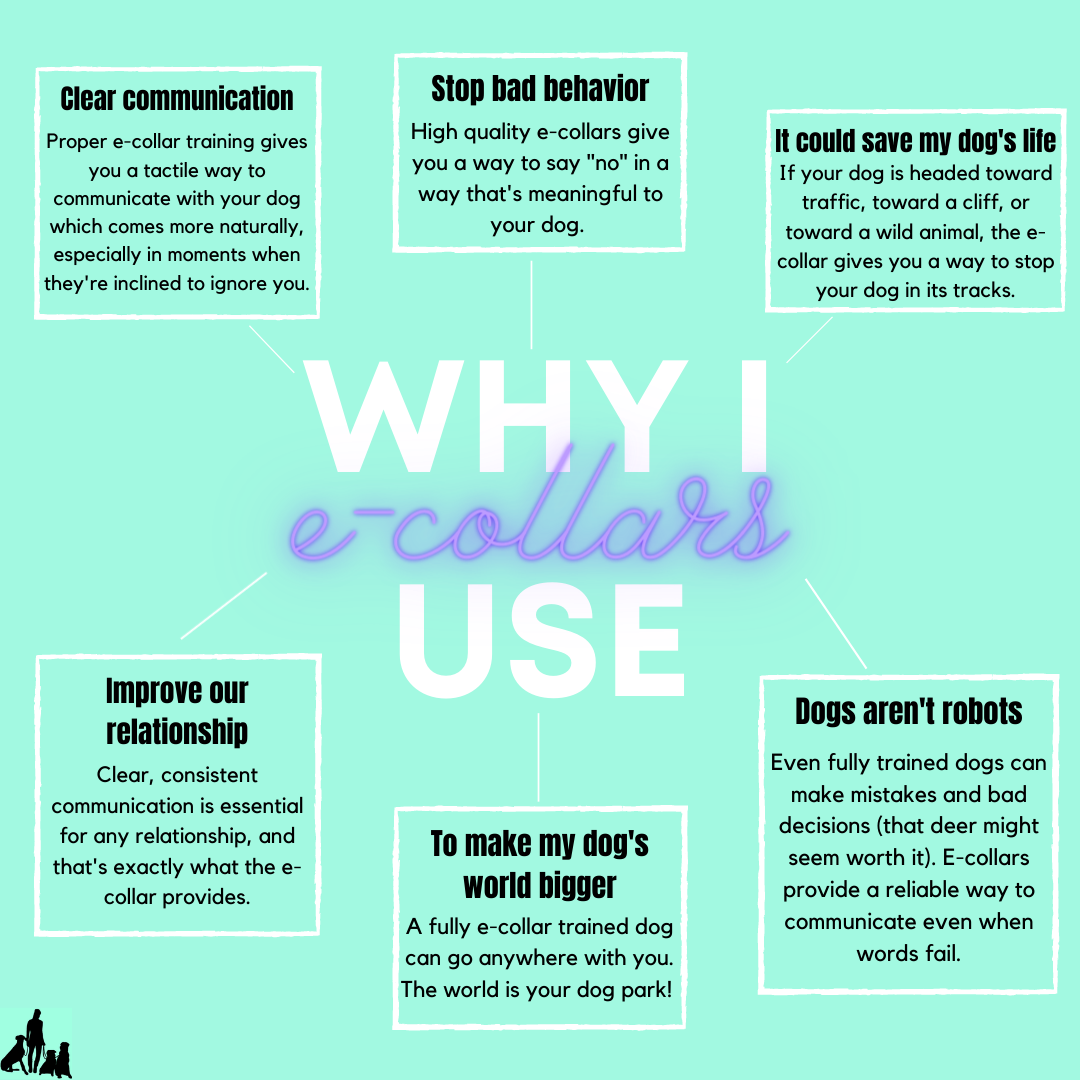
Credit: www.chaostocalmk9training.com
Choosing The Right E Collar
Choosing the right e collar is important for effective dog training. The correct collar helps your dog learn faster and stay safe. It also makes training less stressful for both of you. Take time to pick the best collar for your dog’s size, behavior, and needs.
Types Of E Collars
E collars come in different types. Some deliver a static shock, while others use vibrations or tones. Static shock collars have adjustable levels for gentle correction. Vibration collars are less intense and good for sensitive dogs. Tone collars use sound to get your dog’s attention. Choose a type that fits your dog’s personality and training goals.
Size And Fit Considerations
Size matters for comfort and effectiveness. The collar should fit snugly but not too tight. Measure your dog’s neck before buying. A collar too loose can slip off during training. Too tight can cause discomfort or injury. Adjustable collars work best for growing dogs or those with thick fur.
Safety Features To Look For
Safety features protect your dog during training. Look for collars with automatic shut-off after a few seconds. This prevents over-correction and stress. Waterproof collars are good for outdoor training. Check if the collar has low battery alerts to avoid sudden stops. Soft contact points reduce skin irritation. These features keep training safe and humane.
Credit: myk9u.com
Preparing Your Dog For E Collar Training
Preparing your dog for e collar training is a key step. This phase helps your dog get used to the new tool. It also builds trust and understanding between you and your dog. Taking time here can make training smoother and more effective.
Introducing The Collar Slowly
Start by letting your dog wear the collar without turning it on. Let your dog explore it with calm and patience. Watch how your dog reacts to the collar on the neck. Let your dog wear it for short periods at first. Gradually increase the time as your dog feels more comfortable.
Reading Your Dog’s Body Language
Watch your dog closely during training. Notice signs of stress or discomfort like tail tucking or ears back. A relaxed dog shows loose body posture and soft eyes. Adjust your training pace based on these signals. Respect your dog’s feelings to keep training positive.
Setting Realistic Training Goals
Set small, clear goals for each training session. Focus on one command at a time. Use simple commands like “sit” or “come.” Celebrate small wins to motivate your dog. Keep sessions short to avoid tiring your dog. Progress happens step by step.
Basic E Collar Training Techniques
Training a dog with an e collar requires patience and clear methods. Basic techniques help your dog understand signals without stress. Start simple and build trust. Use the collar as a tool, not a punishment. Practice short sessions for best results.
Starting With Low Stimulation Levels
Begin with the lowest stimulation setting on the collar. Let your dog wear the collar without activating it first. Press the button lightly to see your dog’s reaction. Low levels help your dog get used to the feeling. Avoid high levels at the start. Increase stimulation only if needed and very gradually.
Using Positive Reinforcement
Combine the e collar signals with treats or praise. Reward your dog immediately after a correct response. Positive feedback makes training enjoyable and effective. Use treats your dog likes to motivate. Praise with a happy voice to encourage your dog. This builds a strong connection between commands and rewards.
Timing And Consistency
Timing is key to successful e collar training. Give the stimulation and command at the right moment. Reward your dog right after the good behavior. Repeat the process regularly for better learning. Consistency helps your dog understand what is expected. Train in short, frequent sessions to keep focus high.

Credit: lomabehavior.com
Advanced Training Tips
Advanced training with an e collar helps refine your dog’s skills. It deepens communication and speeds learning. Use these tips to improve your training sessions.
Combining E Collar With Verbal Commands
Always pair the e collar signal with a clear verbal command. This helps your dog understand what you want. Start with simple words like “sit” or “come.” Give the command first, then use the e collar gently. This combination builds trust and clarity.
Training For Specific Behaviors
Focus on one behavior at a time. Use the e collar to guide your dog toward the right action. For example, use it to stop barking or to heel on walks. Reward your dog with praise or treats after correct responses. This strengthens good habits.
Troubleshooting Common Issues
Sometimes dogs may ignore the collar or seem scared. Check the fit to ensure it is snug but not tight. Lower the stimulation level if your dog looks stressed. Practice in short sessions to keep your dog calm and focused. Patience is key to success.
Ensuring Safety And Comfort
Training your dog with an e collar requires care to keep your pet safe and comfortable. Proper use helps your dog learn without stress or harm. Focus on steps that protect your dog’s well-being throughout training.
Avoiding Overuse And Misuse
Use the e collar only for short training sessions. Avoid constant or long-lasting stimulation. Overuse can cause discomfort and fear in your dog. Follow the training plan and adjust settings properly. Never use the collar for punishment or anger. Respect your dog’s limits to build trust.
Regular Collar Maintenance
Check the e collar often for damage or wear. Clean the collar and contacts to keep it working well. Replace batteries regularly to avoid sudden stops. Proper care ensures the collar stays safe and effective. A well-maintained collar prevents skin irritation and other issues.
Monitoring Your Dog’s Response
Watch your dog closely during and after training. Look for signs of stress, pain, or fear. Stop using the collar if your dog seems upset. Adjust the settings to a lower level if needed. Praise and reward your dog to encourage good behavior. Your dog’s comfort shows successful training progress.
Alternatives And Complementary Methods
Using an e collar for dog training can be effective, but other methods also help. Combining different techniques often leads to better results. These alternatives support your dog’s learning and build a stronger bond.
Using Clicker Training
Clicker training uses a small device that makes a clicking sound. It marks good behavior clearly for your dog. This method rewards your dog instantly with treats or praise. The click helps your dog understand what action earned the reward. Clicker training works well with an e collar by adding positive signals. It encourages your dog to repeat good actions happily.
Leash Training Integration
Leash training teaches your dog to walk calmly beside you. It helps control your dog during outdoor training sessions. Combining leash work with an e collar can improve focus and safety. The leash guides your dog gently while the collar signals correct behavior. This mix helps your dog learn commands faster in real situations. It also reduces pulling and unwanted distractions.
Consulting Professional Trainers
Professional trainers offer expert advice tailored to your dog’s needs. They can show you how to use an e collar correctly and safely. Trainers teach techniques that suit your dog’s personality and age. Working with a trainer prevents common mistakes and frustration. They provide support during challenging training stages. A trainer’s guidance boosts your confidence and your dog’s success.
Frequently Asked Questions
What Is An E Collar For Dog Training?
An E Collar is a remote training tool that delivers mild electric stimulation. It helps reinforce commands and correct unwanted behavior efficiently. Proper use requires careful adjustment to avoid discomfort and ensure humane training.
How Do I Start Training My Dog With An E Collar?
Begin by introducing the collar without stimulation to let your dog get used to it. Then, pair mild stimulation with commands and rewards. Gradually increase difficulty, always observing your dog’s comfort and response.
Are E Collars Safe For All Dog Breeds?
Yes, E Collars are generally safe for all breeds when used correctly. Choose the right collar size and stimulation level. Always follow manufacturer guidelines and consult a trainer if unsure.
Can E Collars Replace Traditional Dog Training Methods?
E Collars are effective tools but should complement, not replace, positive reinforcement. Combining both methods improves training results and strengthens your bond with your dog.
Conclusion
Training your dog with an e-collar takes patience and care. Always start slow and watch your dog’s reactions. Use gentle corrections and reward good behavior often. Keep training sessions short to hold your dog’s attention. Remember, trust between you and your dog is key.
With time, your dog will learn commands clearly. Stay consistent and positive throughout the process. This method can help improve your dog’s behavior safely. Your effort will bring better communication and a happier pet. Keep practicing, and enjoy the journey together.


