

Have you ever wondered just how many different dog breeds exist around the world? Whether you’re a dog lover, thinking about getting a pet, or simply curious, knowing the variety of breeds can surprise you.
From tiny pups to giant companions, each breed has its own unique traits and stories. You’ll discover the true number of dog breeds, what makes them special, and how to find the perfect one for your lifestyle. Keep reading to unlock fascinating facts that every dog enthusiast should know!
Global Dog Breed Count
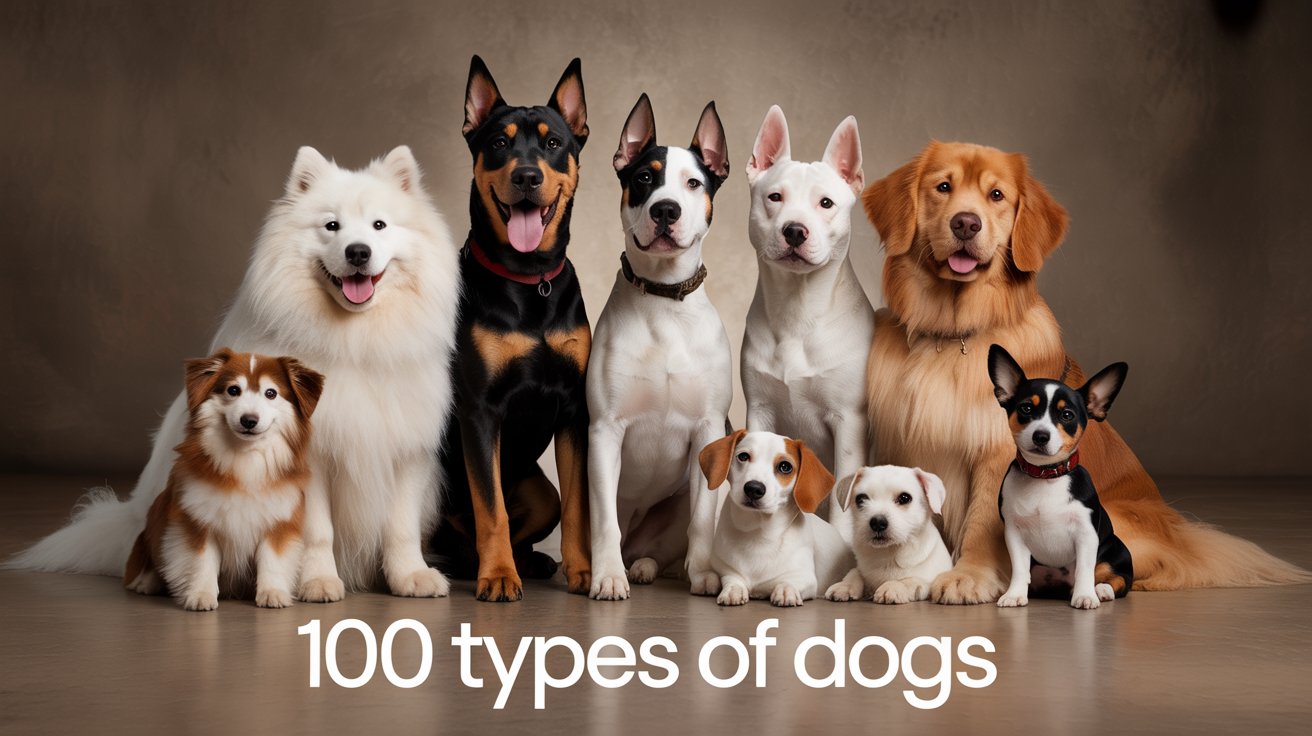
The number of dog breeds worldwide varies depending on sources and classifications. Dogs come in many shapes, sizes, and types, each with unique traits. Counting all dog breeds helps us understand the diversity of this loyal companion. Different organizations recognize different numbers of breeds. This global count reflects both history and ongoing breeding efforts.
Recognized Breeds Worldwide
The World Canine Organization (FCI) lists around 360 dog breeds. This is the most accepted global standard. The American Kennel Club (AKC) recognizes about 200 breeds. The United Kennel Club (UKC) accepts over 300 breeds. Each group has specific rules to recognize breeds. Recognition depends on breed history, traits, and popularity. Some breeds are rare and only known locally. Others are widely popular across continents.
Variations Across Registries
Different registries have different breed lists. This causes confusion about the exact breed count. Some breeds appear in one registry but not in others. Breed standards may differ slightly between organizations. For example, a dog breed may have varied size or coat rules. New breeds are added as they become established. Regional breeds often take time to gain global recognition. These variations show the complex world of dog breeds.
Major Dog Breed Groups
Dogs come in many shapes and sizes. They are grouped by their work and traits. Knowing these groups helps us understand each dog’s purpose and behavior. Here are the major dog breed groups you should know.
Working Dogs
Working dogs are strong and intelligent. They help with tasks like guarding and pulling sleds. These dogs need regular exercise and training. Examples include the Siberian Husky and Boxer.
Herding Dogs
Herding dogs control and move livestock. They are quick and alert. These dogs enjoy mental challenges and active play. Border Collies and Australian Shepherds are popular herding breeds.
Toy Breeds
Toy breeds are small and friendly. They make great companions for people in small spaces. These dogs need gentle care and love. Examples include the Chihuahua and Pomeranian.
Sporting Dogs
Sporting dogs help hunters find and retrieve game. They are active and love water. These dogs need plenty of exercise and training. Labrador Retrievers and Spaniels are well-known sporting breeds.
Non-sporting Dogs
Non-sporting dogs are diverse in size and looks. They do not fit into other groups easily. These dogs have different temperaments and care needs. Examples are Bulldogs and Dalmatians.
Terriers
Terriers are feisty and energetic. They were bred to hunt small animals. These dogs need firm training and lots of playtime. Jack Russell Terriers and Bull Terriers are famous terrier breeds.
Hounds
Hounds use their strong sense of smell or sight to track prey. They are patient and determined. These dogs need regular exercise and mental stimulation. Beagles and Greyhounds are popular hound breeds.
Factors Influencing Breed Numbers
The number of dog breeds in the world changes due to several key factors. These factors affect how many breeds are officially counted and recognized. Understanding them helps explain why breed numbers differ in various sources.
Breed numbers depend on rules, regions, and new breeds being created. Each factor plays a role in shaping the total count of dog breeds worldwide.
Breed Recognition Criteria
Different organizations use different rules to accept dog breeds. Some require a breed to have a long history. Others look for unique traits or stable breeding patterns. These criteria decide if a breed is official or not.
Some breeds are rare or local and do not meet all criteria. This keeps the official breed list smaller than actual dog varieties.
Regional Breed Variations
Many dog breeds come from specific countries or areas. Some breeds exist only in small regions and are unknown elsewhere. This creates regional breed variations.
Different countries may recognize some breeds that others do not. This makes global breed counts vary depending on the region.
New Breed Development
Breeders create new dog breeds by mixing existing ones. This process can take years before the new breed is stable and accepted. New breeds add to the total number over time.
Some new breeds become popular quickly. Others remain rare and less known. Breed development is an ongoing process that changes the breed landscape.

Credit: www.amazon.com
Popular Dog Breeds Around The World
Dogs are among the most popular pets worldwide. People love different breeds for many reasons. Some choose dogs for their looks, others for their behavior or size. Each breed has unique traits that suit different lifestyles. Here, we explore popular dog breeds from around the world.
Top Breeds By Popularity
Labrador Retrievers top the list in many countries. They are friendly, smart, and great with families. German Shepherds come next. They are known for loyalty and protection skills. Bulldogs are also common. Their calm nature fits well in apartments. Poodles attract people who want an intelligent and hypoallergenic dog. Beagles charm with their playful and curious nature. These breeds often appear in homes and dog shows.
Unique Regional Breeds
Some dog breeds are tied to specific regions. The Shiba Inu is popular in Japan for its fox-like look. The Basenji from Africa is known as the “barkless dog.” In Russia, the Siberian Husky is famous for its strength and endurance. The Australian Cattle Dog is well-loved in Australia for herding skills. Each region has breeds shaped by its climate and culture. These dogs show the diversity of the canine world.
Rare And Endangered Dog Breeds
Rare and endangered dog breeds are those with very small populations worldwide. They often have unique traits and histories. Many are at risk of disappearing forever. These breeds need attention and care to survive.
Understanding why these dogs are rare helps us protect them better. Many factors contribute to their decline. Efforts to save them are ongoing in many parts of the world.
Causes Of Rarity
Loss of habitat reduces where dogs can live and work. Changing lifestyles make some breeds less useful. People prefer popular breeds over rare ones. Small gene pools cause health problems and fewer puppies. Wars and natural disasters can also reduce numbers.
Conservation Efforts
Breed clubs and enthusiasts work hard to keep these dogs alive. They organize breeding programs to increase populations. Education helps people understand the value of rare breeds. Some countries protect rare dogs with laws. Rescue groups find homes for endangered dogs. Every effort counts to save these special breeds.
Credit: www.petscare.com
How Breeds Are Classified
Dog breeds are sorted in many ways. Classification helps understand their traits and uses. Experts group dogs by looks, behavior, and history. This makes it easier to identify breeds and their purposes.
Physical Traits
Dogs differ in size, shape, and coat type. Some have long fur, others short or curly. Color patterns also vary widely among breeds. These traits help people spot breed families quickly.
Body structure plays a big role too. Some breeds have strong legs for running. Others have broad chests for endurance. Physical features often match the dog’s original job.
Behavioral Traits
Temperament is key in classification. Some dogs are calm and gentle. Others are energetic and protective. These traits guide owners in choosing the right pet.
Working styles also matter. Herding dogs follow commands well. Hunting dogs have sharp senses and drive. Behavior shapes how dogs fit into families or work roles.
Historical Roles
Many breeds began with specific jobs. Some guarded homes or livestock. Others helped hunters or pulled sleds. History shows why breeds look and act a certain way.
Knowing a breed’s past reveals its needs today. Working dogs need exercise and tasks. Companion breeds need love and attention. History links dogs to human life closely.
Future Trends In Dog Breeding
The future of dog breeding holds exciting possibilities and challenges. Breeders and enthusiasts watch closely as new trends develop. These trends shape the kinds of dogs we will see in the years ahead.
Advances in science and changing public views influence dog breeding today. This section explores emerging breeds, the role of genetics, and ethical concerns. Understanding these points helps us appreciate the future of dogs worldwide.
Emerging Breeds
New dog breeds appear as people combine traits from different dogs. Some breeds are created for special jobs or to suit lifestyles. Others come from natural changes in dog populations. These fresh breeds add diversity to the world of dogs. They often gain fans quickly and become part of families.
Impact Of Genetics
Genetics plays a big role in future dog breeding. Scientists learn more about genes that affect health and behavior. This knowledge helps breeders select dogs with good traits. It can reduce health problems in puppies. Genetic testing becomes common to ensure strong and healthy dogs. The focus shifts to quality and longevity in dogs’ lives.
Ethical Considerations
Ethics guide how dogs are bred in the future. Breeders face questions about animal welfare and responsibility. Avoiding overbreeding and harmful practices is crucial. Respecting dogs’ natural needs improves their wellbeing. Transparency and honesty build trust with dog owners. Ethical breeding protects dogs and their futures.

Credit: www.amazon.com
Frequently Asked Questions
How Many Dog Breeds Exist Worldwide?
There are approximately 340 recognized dog breeds globally. Different kennel clubs may list varying numbers based on criteria. These breeds range from tiny Chihuahuas to large Great Danes, each with unique traits and histories.
What Factors Define A Dog Breed?
A dog breed is defined by specific physical traits, behavior, and lineage. Breeds share common ancestry and distinct characteristics. This helps in classification and breeding standards maintained by kennel clubs.
Which Organization Recognizes Most Dog Breeds?
The Fédération Cynologique Internationale (FCI) is the largest organization recognizing dog breeds. It acknowledges around 340 breeds worldwide. Other groups like the American Kennel Club have their own breed lists.
Are New Dog Breeds Still Being Developed?
Yes, new dog breeds are occasionally developed through selective breeding. Breeders focus on traits like temperament, size, and coat type. However, new breeds must meet specific standards for official recognition.
Conclusion
Dogs come in many shapes and sizes worldwide. Each breed has its own unique traits and history. Knowing the number of dog breeds helps us appreciate their diversity. Whether big or small, dogs bring joy to many lives. Choosing the right breed depends on your lifestyle and needs.
Exploring different breeds can be fun and educational. Dogs remain loyal companions to millions everywhere. Their variety shows how special and varied they truly are.


