

Grooming your dog at home can feel like a big task, but it doesn’t have to be. Imagine how great it would be to keep your furry friend clean, comfortable, and looking their best without expensive trips to the groomer.
You might be wondering where to start or how to make the process easy and stress-free for both you and your dog. You’ll discover simple, step-by-step tips to groom your dog confidently at home. By the end, you’ll have everything you need to make grooming a fun and bonding experience for you and your pet.
Ready to get started? Let’s dive in!
Choosing The Right Grooming Tools
Choosing the right grooming tools makes home grooming easier and safer. Good tools help keep your dog clean and comfortable. They also protect your dog’s skin and coat. Knowing which tools to use is important for each grooming step. Here is a guide to essential grooming tools for your dog.
Essential Brushes And Combs
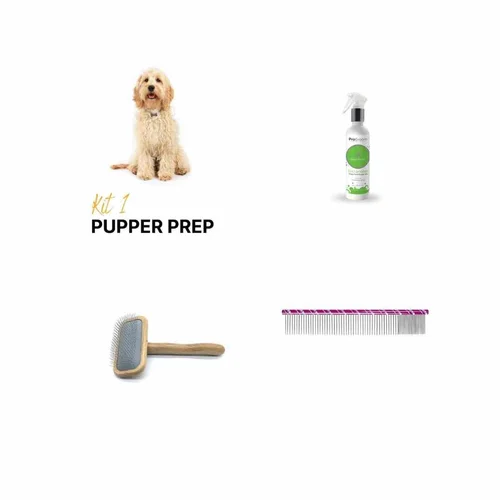
Brushes and combs remove dirt, loose hair, and tangles. A slicker brush works well for most dogs. It removes mats and loose fur gently. A bristle brush suits dogs with short hair. It adds shine and smooths the coat. Use a metal comb to find small tangles and debris. Brush your dog regularly to keep the coat healthy.
Selecting The Best Clippers
Clippers trim your dog’s fur safely. Choose clippers designed for pets. They run quietly and do not scare your dog. Look for clippers with different blade sizes for various fur lengths. Check if the clippers have a cool-touch feature. It stops overheating during use. Keep blades sharp for a clean cut and less pulling.
Safe Nail Trimmers
Nail trimmers keep your dog’s paws healthy. Use a clipper made for dogs, not humans. Choose a style that feels comfortable in your hand. Guillotine or scissors-type trimmers work well. Avoid cutting too close to the quick. Trim nails slowly and carefully to prevent pain or bleeding.
Bathing Supplies To Have
Bathing keeps your dog clean and smelling fresh. Use a dog-friendly shampoo, not human shampoo. Pick a shampoo for your dog’s skin type. Have a non-slip mat ready to prevent slipping. Use a soft towel or dog dryer to dry your pet. Keep bathing tools within reach for smooth grooming.

Credit: tweezerman.com
Preparing Your Dog For Grooming
Preparing your dog for grooming is a key step to make the process smooth and safe. It helps your dog feel relaxed and ready. Taking time before grooming lowers stress for both you and your pet. This preparation makes grooming easier and more enjoyable.
Creating A Calm Environment
Choose a quiet place without loud noises or distractions. Keep the room at a comfortable temperature. Soft lighting helps your dog stay calm. Speak in a gentle voice to soothe your pet. Avoid sudden movements that might scare your dog.
Getting Your Dog Comfortable
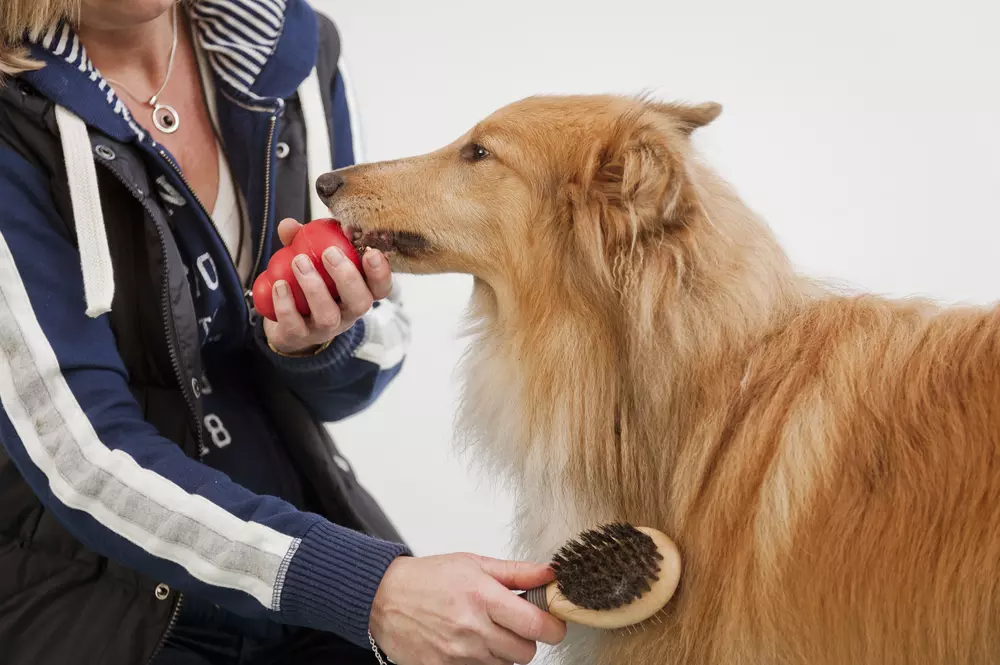
Let your dog explore the grooming area first. Use treats to create positive feelings about the spot. Pet your dog softly to build trust. Show grooming tools slowly before using them. Give breaks if your dog seems nervous or restless.
Brushing Before Bathing
Brush your dog’s coat to remove dirt and loose hair. Brushing helps avoid mats and tangles during the bath. Use the right brush for your dog’s fur type. Be gentle to prevent pulling the hair. This step prepares the coat for a thorough clean.
Bathing Your Dog At Home
Bathing your dog at home helps keep them clean and healthy. It also creates a strong bond between you and your pet. Bath time does not have to be stressful for either of you. A calm and gentle approach works best.
Choosing The Right Shampoo
Pick a shampoo made just for dogs. Human shampoos can irritate their skin. Look for gentle formulas with natural ingredients. Avoid products with harsh chemicals or strong scents. If your dog has sensitive skin, choose a hypoallergenic shampoo.
Water Temperature Tips
Use lukewarm water to bathe your dog. Water that is too hot or cold can upset them. Test the water with your wrist to check the temperature. It should feel warm but not hot. Keep the water consistent during the bath.
Proper Bathing Techniques
Start by brushing your dog’s coat to remove loose hair. Wet your dog slowly, starting at the neck. Avoid getting water in their eyes and ears. Apply shampoo and massage it gently into the fur. Rinse thoroughly to remove all soap. Leftover shampoo can cause itching and dryness.
Drying Your Dog Safely
Use a soft towel to pat your dog dry. Do not rub hard as it can tangle the fur. For long-haired dogs, use a pet-safe blow dryer on low heat. Keep the dryer moving and not too close. Let your dog air dry in a warm room if possible.
Brushing And Dematting Fur
Brushing and dematting your dog’s fur is a key part of home grooming. It keeps their coat clean and healthy. Regular brushing removes dirt and loose hair. It also stops mats from forming, which can hurt your dog.
Some dogs need more brushing than others. The type of coat affects how often to brush. Proper brushing helps your dog feel comfortable. It also improves blood flow to the skin.
Frequency Of Brushing
Brush your dog’s fur at least twice a week. Dogs with long fur need daily brushing. Short-haired dogs need less frequent brushing. Puppies and older dogs may need gentle, slower brushing sessions. Adjust brushing based on your dog’s activity and coat condition.
Dealing With Tangles And Mats
Start brushing at the ends of the fur. Work slowly toward the skin. Use a detangling spray if needed. Hold the fur close to the skin to avoid pulling. For tough mats, use a dematting comb carefully. Cut out severe mats only if you are confident. Otherwise, visit a professional groomer.
Coat Type Specific Tips
For short coats, use a rubber brush or grooming glove. It removes loose hair without damaging skin. Medium coats need a slicker brush to reach the undercoat. Long coats benefit from a pin brush and comb. Curly coats require gentle brushing to keep curls tight. Regular grooming keeps all coat types healthy and shiny.
Trimming And Clipping Fur
Trimming and clipping your dog’s fur at home keeps them clean and comfortable. It helps control shedding and prevents mats. Regular grooming also lets you check your dog’s skin for issues. With simple tools and patience, you can do this safely and effectively.
When To Trim Your Dog
Trim your dog’s fur when it looks too long or messy. Check areas like around the eyes, paws, and ears. These spots often get dirty or tangled fast. If your dog scratches a lot or fur feels thick, it’s time for a trim. Regular trims keep your dog cool in warm weather.
Basic Clipping Techniques
Start by brushing your dog’s fur to remove knots. Use clippers with the right blade size for your dog’s coat. Hold the clipper flat against the skin and move in the fur’s direction. Trim small sections slowly to avoid mistakes. Use scissors for delicate areas near the face and paws. Always keep your dog calm and reward them after grooming.
Avoiding Common Mistakes
Don’t cut too close to the skin to avoid cuts and irritation. Avoid clipping in one long stroke; work in short passes instead. Never use dull blades; they can pull fur and hurt your dog. Do not rush; take breaks if your dog gets restless. Check your tools before starting to ensure safety and comfort.
Nail Care And Ear Cleaning
Nail care and ear cleaning are key parts of grooming your dog at home. Healthy nails keep your dog comfortable and prevent injuries. Clean ears stop infections and bad smells. Both tasks need gentle handling and the right tools.
Safe Nail Trimming Steps
Use a sharp nail clipper made for dogs. Hold your dog’s paw firmly but gently. Trim small bits of the nail at a time. Avoid cutting the quick, the pink part inside the nail. Cutting the quick causes pain and bleeding. If your dog has dark nails, trim little by little. Stop if you see a black dot in the nail’s center. Smooth sharp edges with a nail file after trimming.
Signs Of Overgrown Nails
Notice if your dog’s nails touch the floor when standing. Overgrown nails can curl and grow into the paw pad. Watch for limping or reluctance to walk. Long nails make walking uncomfortable and cause joint pain. Check nails regularly, especially in active dogs. Frequent trimming keeps nails short and healthy.
Cleaning Your Dog’s Ears Properly
Use a vet-approved ear cleaner for your dog. Apply the cleaner into the ear canal gently. Massage the base of the ear to loosen debris. Let your dog shake its head to remove dirt. Wipe the outer ear with a soft cloth or cotton ball. Avoid using cotton swabs inside the ear canal. Check ears for redness, swelling, or bad smell. These signs mean infection and need vet care.
Dental Care At Home
Dental care is an important part of grooming your dog at home. Healthy teeth keep your dog happy and prevent bad breath. Taking care of your dog’s teeth can stop pain and other health problems.
Regular dental care helps remove plaque and tartar. It also keeps gums strong and free from infection. You do not need special tools to start. Just a few simple steps can make a big difference.
Brushing Your Dog’s Teeth
Brushing your dog’s teeth is the best way to keep them clean. Use a soft-bristled toothbrush made for dogs. Start slowly to help your dog get used to it. Brush gently in small circles on each tooth. Focus on the outside surfaces where plaque builds up.
Try to brush at least two times a week. Daily brushing works best for strong dental health. Praise your dog and give treats to make brushing pleasant.
Choosing The Right Toothpaste
Use toothpaste made specifically for dogs. Human toothpaste can harm dogs if swallowed. Dog toothpaste comes in flavors dogs like, such as chicken or peanut butter. These flavors make brushing more enjoyable for your dog. Never use baking soda or other household products on their teeth.
Other Dental Hygiene Tips
Chew toys help reduce plaque and keep teeth strong. Choose toys designed for dental health and safe chewing. Regularly check your dog’s mouth for redness or bad smells. Healthy gums are pink and firm.
Offer dental treats or special snacks that help clean teeth. Avoid giving your dog sugary or sticky foods. Visit the vet for dental checkups and cleanings when needed.
Credit: www.bluecross.org.uk
Maintaining A Grooming Routine
Keeping a regular grooming routine helps your dog stay healthy and happy. Grooming is more than just making your dog look good. It helps prevent skin problems, keeps their coat clean, and strengthens your bond with them.
Consistency is key. A steady routine makes grooming easier for both you and your dog. It also helps your dog get used to being handled and cared for.
Setting A Grooming Schedule
Decide how often your dog needs grooming based on their breed and coat type. Short-haired dogs may need grooming less often than long-haired dogs. Plan specific days for brushing, bathing, nail trimming, and ear cleaning. Write down your schedule to stay organized.
Tracking Your Dog’s Grooming Needs
Keep a grooming journal or use an app to note each session. Record any changes in your dog’s skin, coat, or behavior. This helps you spot problems early. It also shows which grooming tasks your dog enjoys or dislikes.
When To Seek Professional Help
Some grooming tasks may be hard to do at home. If your dog’s nails are too long or their coat is matted, a groomer can help. Watch for signs of skin infections or ear problems. A vet or professional groomer can treat these safely.
Credit: www.igroomhub.com.au
Frequently Asked Questions
How Often Should I Groom My Dog At Home?
Groom your dog every 4 to 6 weeks to maintain cleanliness and health. Frequency depends on breed, coat type, and activity level.
What Basic Tools Do I Need For Dog Grooming?
Essential tools include a slicker brush, comb, nail clippers, dog shampoo, and grooming scissors. These help keep your dog clean and comfortable.
How Can I Safely Trim My Dog’s Nails?
Use sharp nail clippers designed for dogs. Trim small amounts to avoid hitting the quick. If unsure, seek professional help.
What Is The Best Way To Bathe My Dog At Home?
Use lukewarm water and dog-specific shampoo. Rinse thoroughly to avoid irritation. Dry your dog with a towel or low-heat dryer.
Conclusion
Grooming your dog at home can be simple and fun. Regular brushing keeps their coat healthy and clean. Trim nails carefully to avoid hurting your dog. Bathing with gentle shampoo helps remove dirt and odor. Check ears and teeth to prevent infections.
A calm, patient approach makes grooming easier. Your dog will enjoy the extra attention and care. Keep grooming sessions short and positive. You build trust and strengthen your bond this way. With practice, home grooming becomes a pleasant routine for both of you.


