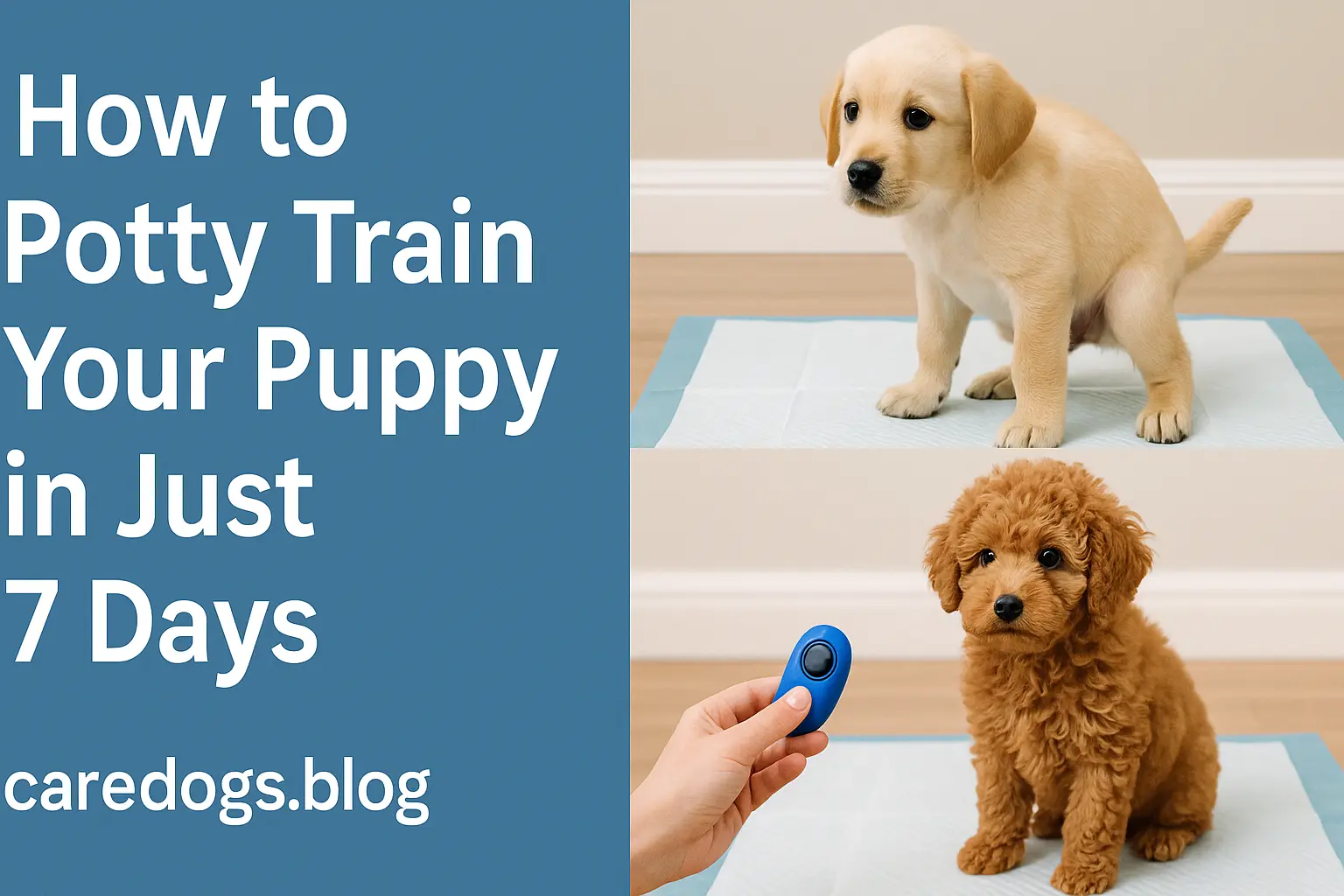
Training your puppy to use the toilet can feel overwhelming, but it doesn’t have to be. Imagine a home where accidents are rare, and your puppy knows exactly where to go.
You’re just a few simple steps away from making that a reality. This guide is packed with easy, proven tips that will save you time and frustration. Keep reading, and discover how to turn your puppy into a well-behaved member of your family faster than you think.
Credit: caredogs.blog
Choosing The Right Spot
Choosing the right spot for your puppy’s toilet training is very important. The spot helps your puppy learn where to go. It also keeps your home clean. Pick a spot that is easy to reach for your puppy. The spot should be quiet and safe. Your puppy will feel comfortable there. This makes training faster and easier.
Indoor Vs Outdoor Options
Decide if your puppy will go inside or outside. Indoor spots can be a potty pad or a small area with grass. Outdoor spots are usually in the yard or garden. Indoor areas work well for small homes or bad weather. Outdoor spots give your puppy fresh air and natural smells. Choose the option that fits your living space and routine.
Consistency Matters
Always take your puppy to the same spot to toilet. This helps your puppy learn faster. The familiar smell guides them to the right place. Use the same words or commands each time. This builds a strong habit. Changing spots often can confuse your puppy. Keep it simple and steady for best results.
Setting A Routine
Setting a routine is key to successful toilet training for your puppy. Dogs thrive on consistency and clear patterns. A regular schedule helps your puppy learn when and where to go potty. It also builds good habits faster. This section covers how to set a feeding schedule and plan regular potty breaks. Both are essential steps in training your puppy effectively.
Feeding Schedule
Feed your puppy at the same times every day. This predictability helps control their bathroom needs. Puppies usually need to go potty soon after eating. Stick to two or three meals daily, depending on your vet’s advice. Avoid giving food late at night. A steady feeding routine makes it easier to anticipate potty times. It also prevents accidents inside your home.
Regular Potty Breaks
Take your puppy outside frequently throughout the day. Puppies have small bladders and need many breaks. Try every two hours during the day. Always go out after meals, playtime, and naps. Praise your puppy when they go potty outside. This positive feedback encourages good habits. Regular breaks reduce accidents and help your puppy learn faster.
Recognizing Signs
Recognizing the signs your puppy needs to go potty is key for successful toilet training. Watching your puppy closely helps catch these signs early. This makes training faster and less stressful for both of you.
Behavioral Cues
Puppies show clear signals before they need to relieve themselves. They may sniff the floor or circle around a spot. Some puppies suddenly stop playing or look anxious. Others head toward the door or a usual bathroom area. Watching these behaviors helps you act quickly.
Timing Patterns
Puppies often need to go out after eating, drinking, or waking up. They may need to pee every 30 to 60 minutes at first. Keeping a schedule helps predict when your puppy needs a bathroom break. This reduces accidents and builds good habits.
Positive Reinforcement
Positive reinforcement is a key method to help your puppy learn toilet training. It means giving your puppy a reward right after they do the right thing. This helps your puppy understand what you want them to do. It makes learning faster and more fun for your puppy.
When your puppy gets a treat or praise after going outside, they want to do it again. Positive reinforcement builds good habits without fear or punishment. Your puppy feels happy and confident with this gentle approach.
Reward Types
There are many ways to reward your puppy. Small treats are the most common and work well. Choose soft, tasty treats that your puppy loves. Praise with a happy voice also works great. You can use petting or a favorite toy as a reward too.
Change rewards sometimes to keep your puppy interested. Find what motivates your puppy most. This helps your puppy stay focused on learning.
Timing Rewards
Timing is very important for positive reinforcement. Give the reward right after your puppy goes to the toilet outside. This helps your puppy link the action with the reward clearly.
Delaying the reward can confuse your puppy. Always watch closely and be ready to give praise or treats immediately. Quick rewards teach your puppy what behavior you want to see.
Handling Accidents
Accidents happen during puppy toilet training. It is a normal part of learning. Handling these accidents calmly helps your puppy learn faster. Reacting the right way builds trust and good habits.
Cleaning Techniques
Clean accidents quickly and well. Use an enzymatic cleaner to remove smells. Regular cleaners may not remove all odors. If smells remain, your puppy may return there. Wash any fabric or bedding affected. Dry the area completely to prevent mold. Keep cleaning supplies handy for quick action.
Avoiding Punishment
Never punish your puppy for accidents. Punishment causes fear and confusion. Puppies do not link punishment to accidents later. Instead, focus on praise for good behavior. Reward your puppy when they go outside. Stay patient and consistent with training steps. Calm guidance helps your puppy learn faster.

Credit: petcareadvisorusa.com
Using Crate Training
Using crate training is a helpful method for toilet training puppies. It creates a safe space for your puppy and teaches control. Puppies naturally avoid soiling their sleeping area. This makes crate training a useful tool for housebreaking.
Choosing The Right Crate
Pick a crate that fits your puppy comfortably. It should be big enough to stand, turn, and lie down. Avoid crates that are too large. Puppies might use one side as a bathroom. Choose a crate with good ventilation and easy access.
Crate As A Training Tool
Use the crate to limit your puppy’s freedom. This helps prevent accidents in the house. Take your puppy outside often for bathroom breaks. Praise your puppy for going outside. Never use the crate as punishment. Make it a positive and safe place for your puppy.
Common Challenges
Toilet training a puppy brings many rewards and some hurdles. Challenges can slow progress and test your patience. Knowing common issues helps prepare for smoother training sessions. Stay calm and consistent. Keep learning as your puppy grows.
Regression Issues
Regression happens when a puppy suddenly stops using the bathroom spot. It may be due to stress or changes in routine. New environments or family members can confuse your puppy. Illness or discomfort might cause accidents too. Watch for signs and gently guide your puppy back. Patience and routine bring steady improvement.
Dealing With Stubbornness
Some puppies resist training and testing limits. They might ignore commands or hold their bladder too long. Ignoring accidents teaches your puppy rules and patience. Use praise and treats to encourage good behavior. Avoid punishment, as it can cause fear. Consistent training builds trust and cooperation over time.

Credit: www.holistapet.com
Advanced Tips
Advanced toilet training tips help solve common puppy challenges. These tips guide you through tricky times. Nighttime training and managing multiple puppies require special methods. Using the right strategies speeds up learning and keeps your home clean.
Nighttime Training
Puppies often need to go out during the night. Prepare by limiting water intake one hour before bedtime. Take your puppy outside right before sleep. Use a calm, quiet voice to encourage potty breaks. Keep nighttime trips short and simple. Praise your puppy softly after they go potty. This routine helps reduce accidents overnight. Be patient; night training takes time.
Training Multiple Puppies
Training more than one puppy can be tricky. Each puppy has different needs and learning speed. Create separate potty areas for each puppy. Watch them closely to catch signs of needing to go. Take puppies out together but watch for individual signals. Reward each puppy individually to reinforce good behavior. Keep training sessions short to hold their attention. Consistency and patience are key when training multiple puppies.
Frequently Asked Questions
How Long Does Puppy Toilet Training Usually Take?
Puppy toilet training typically takes 4 to 6 months. Consistency, patience, and regular schedules speed up the process. Each puppy learns at its own pace, so avoid rushing. Positive reinforcement helps puppies understand where to relieve themselves.
What Are The Best Times To Take A Puppy Outside?
Take your puppy outside after meals, naps, and play sessions. Early morning and before bedtime are also key times. Regular outdoor trips help puppies develop good bathroom habits. Timing is crucial for successful toilet training.
How Can I Stop My Puppy From Accidents Indoors?
Clean accidents promptly with enzymatic cleaners to remove odors. Supervise your puppy closely and interrupt accidents gently. Reward your puppy for going outside. Use crate training to prevent indoor accidents and build control.
Is Crate Training Effective For Toilet Training Puppies?
Yes, crate training is very effective. It teaches bladder control and discourages accidents. Puppies naturally avoid soiling their sleeping area. Keep crate time reasonable and use positive reinforcement for best results.
Conclusion
Toilet training a puppy takes patience and care. Stay consistent with your routine every day. Praise your puppy for good behavior often. Expect small mistakes; they are part of learning. Clean accidents quickly to avoid repeat issues. Use simple commands to help your puppy understand.
Soon, your puppy will know where to go. Enjoy the process and bond with your pet. Training builds trust and a happy home. Keep calm, and success will follow.