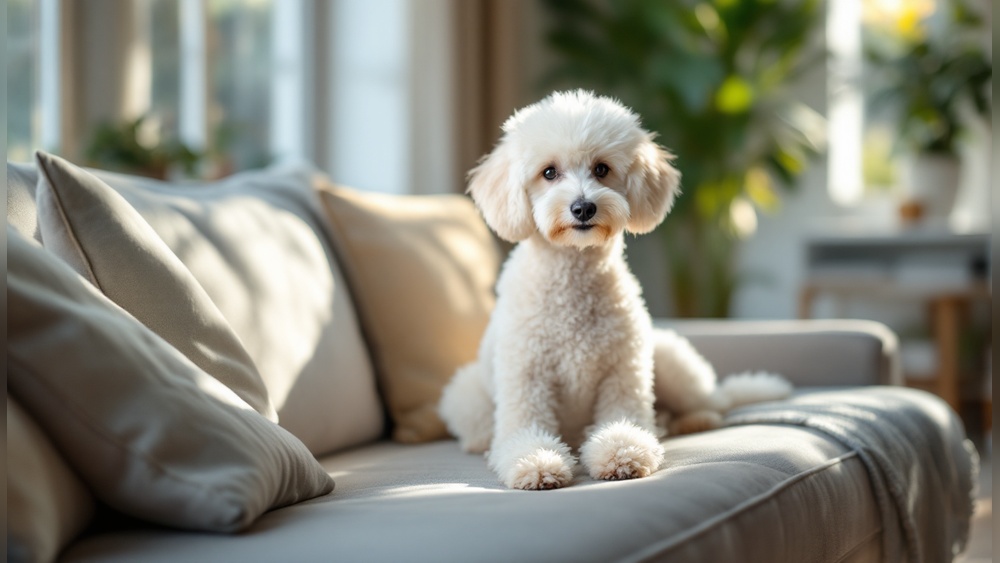
Are you tired of finding dog hair on your clothes, furniture, and floors? If you love dogs but hate the constant shedding, you’re not alone.
Choosing a dog breed that doesn’t shed a lot can make your life much easier and your home cleaner. You’ll discover which dog breeds keep shedding to a minimum, so you can enjoy the company of a furry friend without the endless cleanup.
Keep reading to find the perfect low-shedding dog for you!

Credit: www.countryliving.com
Why Shedding Matters
Shedding is a normal part of a dog’s life. Dogs lose old hair to make way for new growth. But too much shedding can cause problems for pet owners. Understanding why shedding matters helps in choosing the right dog breed.
Impact On Allergies
Shedding spreads pet dander, which can trigger allergies. Less shedding means fewer allergens in the air. This is important for people with sensitive noses or asthma. Choosing low-shedding dogs can reduce allergic reactions at home.
Cleaning And Maintenance
Shedding creates extra cleaning work. Hair collects on floors, furniture, and clothes. It can clog vacuum cleaners and filters. Dogs that shed less make home cleaning easier and faster. Owners save time and effort maintaining a tidy space.
Home Environment
Shedding affects the overall home comfort. Loose hair can cause itching or skin irritation for some people. It can also attract dust and dirt. A low-shedding dog keeps your home cleaner and more comfortable. This creates a better living space for everyone.
Traits Of Low-shedding Dogs
Low-shedding dogs have unique traits that make them ideal for many families. These dogs lose less hair, which helps keep homes cleaner. Their coats, grooming needs, and allergy-friendly qualities set them apart from other breeds.
Coat Types
Low-shedding dogs often have curly or wavy coats. These coats trap loose hair, so it does not fall out easily. Some breeds have hair similar to human hair, which grows continuously. Their coats usually do not shed in large amounts like straight-haired dogs.
Grooming Needs
These dogs need regular grooming to stay healthy. Brushing helps remove loose hair and prevents mats. Many low-shedding dogs require professional grooming every few weeks. Grooming keeps their coat clean and reduces shedding even more.
Hypoallergenic Qualities
Low-shedding dogs often produce fewer allergens. This makes them better for people with allergies. Their coats hold dander, which is a common allergen. Regular cleaning and grooming can reduce allergy problems further.
Top Low-shedding Dog Breeds
Choosing a dog that does not shed much is important for many pet owners. Low-shedding breeds help keep homes cleaner and reduce allergies. These dogs are easier to groom and maintain. Below are some of the top low-shedding dog breeds that make great pets for many families.
Poodle
Poodles are smart and friendly dogs. They have curly coats that do not shed much. Their fur traps loose hair, so it stays on the dog. Poodles come in three sizes: standard, miniature, and toy.
Bichon Frise
Bichon Frises have soft, white coats that shed very little. Their fur needs regular grooming to prevent mats. These dogs are cheerful and get along well with kids.
Portuguese Water Dog
This breed has a curly or wavy coat that sheds minimally. Portuguese Water Dogs love water and enjoy swimming. They are loyal and active companions.
Shih Tzu
Shih Tzus have long, silky hair that sheds very little. They require daily brushing to keep their coat smooth. These dogs are gentle and good for apartments.
Maltese
Maltese dogs have fine, white hair that sheds little. Their coat grows continuously and needs regular care. They are affectionate and love attention from owners.
Schnauzer
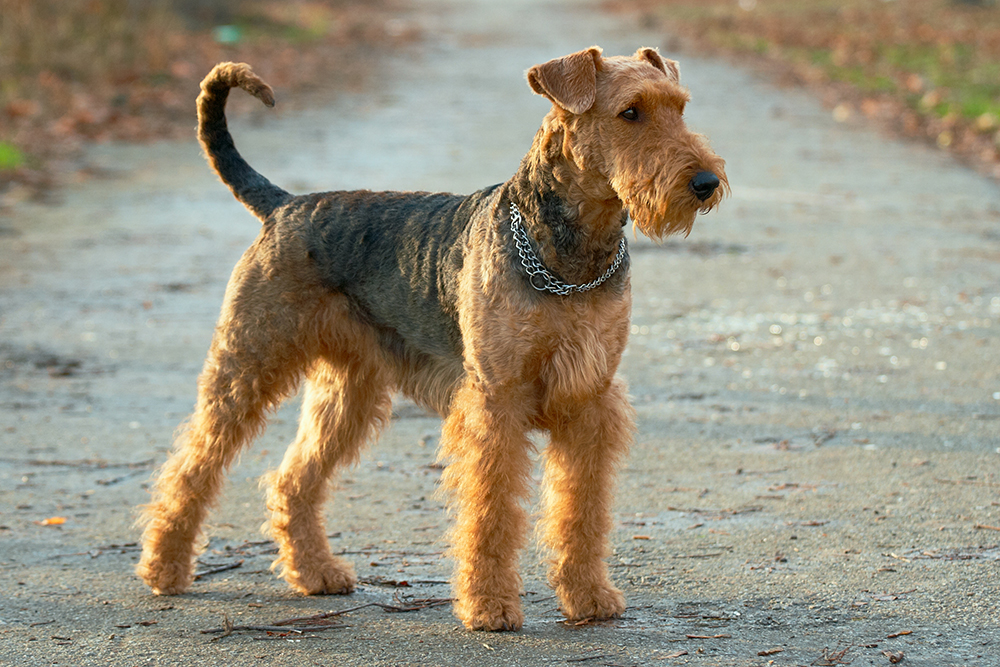
Schnauzers come in mini, standard, and giant sizes. Their wiry coat sheds very little. Regular trimming keeps their coat healthy and neat.
Basenji
Basenjis have short, fine coats that do not shed much. They are known for being clean and quiet dogs. Basenjis are energetic and enjoy playtime.
Yorkshire Terrier
Yorkshire Terriers have silky hair that resembles human hair. They shed very little but need frequent grooming. These small dogs are brave and full of energy.
Credit: www.purina.com
Choosing The Right Low-shedding Dog
Choosing the right low-shedding dog means thinking about many parts of your life. A dog that fits your home and habits makes both of you happier. Some dogs need lots of exercise, while others prefer calm days. Knowing what works best helps you pick a dog you can care for easily. This guide will help you find a dog that sheds less and fits your style.
Lifestyle Compatibility
Think about your daily routine. Some dogs need long walks every day. Others are happy with short playtimes. Your job schedule and home size matter too. A busy person might like a dog that rests a lot. A family with kids may want a playful dog. Choose a dog that matches how active you are.
Size And Activity Level
Small dogs usually need less space and exercise. Big dogs often need more room and energy use. Some low-shedding breeds are small and calm. Others are large but need a lot of running. Match the dog’s size and energy to your space and time. This balance keeps your dog healthy and happy.
Temperament Considerations
Every dog has a unique personality. Some are friendly and social. Others like quiet and alone time. Think about how your dog will fit with your family. A calm dog may suit a quiet home. An active dog may like a lively house. Pick a dog with a temperament that fits your life well.
Tips To Manage Shedding
Managing dog shedding helps keep your home clean and your pet comfortable. Even breeds that don’t shed much need some care. This section shares simple tips to reduce shedding and make pet care easier.
Regular Grooming Practices
Brush your dog’s coat often. Use a brush suited to their fur type. Brushing removes loose hairs before they fall around the house. Bathing your dog regularly helps too. Use gentle dog shampoo to keep the skin healthy. Trim nails and check ears during grooming. This keeps your dog clean and less likely to shed excessively.
Diet And Health
Good food improves your dog’s coat. Choose high-quality dog food with essential fatty acids. Omega-3 and Omega-6 help keep fur shiny and strong. Healthy skin means less shedding. Make sure your dog drinks plenty of water. Regular vet visits catch health problems early. Skin infections or allergies can cause more hair loss. Treat health issues quickly to control shedding.
Home Cleaning Strategies
Vacuum floors and furniture often. Use a vacuum designed for pet hair. Wash dog bedding regularly to remove loose hair. Use lint rollers on clothes and upholstery. Keep air filters clean to reduce hair in the air. These steps help maintain a clean home with less dog hair everywhere.

Credit: www.womansday.com
Frequently Asked Questions
Which Dog Breeds Shed The Least?
Breeds like Poodles, Bichon Frises, and Maltese shed very little. Their coats trap hair, reducing shedding. These dogs are great for allergy sufferers and those wanting a cleaner home.
Are Hypoallergenic Dogs Non-shedding?
Hypoallergenic dogs shed less, but not zero. Their hair grows continuously, trapping loose fur. This reduces allergens and shedding compared to other breeds, making them ideal for sensitive individuals.
How To Manage Shedding In Low-shedding Dogs?
Regular grooming and brushing remove loose hair, preventing buildup. Bathing with gentle shampoo helps maintain coat health. Proper diet also supports healthy skin and reduces shedding naturally.
Do Small Dog Breeds Shed Less Than Large Ones?
Size doesn’t always determine shedding. Some small breeds shed minimally, but some large breeds shed heavily. Coat type and genetics influence shedding more than the dog’s size.
Conclusion
Choosing a low-shedding dog can make life cleaner and easier. These breeds fit well in homes with allergies or less time for grooming. Remember, every dog needs love, care, and attention, no matter the fur. Think about your lifestyle and what fits best before deciding.
Enjoy the company of a furry friend without worrying about too much hair. A happy dog means a happy home.