

Are you worried about allergies but still want the joy of having a furry friend? Finding the right dog that won’t trigger your sneezes and itchy eyes can feel like a challenge.
But don’t give up just yet. There are special dog breeds known as hypoallergenic dogs that can fit perfectly into your life without causing allergy problems. You’ll discover which breeds are best for you and your family. Keep reading to find out how you can enjoy the love and companionship of a dog, allergy-free.
What Makes A Dog Hypoallergenic
Many people want dogs but worry about allergies. Hypoallergenic dogs offer a solution. These dogs cause fewer allergy problems. Understanding what makes a dog hypoallergenic helps choose the right pet.
Hypoallergenic dogs have traits that reduce allergens. These traits lower the chance of allergic reactions. Knowing these traits helps allergy sufferers live with dogs safely.
Key Traits Of Allergy-friendly Dogs
Hypoallergenic dogs often have hair, not fur. Hair grows slowly and sheds less. Less shedding means fewer allergens in the air and on surfaces.
Some breeds produce less dander. Dander is tiny skin flakes that cause allergies. Dogs with low dander cause fewer reactions.
Oily skin can trap allergens. Many hypoallergenic dogs have dry skin. Dry skin means fewer oils to hold allergens.
Regular grooming also helps. Hypoallergenic dogs need more brushing and bathing. This reduces allergens on their bodies.
How Dog Allergens Affect People
Dog allergens come from saliva, urine, and dander. When dogs lick their fur, saliva dries and spreads allergens. These tiny particles float in the air.
People with allergies breathe in these particles. This causes sneezing, itching, and watery eyes. Some may have skin rashes or breathing trouble.
Allergy levels vary. Some people react strongly to small amounts. Others have mild symptoms. Choosing hypoallergenic dogs lowers allergen exposure.
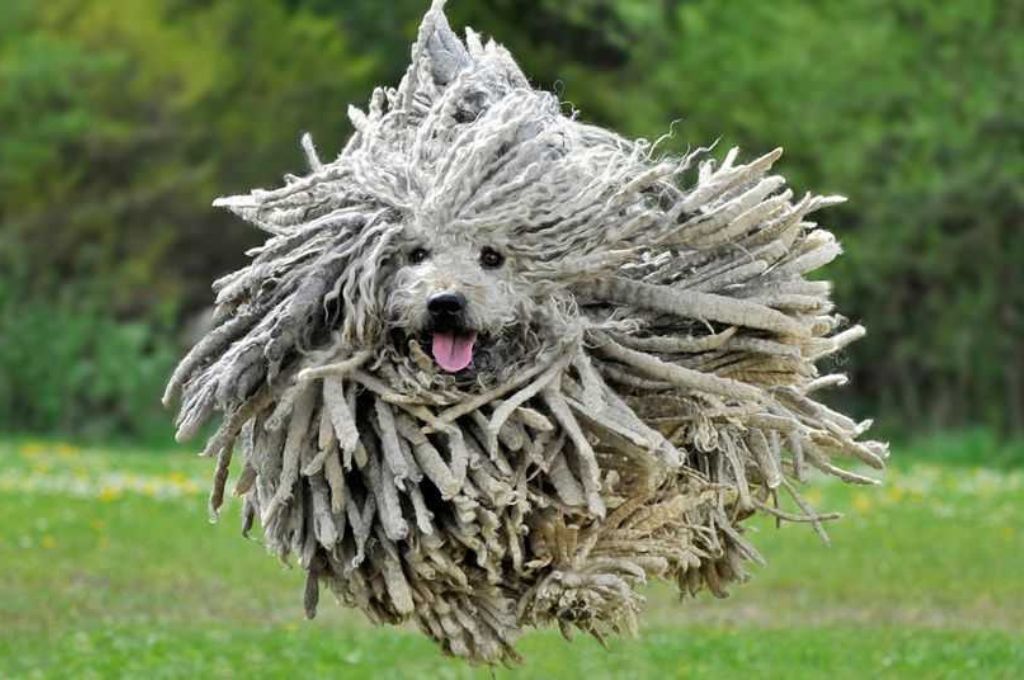
Credit: www.woofblankets.com
Popular Hypoallergenic Dog Breeds
Hypoallergenic dog breeds suit people with allergies. They shed less fur and dander. This helps reduce allergic reactions. Many popular breeds fall into this category. These dogs still make great pets. They have friendly personalities and unique looks.
Here are some well-known hypoallergenic dog breeds. Each one has special traits and care needs. They fit different lifestyles and homes. Let’s explore these popular breeds.
Poodle Varieties
Poodles come in three sizes: standard, miniature, and toy. Their curly coats shed very little. This makes them good for allergy sufferers. Poodles are smart and easy to train. They enjoy playing and learning new tricks.
Bichon Frise
The Bichon Frise has a soft, fluffy coat. This breed does not shed much. It needs regular grooming to stay clean. Bichons are cheerful and love being around people. They fit well in small homes or apartments.
Maltese
Maltese dogs have long, silky white hair. They shed very little fur. Their coat needs daily brushing to avoid tangles. Maltese dogs are gentle and affectionate companions. They adapt well to quiet households.
Portuguese Water Dog
This breed has curly or wavy hair. It sheds very little and is hypoallergenic. Portuguese Water Dogs enjoy swimming and outdoor activities. They need regular exercise to stay happy. These dogs are loyal and protective.
Schnauzer
Schnauzers come in three sizes: giant, standard, and miniature. Their wiry coat sheds minimally. They require regular grooming and trimming. Schnauzers are alert and energetic dogs. They make excellent watchdogs and family pets.
Choosing The Right Hypoallergenic Dog
Choosing the right hypoallergenic dog means finding a pet that fits your daily life and space. Each breed has unique traits. These traits affect how well the dog matches your home and routine. Think about your needs before making a choice.
Size And Lifestyle Considerations
Hypoallergenic dogs come in many sizes. Small dogs fit well in apartments. Larger breeds need more space to run and play. Your daily activities also matter. Some dogs need lots of exercise. Others prefer calm walks or indoor play. Choose a dog size that matches your home and activity level.
Grooming Needs
Hypoallergenic dogs usually shed less, but grooming is still key. Some breeds need regular haircuts. Others require daily brushing to avoid mats. Grooming can affect your time and budget. Decide how much effort you can give to grooming. This helps keep your dog healthy and happy.
Temperament And Activity Levels
Each dog breed has a different personality. Some are calm and gentle. Others are lively and playful. Match the dog’s energy with your lifestyle. Active dogs need more exercise and playtime. Quiet dogs may suit a relaxed home. Knowing the temperament helps build a strong bond.
Managing Allergies With Your Dog
Managing allergies while having a dog is possible with the right approach. Many people think allergies mean no pets. This is not true. Choosing hypoallergenic dog breeds helps reduce allergy symptoms. Still, some allergies may remain. Good habits at home make a big difference. These help keep your environment clean and your symptoms low.
Home Cleaning Tips
Keep your home free of dog hair and dander. Vacuum floors and carpets often using a vacuum with a HEPA filter. Wash dog bedding and blankets every week. Dust surfaces with a damp cloth to catch allergens. Use air purifiers to remove airborne particles. Avoid letting your dog sleep on your bed to reduce allergens in your bedroom.
Regular Grooming Practices
Brush your dog regularly to remove loose hair and dander. Bath your dog every few weeks with a gentle shampoo. Wipe your dog’s fur with a damp cloth to reduce allergens. Clean your dog’s paws after walks to avoid spreading pollen inside. Grooming helps control allergens and keeps your dog healthy.
Allergy Medication Options
Some allergy medicines can reduce symptoms caused by dogs. Antihistamines help control sneezing and itching. Nasal sprays can relieve congestion and irritation. Always talk to your doctor before starting any medicine. Allergy shots may provide long-term relief for some people. Medication can improve comfort while living with a dog.
Benefits Of Hypoallergenic Dogs
Hypoallergenic dogs offer special benefits for many pet lovers. These breeds shed less hair and dander. This helps reduce allergy symptoms. People can enjoy a dog’s company without discomfort. The experience becomes more pleasant and healthy.
Choosing a hypoallergenic dog can change life for allergy sufferers. These dogs fit well in many homes. They provide joy and comfort without causing sneezing or itchy eyes. Their presence supports both emotional and physical well-being.
Companionship Without Sneezing
Hypoallergenic dogs shed fewer allergens. This means less hair and dander in the air. People with allergies can play and cuddle freely. No more sneezing fits during fun moments. This makes bonding easier and more enjoyable.
Suitability For Allergy Sufferers
These dogs suit people sensitive to pet allergens. They lower the risk of allergy attacks. Homes stay cleaner and fresher with less dander. Allergy sufferers can live with dogs comfortably. This opens doors to dog ownership for many.
Emotional And Physical Health Perks
Hypoallergenic dogs boost mood and reduce stress. Their company helps fight loneliness and sadness. Regular walks improve physical fitness and heart health. They encourage an active lifestyle and social interaction. This leads to a happier, healthier life.
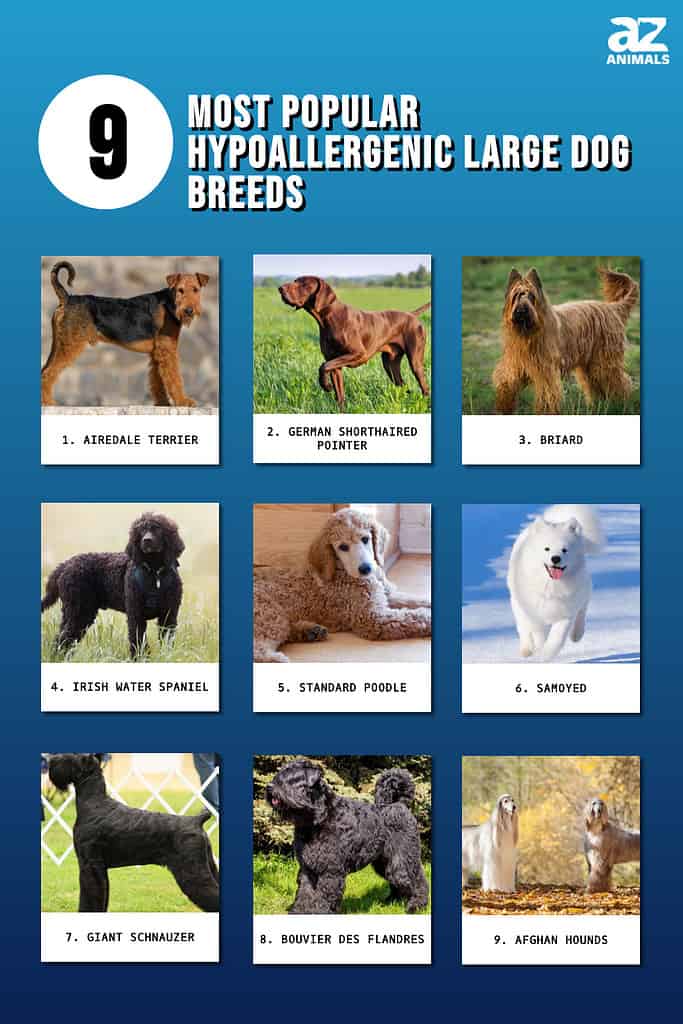
Credit: medsourcellc.com

Credit: www.pethonesty.com
Frequently Asked Questions
What Defines A Hypoallergenic Dog Breed?
A hypoallergenic dog breed produces fewer allergens than typical dogs. These breeds shed less dander, reducing allergic reactions for sensitive individuals.
Which Dog Breeds Are Considered Hypoallergenic?
Popular hypoallergenic breeds include Poodles, Bichon Frises, Maltese, and Portuguese Water Dogs. These breeds shed minimally, making them suitable for allergy sufferers.
Are Hypoallergenic Dogs Completely Allergy-free?
No, hypoallergenic dogs reduce allergens but do not eliminate them entirely. People with severe allergies should still spend time with the dog before adopting.
How Do Hypoallergenic Dogs Help Allergy Sufferers?
These dogs shed less hair and dander, which are common allergy triggers. This makes living with pets easier for people with mild to moderate allergies.
Conclusion
Choosing a hypoallergenic dog can make life easier for allergy sufferers. These breeds shed less and cause fewer reactions. They still offer love and companionship like any other dog. Remember, no dog is 100% allergy-free, but some are better choices.
Spend time with a breed before adopting to see how your body reacts. Enjoy the bond with your new furry friend without constant sneezing or discomfort. A hypoallergenic dog can bring joy and comfort to many homes.


